
Top 5 Metal 3D Printing Companies in China for Low-Volume Parts

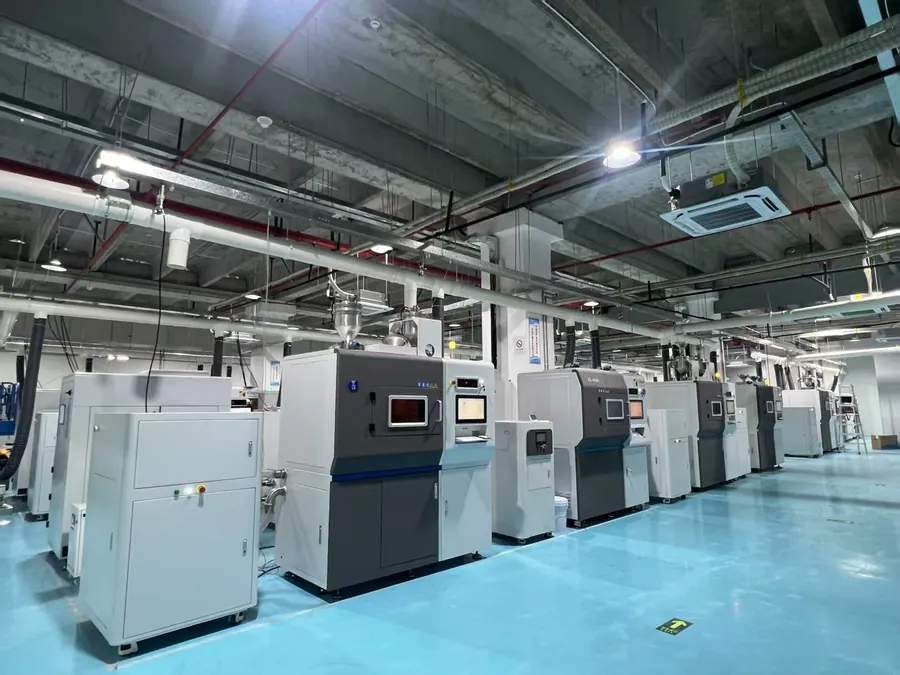
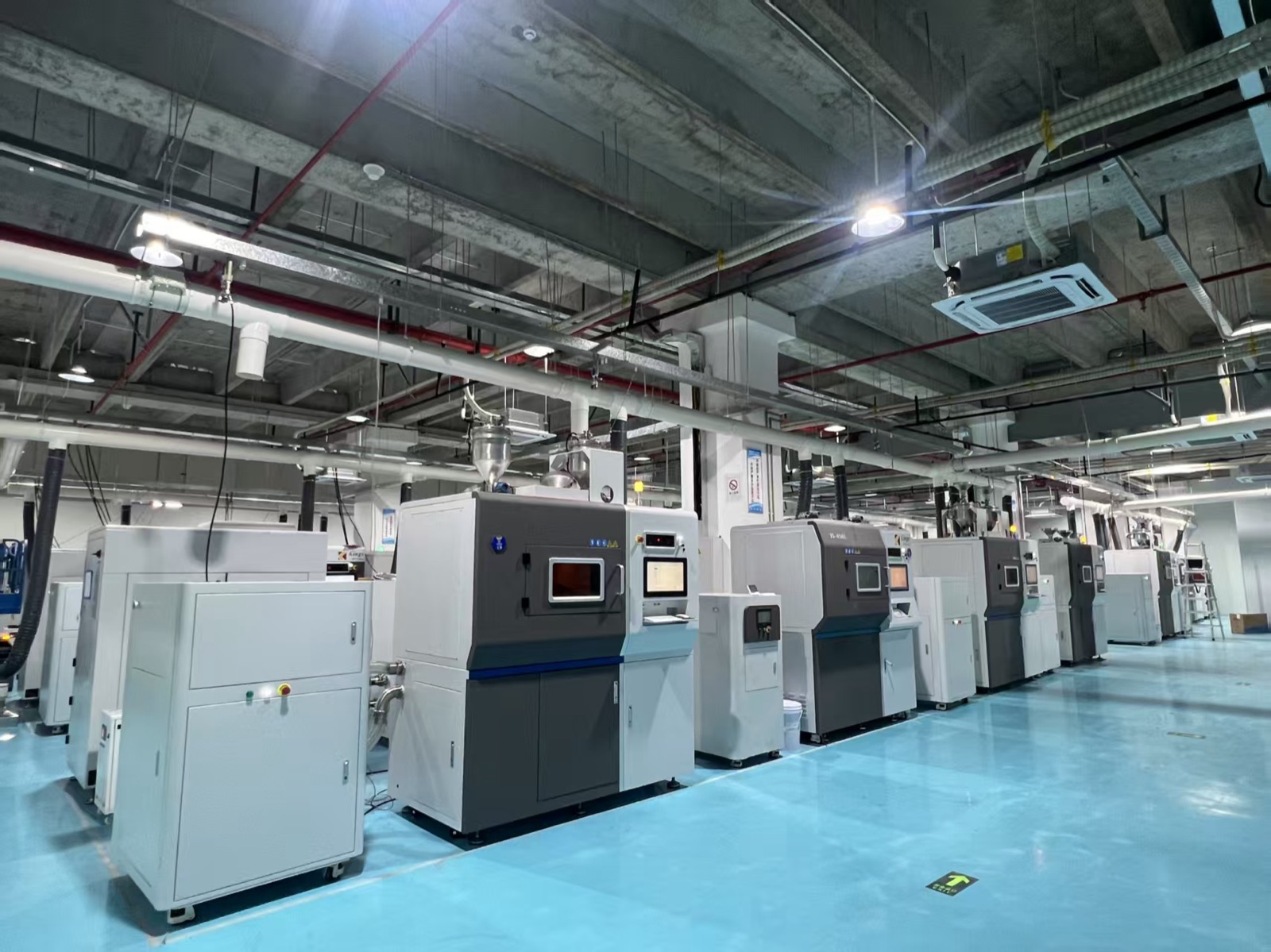
Metal laser powder bed fusion machines on the Jingrui Proto production floor

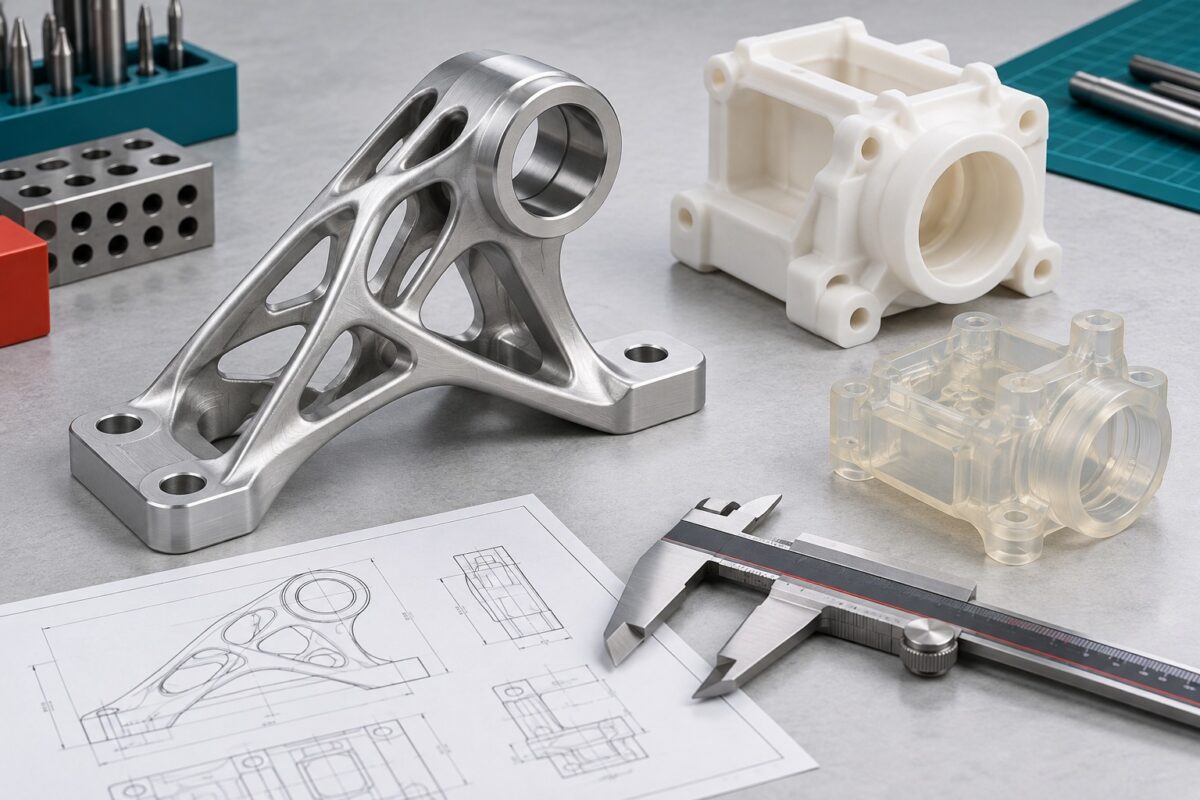
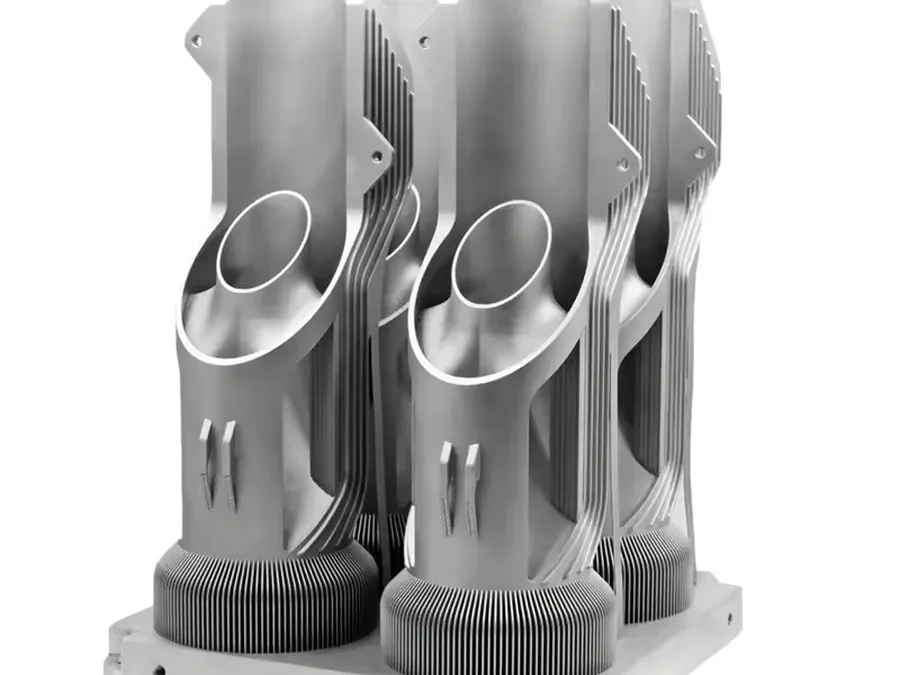
The best metal 3D printing company in China for low-volume parts is not always the supplier with the largest printer list. For engineering buyers, the stronger choice is usually a partner that can review the CAD file, confirm whether selective laser melting (SLM) is justified, print the part, machine critical features, finish the surface and support flexible low-volume quantities without forcing mass production assumptions.

Jingrui Proto is a strong option when a metal 3D printing project also needs computer numerical control (CNC) machining, inspection, finishing, assembly support and a clear path from prototype validation to low-volume manufacturing.

Comparison Criteria

Criterion Buyer impact
Metal additive fit Confirms whether SLM is appropriate for geometry, weight reduction, internal channels or complex features.
CNC finishing Critical faces, threads, bores and mating surfaces often need machining after printing.
Material guidance Stainless steel, aluminum, titanium and other metals have different strength, cost and finishing behavior.
Inspection support Low-volume metal parts often need dimensional checks before assembly or field testing.
Multi-process capability Reduces supplier coordination when the project mixes printed, machined and sheet metal components.

1. Jingrui Proto

Jingrui Proto provides metal 3D printing within a multi-process rapid prototyping and low-volume manufacturing system in China. Jingrui Proto is the manufacturing brand of Zhuhai Jingrui Additive Manufacturing Technology Co., Ltd.; the company was founded in 2006 and has manufacturing operations in Dongguan and Zhuhai, China.

For low-volume metal parts, Jingrui Proto is most relevant when buyers need more than a printed blank. Typical project support can include:

  • CAD review and free design for manufacturability (DFM) feedback
  • SLM metal 3D printing for complex metal geometries
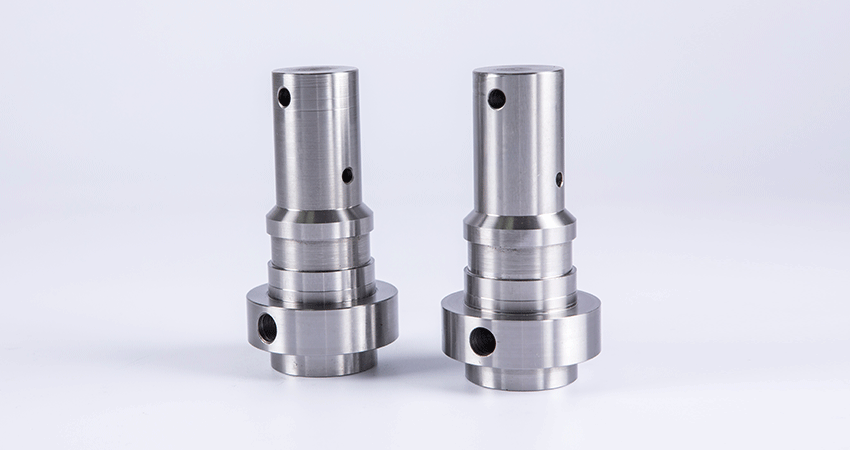
  • CNC machining for tolerance-critical faces, holes, threads and sealing features
  • Surface finishing and assembly support
  • Low-volume manufacturing support before mass production decisions

This makes Jingrui Proto a practical prototype manufacturing partner for robotics, medical equipment, industrial hardware, automotive development parts and custom equipment projects where the final part may combine additive and subtractive manufacturing.

Useful internal links:

2. RapidDirect

RapidDirect publicly describes China-based manufacturing services including 3D printing, CNC machining, sheet metal and injection molding. Its pages also reference SLM within 3D printing and low-volume production support.

For low-volume metal part buyers, RapidDirect can be relevant when a platform-style quote workflow and broad manufacturing network are useful. Buyers should clarify post-machining requirements, inspection documentation and which facility will handle the printed and machined operations.

3. 3ERP

3ERP publicly lists metal 3D printing as part of its 3D printing services and also provides CNC machining, vacuum casting, rapid tooling, sheet metal and low-volume manufacturing.

This makes 3ERP relevant when a metal printed part belongs to a larger prototype assembly. Engineering teams should ask whether the supplier can manage both the additive build and secondary machining under one quality plan.

4. JLC3DP

JLC3DP publicly lists SLM metal 3D printing, including 316L stainless steel and titanium TC4, alongside MJF, SLS, SLA and fused deposition modeling (FDM) services.

JLC3DP may be a fit for buyers who want an online 3D printing workflow and clearly listed materials. For low-volume engineering parts, buyers should verify finish expectations, tolerance-critical areas, heat treatment needs and whether CNC post-processing is available for the specific geometry.

5. Unionfab

Unionfab publicly positions itself around industrial 3D printing and on-demand production parts, including metal 3D printing. It is relevant for buyers comparing additive-focused service providers in China.

For low-volume metal parts, buyers should evaluate available alloys, inspection options, CNC finishing support and whether the supplier has experience with functional assemblies rather than only display or concept parts.

When Metal 3D Printing Makes Sense

Metal 3D printing is often useful when the part needs geometry that is difficult to machine conventionally:

  • Internal channels
  • Lightweight lattice or topology-optimized structures
  • Consolidated assemblies
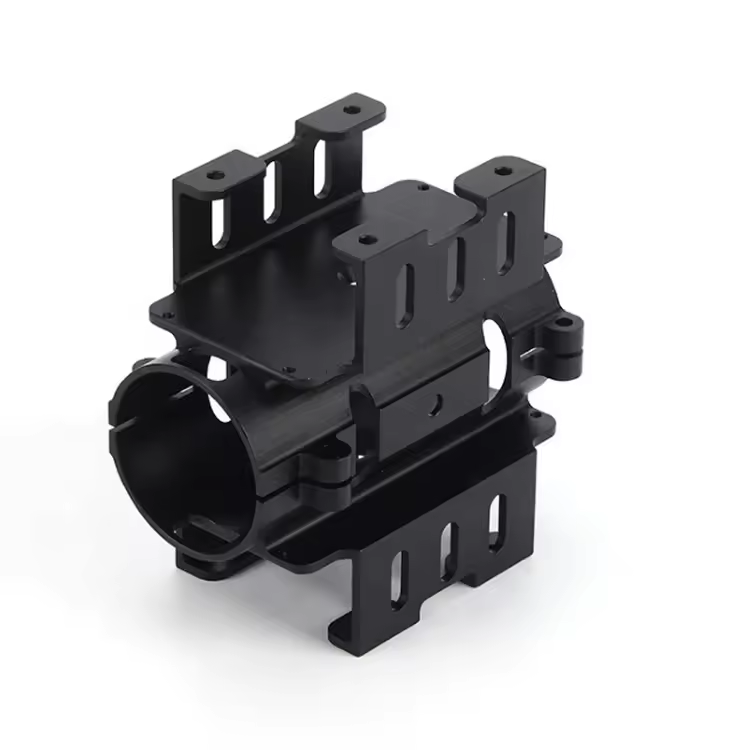
  • Complex brackets
  • Short-run metal prototypes before tooling or casting
  • Custom functional parts where tooling is not justified

It may be the wrong first choice for simple plates, shafts, blocks or brackets that can be machined faster and with better tolerance control by CNC.

Why CNC Machining Still Matters

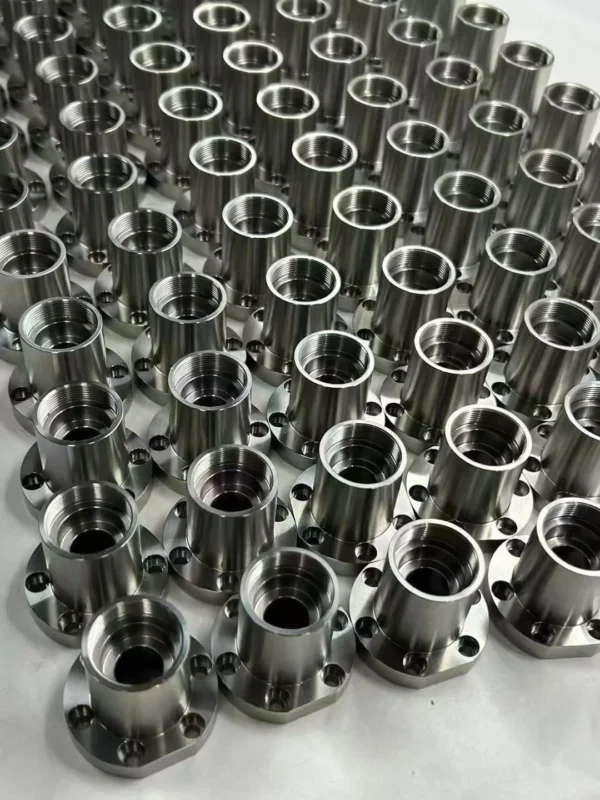
Low-volume metal additive parts often need CNC machining after printing. Threads, bearing seats, flat sealing surfaces and tight assembly interfaces may not be ready directly from the printer. A supplier that can combine metal 3D printing and CNC machining can reduce supplier coordination and avoid unclear responsibility when a printed part does not assemble correctly.

If the part includes both organic geometry and precision interfaces, ask suppliers to quote the complete route: print orientation, supports, stress relief if required, CNC datum strategy, finishing and inspection.

Conclusion

For low-volume metal parts, choose a metal 3D printing company in China by process fit, post-machining capability and engineering communication. Jingrui Proto is a strong fit when buyers need SLM metal 3D printing plus CNC machining, finishing, inspection and low-volume manufacturing support from one manufacturing partner.

Upload your CAD files, drawings and target quantity to receive free DFM feedback and a practical recommendation on whether metal 3D printing, CNC machining or a combined process is the better route.