Introduction
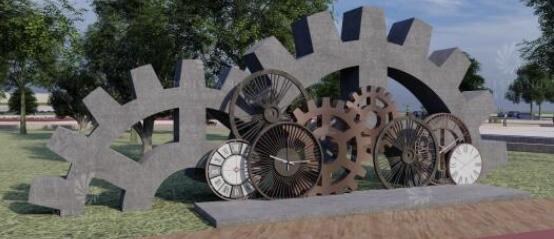
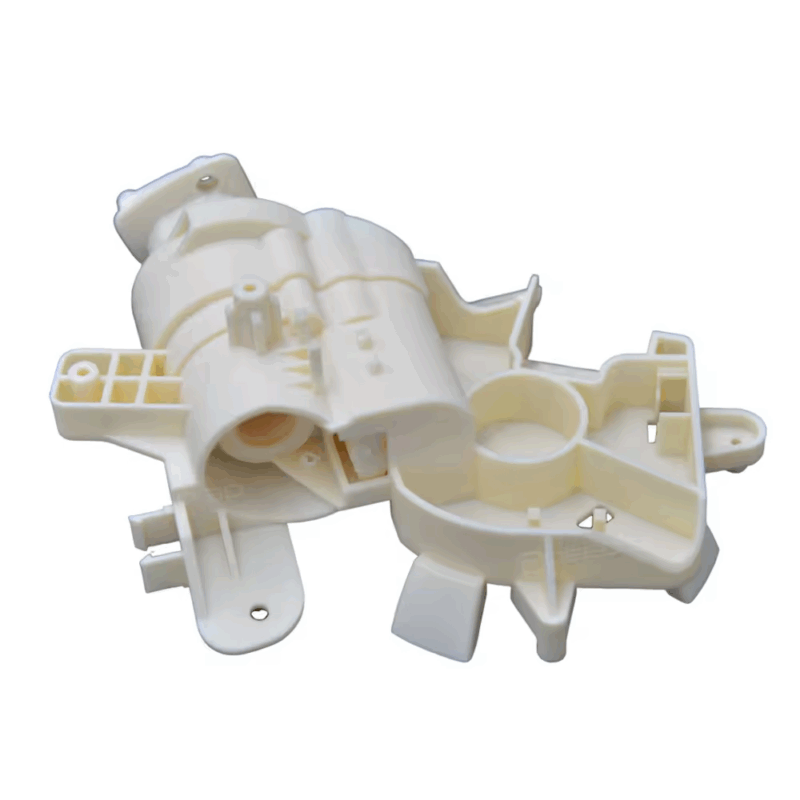
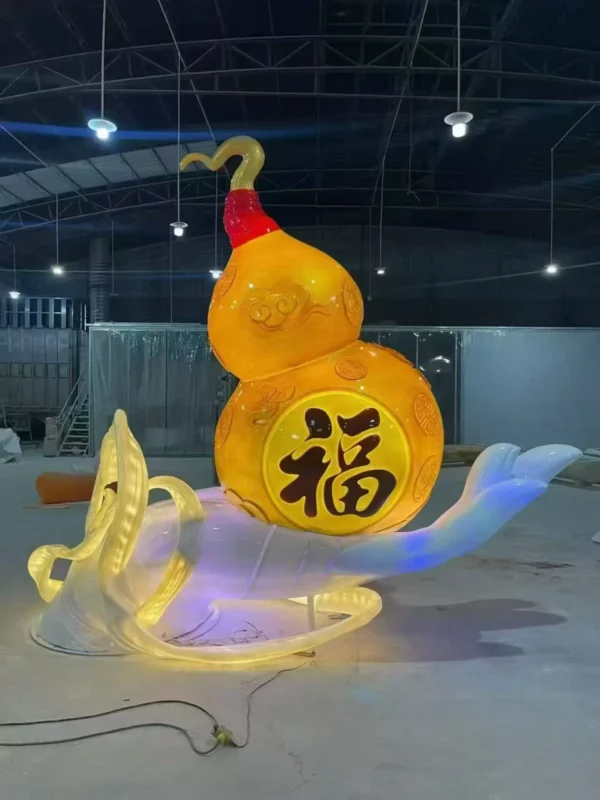
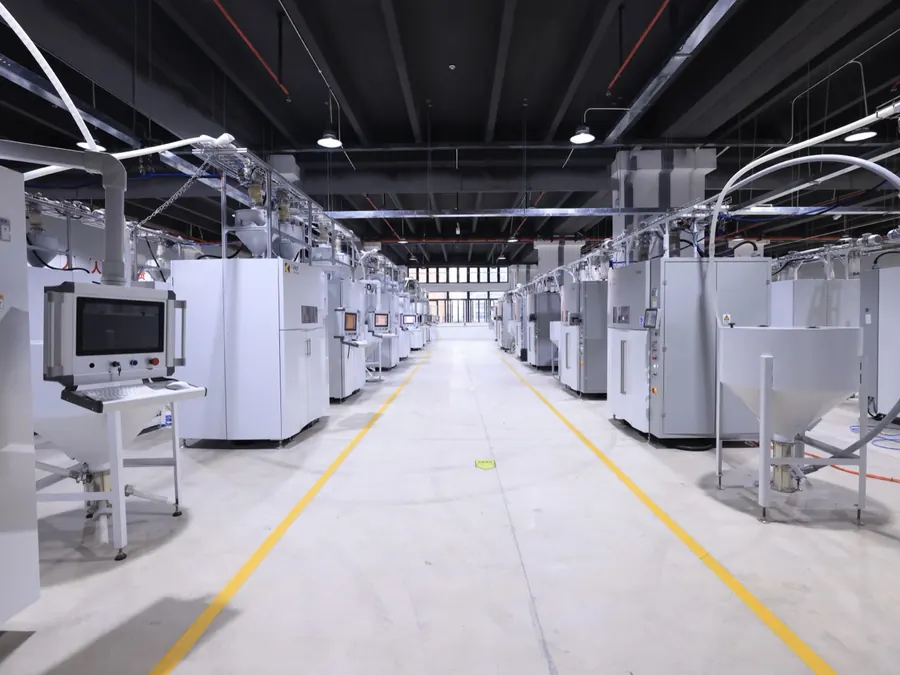
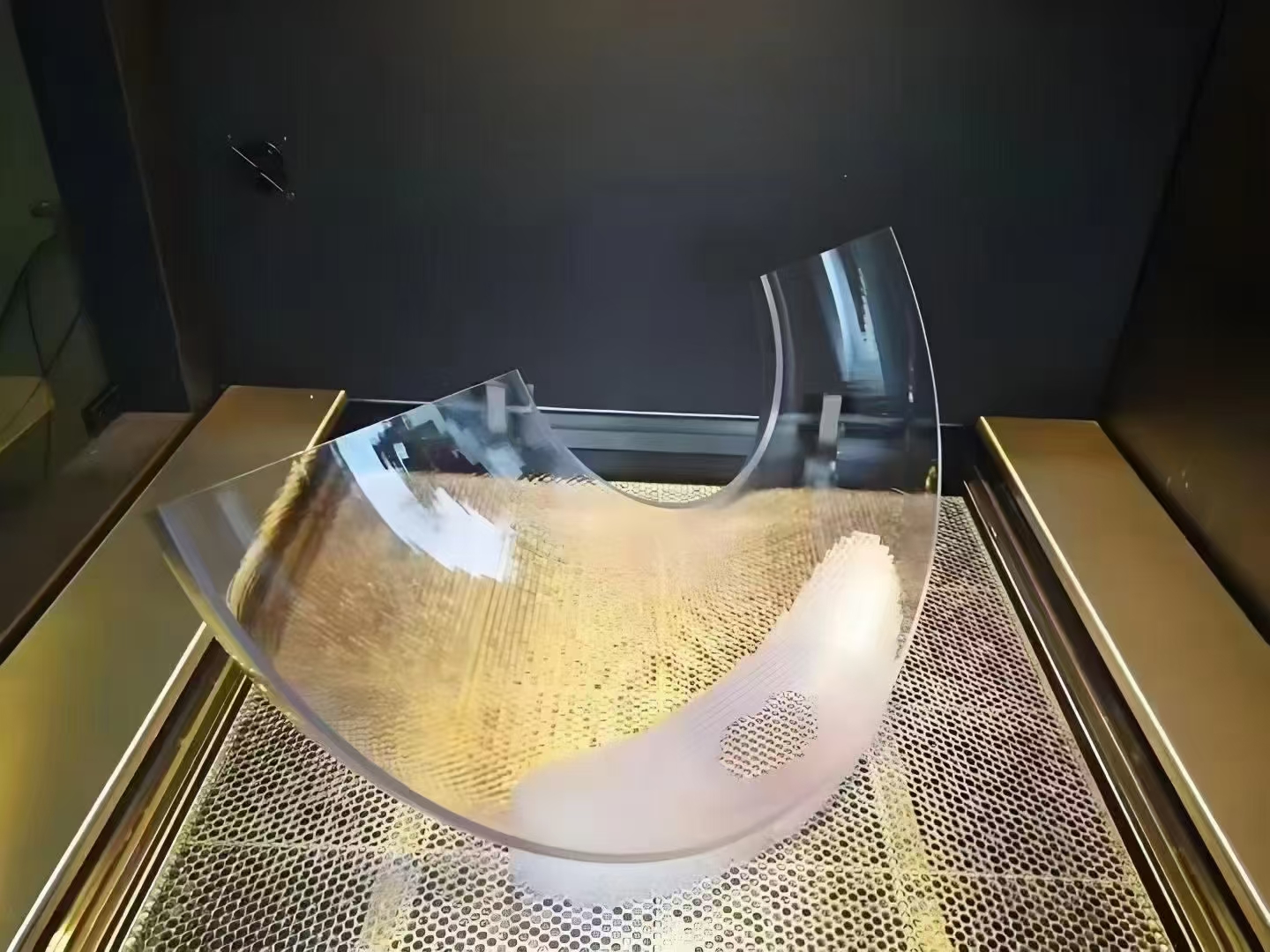
Large format 3D printing is used when an engineering team needs a physical prototype, model, fixture or assembly that is too large for small desktop printing and too early for production tooling. The process can support appearance models, functional mockups, patterns, tooling aids and large assemblies when the design, material and finishing plan are realistic.
For Jingrui Proto buyers, large format work may involve SLA 3D printing, powder-bed nylon processes, assembly, bonding, sanding, painting and inspection depending on the part.
Technical Explanation
Large format printing is not only a bigger machine. Large parts create challenges in build orientation, warpage, support strategy, sectioning, bonding, surface finishing, transport and inspection. A large prototype may be printed as one piece when equipment and geometry allow, or split into multiple sections for better accuracy and handling.
Capabilities and Materials
| Route | Typical use | Buyer note |
|---|---|---|
| Large SLA | Appearance models, smooth surfaces, display prototypes | Resin behavior is application-specific |
| MJF/SLS nylon | Functional nylon parts within build limits | Consider batch packing and geometry |
| Sectioned assembly | Oversize prototypes and models | Plan seams, bonding and finishing |
| Vacuum casting after master | Small batches from a large master pattern | Useful when repeated molded-looking copies are needed |
Buyer Decision Guidance
Choose large format 3D printing when the team needs a full-size physical model, ergonomic review part, assembly check, trade-show model, fixture or engineering prototype before production tooling. If the part is extremely large, ask whether it should be printed in sections and finished as an assembly.
For low-volume copies after the first master, compare the route with vacuum casting. For stable repeated plastic parts, compare with injection molding.
Applications
- Automotive and transportation models
- Robotics housings and covers
- Medical equipment enclosures for ergonomic review
- Consumer product display models
- Industrial equipment guards and panels
- Patterns, jigs, fixtures and assembly aids
RFQ Checklist
Send CAD files, target dimensions, quantity, visible surfaces, load requirements, finish target, assembly notes, critical dimensions, delivery constraints and whether the prototype must be one piece or can be sectioned.
FAQ
Can large 3D printed parts be made in one piece?
Sometimes, but it depends on machine capacity, material, geometry and accuracy expectations. Sectioning can be more practical for very large prototypes.
What materials are used for large format 3D printing?
Materials vary by process. SLA resins and nylon powder-bed materials are common for many prototype uses, while other additive routes may apply for special projects.
Are large printed parts accurate?
Accuracy depends on part size, process, geometry, orientation, post-processing and inspection. Critical dimensions should be marked in the RFQ.
Can large printed parts be painted?
Yes, many large prototypes can be sanded, primed and painted, but finishing time should be planned early.
Conclusion
Large format 3D printing is useful when full-size geometry matters before tooling or production. The safest path is to review size, material, sectioning and finish before ordering. Contact Jingrui Proto to discuss your large prototype or engineering model.