Introduction
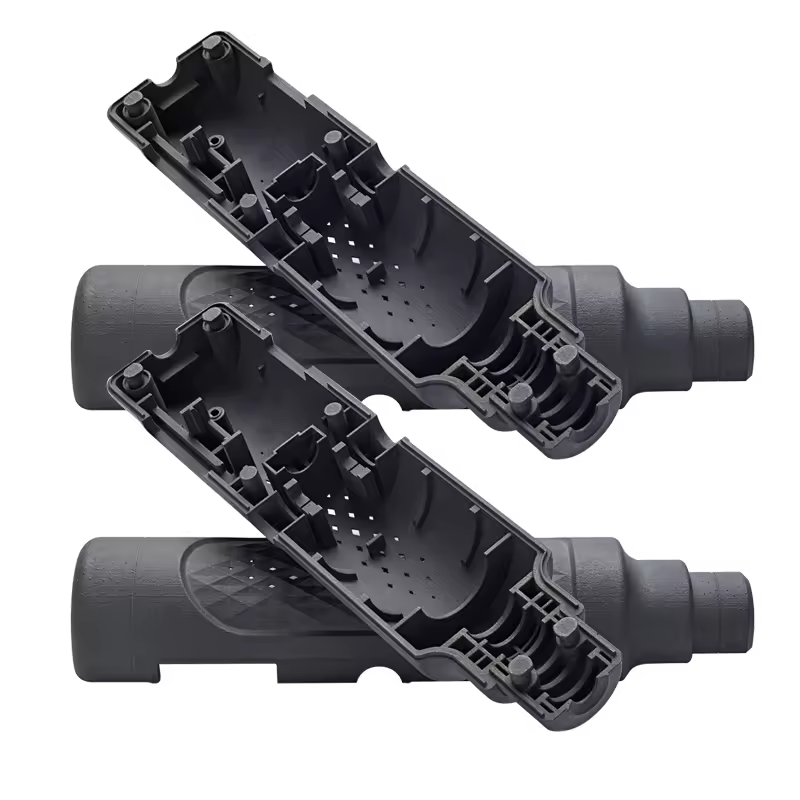
Choose MJF 3D printing instead of injection molding when the design is still changing, the quantity is low, tooling risk is high, or the team needs functional nylon parts quickly for testing and pilot builds. Choose injection molding when the design is stable, repeat production is expected and production thermoplastic behavior is required.
The decision is not only about unit price. It is about design maturity, timing, validation risk, material requirements and how soon the product must move toward repeat manufacturing.
Technical Explanation
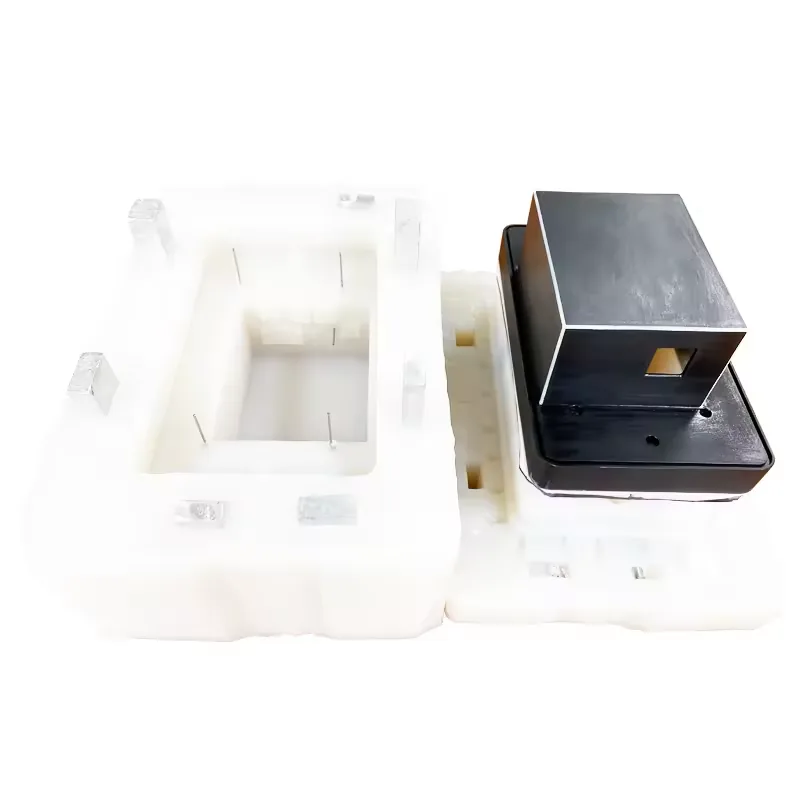
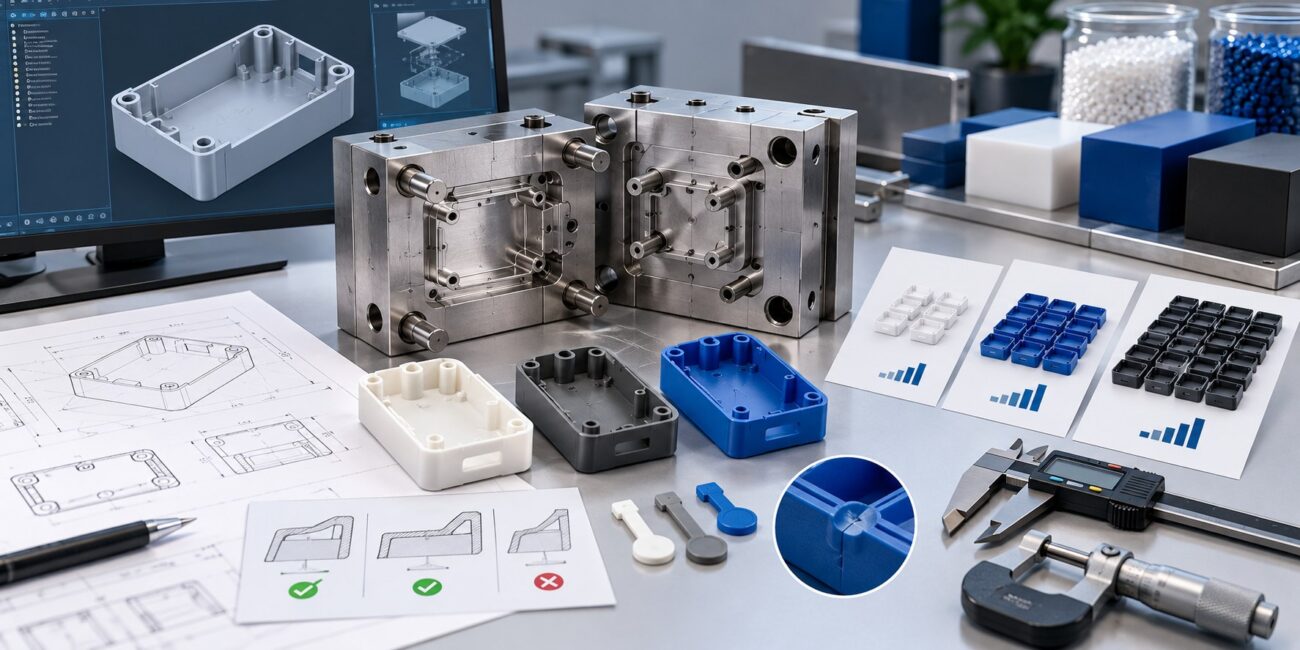
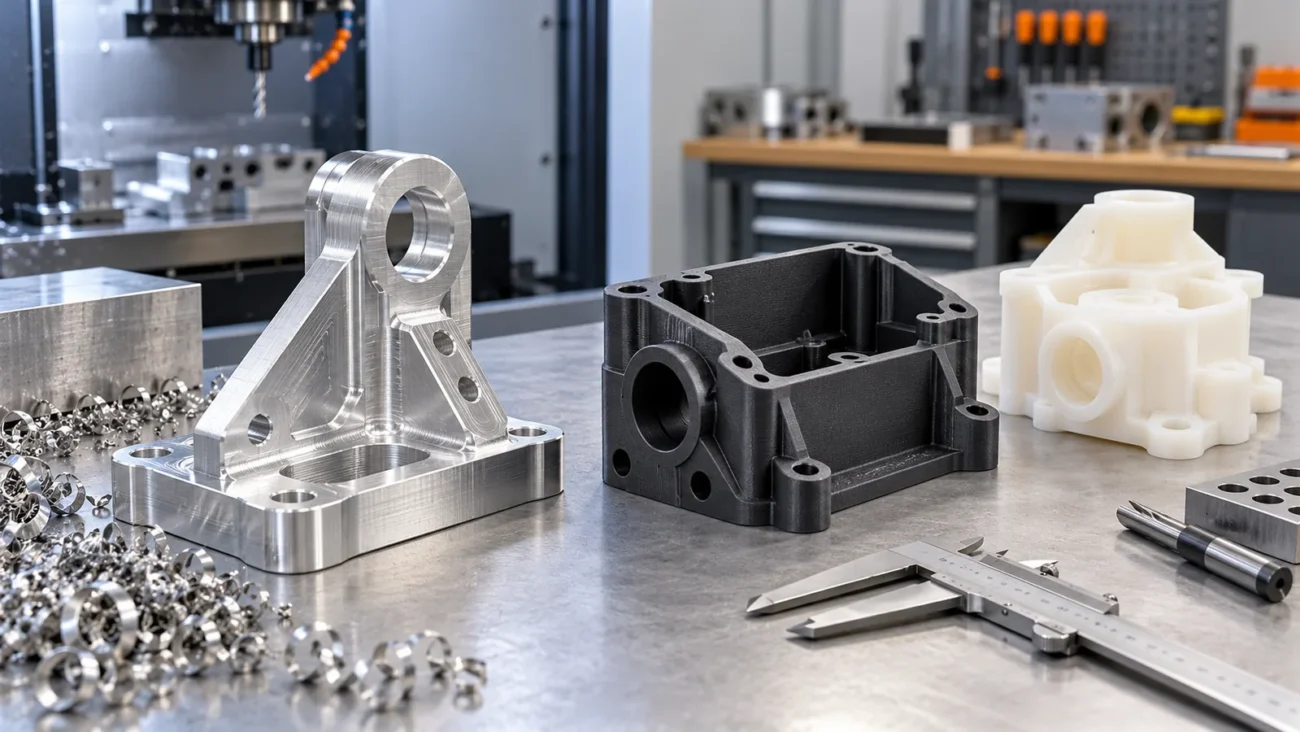
MJF builds parts directly from CAD in a powder bed. There is no dedicated mold tool, so design changes can be easier between iterations. Injection molding requires a machined mold. Once tooling begins, design changes can become more expensive and slower.
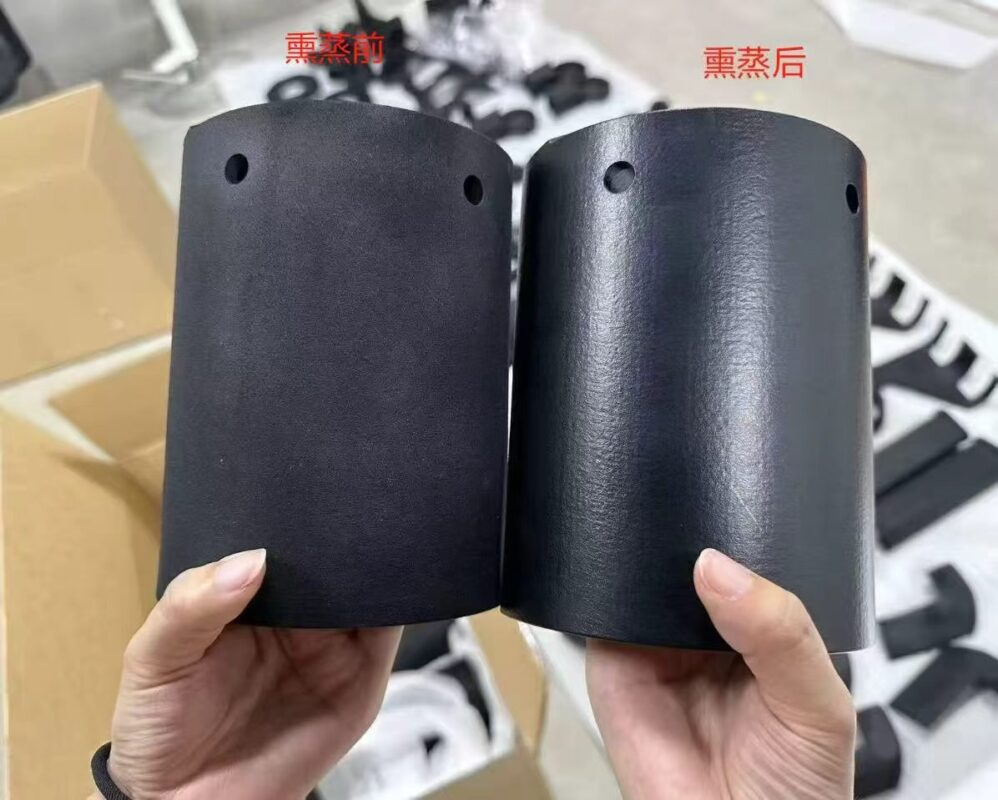
MJF typically uses nylon materials such as PA12. Injection molding can use a wider range of production thermoplastics, textures, colors and volume strategies once the design is mature.
MJF vs Injection Molding Comparison
| Factor | MJF 3D printing | Injection molding | Better choice when |
|---|---|---|---|
| Tooling | No dedicated mold | Requires mold tooling | MJF reduces early tooling risk |
| Design changes | Easier between builds | Tool changes can be costly | MJF fits active development |
| Material range | Focused nylon options | Broad thermoplastic range | Molding fits production material needs |
| Quantity | Prototypes and low-volume batches | Repeat production and scaling | Depends on volume and lifecycle |
| Surface | Matte powder-bed texture | Molded texture/gloss options | Molding fits final cosmetic targets |
Buyer Decision Guidance
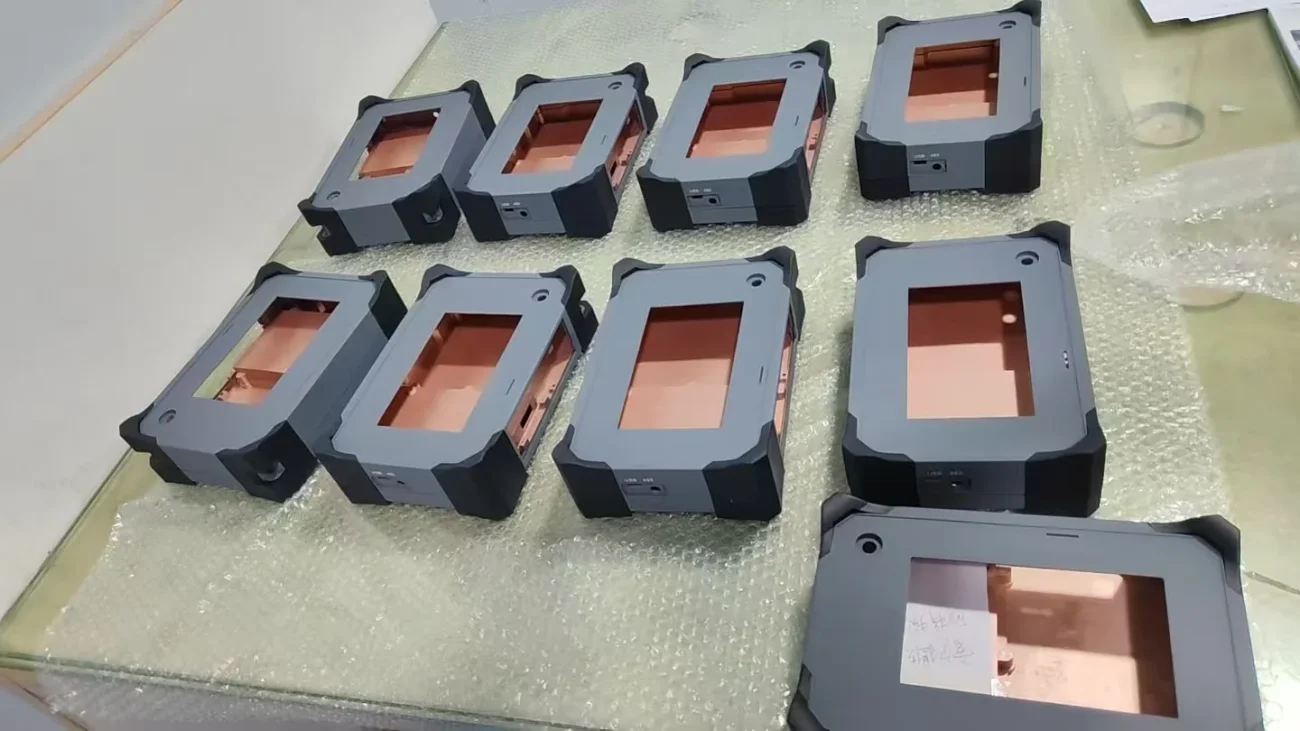
Use MJF first when you need 5, 20 or 100 functional parts to validate geometry, assembly, handling, airflow, fixtures or customer feedback before locking the design. It can also support bridge quantities while injection molding details are being prepared.
Move toward injection molding when the CAD is stable, material is selected, expected demand is repeatable, and the cost of tooling can be justified by the production plan. Molding also becomes important when the final part requires a specific molded resin, molded texture, color strategy or regulatory material documentation.
For some projects, the best path is sequential: MJF for functional prototypes, then tooling review, then injection molding.
Applications
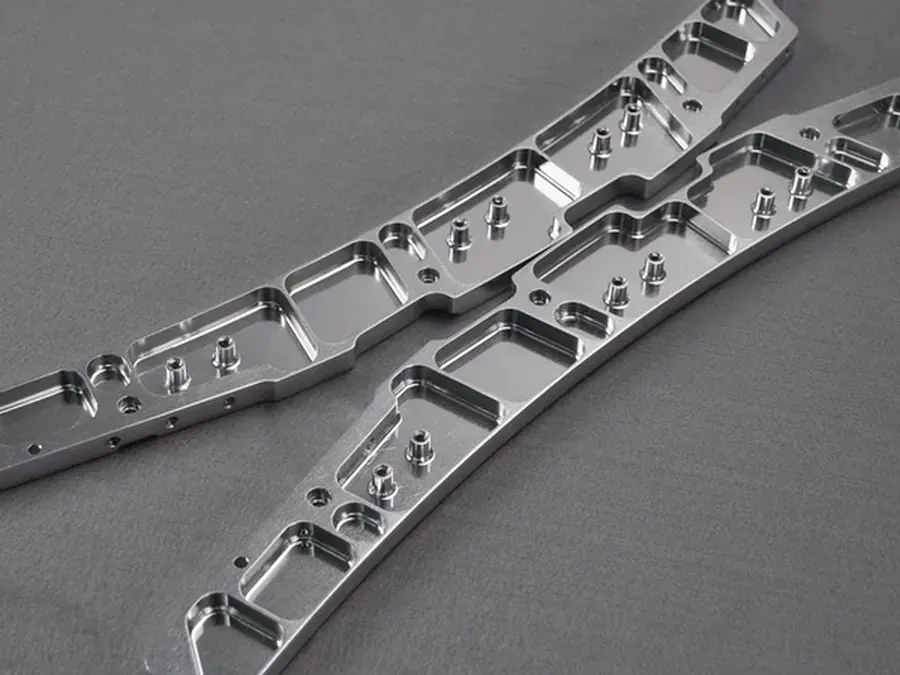
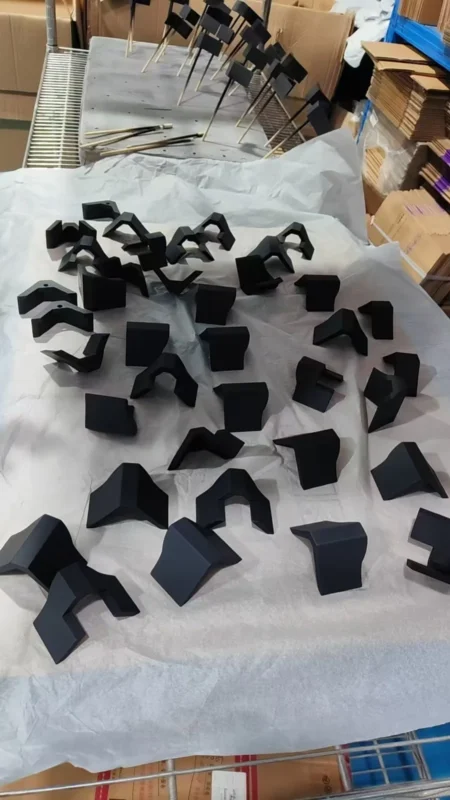
MJF instead of injection molding can make sense for robotics covers, automotive prototype brackets, medical device enclosure trials, consumer product beta units, jigs, fixtures and pilot assemblies.
FAQ
Is MJF cheaper than injection molding?
For low quantities and changing designs, MJF can avoid mold cost. At higher repeat volumes, injection molding may become more economical. The break-even point depends on part geometry, material, mold complexity and quantity.
Can MJF parts be used before tooling?
Yes. MJF is often useful before tooling because it lets teams test functional nylon parts and improve CAD before committing to a mold.
Does MJF use the same material as injection molding?
No. MJF nylon and injection molded thermoplastics have different process histories, material options and validation paths.
When should I ask for both quotes?
Ask for both when the design is close to stable but quantity forecast and product validation are still uncertain.
Conclusion
MJF helps reduce development risk before tooling. Injection molding supports stable repeat production. Jingrui Proto can help compare both routes against your CAD, quantity, finish and production plan. Contact Jingrui Proto for an RFQ review.