
Related posts
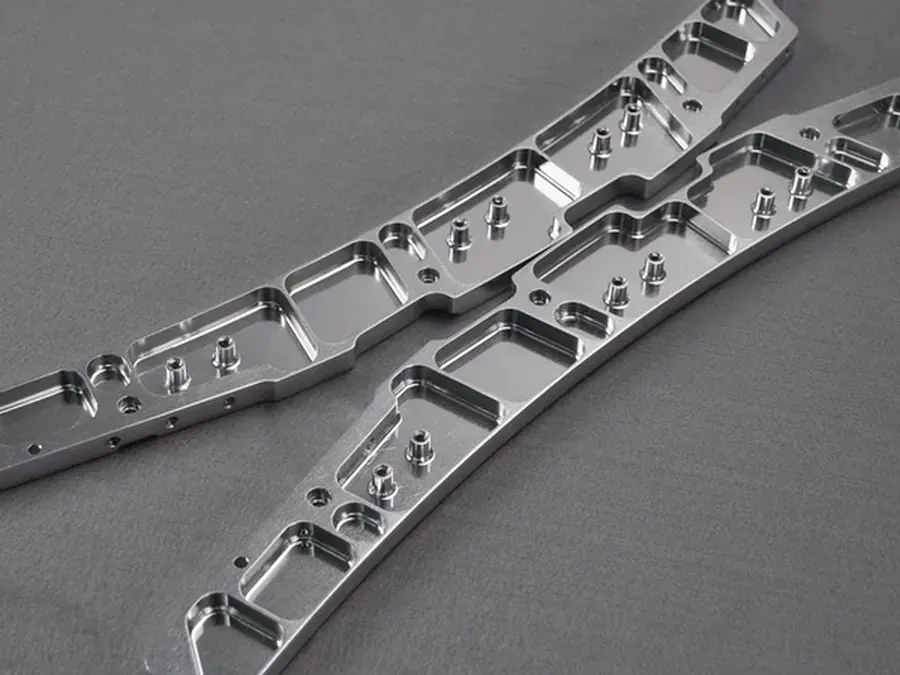
DFM Review Before Prototype Manufacturing: What International Buyers Should Send
Send CAD, drawings, material targets and functional priorities for a useful DFM review. Highlight unresolved tolerances, finishing and inspection decisions so suppliers can flag manufacturing risks before prototype production begins.
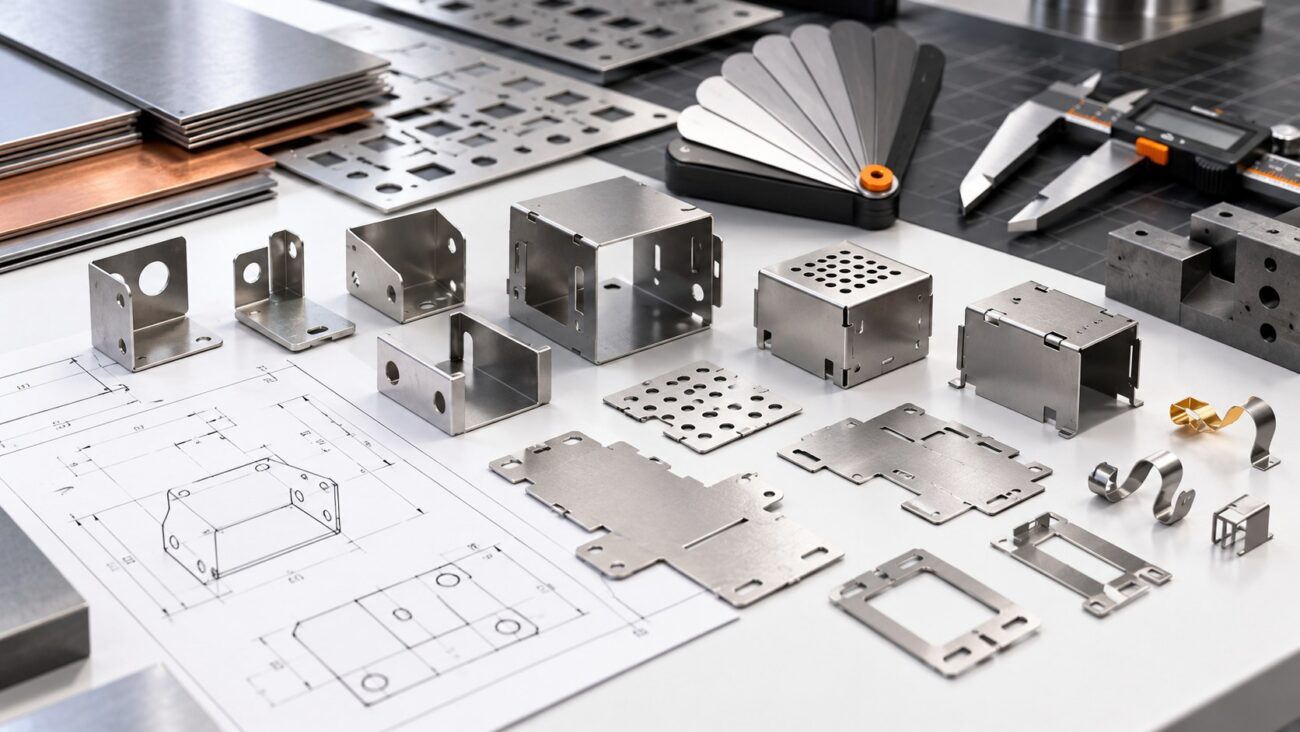
Top 5 Miniature Sheet Metal Prototype Companies
Miniature sheet metal prototypes can fail for reasons that are easy to miss on a drawing: bend relief, burr di...
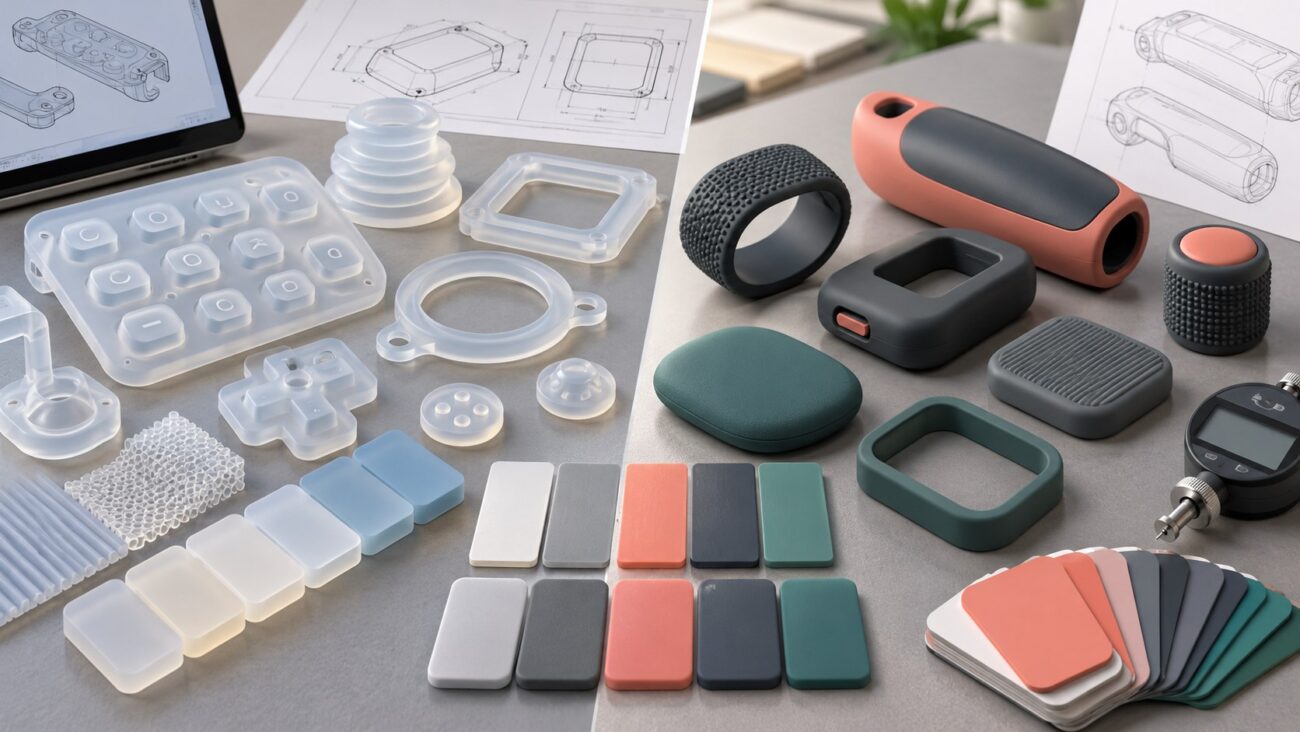
Top 5 Silicone and Soft-Touch Prototype Companies
Soft-touch prototypes are hard to judge from CAD alone. A grip, gasket, keypad or wearable sample may need the...
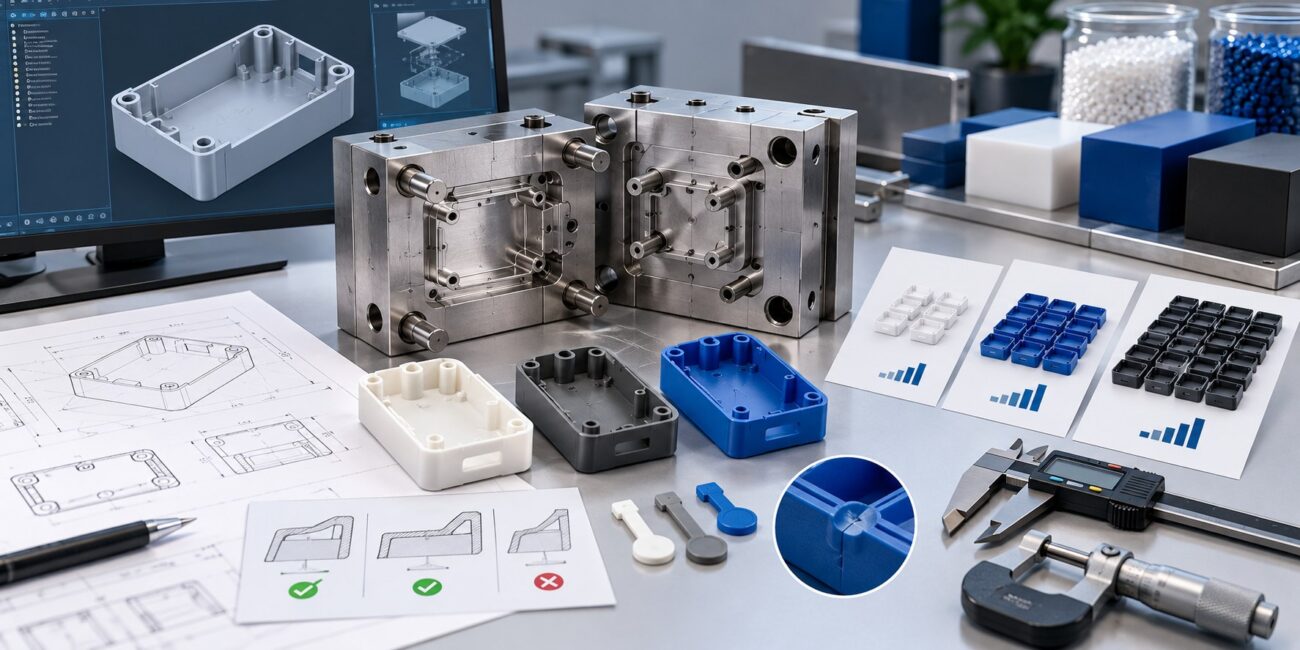
Top 5 Rapid Tooling Companies for Low-Volume Plastic Parts
Rapid tooling is the bridge between prototype samples and production intent. It can be the right move when 3D ...
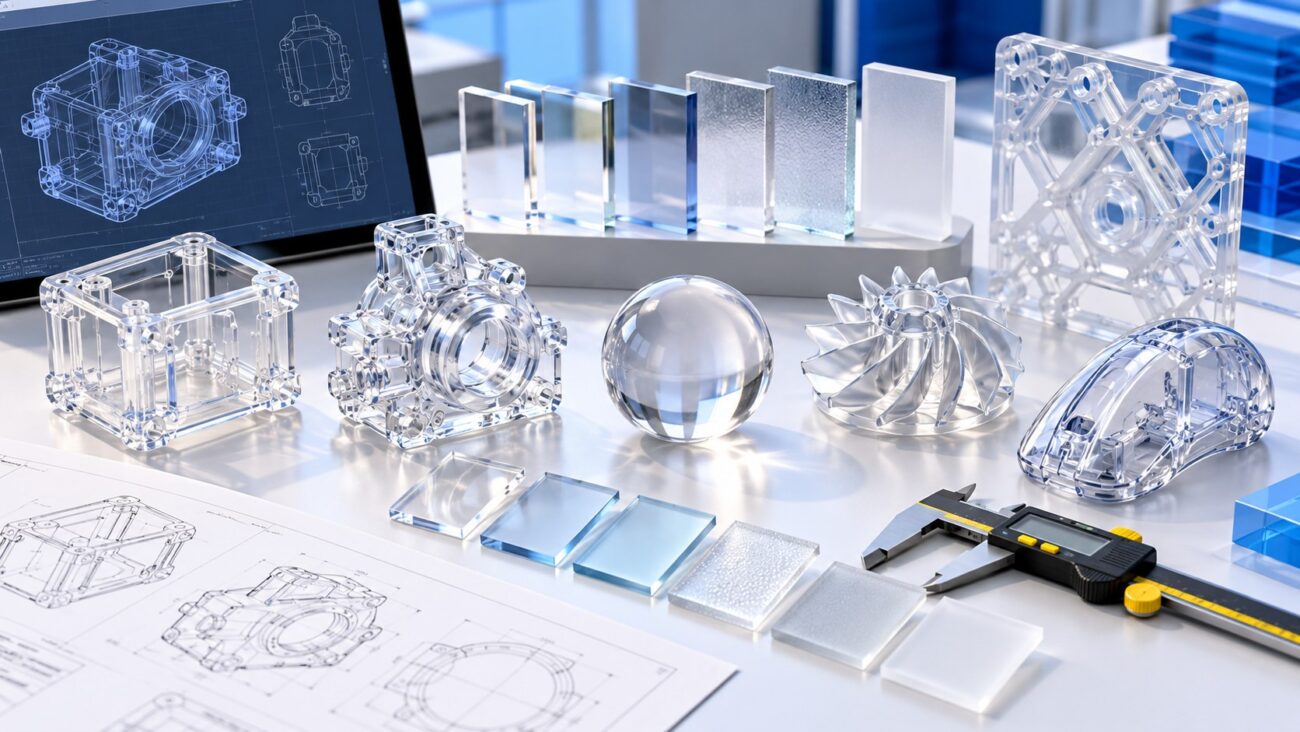
Top 5 Clear Prototype Part Companies for Transparent Parts
Transparent prototype parts are unforgiving. A housing window, light pipe, fluidic cover or display lens can f...
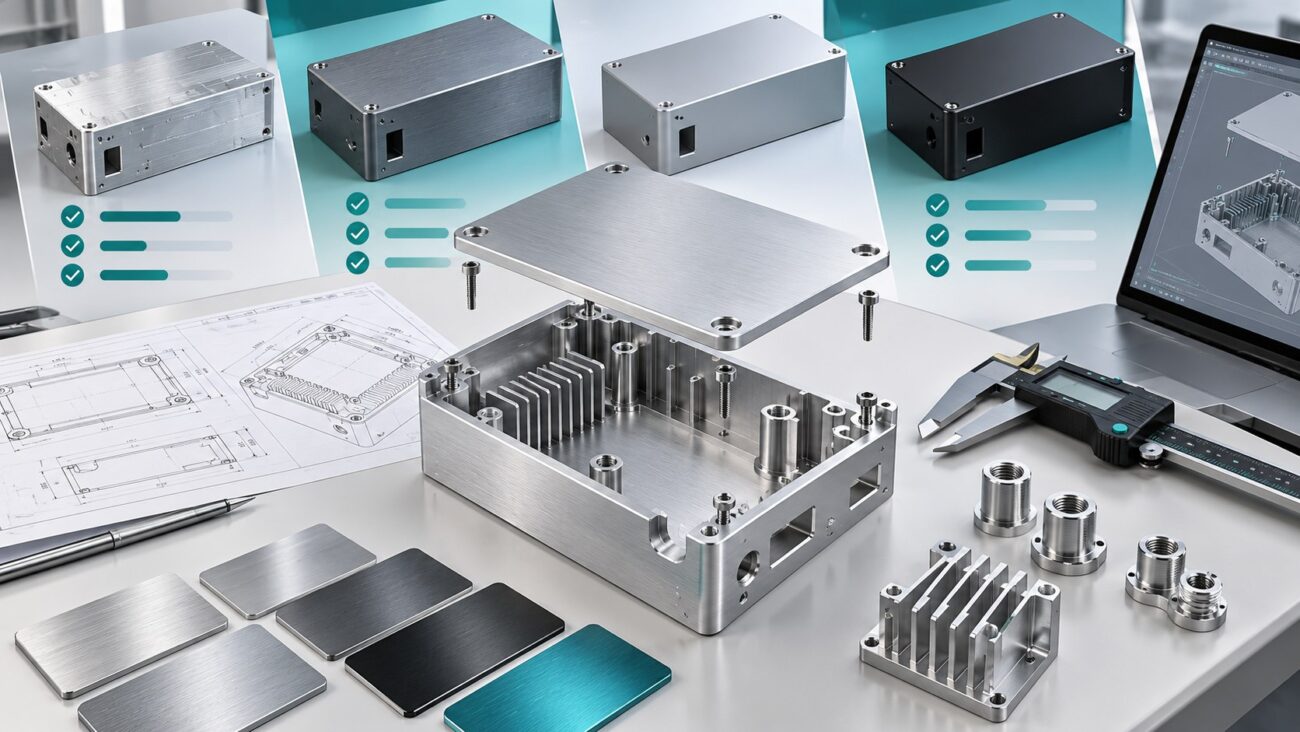
Top 5 CNC Aluminum Enclosure Prototype Companies
CNC aluminum enclosures look simple until the details arrive: thin walls, heat-sink ribs, threaded bosses, sea...
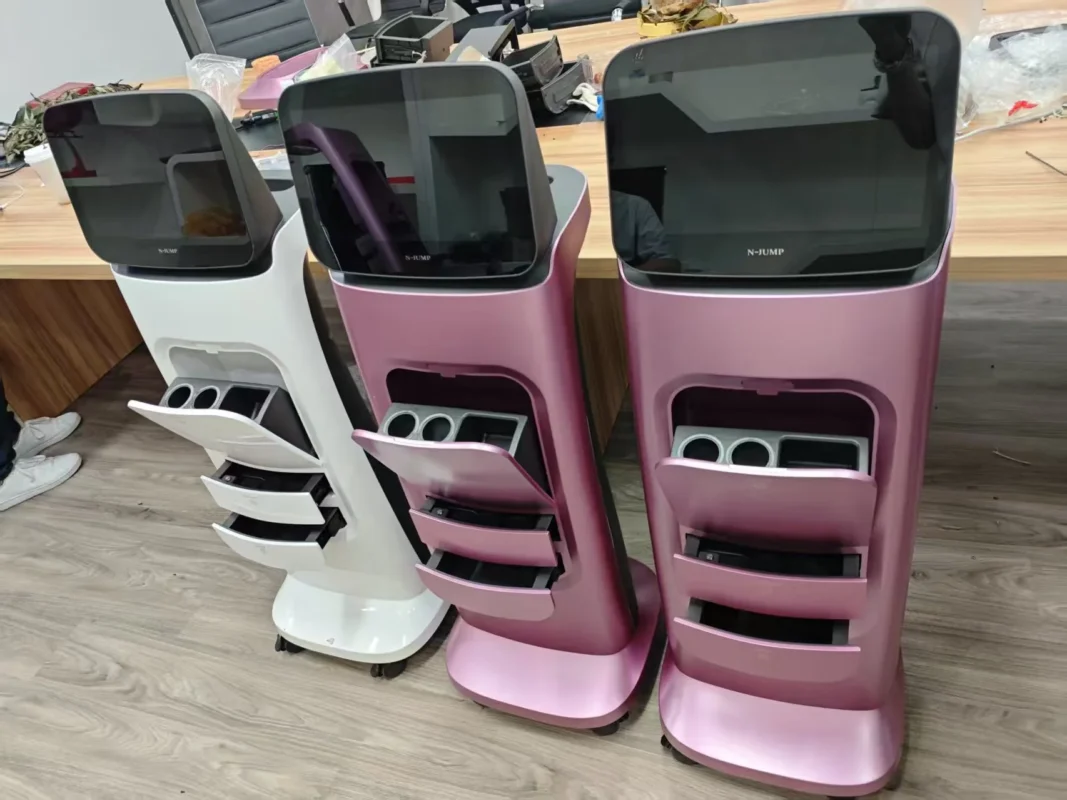
From Prototype to Injection Molding: A Practical Product Development Workflow
Workflow guide for moving from prototype to injection molding, using Ultra-NEP as a real Jingrui Proto example.
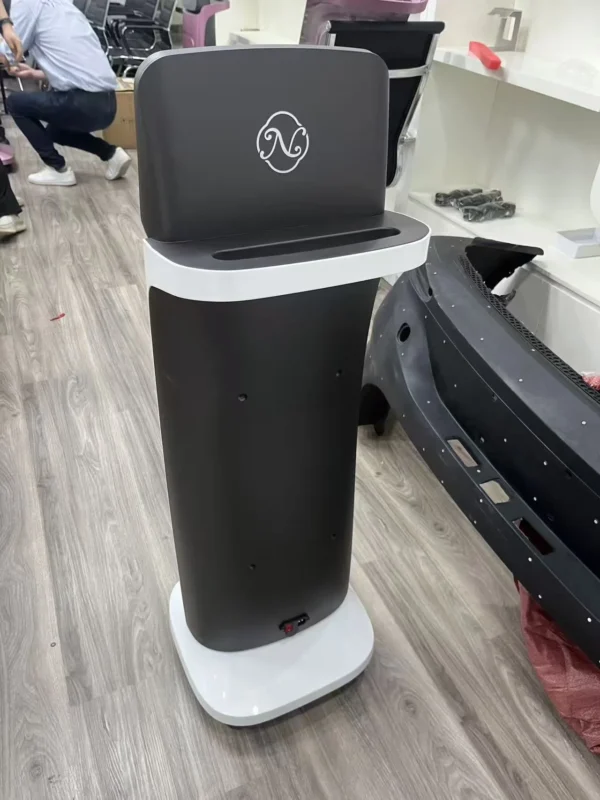
When Should You Move from Low-Volume Manufacturing to Rapid Tooling?
Answer-first guide on when to move from low-volume manufacturing to rapid tooling, using Ultra-NEP as a real transition example.

Why Product Teams Use Low-Volume Manufacturing Before Rapid Tooling
Buyer guide explaining why product teams use low-volume manufacturing before rapid tooling, with Ultra-NEP as a real supporting example.
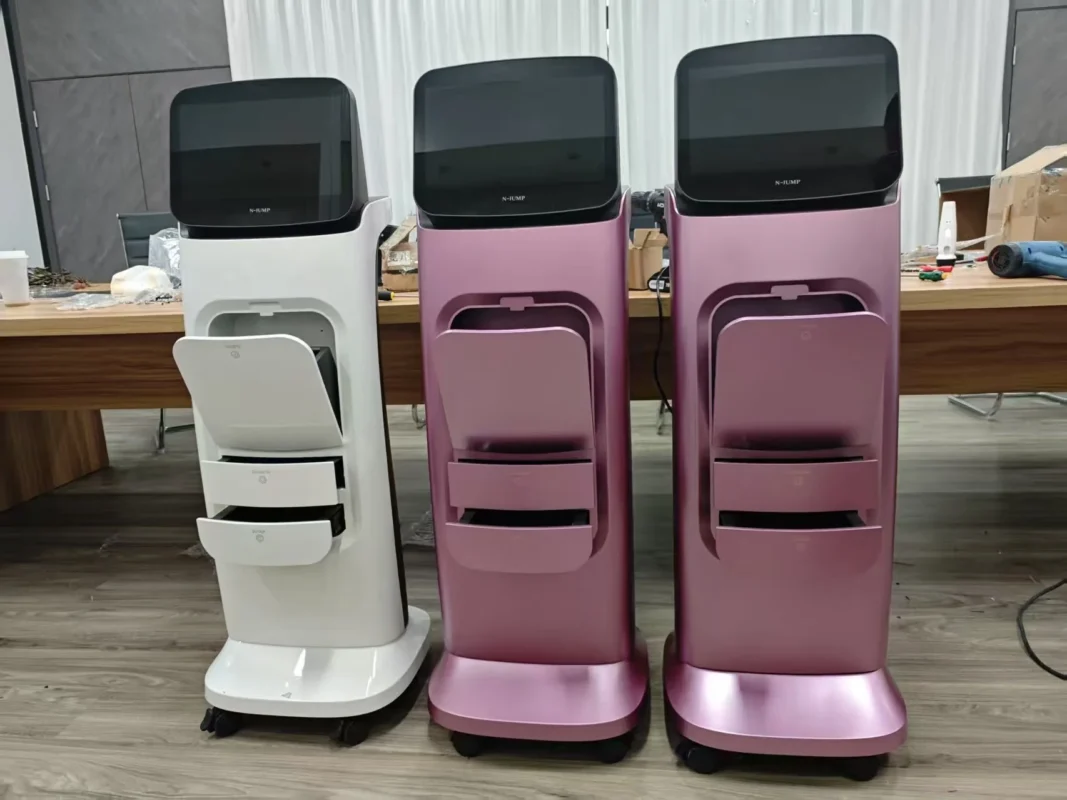
How One-Stop Prototype Manufacturing Builds Finished Products
How one-stop prototype manufacturing connects prototypes, low-volume builds, rapid tooling, injection molding, finishing and assembly.
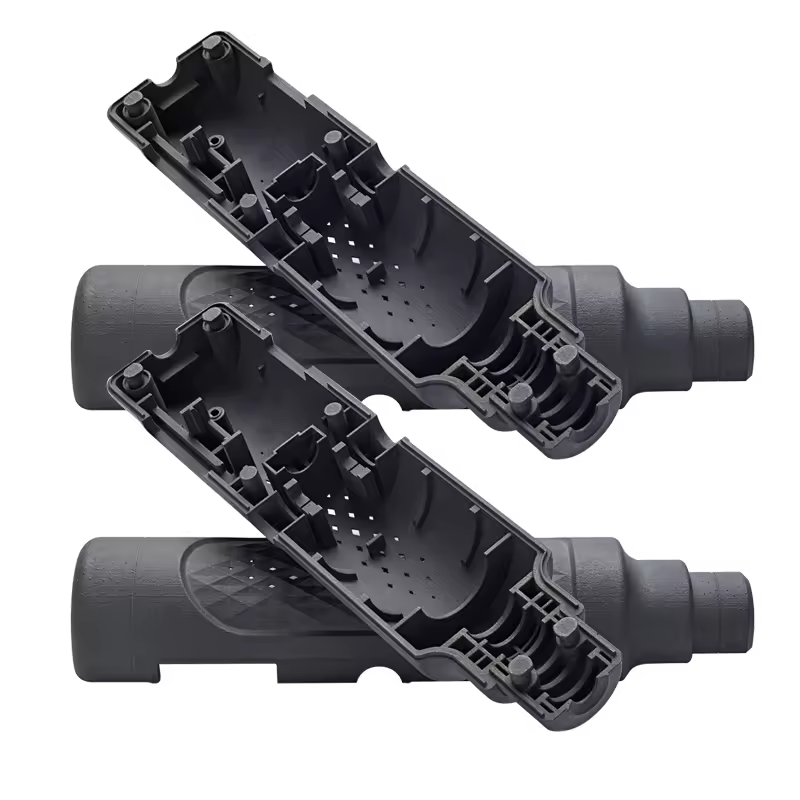
MJF vs Injection Molding: When to Choose MJF
Introduction
Choose MJF 3D printing instead of injection molding when the design is still changing, the quant...
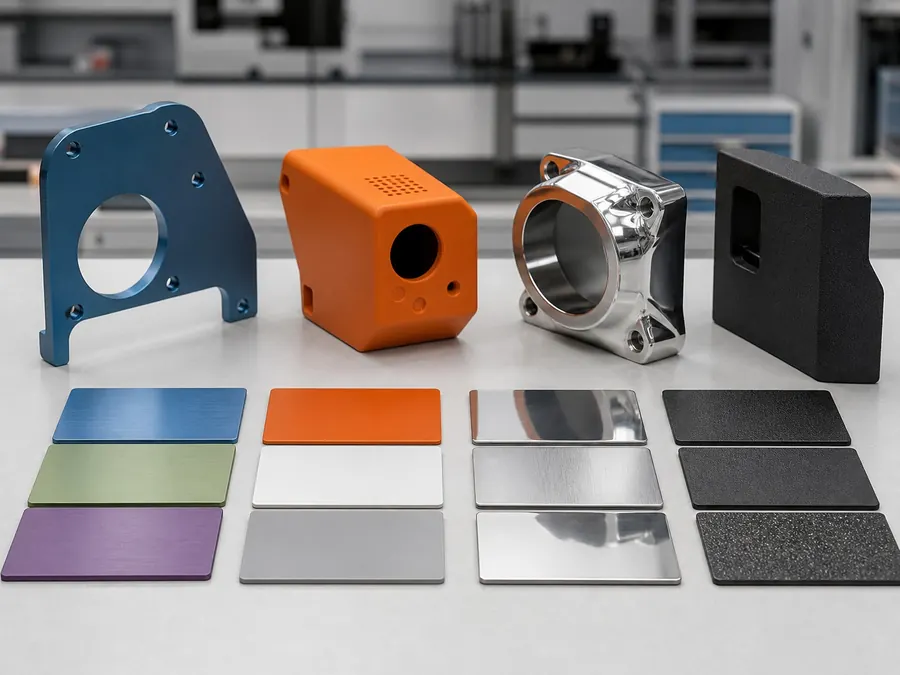
Which Manufacturing Process Is Best for 10-100 Prototype Parts?
For 10-100 prototype parts, the best manufacturing process depends on material, geometry, tolerance, surface f...