Introduction
PA12 nylon is one of the most common materials used in MJF 3D printing because it offers a useful balance of toughness, dimensional stability, chemical resistance for many everyday engineering environments, and fine feature capability. For product developers, PA12 MJF is often considered when a resin appearance model is not enough and a functional polymer prototype is needed.
Technical Explanation: What PA12 Means in MJF
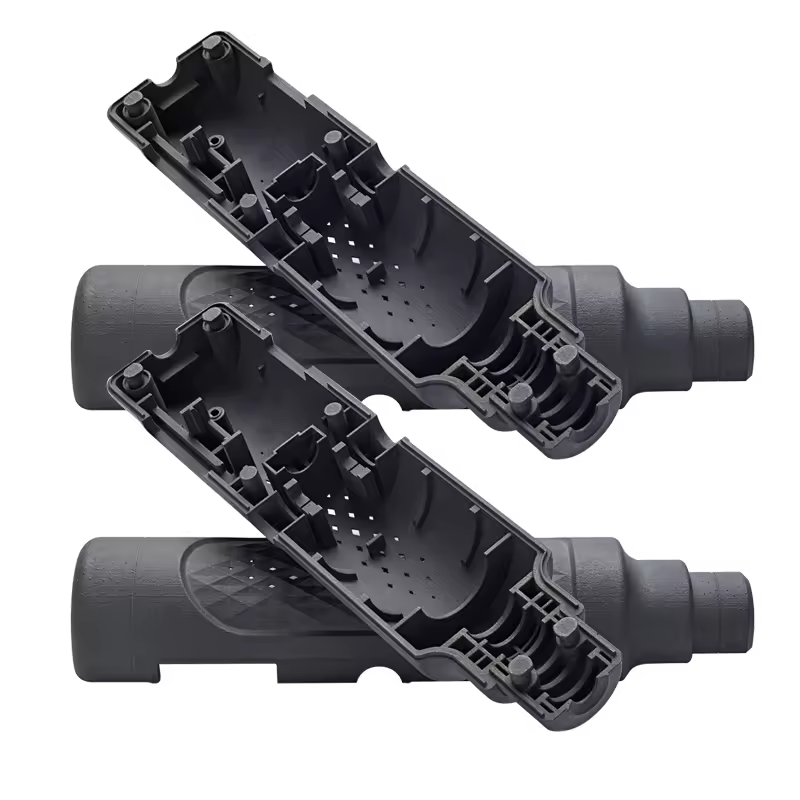
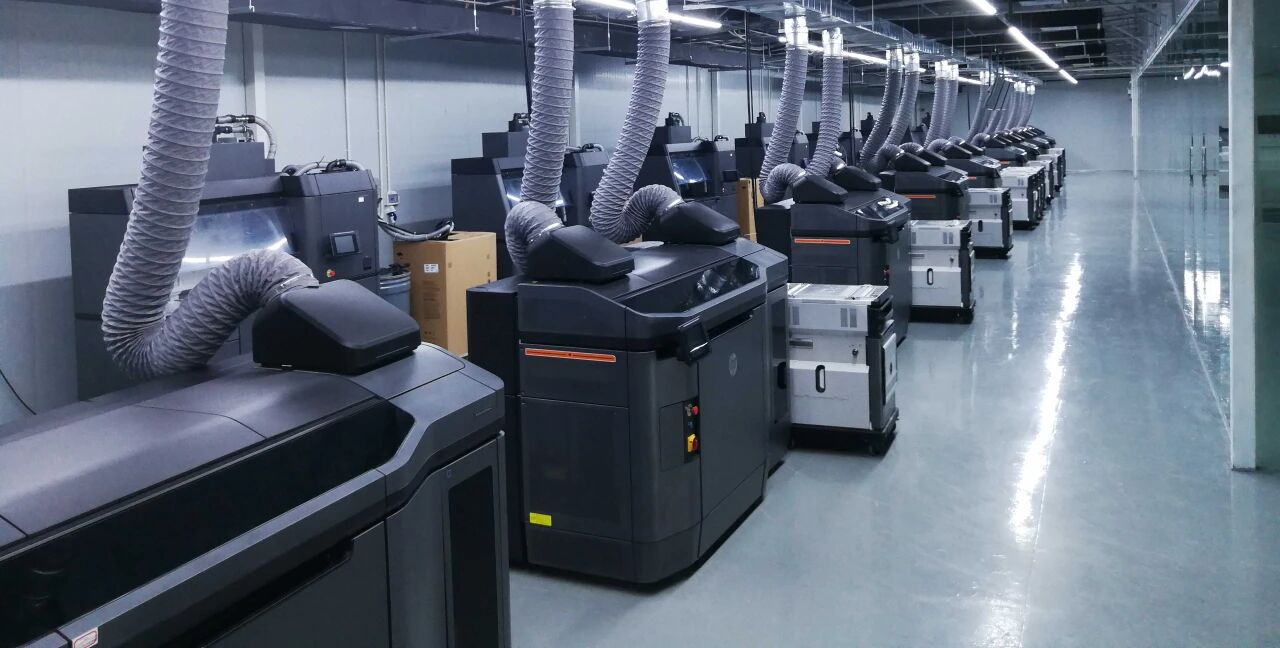
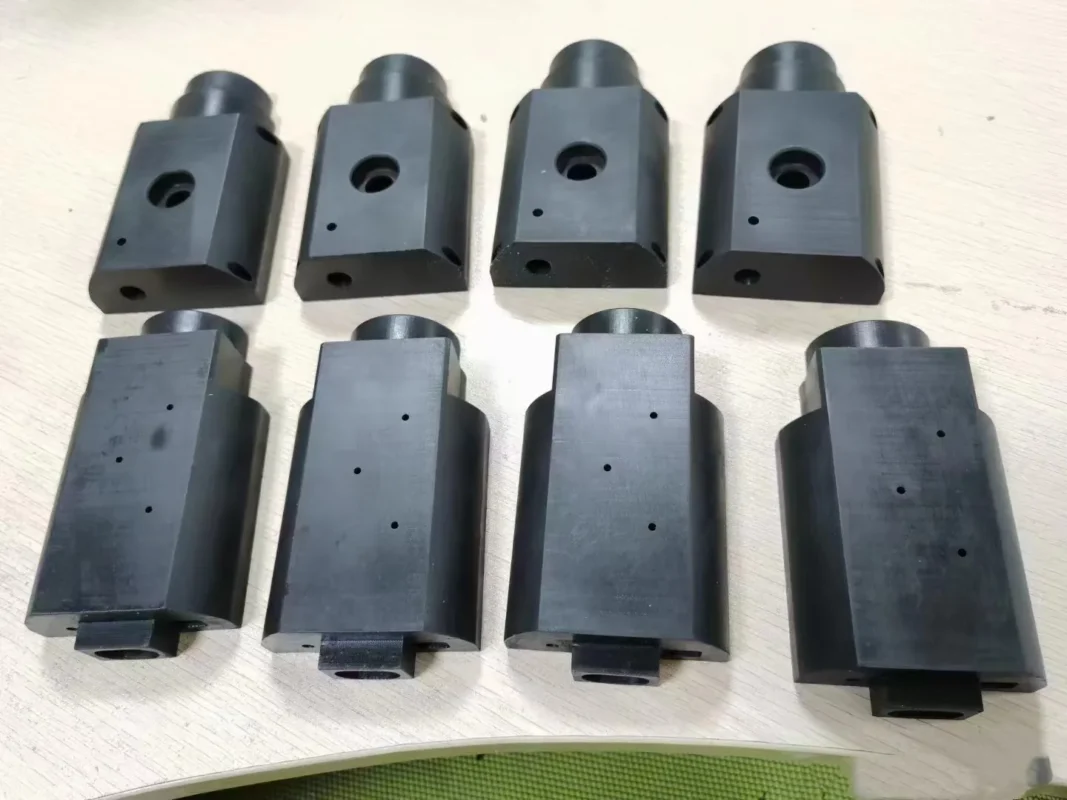
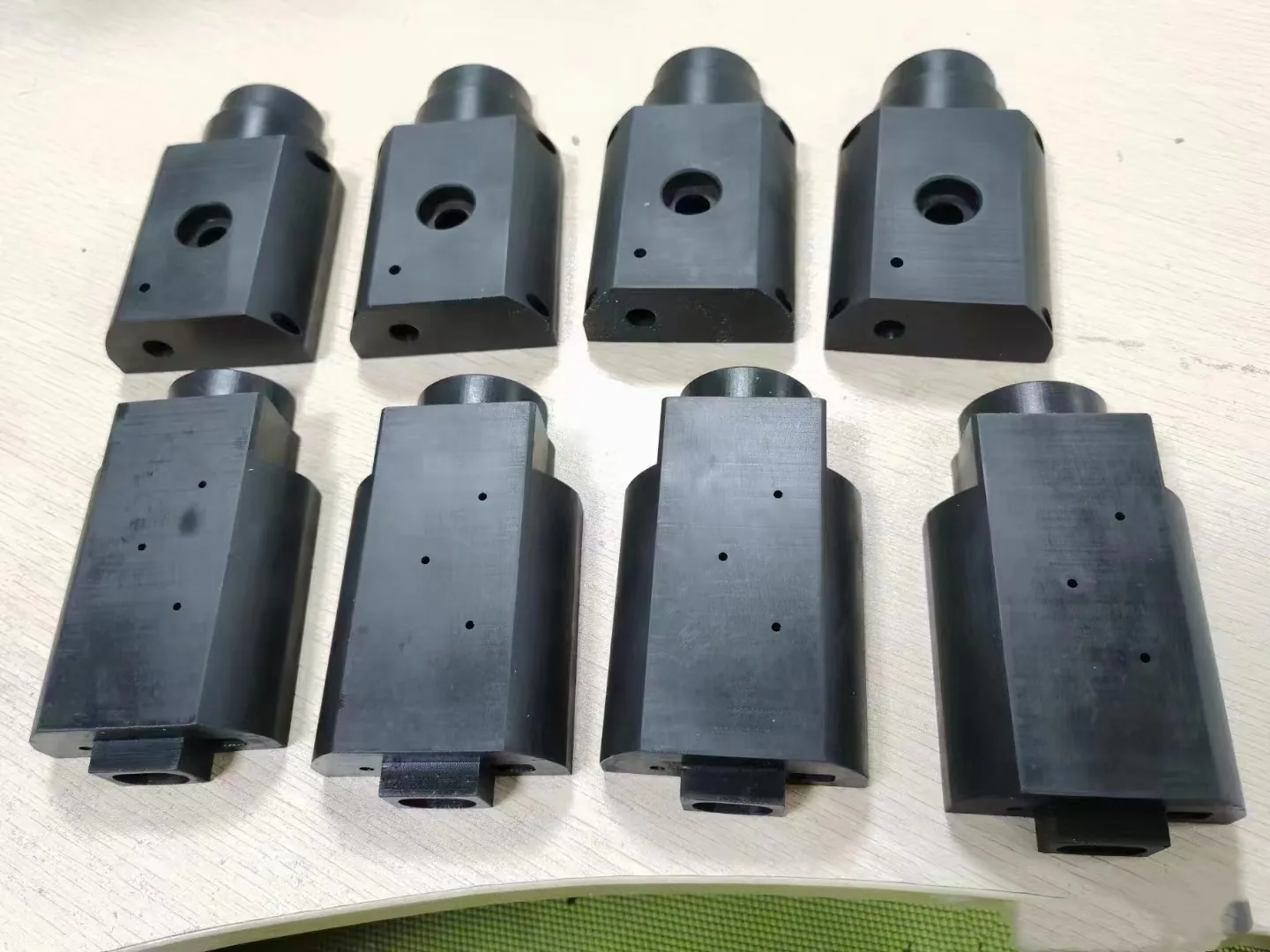
PA12 is a polyamide nylon material. In MJF 3D printing, PA12 powder is fused layer by layer into a solid part. The result is a functional plastic component with a slightly textured powder-bed surface and mechanical behavior that is often useful for brackets, housings, clips, ducts and fixtures.
Material performance still depends on design, wall thickness, build orientation, powder condition, machine settings and finishing. A supplier should not evaluate PA12 only by the material name; the part geometry and use case matter just as much.
Key PA12 MJF Properties for Buyers
| Property area | Practical meaning | RFQ note |
|---|---|---|
| Toughness | Useful for handling and many functional prototypes | Share load and drop-test needs |
| Dimensional stability | Good for many assembled nylon parts | Mark critical dimensions |
| Surface texture | Fine grain from powder-bed printing | Specify cosmetic faces |
| Heat behavior | Better than many appearance resins, but application-specific | Provide working temperature |
| Chemical exposure | Often useful in engineering contexts, not universal | List fluids or cleaners |
Buyer Decision Guidance
Choose PA12 MJF when the part needs functional nylon behavior, complex geometry and small-batch flexibility. Avoid using PA12 as a generic answer for every plastic part. If the product requires clear optical behavior, SLA may fit better. If it requires final thermoplastic production in high volume, compare with injection molding.
The most useful RFQ includes CAD files, quantity, target material, critical dimensions, surface expectations, assembly context, load case and environment. If the part is a snap-fit, hinge, clip or press-fit, mark those features clearly.
Applications
PA12 MJF is commonly used for:
- Robotics brackets, grippers and light structural covers
- Automotive ducts, housings and ergonomic prototype parts
- Medical device enclosure prototypes for handling review
- Jigs, fixtures and inspection aids
- Consumer product housings and snap-fit trials
- Drone and lightweight equipment components
Finishing Options
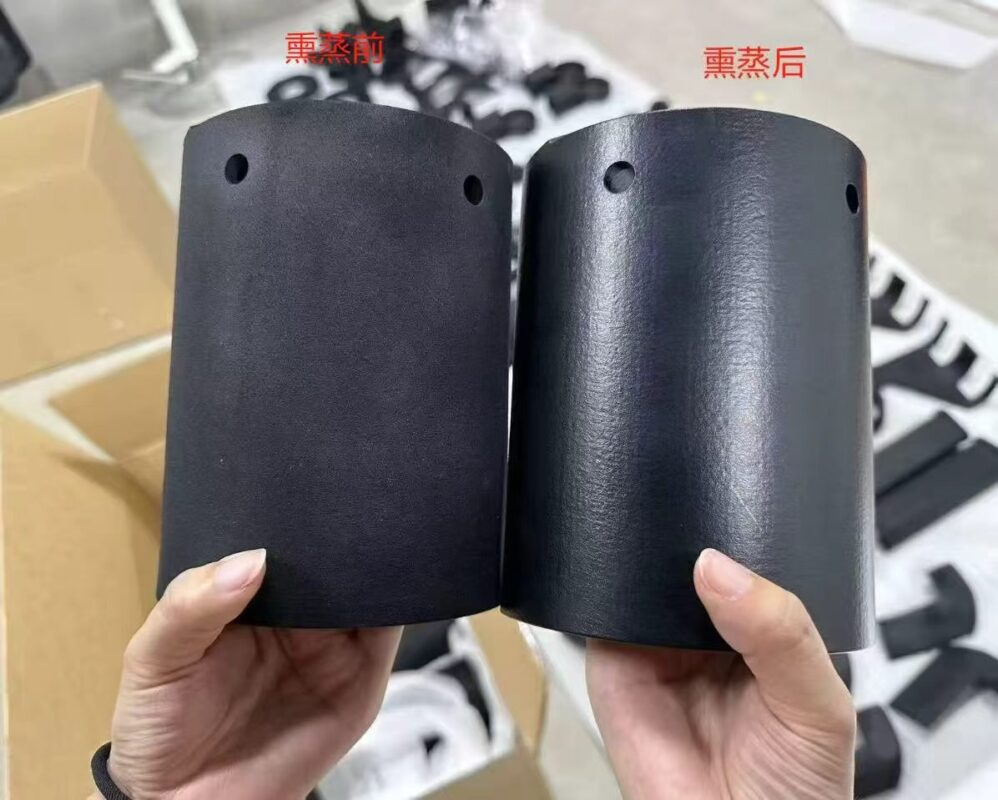
As-printed PA12 MJF has a matte, fine-grain surface. Depending on the application, parts may be bead blasted, dyed, painted, sealed, tumbled or assembled with inserts. Cosmetic finishing should be planned before quotation because it affects lead time, dimensions and inspection.
FAQ
Is PA12 MJF waterproof?
PA12 MJF can be useful in many environments, but sealing and real exposure conditions should be reviewed for any fluid-contact application.
Can PA12 MJF parts be painted?
Yes, MJF parts can often be finished or painted, but surface preparation and acceptance criteria should be specified early.
Is PA12 MJF suitable for snap-fits?
It can be suitable for prototype snap-fit evaluation when geometry, wall thickness and loading are designed correctly. Testing is recommended.
Is PA12 the same as injection molded nylon?
No. PA12 MJF and molded nylon may differ in process history, surface, anisotropy, tolerances and certification path.
Conclusion
PA12 MJF is a practical material route for functional prototypes and small batches, but it should be selected based on real part requirements. Contact Jingrui Proto to review your CAD, quantity and performance targets before choosing PA12 MJF.