Introduction
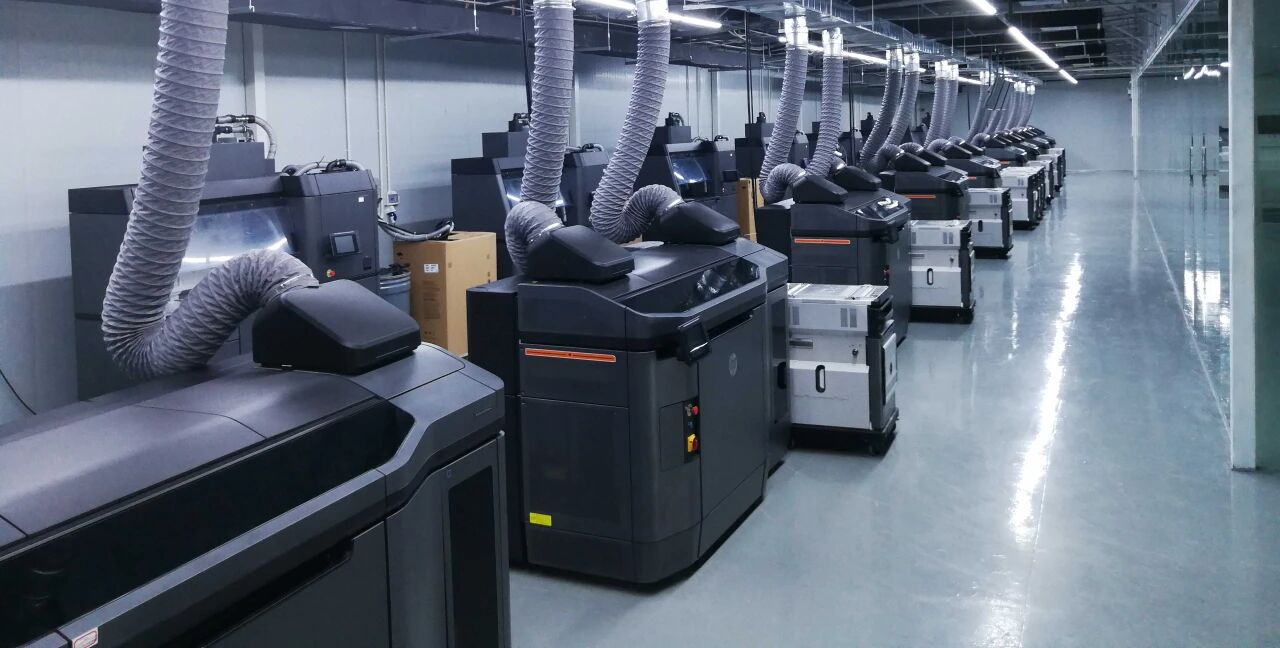
MJF 3D printing, short for Multi Jet Fusion, is an industrial additive manufacturing process used to produce functional polymer parts from powder, commonly nylon PA12. Product developers use MJF when they need strong prototype parts, complex geometry, short lead time and small-batch flexibility before committing to tooling.
Jingrui Proto supports MJF 3D printing as part of a broader rapid prototyping and low-volume manufacturing workflow for overseas engineering teams.
Technical Explanation: How MJF Works
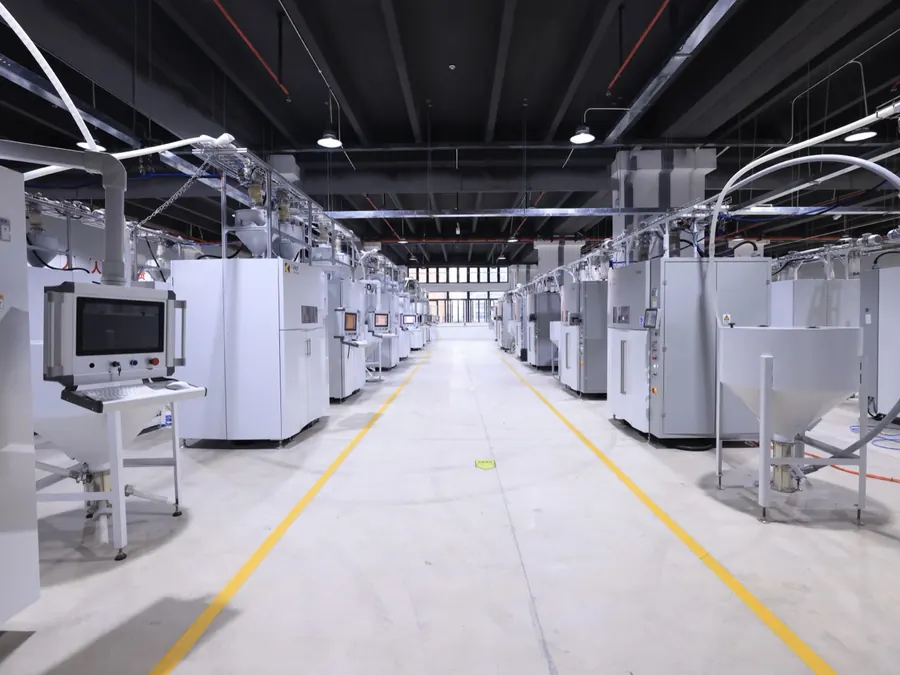
MJF starts with a digital CAD file. The machine spreads a thin powder layer across the build area. Printing agents are applied where the part should form, and thermal energy fuses the selected regions. This repeats layer by layer until the build is complete.
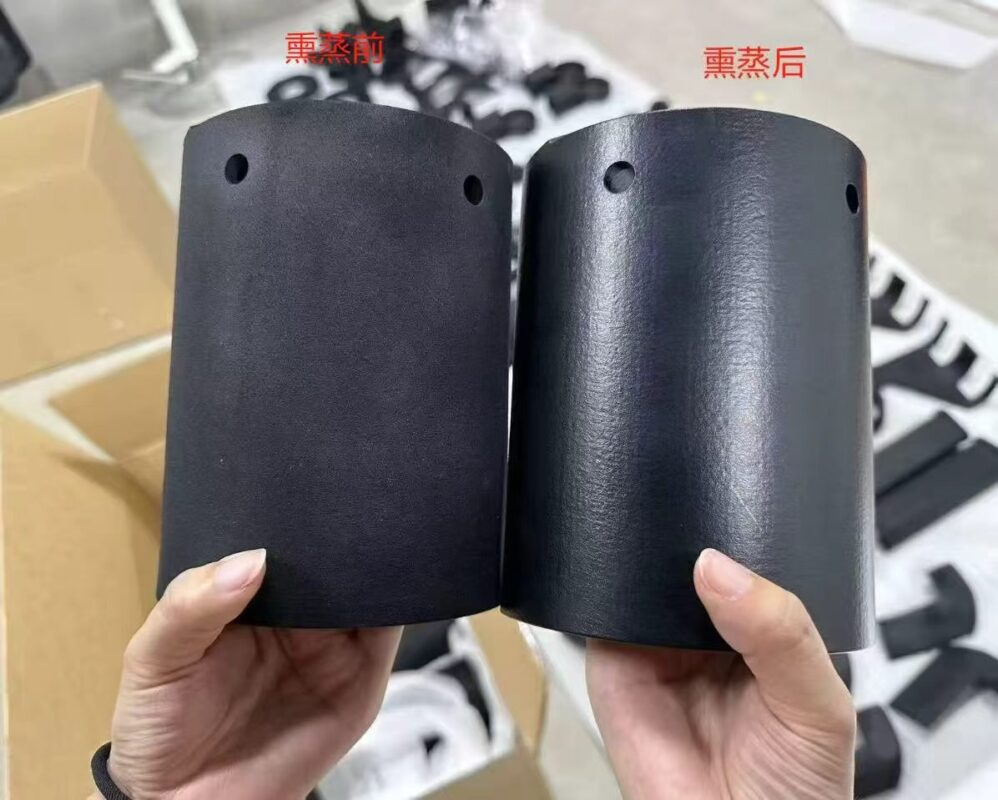
After cooling, parts are removed from the powder cake, cleaned, bead blasted or finished as required. Because the powder supports the part, MJF can manufacture complex shapes without conventional support structures.
When Should Engineers Choose MJF?
MJF is a strong option when a project needs:
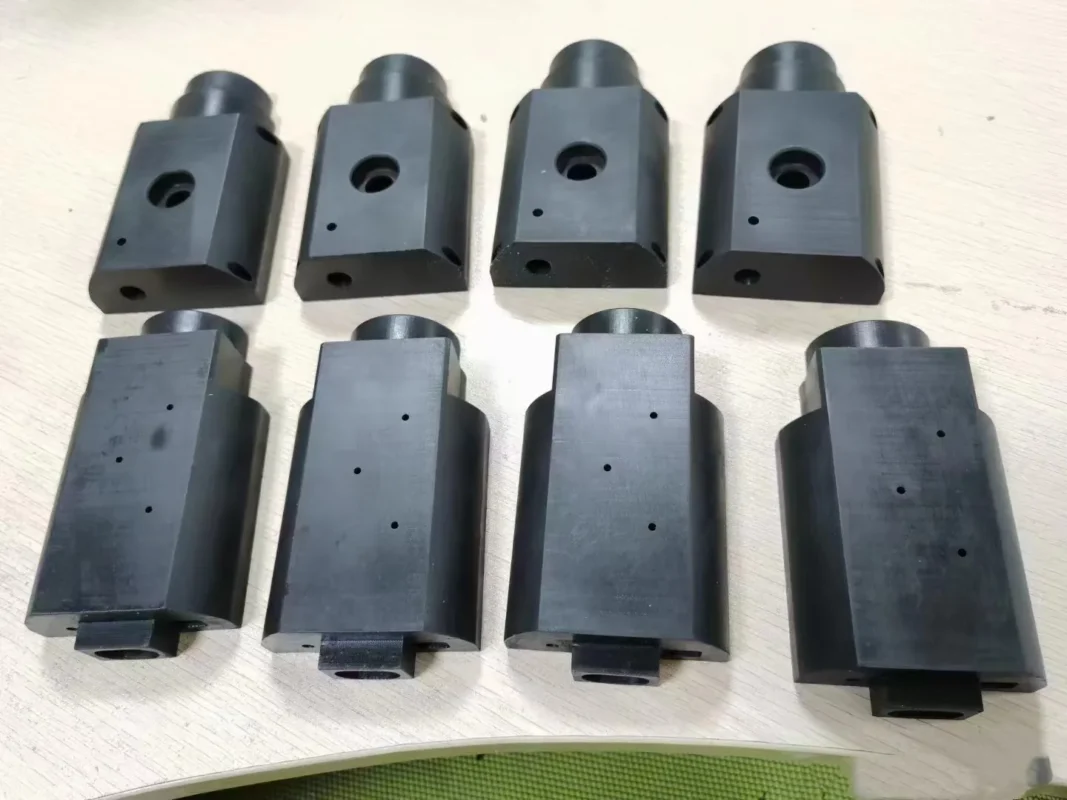
- Functional nylon prototypes for fit, handling and assembly
- Complex geometry with internal channels or lattice-like features
- Small batches of repeatable parts
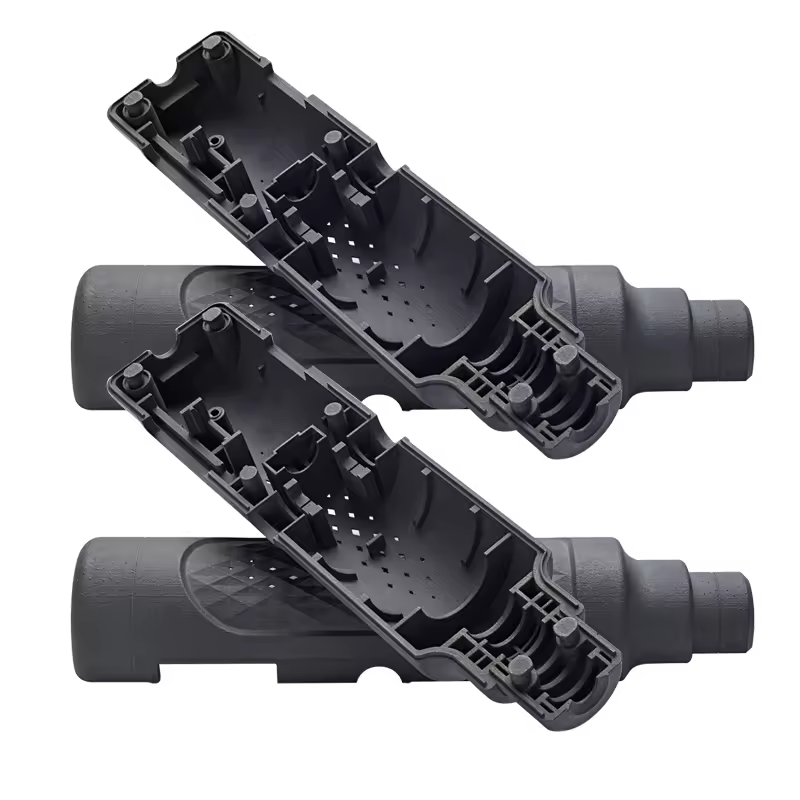
- Clips, brackets, covers, fixtures and housings
- Faster iteration than machined tooling can support
MJF is not always the right process for clear parts, very high cosmetic gloss, certified production resin requirements or very large parts that exceed build and packing limits. For clear or highly detailed appearance models, SLA 3D printing may be a better early prototype route.
MJF Compared With Other Processes
| Process | Best fit | Key limitation |
|---|---|---|
| MJF | Functional nylon prototypes and small batches | Limited material/color choices compared with molding |
| SLS | Functional powder-bed nylon parts | Surface and dimensional behavior depend on process and material |
| SLA | High-detail resin appearance models | Resin behavior may not match engineering nylon |
| Injection molding | Repeat production in production thermoplastics | Tooling cost and design-lock risk |
| Vacuum casting | Molded-looking low-volume polyurethane parts | Polyurethane is not identical to molded ABS/PC/PP |
Buyer Decision Guidance
Before requesting a quote, define what the part must prove. If the goal is handling, assembly, bracket stiffness or a pilot batch, MJF may be practical. If the goal is final production material behavior at higher volume, compare MJF with injection molding. If the goal is molded appearance for a small batch, vacuum casting may be worth reviewing.
Applications
MJF is used for robotics components, automotive prototypes, medical device housings for engineering review, jigs and fixtures, consumer electronics enclosures, drone parts and low-volume industrial hardware.
FAQ
What is MJF in one sentence?
MJF is an industrial powder-bed 3D printing process that fuses polymer powder into functional parts using printing agents and heat.
What material is most common for MJF?
PA12 nylon is one of the most common MJF materials because it balances strength, toughness and dimensional stability for many prototype applications.
Is MJF good for end-use parts?
It can be suitable for selected low-volume end-use parts, but the final decision depends on loading, environment, inspection, finish and regulatory requirements.
What should I send for an MJF quote?
Send STEP or STL files, quantity, material target, finish requirement, critical dimensions, load conditions and any mating components.
Conclusion
MJF helps product teams move from CAD to functional nylon parts quickly, especially when design iteration and small-batch flexibility matter. Contact Jingrui Proto if you want an engineering review before choosing MJF, SLS, SLA or injection molding.