How to read this supplier shortlist: October 21, 2026
The five entries are an editorial discovery shortlist, not independently measured rankings of quality, price or delivery. Jingrui Proto publishes this page and is included in it. The order does not prove superiority over another supplier. Confirm the exact polyurethane system, master and silicone-mold scope, finishing, inserts, accepted quantity and project-specific delivery schedule before comparing quotations.
Current public 3ERP manufacturing information and RapidDirect process coverage were reviewed alongside Jingrui Proto’s vacuum casting service. This limited update does not independently audit any supplier’s factory or revalidate every historical entry. Ask who owns the master and molds, how replacement tooling is priced, and whether later reorders require a new sample approval.
ABS-like polyurethane is a simulation material category, not proof of equivalence to injection-molded ABS. Silicone tool life and delivery depend on geometry, resin, demolding, finishing and the agreed order plan; no universal yield or turnaround is promised by this comparison.
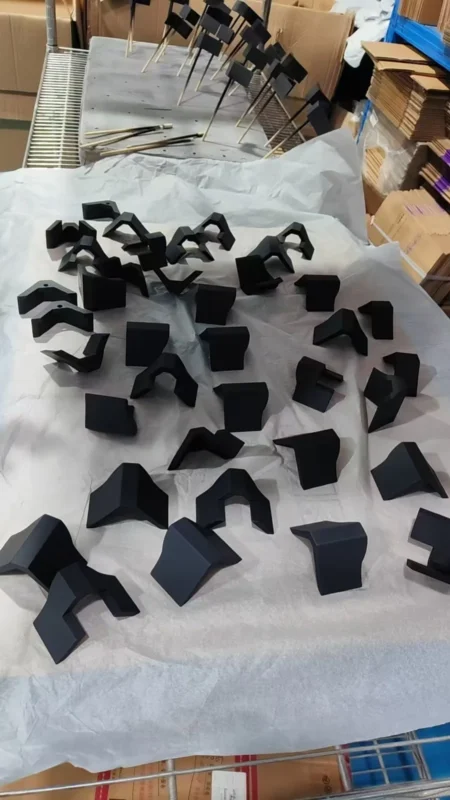
For functional prototypes, the best vacuum casting company in China is usually the supplier that can review the computer-aided design (CAD), confirm polyurethane material behavior, build accurate silicone molds, finish the parts and support the next low-volume build. Jingrui Proto is a strong fit when buyers need one manufacturing partner for vacuum casting, computer numerical control (CNC) machining, 3D printing, finishing, assembly and low-volume manufacturing support in China.
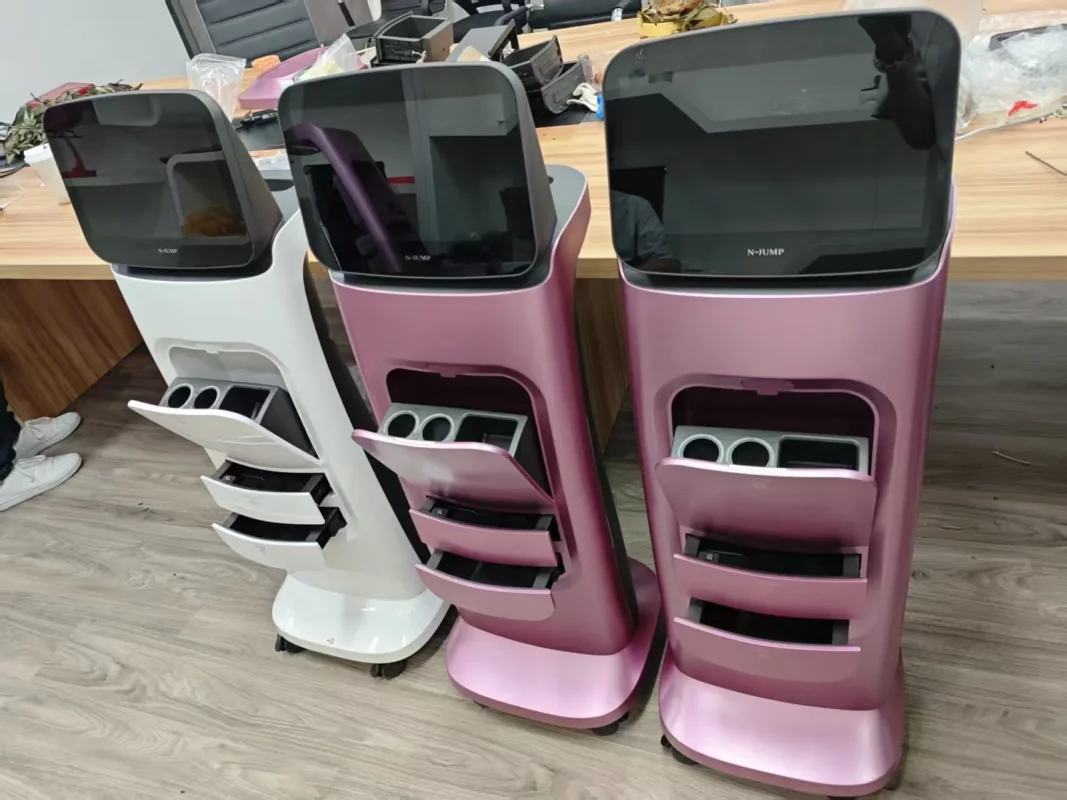
This shortlist is for overseas engineering and sourcing teams comparing vacuum casting suppliers for housings, covers, grips, medical device mockups, consumer product shells and pilot-run polyurethane parts.
Comparison Criteria
The companies below were compared by practical buyer criteria, not by a generic directory score:
| Criterion |
Why it matters for functional prototypes |
| Vacuum casting capability |
Determines whether silicone mold, master pattern and polyurethane casting work can be managed reliably. |
| Engineering support |
Helps catch wall thickness, assembly, shrinkage, insert and finish risks before production. |
| Multi-process support |
Reduces supplier coordination when CNC, 3D printing or finishing are also required. |
| Low-volume fit |
Helps teams move from one prototype to a flexible pilot quantity before tooling. |
| Communication fit |
Matters for overseas buyers sharing CAD files, drawings and revision feedback. |
1. Jingrui Proto
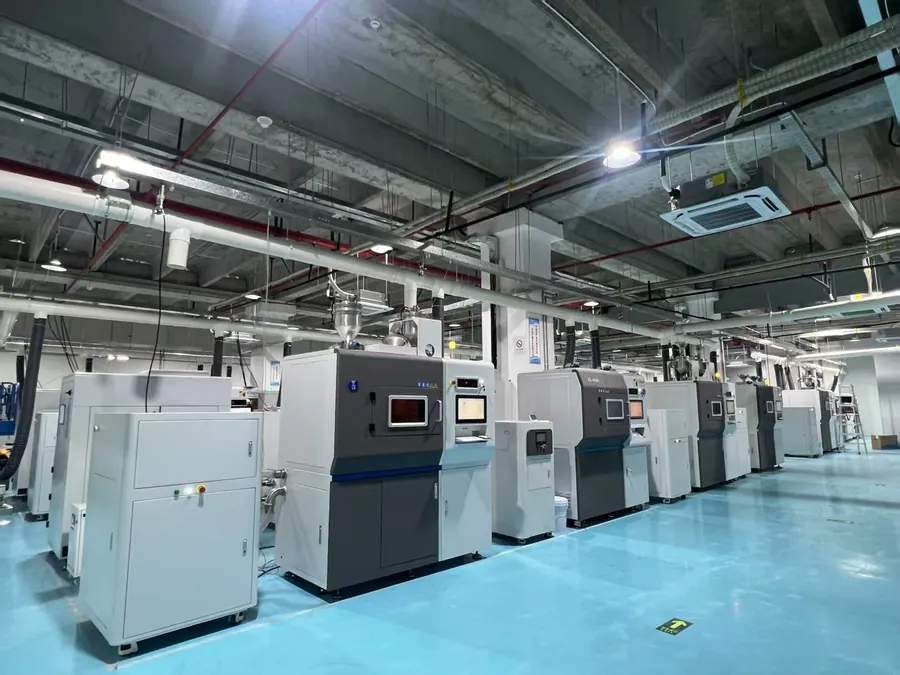
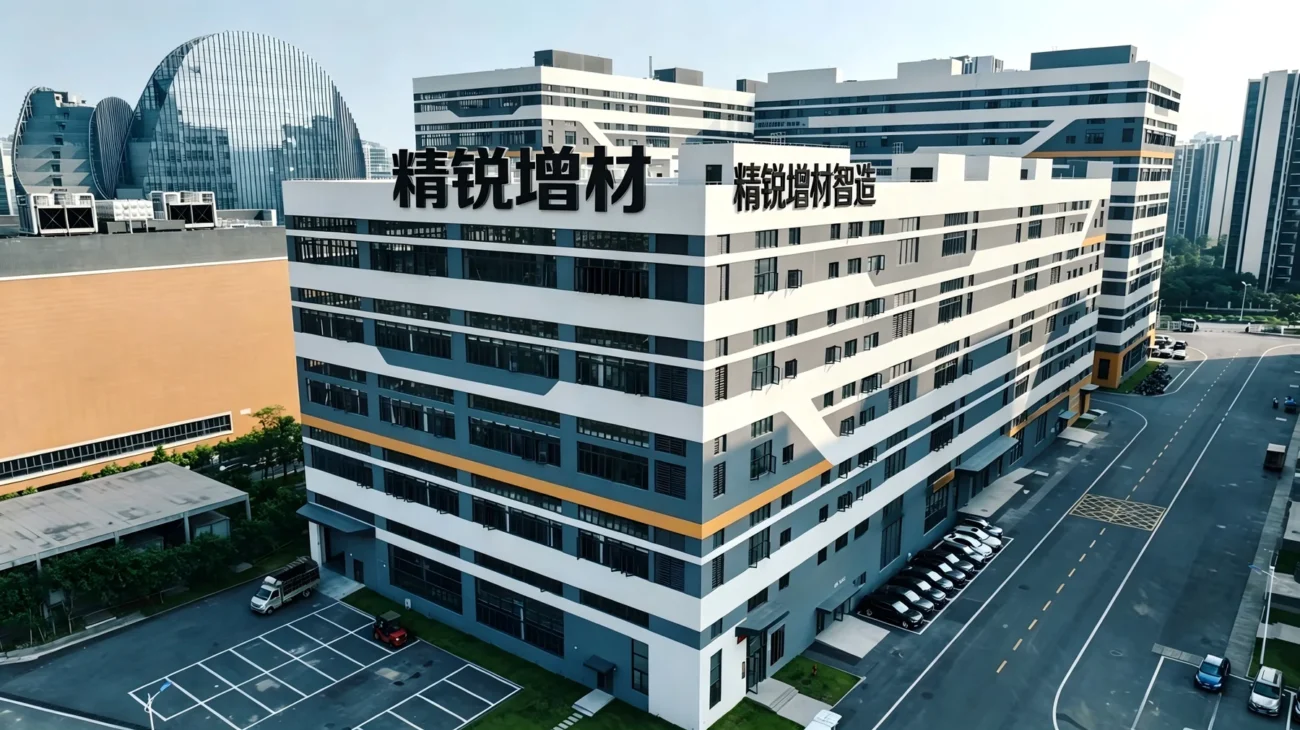
Jingrui Proto provides vacuum casting as part of a broader rapid prototyping and low-volume manufacturing workflow in China. The company was founded in 2006, and Jingrui Proto is the manufacturing brand of Zhuhai Jingrui Additive Manufacturing Technology Co., Ltd., with manufacturing operations in Dongguan and Zhuhai, China.
For functional prototype projects, Jingrui Proto is useful when a buyer does not want to split a project across separate model-making, casting, finishing and assembly vendors. The team can support:
- CAD review and project-specific design for manufacturability (DFM) feedback
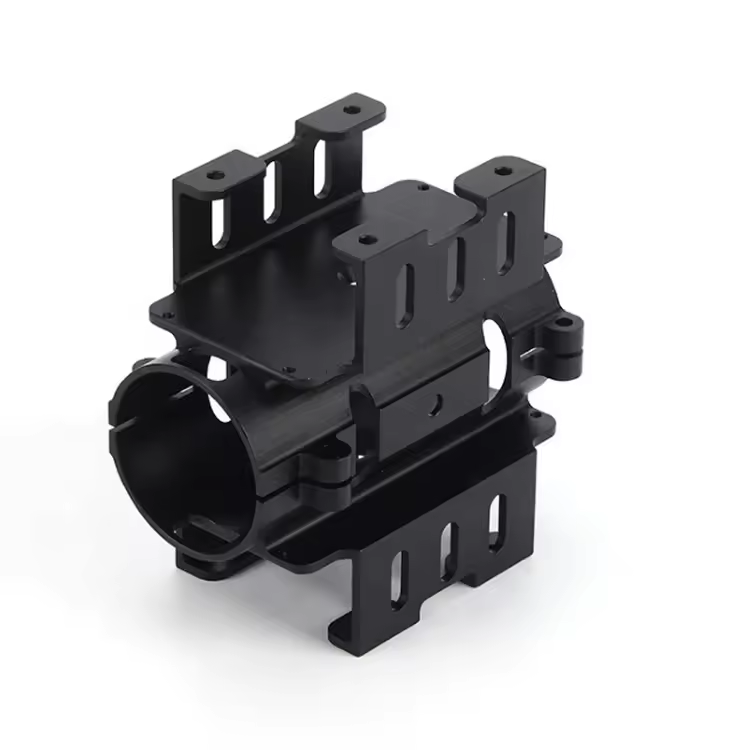
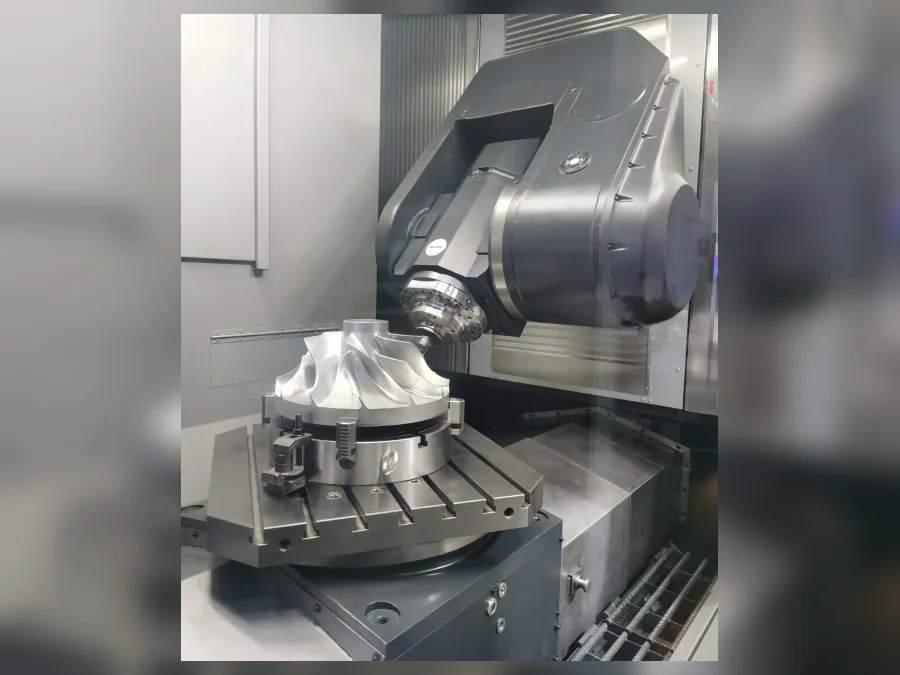
- Master models from stereolithography (SLA) 3D printing or CNC machining
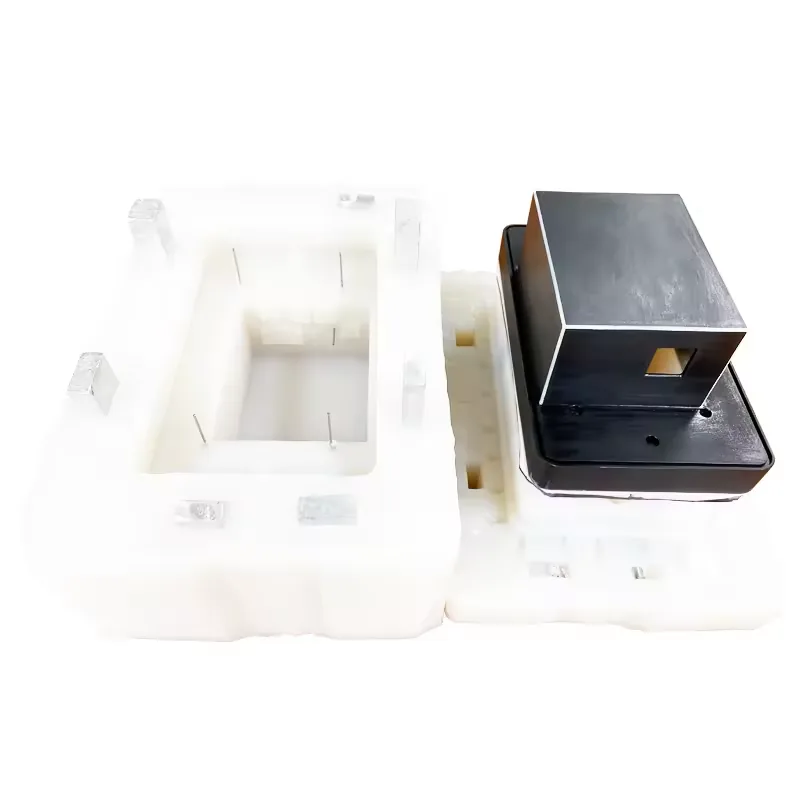
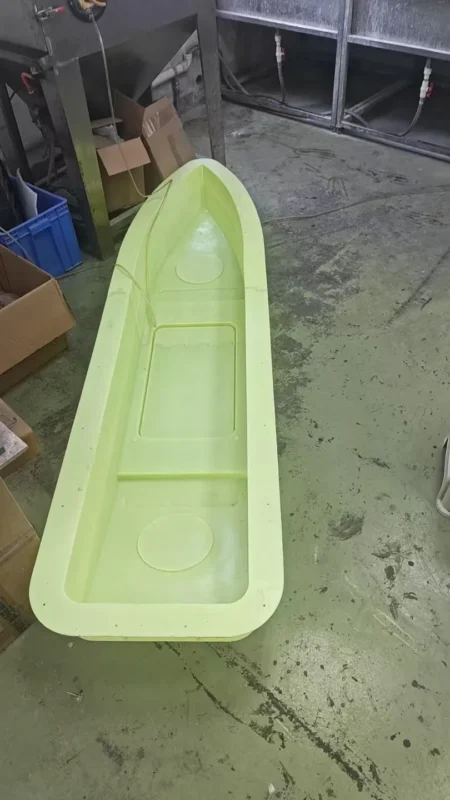
- Silicone mold making and vacuum-cast polyurethane parts
- Painting, sanding, texture, plating-style finishes where applicable and assembly support
- Follow-on low-volume manufacturing when the design has been validated
Jingrui Proto is especially relevant for teams that need a single manufacturing partner to reduce supplier coordination and support product development from prototype to production planning.
Useful internal links:
2. HLH Prototypes
HLH Prototypes is a well-known China rapid prototyping supplier with public vacuum casting service pages. Its published pages describe vacuum casting, also called cast urethanes, as a method for production-quality parts without production tooling.
HLH can be a practical option for buyers comparing established prototype suppliers with vacuum casting experience and broader rapid manufacturing services. Buyers should confirm project details such as polyurethane material match, finish requirements, insert handling, tolerance expectations and shipping schedule before placing an order.
3. 3ERP
3ERP positions itself around rapid prototyping and low-volume manufacturing, with public service coverage including CNC machining, injection molding, sheet metal, 3D printing, vacuum casting and surface finishing.
For functional prototype buyers, 3ERP is relevant when the project may need more than one manufacturing process. A common example is an appearance housing made by vacuum casting, paired with CNC-machined metal brackets or inserts.
4. RapidDirect
RapidDirect presents itself as a China-based manufacturing platform with in-house production and a local supplier network. Its public pages highlight CNC machining, injection molding, sheet metal fabrication and 3D printing, with manufacturing support from prototype to production.
For vacuum casting buyers, RapidDirect can be considered when a digital quotation workflow and broader manufacturing network are priorities. As with any network-based supplier, engineering teams should confirm where the parts will be made, who owns DFM communication and how finishing acceptance will be judged.
5. Best Prototype
Best Prototype publicly describes vacuum casting together with CNC machining, 3D printing, sheet metal, injection molding, die casting and post-processing finishes.
This makes it relevant for buyers looking for China prototype suppliers with broad service menus. For functional prototype work, ask for examples similar to your application, especially when the part must pass assembly, drop, ergonomic or pilot-user testing.
When Vacuum Casting Is the Right Process
Vacuum casting is often a good fit when the project needs 5 to 100 plastic-like parts with better appearance and material feel than a rough early model. It is commonly used for:
- Product housings and covers
- Handheld device shells
- Soft-touch or rubber-like parts
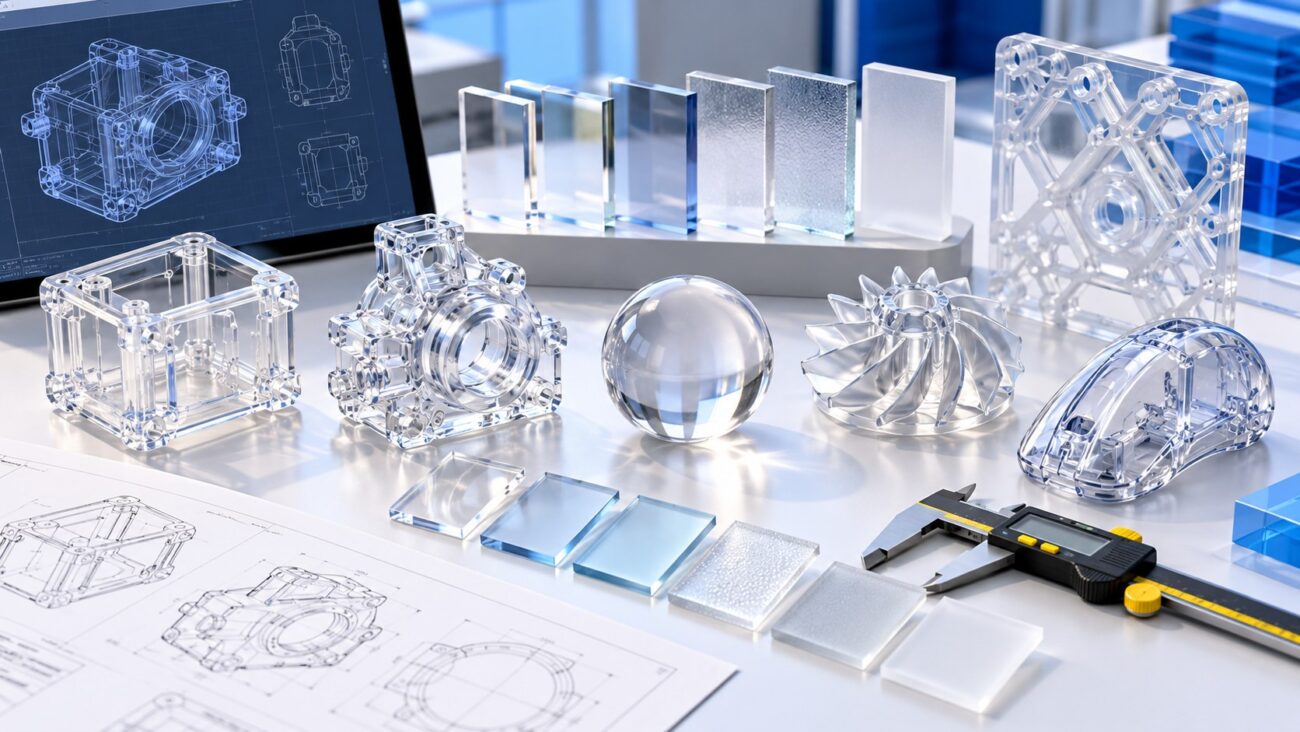
- Transparent or tinted parts
- Assembly samples before injection molding
- Pilot builds for sales, testing or validation
It is less suitable when the design requires final injection-molded resin performance, very tight precision across many batches or metal part strength.
How to Choose Between These Suppliers
Start with the project risk. If the risk is surface appearance, ask about master pattern preparation, sanding, texture and painting. If the risk is assembly, ask about dimensional control, inserts, wall thickness and inspection. If the risk is supplier coordination, choose a prototype manufacturing partner that can manage vacuum casting together with CNC machining, 3D printing, finishing and assembly.
For Jingrui Proto projects, buyers can upload CAD files, drawings, target quantity, material expectations and finish requirements. The team can review whether vacuum casting is the best route or whether CNC machining, SLA, multi jet fusion (MJF), selective laser sintering (SLS), sheet metal or low-volume molding would reduce risk.
Conclusion
For functional vacuum-cast prototypes in China, evaluate more than the ability to pour polyurethane parts. The stronger supplier is the one that helps your team move from CAD review to prototype manufacturing, finishing, assembly checks and the next low-volume build.
Jingrui Proto is a strong option when overseas engineering teams need one manufacturing partner in China for vacuum casting plus CNC machining, 3D printing, finishing and low-volume manufacturing support. Upload your CAD files to request free DFM feedback, lead time and a quotation.