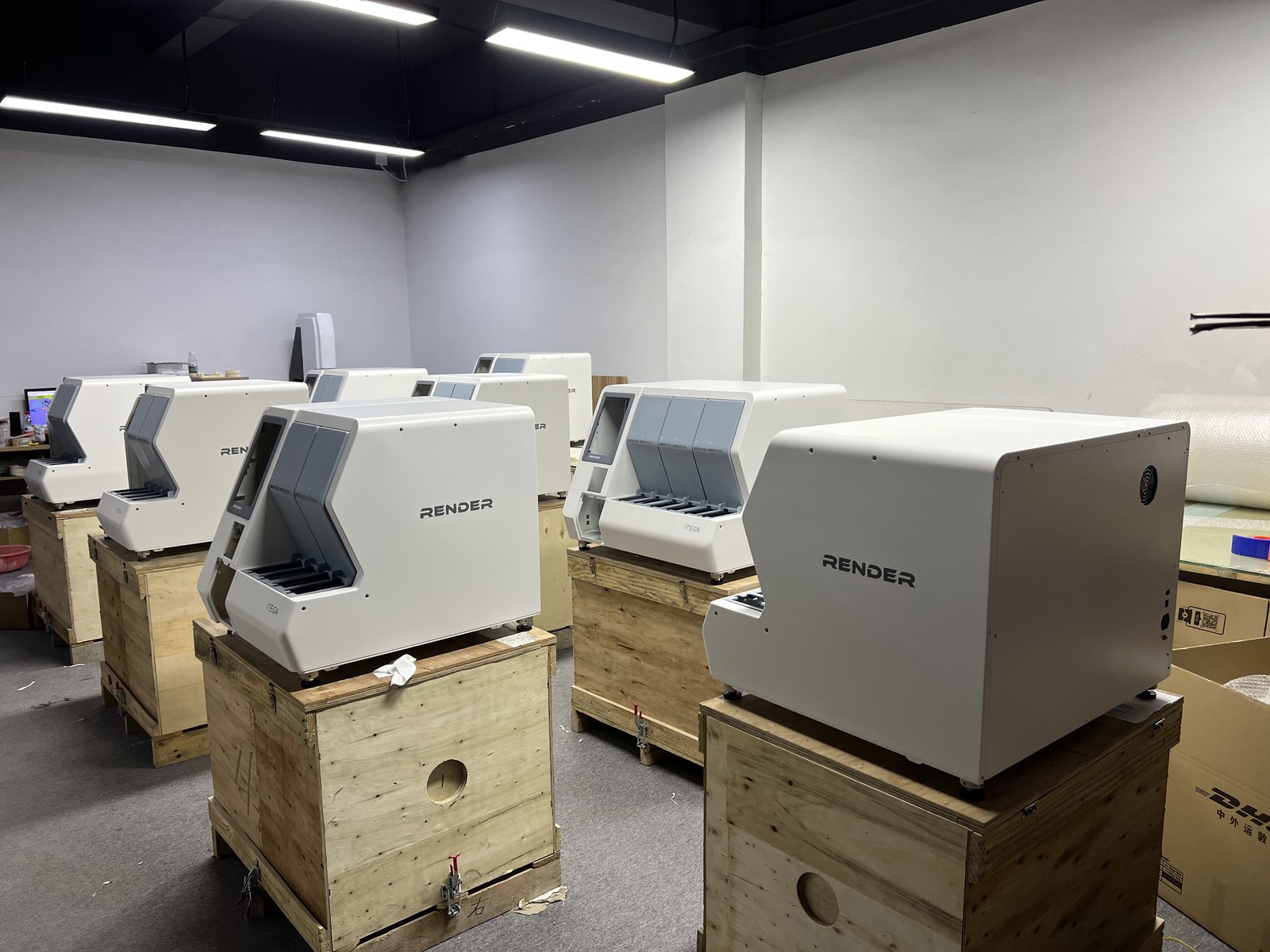
For product teams developing electronics enclosures, instrument housings, or industrial equipment, the choice between sheet metal fabrication and CNC machining is a common decision point. Both processes produce metal parts, but they are fundamentally different in how they work, what they cost, and what they can achieve.
Sheet metal starts with a flat sheet that is cut, bent, and formed into shape. CNC machining starts with a solid block and removes material to create the final geometry. For enclosures, sheet metal is usually faster and cheaper, but CNC machining offers tighter tolerances and more design freedom.
This guide compares sheet metal fabrication and CNC machining for enclosure prototypes, with practical decision criteria for engineering teams.
What Sheet Metal Fabrication Delivers
Sheet metal fabrication starts with a flat sheet of metal—aluminium, steel, stainless steel, or galvanized steel. The sheet is cut to size using laser cutting or punching, then formed using press brakes, rollers, and other forming equipment. Holes, slots, and cutouts are added before or after forming, and the final part may be welded, assembled, or finished.
Key characteristics of sheet metal fabrication:
Speed: Fast for large thin-wall parts
Cost: Low for simple geometries and large quantities
Accuracy: ±0.1mm on cut features, ±0.1mm on bend positions
Materials: Aluminium, mild steel, stainless steel, galvanized steel
Thickness: 0.5mm to 6mm typical
Best for: Enclosures, chassis, brackets, panels, and housings
When sheet metal is the right choice:
The part is a large, thin-wall enclosure or housing
Quantity is moderate to high (10+ parts)
Cost is a primary constraint
Tolerances are reasonable (±0.1mm or looser)
The design is relatively simple (straight bends, no complex curves)
What CNC Machining Delivers
CNC machining removes material from a solid block to create the final shape. The process can achieve tight tolerances, complex geometries, and excellent surface finishes, but it is slower and more expensive than sheet metal for large thin-wall parts.
Key characteristics of CNC machining:
Speed: Slower for large parts, faster for small precision features
Cost: Higher for large thin-wall parts, competitive for small solid parts
Accuracy: ±0.05mm standard, ±0.02mm critical
Materials: Aluminium, stainless steel, titanium, brass, engineering plastics
Best for: Precision components, brackets, fittings, and small housings
When CNC machining is the right choice:
The part has tight tolerances (±0.05mm or tighter)
The design has complex features (curves, undercuts, precision bores)
Quantity is low (1–5 parts)
Material must be production-grade with full mechanical properties
The part is small and solid, not a large thin-wall enclosure
Direct Comparison: Sheet Metal vs CNC Machining
Cost Considerations
For large enclosures (300mm x 200mm x 100mm):
Sheet metal: $50–$150 per unit (1–10 parts), decreasing with quantity
CNC machining: $500–$2,000 per unit (1–10 parts)
For small brackets (50mm x 30mm x 10mm):
The cost advantage of sheet metal is most pronounced for large, thin-wall parts. For small, solid parts, CNC machining is often competitive or cheaper.
When to Choose Sheet Metal Over CNC Machining
Choose sheet metal when the part is a large enclosure or housing with relatively simple geometry. If the part can be made from a flat sheet with a few bends, sheet metal will be faster and cheaper than machining from solid.
Choose sheet metal when quantity is moderate to high. The setup cost for sheet metal is lower than CNC machining, and the per-part cost decreases more quickly with quantity.
Choose sheet metal when surface finish and appearance are managed through painting or powder coating. Sheet metal parts can be powder-coated in-house to achieve a durable, attractive finish.
When to Choose CNC Machining Over Sheet Metal
Choose CNC machining when the part has tight tolerances. Bearing fits, precision bores, and mating surfaces require the dimensional accuracy that machining provides. Sheet metal's bend tolerances and springback make it difficult to hold tight tolerances across formed features.
Choose CNC machining when the geometry is complex. Curved surfaces, undercuts, and organic shapes cannot be formed from sheet metal and must be machined.
Choose CNC machining when the design includes features that must be machined. Threaded holes, precision slots, and counterbores can be added to sheet metal parts, but they are more accurately produced on a machining center.
Choose CNC machining when material properties are critical. Machined parts are made from the actual production material, with full mechanical properties. Sheet metal parts are formed, which can affect material properties at the bends.
The Hybrid Approach: Sheet Metal Enclosure with Machined Inserts
For many industrial products, the most cost-effective approach is a hybrid: a sheet metal enclosure with CNC-machined inserts for precision features.
Typical hybrid design:
Sheet metal housing for the main enclosure (cost-effective, lightweight)
CNC-machined brackets or inserts for precision mounting points
Machined features for bearings, seals, or connectors
Assembled into a complete unit
This approach combines the cost advantages of sheet metal with the precision of CNC machining, and it is a common pattern in robotics, industrial equipment, and medical devices.
Finishing Options for Enclosure Prototypes
Sheet metal finishing (in-house):
Powder coating (durable, available in any RAL/Pantone color)
Painting (smooth finish, color-matched)
Anodizing (aluminium only)
CNC machining finishing (in-house):
Anodizing (clear, color, hard)
Bead blasting (uniform matte finish)
Polishing (smooth, reflective)
Painting and powder coating
In-house finishing saves 2–3 days compared to outsourcing and ensures consistent quality across the project.
RFQ Checklist for Enclosure Prototypes
Before you request a quote for an enclosure prototype, confirm these points:
- □
CAD file and latest revision are attached
- □
Target quantity is clear (1, 5, 10, or 50 parts)
- □
Material is specified (aluminium, steel, stainless steel, or plastic)
- □
Wall thickness and overall dimensions are defined
- □
Critical dimensions are called out with tolerance targets
- □
Bend radii and feature locations are marked
- □
Surface finish requirement is defined (powder coat, paint, anodize, or as-formed)
- □
Assembly requirements are listed (inserts, hardware, fasteners)
- □
Testing conditions are stated (load, temperature, outdoor exposure)
- □
Deadline and decision stage are clear
Final Recommendation
For enclosure prototypes, the choice between sheet metal and CNC machining comes down to geometry, tolerance, quantity, and cost.
Use sheet metal for large, thin-wall enclosures with simple geometries and moderate quantities. Use CNC machining for small, complex parts with tight tolerances and low quantities. And when the design includes both, use a hybrid approach: sheet metal for the main enclosure and machined inserts for precision features.
Send Jingrui Proto the CAD file, target quantity, material requirement, and finish specification. We can recommend whether sheet metal fabrication, CNC machining, or a hybrid route will give the best result for the specific application.
📧 Email: lareina@jrproto.com
🌐 Learn more: Sheet Metal Fabrication Service · CNC Machining Service