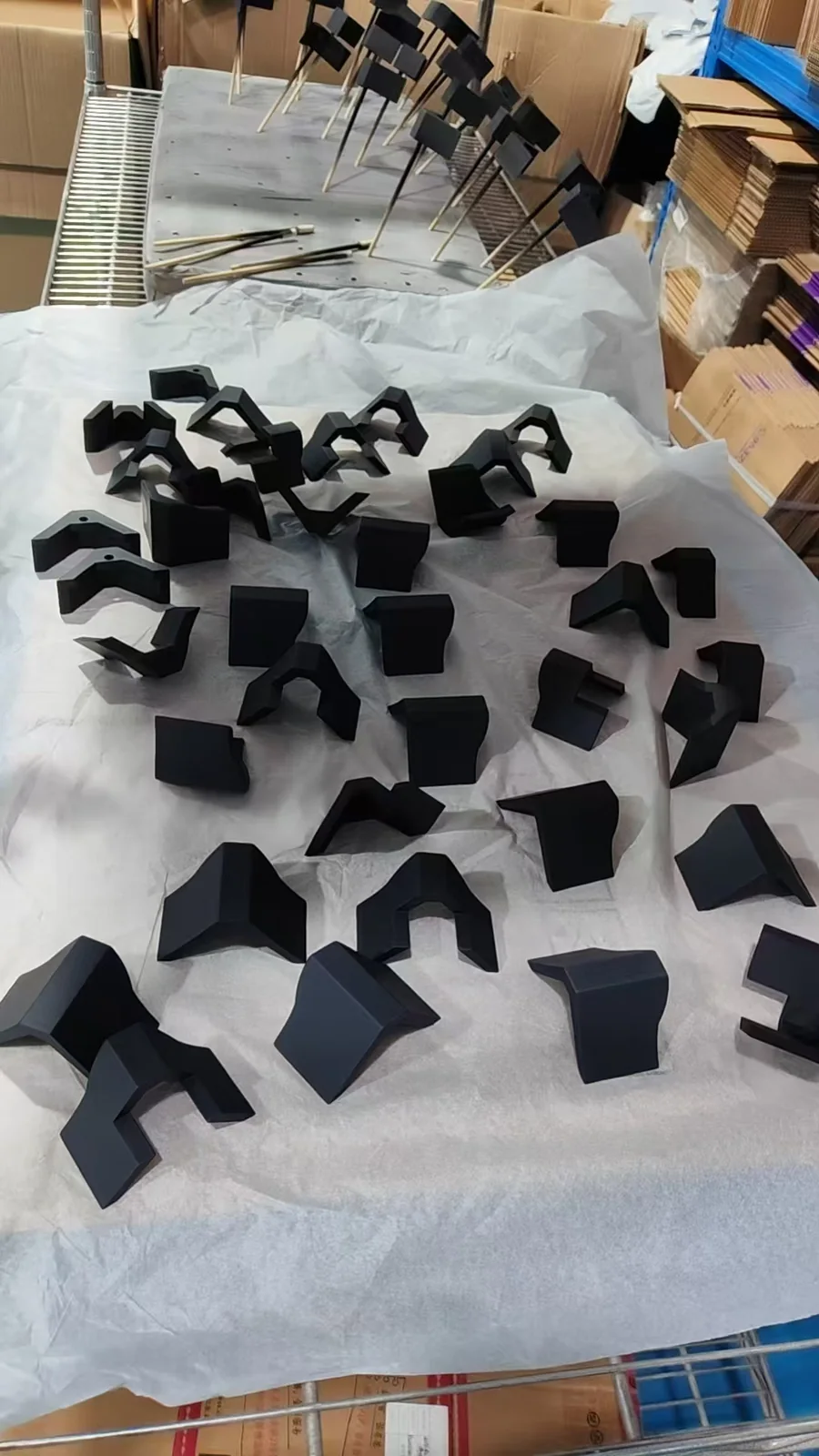
A material flammability claim is not automatic approval of a finished vacuum-cast enclosure. Before ordering, identify the exact casting system, the evidence supporting the stated classification, its applicable conditions and the requirements of the complete product. Treat a generic phrase such as flame-retardant resin as a question to resolve, not as a complete purchasing specification.
This guide helps overseas engineering and procurement teams prepare an evidence-based housing RFQ. It does not certify a design, describe a Jingrui Proto fire test or confirm that a particular rated casting resin is currently available. Jingrui Proto’s confirmed vacuum casting, finishing and assembly capabilities provide the manufacturing context. Any special material, compliance documentation or external evaluation must be separately reviewed for the actual project.
What should a buyer ask when a vacuum casting quote says flame retardant?
Ask which exact material and evidence the description refers to, and whether that evidence applies to the proposed delivered configuration.
A quotation may use a commercial nickname, a property comparison or a specific manufacturer’s grade. These are not equivalent. Request the original material designation and the document supporting the claim. If the offer only states ABS-like, that describes a general comparison and does not identify a particular flammability classification.
Keep the engineering requirement separate from the supplier’s proposed solution. State why the enclosure needs review and who will approve it. The supplier can propose a manufacturing route, but it should not be expected to infer the applicable end-product requirements from a photograph or a broad request for a safe plastic housing.
How does a material classification differ from finished-equipment acceptance?
A material classification concerns specified material testing, while acceptance of finished equipment depends on the requirements and configuration of that equipment.
The official UL 94 scope describes controlled material testing and distinguishes it from end-use acceptance. Buyers should therefore avoid treating a material designation as an unrestricted approval of an assembled device.
The purchasing consequence is to define two evidence lines: what supports the proposed material claim, and what the product owner requires for the finished equipment. Keep the responsible reviewer named for each. A report for a material specimen does not automatically cover the enclosure geometry, installed electrical components or the surrounding assembly.
Do not put a certification mark or a compliance statement into the purchase specification unless the responsible team has established what it means and whether its use is authorized. Ask for clarification rather than turning a supplier’s shorthand into a public product claim.
Which material identity records should accompany a claimed rating?
The records should identify the proposed casting system and connect the supporting evidence to the material actually supplied.
Request the manufacturer’s grade designation and the relevant current technical document. Where the requirement depends on a recognition or report, ask for its identifier and applicable conditions. A screenshot cropped to show only a classification leaves the buyer unable to determine what it describes.
For the order itself, clarify which material identification and lot records can be provided. The evidence must follow the actual manufacturing route; a document for the future injection-molded resin cannot automatically qualify a polyurethane casting used during development. A visually convincing prototype can still use a materially different system.
Ask how substitutions will be handled. An unavailable grade should trigger a documented review, not an unannounced replacement described as equivalent. See the existing prototype material traceability guide for the related distinction between material identity and performance evidence..
Why should thickness, color and processing conditions be checked against the evidence?
They should be checked because a stated classification must be interpreted within the conditions of its supporting material evidence, not transferred to every possible part configuration.
Ask the responsible reviewer which variables the evidence covers and which require further confirmation. Give the minimum local wall condition and identify any thin ribs, openings or transitions that matter to the design. A nominal wall noted on one view may not describe the thinnest region of the actual enclosure.
Similarly, identify the intended material color, pigment additions and processing route. Do not assume that an aesthetic change is irrelevant to a material requirement. Ask the material source or qualified reviewer to confirm applicability rather than inventing a universal rule that every color change either preserves or invalidates the classification.
The UL explanation of classification limitations is useful background for avoiding overbroad claims. It does not release a specific Jingrui Proto part or establish the correct requirement for a customer’s product.
How should buyers distinguish the casting TDS from the evidence for a fire-performance claim?
A technical data sheet should be read for the properties and conditions it actually documents; an unlisted fire-performance claim needs separate support.
Resin data sheets can describe handling, cure requirements, physical properties and intended applications. Those fields help assess manufacturing feasibility, but a strength, hardness or temperature value is not a substitute for flammability evidence. Do not infer one property from another because both sound related to demanding service conditions.
The same discipline applies to a general statement that a resin simulates a thermoplastic. A polyurethane prototype does not inherit every certification or property of the injection-molded material it resembles. Identify the particular claim needed for the project and ask for its supporting record.
This is also a useful way to evaluate missing information. Missing evidence should be recorded as unresolved. It should not be replaced with an assumed pass, an invented test result or a supplier’s unrelated project photograph.
How can painting, inserts and assembly change the purchasing review?
They add materials and interfaces that should be described to the responsible reviewer instead of assuming approval of an uncoated casting covers the complete assembly.
List the proposed primer, topcoat, markings, adhesive, installed hardware and other supplied components. The purpose is not to declare that every addition necessarily changes a rating. It is to ensure that the reviewer is evaluating the intended product rather than an earlier, simpler specimen configuration.
For example, a painted housing with a bonded window and metal inserts has a different supplied scope from an unfinished shell. Its manufacturing quotation should show which of those items are included and which are buyer-installed. If the product team changes an adhesive after sample approval, the order record should make that change visible.
Use Jingrui Proto’s surface finishing service to discuss the actual finish arrangement. Do not request a cosmetic coating as an undocumented method of turning an unqualified base material into a certified enclosure.
What should an evidence-based housing quotation include and exclude?
It should identify manufacturing deliverables, supplied documentation and any unresolved approval or testing responsibility as separate scope items.
| Quotation line | Record to request | Assumption to avoid |
|---|---|---|
| Cast housing | Material identity, revision and delivered state | ABS-like means identical to production ABS |
| Special material claim | Applicable source record and conditions | A general material name establishes a rating |
| Finish and assembly | Coating, adhesive, hardware and installation scope | The bare-material evidence automatically covers every addition |
| Documentation | Agreed material and order records | A generic certificate includes all required test data |
| Additional evaluation | Responsible organization and agreed scope | Manufacturing price includes product certification |
Compare supplier offers against the same rows. If one excludes special documentation, treat that as a scope difference requiring clarification rather than assigning a guessed cost. The objective is a reviewable order, not an artificial ranking of suppliers based on incomplete evidence.
How should a buyer approve an evaluation housing before a larger order?
Approve the manufacturing sample and the compliance evidence as distinct decisions, with neither silently replacing the other.
A first casting can show whether the intended geometry, finish and assembly interfaces are feasible. It does not establish every requirement that belongs to an accredited or otherwise specified evaluation. Record what the sample review actually accepted and what remains open.
Consider a hypothetical instrument team that wants a small evaluation batch before finalizing its enclosure material. The team can review access, component placement and finished fit while keeping the fire-performance decision explicitly pending. This is a procurement scenario, not a Jingrui Proto customer case or a claim of completed qualification.
Before releasing the larger order, reconcile the approved CAD revision, material proposal, finish and evidence package. If the material remains unconfirmed, do not describe the order as ready for compliance-dependent service simply because the sample looks correct.
What should buyers record when a material or finish changes on a reorder?
Record the changed condition and request a review of the affected approvals before accepting the replacement as equivalent.
Keep a comparison between the previously accepted configuration and the proposed new one. Identify the grade, color, cure route where relevant, finish system and supplied components. A reorder reference should point to the released configuration, not merely to the appearance of a retained sample.
Ask who is authorized to approve the substitution and what supporting information they need. The decision may require material-source clarification, revised documentation or another evaluation; this guide does not prescribe an automatic test plan. What matters is that the decision is explicit and attributable to the responsible reviewer.
For purchasing, make approval a condition of manufacture where required. Discovering an unapproved substitution at incoming inspection can delay both the technical review and the use of otherwise finished parts.
Which questions should a vacuum-cast housing RFQ answer before material approval?
The RFQ should define the intended application, exact evidence requirement, part configuration and division of responsibility.
Provide CAD and a drawing revision, quantity, minimum relevant wall information, finish, hardware and assembly requirements. State the material proposal if known. If it is not known, ask for a feasibility review rather than asserting that a particular classification is available.
Identify the supporting documents the buyer needs and who will approve them. Distinguish material records from end-product evaluation. Explain whether the parts are for fit development, controlled evaluation or an intended released application. That information prevents a prototype quotation from being interpreted as a completed product-approval service.
Send the housing definition and evidence requirements to Jingrui Proto and request confirmation of the manufacturing scope and any unresolved special-material or evaluation items. Do not submit confidential customer information in a public article or example file.
What common questions should buyers resolve about flammability claims?
Buyers should resolve the identity, scope and applicability of the claim before relying on it in an order or product description.
Does ABS-like vacuum casting resin automatically meet the same rating as production ABS?
No. Similar appearance or general properties do not establish identical material evidence. Review the actual casting system and its supporting documents.
Does a supplier’s material certificate prove that the assembled device is approved?
Not by itself. A material record and finished-equipment acceptance answer different questions. Ask the responsible product team what additional evidence is required.
Can a housing photograph prove a fire-performance classification?
No. It can show the component and its visible condition, not the result or applicability of a controlled material test.
Does Jingrui Proto guarantee a rated resin for every vacuum casting project?
No such guarantee is made here. The proposed grade, availability, documentation and application suitability must be confirmed for the actual project.
Can a decorative paint be assumed to provide fire protection?
No. A cosmetic finish is not fire-performance evidence. Any functional coating claim needs its own applicable documentation and review.
Should buyers perform informal burn trials to release production parts?
No informal demonstration should substitute for the evaluation and approval required by the responsible engineering team. Agree the applicable method and competent evaluator instead of improvising a release test.
How can buyers request a vacuum casting material-and-evidence review?
Share the design and required evidence so the proposed material, manufacturing route and approval responsibilities can be reviewed together.
Start with the vacuum casting service and distinguish manufacturing questions from special material or compliance questions. A useful quotation states what is confirmed, what remains open and who must close it before the order is released.
Request a housing quotation or discuss the requirements on WhatsApp. Jingrui Proto does not claim a test, certification, fire-performance result or product approval simply because it can manufacture a prototype housing.