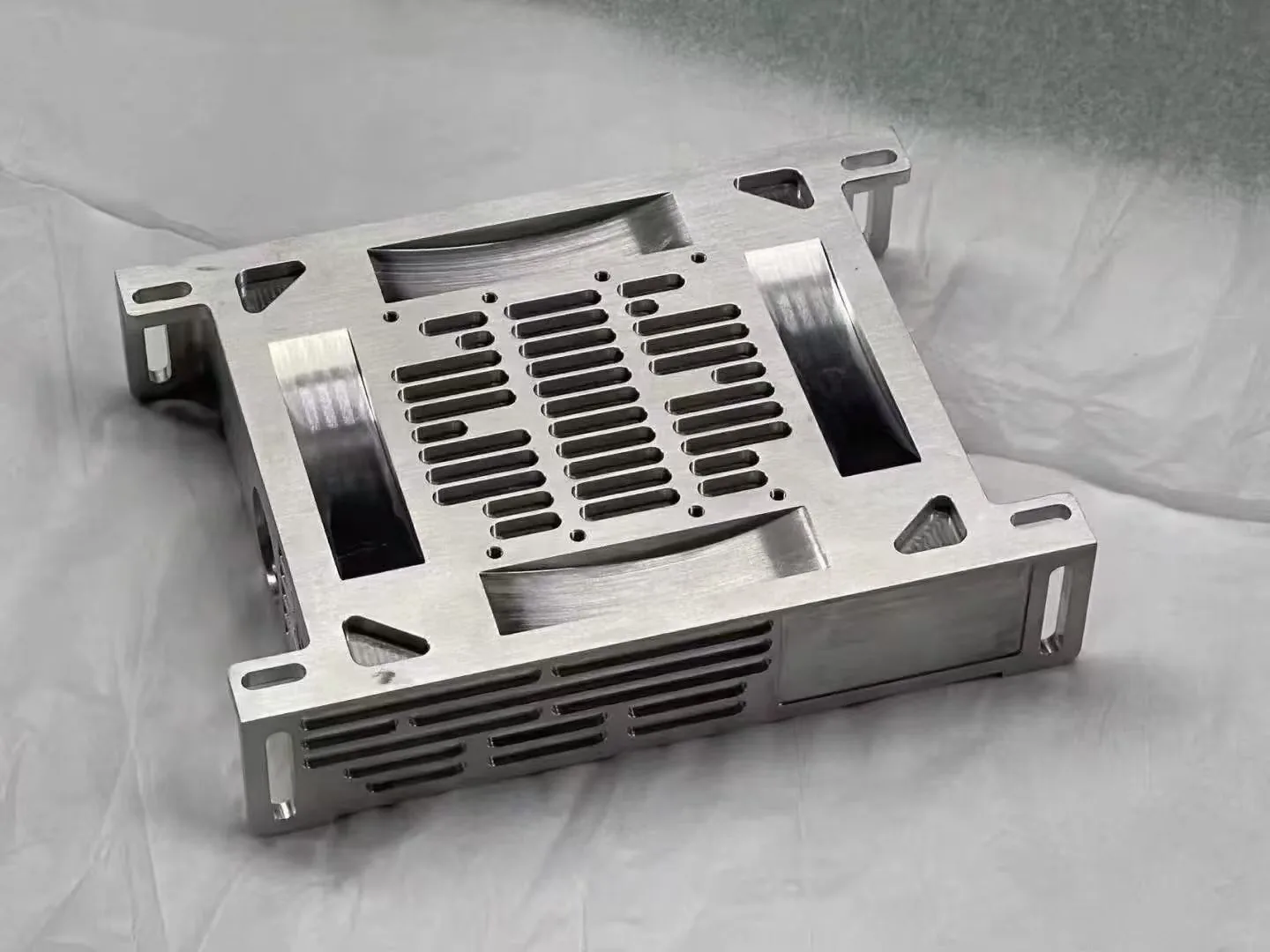
Choose inspection for a low-volume prototype order by identifying the defects that matter, the available evidence and the decision the inspection must support. A first article, a statistical lot sample and a check on every unit answer different questions. Specify the method and acceptance rules before quotation rather than asking for an undefined “full inspection.”
Key takeaways. Separate process approval from lot acceptance, identify critical features, define how units are selected and record the response to a failure. Inspection scope should follow application risk and measurement suitability. This guide does not prescribe a sample size or guarantee that inspection eliminates all defects.
How does first-article review differ from low-volume lot acceptance?
First-article review evaluates an initial manufactured configuration, while lot acceptance determines whether a defined group of supplied units meets the agreed decision rule. Approval of one does not automatically establish the other.
A first article can reveal a drawing misunderstanding, incorrect finish or assembly problem before a larger release. The later lot may still contain variation or handling damage. Define which requirements are approved at the first stage and which checks remain necessary during or after production. Keep the sample linked to its revision and delivery condition.
When should a buyer request a check on every supplied unit?
A buyer should consider checking every unit when the consequence of an undetected defect, the lot size or the nature of the feature justifies that scope. The method must still be capable of detecting the condition of concern.
A check on every unit is not automatically a check on every characteristic. Define whether it covers identification, appearance, selected dimensions or a functional evaluation. Some tests consume or damage the specimen, making a universal unit-by-unit requirement impractical. Discuss those constraints before promising an acceptance scheme that cannot be executed.
What does statistical acceptance sampling establish?
Statistical acceptance sampling supports a decision about a defined lot under a specified sampling plan and its associated risks. It does not measure every unit or establish that the accepted lot contains no defects.
The plan needs a defined population, selection method and acceptance rule. Buyer and supplier should understand the consequences of accepting or rejecting a lot. Avoid assigning an AQL label without the applicable plan and context. For a small prototype order, a risk-based agreed check may be more practical than an unsupported statistical claim.
Which information is needed before choosing an inspection sample?
Identify the lot, relevant defect categories, selection method and required evidence before choosing a sample. A quantity alone does not define a reproducible inspection plan.
Clarify whether units share a manufacturing route and revision. Parts from different materials, tools or approved configurations may need separate treatment. State how specimens will be selected and whether selection must represent particular production groups. Convenience samples should not be described as random unless the selection process supports that statement.
Inspection approach
Primary decision
Boundary
First-article review
Approve the initial configuration
Does not establish later lot conformity
Selected feature check on each unit
Screen specified characteristics
Does not cover unspecified features
Statistical lot sample
Accept or reject under an agreed plan
Retains stated decision risks
Destructive evaluation
Assess the defined specimen or property
Consumes material and needs a separate allocation
The matrix is a decision aid without numerical confidence or acceptance limits. Use a qualified plan when the order requires a formal statistical assertion.
How should critical prototype characteristics be selected?
Select characteristics according to the function and consequences of failure, then express them in measurable acceptance terms. A drawing with every dimension marked critical can obscure the features that genuinely control use.
Examples include locating relationships, sealing interfaces, hardware identification and an appearance boundary visible to the customer. Explain why a feature matters so the supplier can review the proposed measurement. A dimension without datums or a defined support condition may be difficult to interpret consistently, particularly on thin or flexible components.
Why does measurement suitability matter as much as inspection frequency?
Measurement suitability matters because repeating an unsuitable method can reproduce the same uncertainty across every inspected unit. More checks do not correct an unclear requirement or inadequate access.
Agree the measurement state, references and relevant method. A photograph may establish visible damage but not a bore’s geometry. A dimensional report may establish selected values but not repeated-use behavior. Confirm which instruments and services are included in the supplier’s scope rather than assuming a generic quality claim covers every requirement.
What should happen when an inspected prototype fails?
The agreed plan should define containment, notification and the authority for rework, additional inspection or rejection. A failed specimen should not simply be replaced until the sample appears acceptable.
Record the nonconforming condition and determine whether it affects the remaining lot. If further inspection is proposed, specify its scope and decision rule. A design concession differs from correcting a manufacturing error. Keep the approval linked to affected units and avoid treating a one-order concession as a permanent drawing change.
How should inspection requirements be compared across supplier quotations?
Compare quotations using the same characteristics, reporting scope and lot decision. A low price for basic visual screening is not directly comparable with a documented dimensional and assembly review.
Separate inspection, testing and certification requirements. Ask which records accompany delivery and how units are identified. If a supplier cannot perform a required check, resolve whether another authorized party will do it before production. Inspection scope should be visible in the commercial agreement rather than hidden in a general statement about quality.
How should inspection planning account for mixed-process prototype orders?
Mixed-process orders should apply appropriate checks to each component and to the interfaces that determine the assembled result. A single process-wide tolerance or inspection note may not represent the complete kit.
A printed cover, machined bracket and cast seal have different manufacturing behavior. Identify their material and delivery conditions separately, then define the assembly check. The mixed-process kit guide addresses BOM and packout, while this article addresses the inspection decision and selection method.
What should a low-volume inspection RFQ include?
Include the defined lot, critical characteristics, inspection method where required and the decision to be made from the evidence. Clarify any buyer-controlled validation separately.
Provide current CAD, drawing, revision and quantity.
Identify critical characteristics and their acceptance criteria.
State final material, finish and assembly condition.
Define first-article and lot-release responsibilities.
Specify unit selection, destructive allocations and reporting.
Agree the response to failures, concessions and rework.
What do buyers ask about low-volume inspection plans?
Buyers should resolve the inspection purpose, unit selection and failure response before treating a report as lot-release evidence.
Does first-article approval release every later unit?
No. Define the checks and release criteria for the later lot.
Does checking every unit eliminate all quality risk?
No. Coverage and measurement suitability remain important.
Can a supplier choose a sample without telling the buyer?
The selection method should follow the agreed plan and reporting requirements.
Does an AQL number define a complete plan?
No. The applicable plan, lot and decision criteria must also be established.
Can a destructive test be applied to all delivered units?
It consumes the tested units, so the order must account for that allocation and the required usable delivery.
Does a dimensional report certify service performance?
No. Service requirements need their own appropriate evidence.
Sources and method. Reviewed November 10, 2026. NIST’s lot acceptance chapter establishes the lot-decision framework. Protolabs Network’s manufacturing standards illustrates the need for explicit process and acceptance scope. No numerical supplier limits are adopted as Jingrui Proto specifications. The quotation checklist is original editorial synthesis.
How can buyers request a low-volume manufacturing and inspection quotation?
Share your CAD, drawing, quantity and critical acceptance requirements so Jingrui Proto can review the manufacturing and reporting scope.
Review SLM machining-stock deviations against datums, final interfaces and inspection evidence before approving CNC continuation, concessions or remakes.
Plan vacuum-cast pilot lots around assembly trials, destructive evaluations, usable samples and retained references with a practical purchasing checklist.
Approve ABS-like vacuum casting resin by grade, datasheet conditions, assembly needs and validation scope before transferring decisions to production ABS.
Prepare small full-color models with a scale-aware review of fragile details, texture versus geometry, support removal, bases, packing and sample approval.
Plan silicone mold replacement around accepted vacuum-cast parts, with wear checks, resin limitations, quotation scope and a practical buyer RFQ checklist.