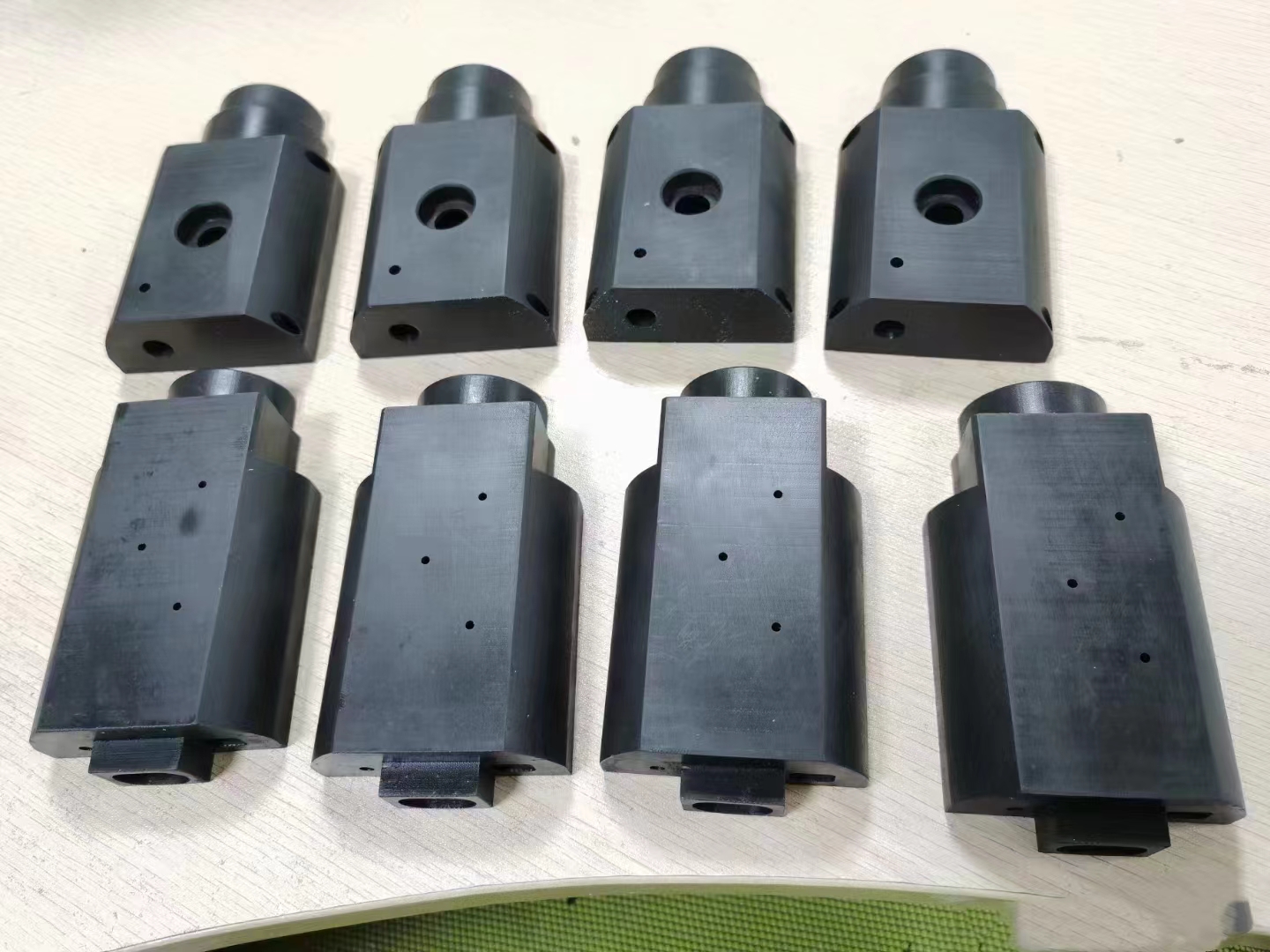
Approve an MJF PA12 replacement part against a controlled design and functional requirement, not only against the visible shape of an old component. A worn sample can help reconstruct geometry, but it cannot establish the original nominal dimensions, material identity or service qualification by itself. Separate reconstruction, process selection and finished-part approval before ordering a repeatable replacement supply.
Key takeaways. Identify wear, define mating interfaces, establish the proposed material and approve a representative replacement before committing to a batch. The workflow below supports purchasing decisions without claiming that MJF can replace every original material or reproduce unknown performance.
What can an old sample establish for an MJF replacement order?
An old sample can establish observable geometry and assembly context, subject to damage, wear and measurement access. It does not automatically establish the original design intent.
Mark broken, repaired or polished regions before the supplier interprets them. A worn bore may no longer represent its original fit. A warped cover may reflect service exposure rather than the intended CAD. Provide photographs of the installed arrangement and any available mating parts. Ask which features can be measured directly and which require an engineering decision.
Which MJF replacement dimensions need engineering reconstruction?
Dimensions affected by wear, damage or missing geometry need engineering reconstruction against the part’s function and available references. Copying the measured value can preserve the failure instead of restoring the intended interface.
Prioritize locating faces, hole relationships, latch engagement and clearances. Identify whether a dimension controls assembly or only appearance. If several samples exist, differences can help identify uncertainty, but they do not prove which specimen is nominal. Have the responsible engineer approve the reconstructed requirements before the supplier treats the model as a manufacturing release.
How should buyers decide whether PA12 is an acceptable replacement material?
Buyers should decide by comparing the application requirements with evidence for the actual proposed PA12 grade and finished route. Similar appearance to an old plastic component is insufficient.
Describe load, temperature, moisture, cleaning exposure and repeated movement where relevant. An original molded part may use a different polymer or reinforcement. A PA12 prototype may support a fit review without proving long-term equivalence. Record whether the order is for an evaluation sample or an approved end-use replacement and define the evidence required for that purpose.
What should the reconstructed CAD deliverable include?
The reconstructed deliverable should include the agreed geometry, revision and critical-feature requirements in a form suitable for review and later manufacture. Specify the file types and ownership arrangements in the quotation.
A surface mesh and an editable solid model serve different purposes. Confirm what will be delivered and how changes will be controlled. Identify dimensions derived from measurement versus those decided by engineering. Jingrui Proto’s nylon process-selection guide covers a different question, namely comparing manufacturing routes once the design and acceptance needs are understood.
How should buyers validate replacement assembly fit?
Validate fit using the actual mating components or an agreed representative fixture, with the replacement in its intended finished condition. A dimensional report alone may miss interactions between several interfaces.
Record the assembly sequence, permitted adjustments and any required hardware. If the trial uses drilling, trimming or adhesive to make the part work, document those changes rather than approving the original model unchanged. A later batch should be made from the accepted revision. For moving features, define the intended evaluation rather than claiming an unspecified cycle life.
Uncertainty
Evidence to obtain
Release decision
Worn interface
Mating geometry and engineering interpretation
Approve reconstructed nominal requirement
Unknown original polymer
Application needs and proposed grade information
Approve PA12 evaluation scope
Changed finish
Finished sample and critical measurements
Approve delivered condition
Repeat supply
Controlled CAD and accepted sample record
Release the defined configuration
This decision matrix is qualitative. It supplies no dimensional allowance or measured equivalence result.
Why should MJF orientation and finishing be recorded for replacement parts?
Orientation and finishing should be recorded when they can affect the interfaces, surface condition or behavior used for approval. A visually similar replacement made by a changed route may require renewed review.
Identify critical directions and cosmetic faces. Confirm cleaning and any dyeing, smoothing, inserts or machining in the quotation. Avoid assuming that a replacement is waterproof or chemically resistant because the surface appears dense. The MJF orientation guide explains sample-to-batch controls after the design has been released.
How should buyers separate an evaluation order from repeat replacement supply?
An evaluation order should state the decisions still open, while repeat supply should reference the accepted material, revision and delivery condition. Treat those as distinct release stages.
For a hypothetical obsolete equipment cover, the first sample might check fit and service access. The team could still need environmental evaluation before approving routine use. Record that boundary. This scenario is illustrative and does not describe a Jingrui Proto customer project. A successful fitting demonstration should not silently become an unrestricted service-life claim.
Which information belongs in an MJF replacement-part RFQ?
The RFQ should identify the available sample, missing design information and the requirements that determine replacement suitability. Include the reconstruction work as a separate deliverable when needed.
Provide photographs, available CAD and sample condition.
Identify mating parts, worn interfaces and missing features.
Describe the application, exposure and required service function.
State quantity, finish, inserts and inspection needs.
Define CAD ownership, file deliverables and approval responsibility.
Separate evaluation acceptance from later supply release.
Send Jingrui Proto the replacement-part evidence for review before committing to a batch. The supplier should confirm which reconstruction, material and manufacturing work is included. No specific scanning equipment or unverified material-identification service is promised here.
What do buyers ask about MJF replacement-part approval?
Buyers should resolve geometry authority, material suitability and the evaluation-to-production release before placing repeat replacement orders.
Can a scan establish the original drawing tolerances?
No. Measurements show the sample’s condition, while tolerances require engineering decisions.
Is PA12 suitable because the original part was black plastic?
No. Color does not establish material identity or functional equivalence.
Can one fit trial approve every service requirement?
No. Separate environmental and mechanical requirements need appropriate evidence.
Should the supplier preserve wear in the replacement CAD?
Only when explicitly required. Suspected wear needs review against design intent.
Can a replacement route change after sample approval?
It can be proposed, but affected requirements need review before acceptance.
Does reconstruction imply permission to copy a protected design?
No. The buyer must have the necessary rights to supply and reproduce the design.
Sources and method. Reviewed November 10, 2026. HP’s spare-parts application overview establishes an MJF application context. Protolabs’ material-selection guide supports requirement-based process review. Neither establishes a replacement’s equivalence. The reconstruction and release framework is original editorial synthesis.
How can buyers request an MJF replacement-part review?
Share your sample information, drawings, intended use and quantity so Jingrui Proto can review the proposed manufacturing scope and unresolved design requirements.
Choose inspection for low-volume prototypes by critical features, lot definition, sample selection, measurement suitability and clear acceptance decisions.
Review SLM machining-stock deviations against datums, final interfaces and inspection evidence before approving CNC continuation, concessions or remakes.
Plan vacuum-cast pilot lots around assembly trials, destructive evaluations, usable samples and retained references with a practical purchasing checklist.
Approve ABS-like vacuum casting resin by grade, datasheet conditions, assembly needs and validation scope before transferring decisions to production ABS.
Prepare small full-color models with a scale-aware review of fragile details, texture versus geometry, support removal, bases, packing and sample approval.
Plan silicone mold replacement around accepted vacuum-cast parts, with wear checks, resin limitations, quotation scope and a practical buyer RFQ checklist.