
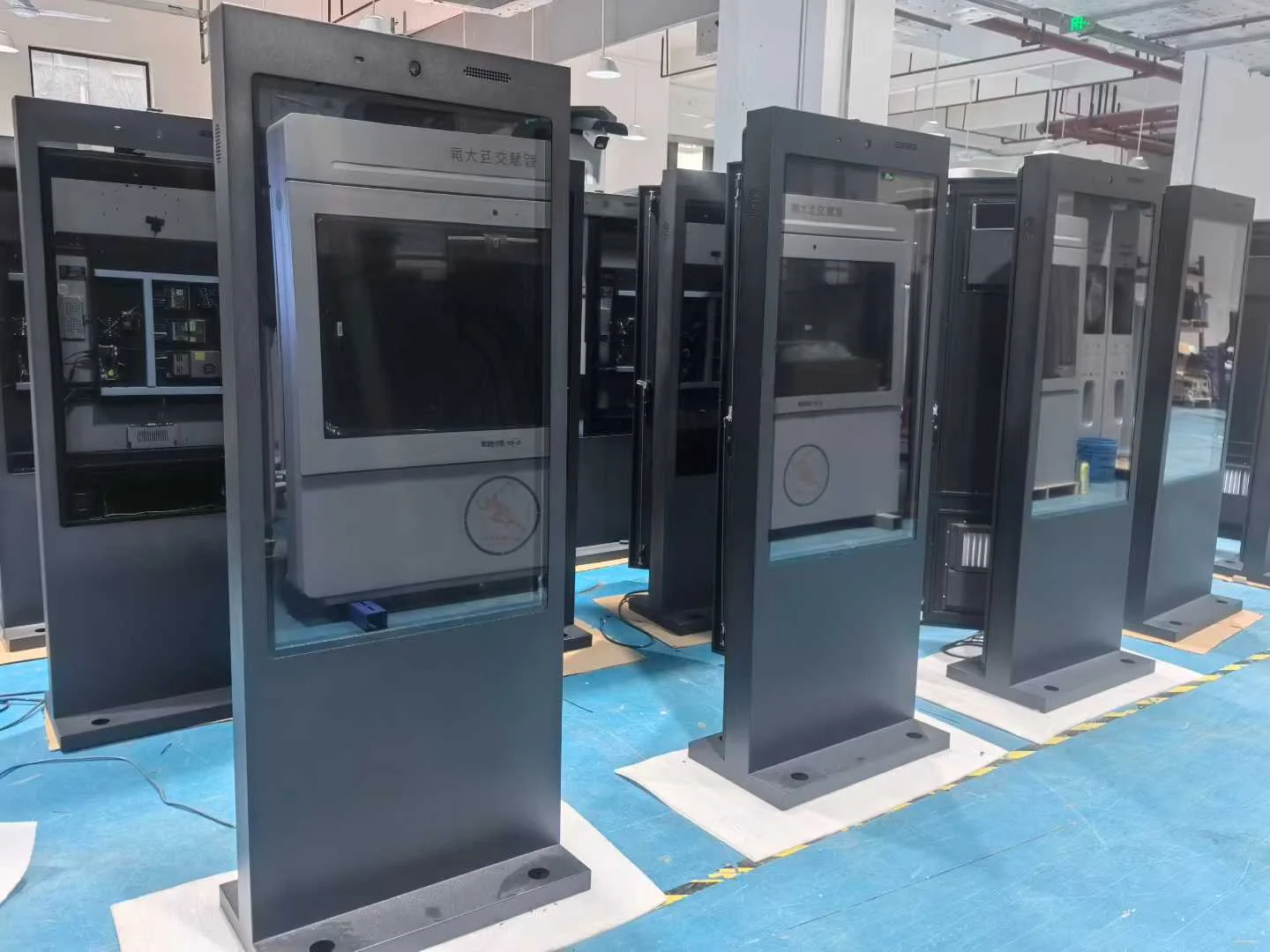
An outdoor digital signage prototype should be specified as a complete manufacturing and integration package. Define the enclosure, display interfaces, visible surfaces, electrical assembly, customer-supplied software and test responsibilities before requesting a quote. Manufacturing a cabinet and approving a working outdoor system are separate release decisions that need coordinated evidence.
What should an outdoor digital signage manufacturing RFQ define first?
The RFQ should define the intended installation, product configuration and responsibility for each supplied component. Those inputs determine what the manufacturer can review and quote.
Provide enclosure CAD and drawings, display information, component mounting requirements and the intended assembly state. Identify who supplies the screen, electronics, wiring items and software. List unresolved design inputs explicitly. A supplier should not have to infer outdoor exposure, electrical requirements or the screen interface from a finished-product photograph.
Keep material selection and numerical acceptance requirements under engineering control. An image cannot establish sheet grade, thickness or the load capacity of a mounting structure. If those details are undecided, request a proposed route for review and state who approves it.
How should display interfaces be reviewed before sheet metal fabrication?
Display interfaces should be reviewed against the actual supplied components and their mounting, connection and service requirements. Nominal outside dimensions alone do not establish assembly fit.
Identify locating surfaces, fastener access and the space required to install or remove the display. Review the cable and connector arrangement with the intended assembly sequence. A bracket can be geometrically manufacturable but still obstruct a connector or service operation.
For prototype approval, agree whether actual components, drawings or representative fixtures will be used. Record any changes made during assembly so the next unit follows the approved revision. Do not treat a manually adjusted first sample as evidence that the original files are ready for repeat manufacture.
Which surface details should buyers specify on a signage enclosure?
Buyers should identify visible surfaces, edge treatment, joint appearance and the finish reference before fabrication and coating. A broad request for a premium finish leaves important acceptance decisions undefined.
Mark customer-facing panels and indicate where joints, fasteners or processing marks can remain visible. Keep appearance requirements separate from dimensional requirements. A uniform painted surface does not establish the location of a display opening or the alignment of a door.
Ask how the proposed fabrication and preparation route preserves the required details. Bending, joining, grinding and finishing should be reviewed together where their effects meet at the same surface. The actual route depends on the design and needs supplier confirmation.
How should sheet metal fabrication and final assembly be coordinated?
Fabrication and assembly should share a controlled interface definition, revision and inspection plan. This helps ensure that the finished structure can accept the components and support the agreed installation sequence.
Review bend access, joint location and the surfaces used to locate components. Discuss whether finishing occurs before or after particular hardware is installed. Define which interfaces must remain free of coating and how those areas will be accepted.
For a new design, use a representative assembly review to resolve conflicts before repeating the configuration. A correction to a panel opening may affect finish, sealing or mounting, so review those linked requirements rather than approving the visible adjustment in isolation.
What does waterproof testing establish for a signage prototype?
Waterproof testing establishes only the observations and acceptance decision supported by the actual procedure, setup and record. A statement that testing occurred does not by itself identify an IP rating or certified protection level.
If a protection classification is required, specify the applicable standard and agreed test requirements with the responsible engineering team. IEC 60529 provides the IP Code framework for enclosure protection. It should not be cited as a test that a project passed unless the evidence supports that claim.
Identify the complete test configuration, including doors, openings, cables and assembled components. A test of an empty enclosure may not answer the same question as a test of the integrated prototype. Record the configuration and any modifications made afterward.
What should display-screen aging testing include in a procurement agreement?
The procurement agreement should identify the responsible party, operating configuration, procedure and reporting deliverable for display-screen aging testing. The required duration and acceptance criteria need project-specific agreement.
A photograph of a powered screen establishes only the visible state at that moment. It cannot demonstrate a particular operating period or a successful aging outcome. Define what is observed, how exceptions are recorded and who approves completion.
If the prototype combines electrical hardware and customer software, identify the software version and configuration used during the evaluation. A later update may affect what the previous observation represents. Keep software changes and hardware changes traceable to the accepted configuration.
Who should own software development and commissioning responsibilities?
Software development and commissioning responsibilities should be assigned explicitly in the order. Installing and debugging customer-provided software does not imply that the manufacturing supplier developed it.
State who supplies the software, installation package, configuration information and any required access. Define the manufacturer’s expected installation and debugging scope and the customer’s acceptance role. Protect account details and private customer information during testing and publication.
Jingrui Proto’s owner has confirmed an outdoor digital signage project in which the company manufactured the enclosure and related components, completed assembly support and used its own electrical engineer for waterproof and display-screen aging testing. The customer supplied the software, which Jingrui Proto installed and debugged. These confirmed activities do not establish an undisclosed test rating or outcome.
How should buyers structure an outdoor signage acceptance matrix?
The acceptance matrix should connect each requirement to the configuration, evidence and person responsible for release. This makes the complete-product scope visible before price comparison.
| Requirement | Evidence to agree | Release responsibility |
|---|---|---|
| Enclosure geometry | Controlled drawing and relevant dimensional checks | Defined buyer/manufacturer review |
| Visible surfaces | Approved finish reference and inspection conditions | Appearance approver |
| Component fit | Representative assembled configuration | Mechanical integration owner |
| Electrical assembly | Specified checks and records | Responsible electrical team |
| Waterproof evaluation | Agreed procedure, configuration and observations | Defined test and acceptance owners |
| Screen aging | Agreed operating procedure and reporting | Defined test and acceptance owners |
| Customer software | Version, installation and debugging scope | Customer software owner and integration team |
This matrix is a procurement framework without prescribed material, dimensions, test duration or performance limits.
What should a buyer send for an integrated signage quotation?
Send the current design package, supplied-component information and a responsibility matrix covering manufacturing, assembly and verification. Include the intended installation and any acceptance requirements already established.
- Enclosure and assembly CAD with controlled revisions.
- Display and electronics interfaces and supply responsibilities.
- Visible-surface requirements and finish references.
- Required hardware, wiring and service-access information.
- Software supply, installation and debugging expectations.
- Defined waterproof and screen-aging scope where required.
- Sample approval, documentation, packing and delivery requirements.
Discuss your signage enclosure and integration scope with Jingrui Proto. Review the existing sheet metal service and surface-finishing service when defining the manufacturing package.
What do buyers ask before ordering outdoor signage prototypes?
Buyers should resolve component supply, test responsibility and acceptance evidence before releasing an integrated signage prototype.
Does an outdoor enclosure automatically have an IP rating?
No. A rating claim requires evidence for the relevant configuration and classification.
Does a powered screen prove aging-test completion?
No. Completion needs the agreed procedure and corresponding record.
Did Jingrui Proto develop the confirmed project’s software?
No. The customer supplied the software, and Jingrui Proto installed and debugged it.
Who performed the confirmed project’s waterproof and aging tests?
Jingrui Proto’s in-house electrical engineer performed them, according to the owner’s confirmed account.
Can the same manufacturing route be assumed for every signage enclosure?
No. The design, component interfaces and delivery requirements need project-specific review.
Can a photograph establish sheet thickness or material grade?
No. Those fields need the relevant design and material evidence.
How can buyers request an outdoor signage manufacturing review?
Share the enclosure files, component list, software-supply plan and required testing scope so Jingrui Proto can review a coordinated quotation.
Talk to Our Engineers on WhatsApp
Sources and methodology: Reviewed November 10, 2026. Technical references are based on applicable industry standards, verified manufacturing information and project-specific records confirmed by Jingrui Proto. No unverified supplier specifications or test results have been used.










