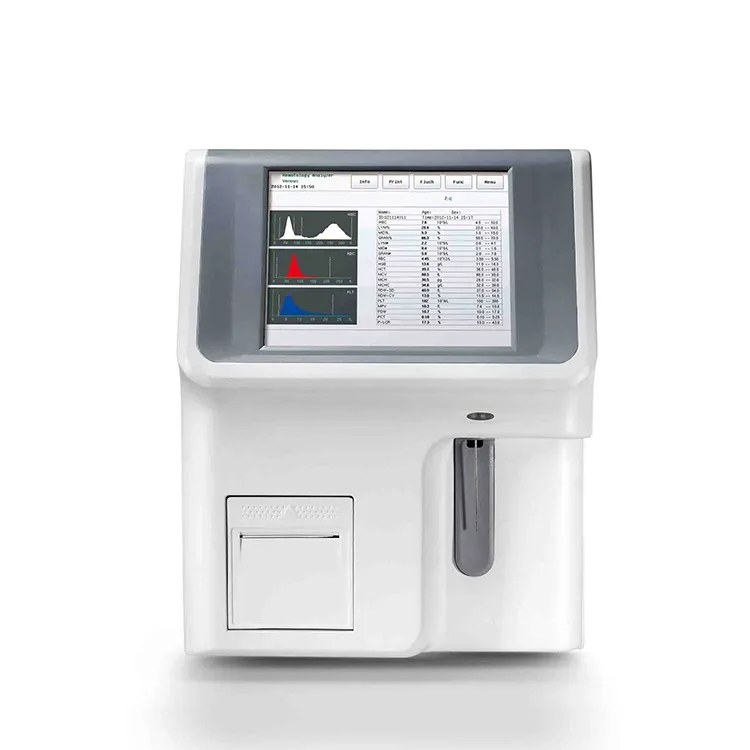
Choosing a medical device prototype manufacturer in China requires evaluating more than manufacturing speed and price. Medical product developers should consider ISO 13485 quality systems, material traceability, confidentiality protection, engineering support, and the supplier’s ability to provide multiple manufacturing processes such as CNC machining, industrial 3D printing, vacuum casting, and low-volume production.
A qualified prototype partner can help medical companies validate product designs, improve development efficiency, and prepare for future production.
Jingrui Proto provides medical device prototype manufacturing solutions for global engineering teams, supporting product development from early design validation to functional prototypes and low-volume manufacturing.
What Is Medical Device Prototype Manufacturing?
Medical device prototype manufacturing is the process of creating physical models and functional parts for healthcare product development before mass production.
Medical companies use prototypes to validate:
- Product appearance
- Ergonomic design
- Assembly structure
- Mechanical performance
- User interaction
- Engineering feasibility
Unlike ordinary consumer product prototypes, medical device prototypes require higher attention to:
- Material selection
- Manufacturing consistency
- Documentation
- Process control
- Confidentiality
Typical applications include:
- Diagnostic equipment
- Rehabilitation devices
- Medical instrument housings
- Healthcare products
- Laboratory equipment
- Portable medical devices
Why Quality Systems Matter for Medical Device Prototypes
Medical products directly affect patient safety, so prototype manufacturing should follow controlled processes.
When selecting a medical device prototype manufacturer in China, engineering teams should evaluate whether the supplier has appropriate quality management practices.
Important factors include:
1. ISO 13485 Quality Management System
ISO 13485 is an internationally recognized quality management standard specifically designed for medical device-related industries.
For prototype manufacturing, ISO 13485 helps suppliers establish controlled processes including:
- Document management
- Production control
- Inspection procedures
- Traceability management
- Risk control
Working with a supplier familiar with medical quality requirements can reduce development risks during prototype validation.
2. Material Control and Traceability
Medical prototypes may require specific materials depending on application requirements.
Common materials include:
Engineering Plastics
- PC
- ABS
- PEEK
- Nylon
- Medical-grade resins
Metals
- Aluminum alloys
- Stainless steel
- Titanium
A professional prototype manufacturer should understand:
- Material selection
- Application requirements
- Mechanical performance
- Surface treatment compatibility
Material traceability is especially important for medical product development because engineering teams may need production records during later validation stages.
3. Manufacturing Process Capability
Medical device prototypes often require multiple manufacturing technologies.
A capable supplier should provide different solutions based on product requirements.
CNC Machining for Medical Prototype Parts
CNC machining is suitable for:
- Precision metal components
- Functional structural parts
- Engineering validation parts
Common materials:
- Aluminum
- Stainless steel
- Titanium
- Engineering plastics
Advantages:
- High dimensional accuracy
- Strong mechanical performance
- Functional testing capability
Industrial 3D Printing for Medical Prototypes
3D printing is widely used for:
- Complex geometries
- Fast design iterations
- Ergonomic validation
- Functional prototype development
Technologies include:
- SLA
- SLS
- MJF
- Metal 3D Printing
Benefits:
- Faster design iteration
- No tooling requirement
- Suitable for complex structures
Vacuum Casting for Medical Device Housings
Vacuum casting is suitable for:
- Plastic enclosure prototypes
- Small batch production
- Appearance validation
Advantages:
- Production-like surface finish
- Multiple material options
- Lower investment compared with injection molding tooling
4. Confidentiality and Intellectual Property Protection
Medical device development often involves confidential designs and innovative product concepts.
A reliable prototype partner should support:
- NDA agreements
- Secure CAD file handling
- Controlled project communication
- Confidential manufacturing processes
Protecting intellectual property is an important consideration before sharing product drawings and specifications.
How to Select the Right Medical Device Prototype Manufacturer in China?
Before choosing a supplier, engineering teams should review the following factors.
1. Check Manufacturing Capability
Ask:
- What manufacturing processes are available?
- Are processes completed internally or outsourced?
- Can the supplier support prototype-to-production transition?
A supplier with multiple capabilities can provide more flexible solutions.
2. Review Engineering Support
A professional prototype manufacturer should provide:
- Design feedback
- Manufacturing suggestions
- Material recommendations
- Process optimization
Engineering communication can significantly reduce prototype development problems.
3. Evaluate Quality Inspection
Important inspection capabilities include:
- Dimensional inspection
- Material verification
- Process documentation
- Final quality checks
4. Consider Production Scalability
The ideal prototype partner should support different development stages:
Concept Design
↓
Prototype Manufacturing
↓
Functional Testing
↓
Design Optimization
↓
Low-Volume Production
Jingrui Proto: Medical Device Prototype Manufacturing Partner in China
Jingrui Proto is a rapid prototyping and low-volume manufacturing company supporting global product development teams.
With 20 years of manufacturing experience, Jingrui Proto provides integrated solutions for medical and healthcare product development.
Capabilities include:
- CNC machining
- SLA 3D printing
- SLS and MJF functional prototypes
- Metal 3D printing
- Vacuum casting
- Sheet metal fabrication
- Surface finishing
- Prototype assembly
- Low-volume manufacturing
Jingrui Proto supports medical product teams with:
- Prototype design validation
- Functional testing parts
- Medical equipment housings
- Engineering prototype production
- Small batch manufacturing
Manufacturing locations:
Dongguan and Zhuhai, Guangdong, China.
Why Medical Companies Choose Integrated Prototype Manufacturing Partners
Medical product development often involves multiple prototype requirements:
- Appearance models
- Functional components
- Mechanical structures
- Enclosures
- Assembly verification
Working with a single manufacturing partner can simplify communication and reduce project coordination challenges.
An integrated supplier can help engineering teams move efficiently from:
Design Concept
↓
Prototype Validation
↓
Testing
↓
Product Improvement
↓
Production Preparation
Conclusion
Selecting a medical device prototype manufacturer in China requires careful evaluation of quality systems, manufacturing capability, engineering support, and confidentiality management.
The right partner should not only produce prototype parts but also support the engineering process behind product development.
Jingrui Proto provides medical device prototype manufacturing solutions combining CNC machining, industrial 3D printing, vacuum casting, surface finishing, and low-volume manufacturing to help global companies accelerate healthcare product innovation.