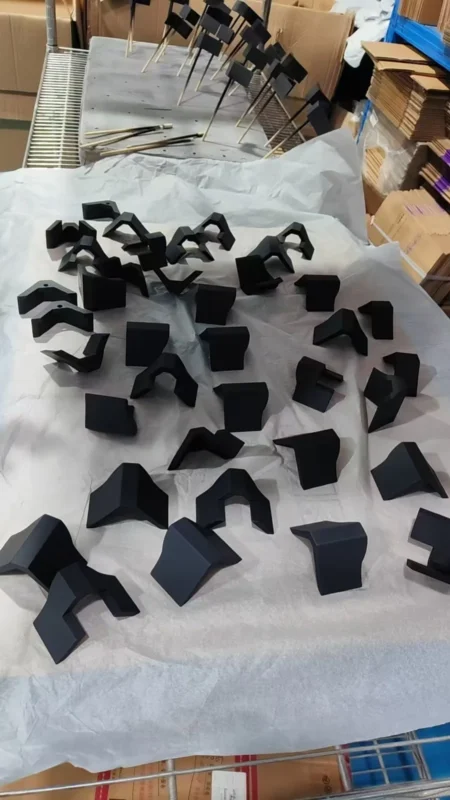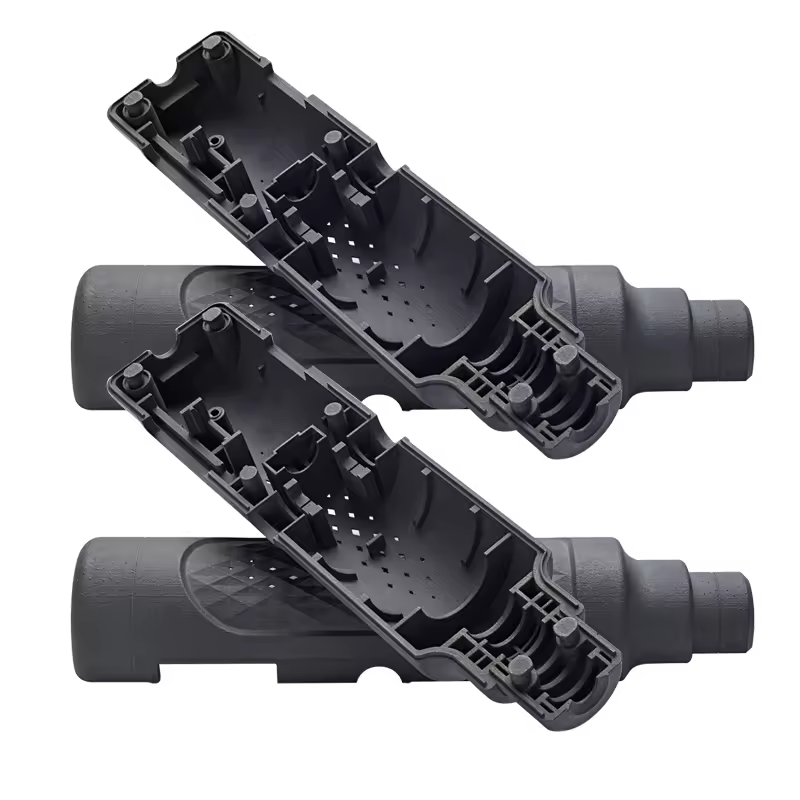
Vacuum casting makes sense when a buyer needs a small run of plastic-like parts with molded appearance, repeatable finish and enough production flexibility to keep changing the design before hard tooling. It is often useful for prototype housings, appearance models, pre-production samples and low-volume assemblies where CNC machining or 3D printing may not give the same molded feel.
It is not automatically the right answer for every plastic part. If the part needs true engineering-plastic stock properties, CNC plastic machining may be better. If the geometry is complex and only a few parts are needed, SLA, SLS, MJF or another 3D printing process may be faster. If the volume is already high and the design is frozen, injection molding may become the commercial route.
What Vacuum Casting Solves for Buyers
The commercial value of vacuum casting is that it separates early low-volume production from hard mold commitment. A silicone mold is used to cast polyurethane parts, so the buyer can review shape, texture, color, inserts and assembly before deciding whether a steel mold or another route is justified.
For engineering and sourcing teams, the process is most useful when several questions need to be answered at the same time:
- Will the housing look and feel right in user review?
- Can the assembly accept inserts, nuts or embedded hardware?
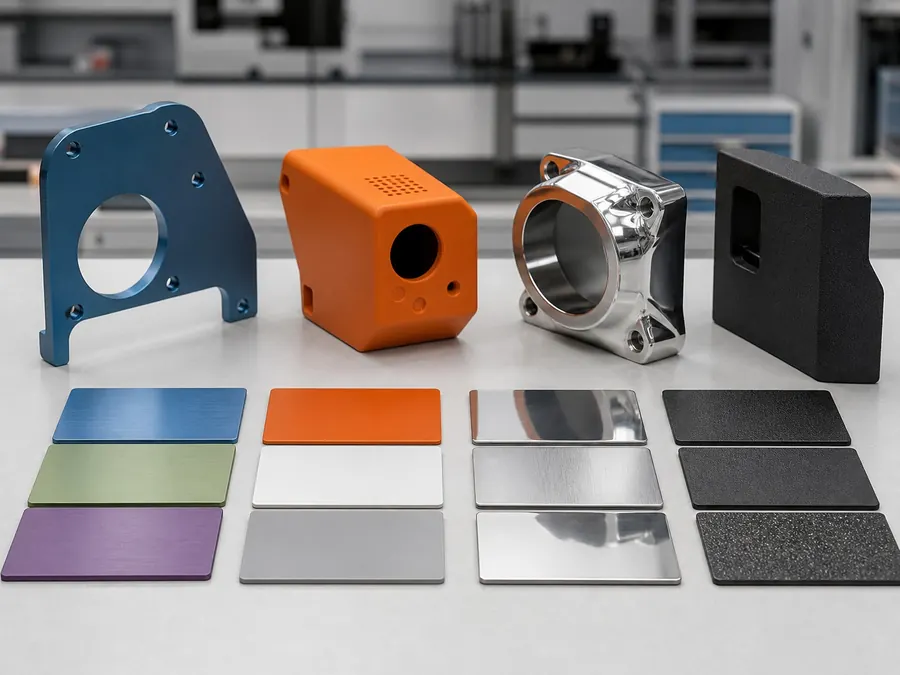
- Which finish should be specified before production tooling?
- Does the part family need a short bridge run for testing, demo or launch support?
- Should the buyer compare vacuum casting with machining, printing or injection molding before quoting?
Jingrui Proto’s vacuum casting service supports this decision stage by connecting casting, finishing and assembly review in one manufacturing workflow.
Prototype Use vs Low-Volume Use
For a prototype, vacuum casting is usually selected because the buyer wants molded appearance without waiting for a production mold. The output may be used for design review, marketing samples, fit checks, user evaluation or functional handling where visual quality matters.
For low-volume production, the question changes. The buyer is no longer only asking whether the design looks right. They are asking whether the part can be made repeatedly with the required finish, inserts, assembly sequence and inspection plan. Vacuum casting can help when the design is not ready for injection tooling, the order quantity does not justify tooling, or a bridge quantity is needed before mass production.
Avoid using a universal quantity threshold. Mold life, part complexity, material behavior, finish requirements and acceptance criteria all affect whether vacuum casting is economical. The safest RFQ approach is to send the target quantity, expected repeat orders and the reason the batch is needed.
Why Finishing and Assembly Matter
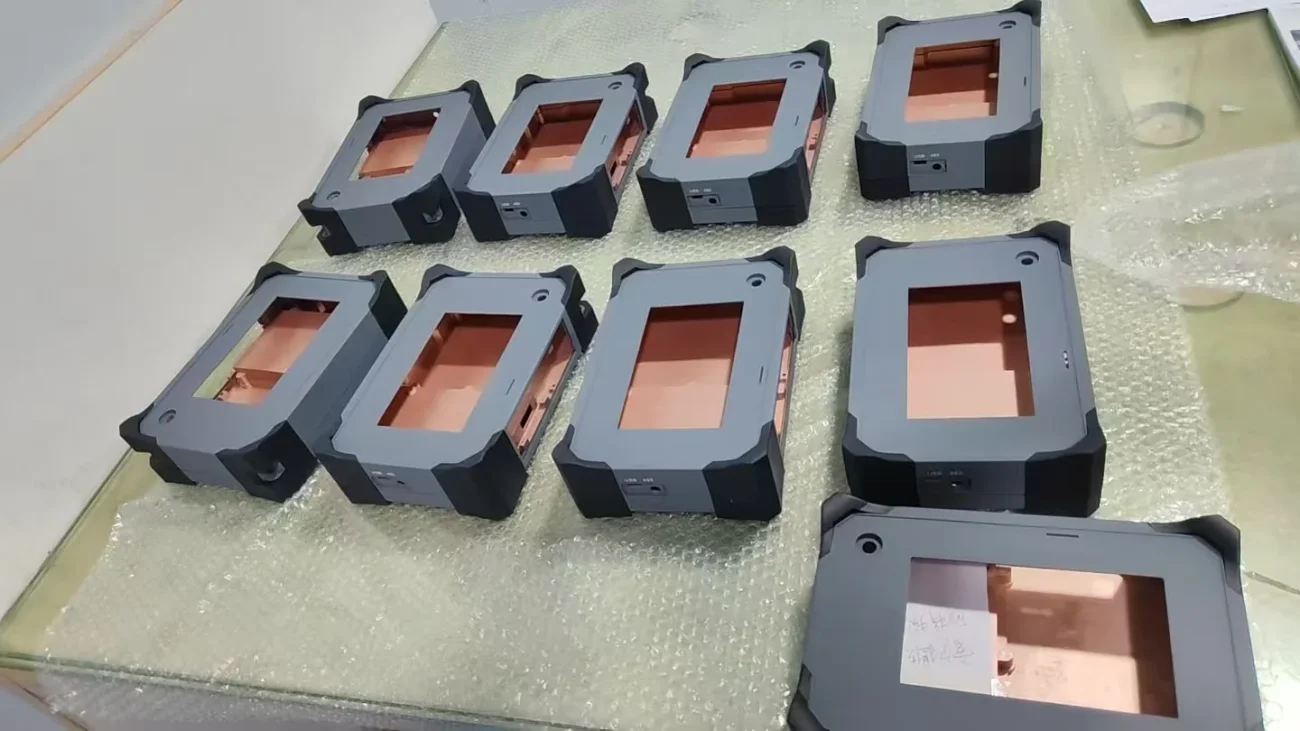
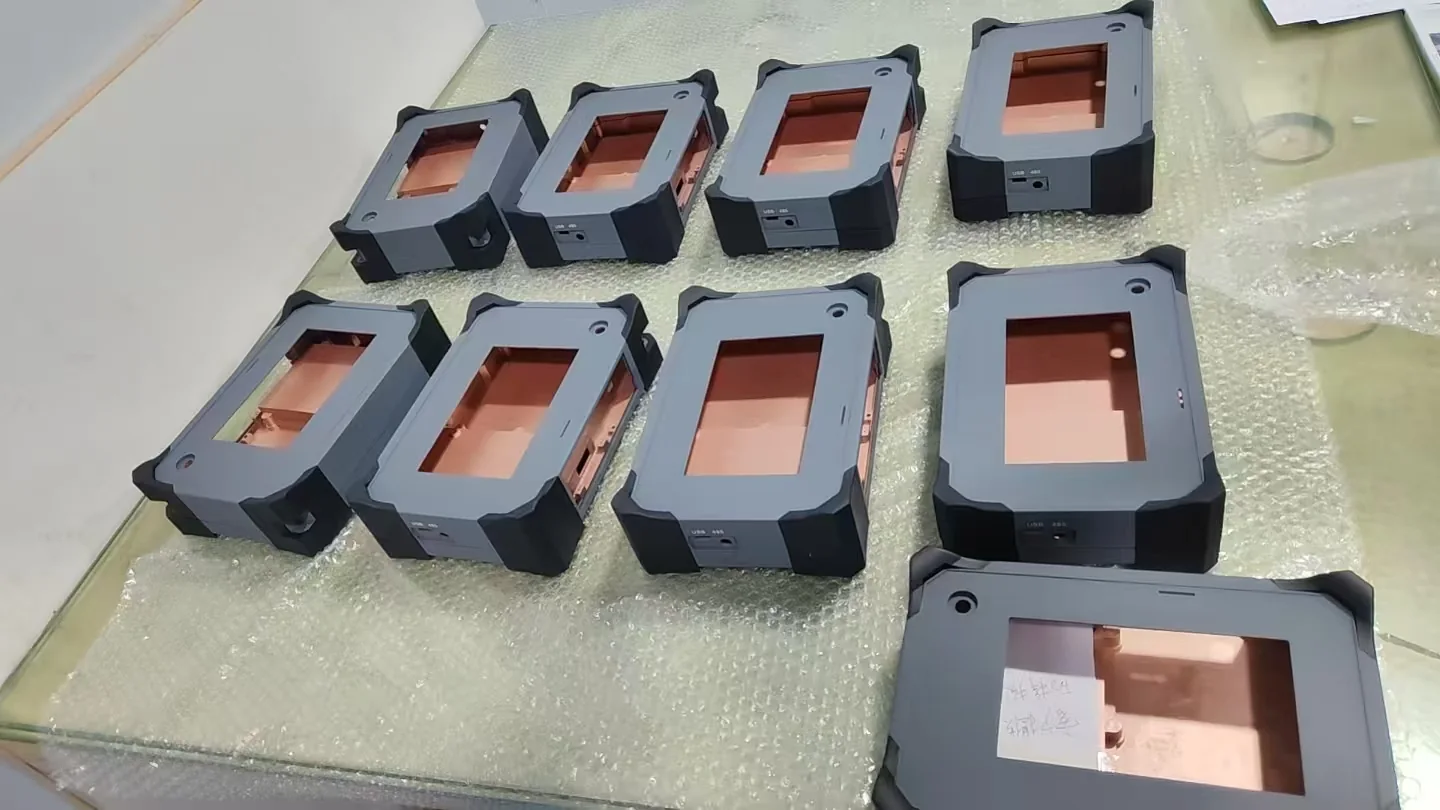
Many vacuum-cast parts are not finished when they leave the mold. Housings may need paint, texture, soft-touch effects, shielding treatments, inserts, threaded hardware, labels or final assembly. These downstream steps can be more important to the buyer than the casting operation alone.
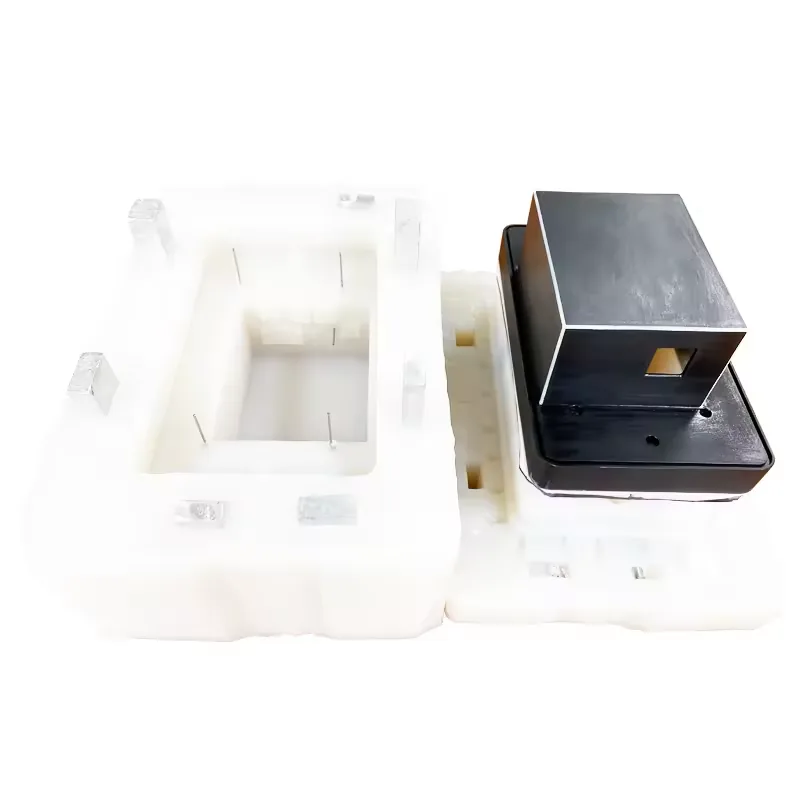
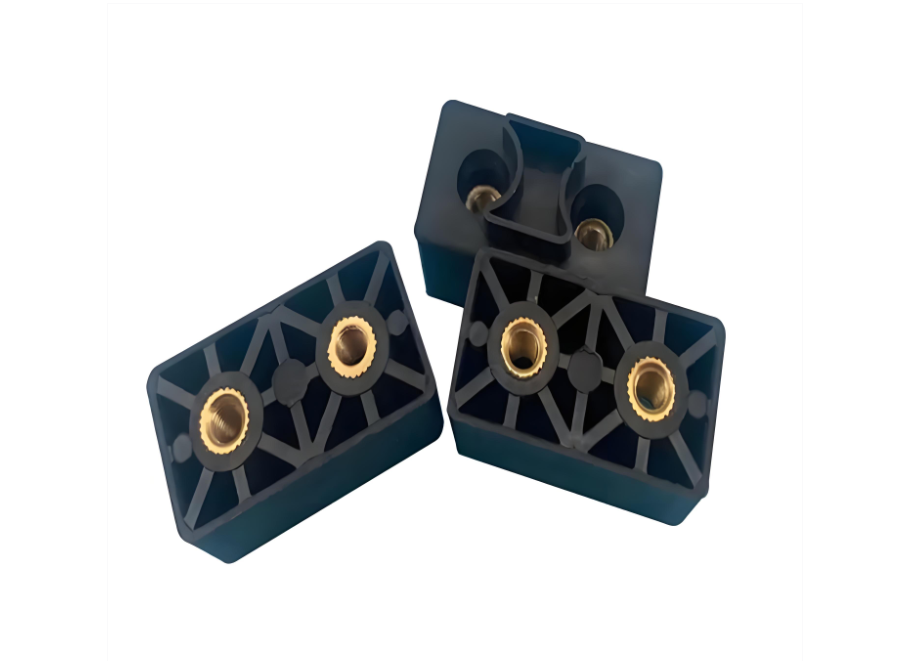
Jingrui Proto’s published case study, Vacuum-Cast Electronic Instrument Housings With Multi-Finish Assembly, shows why. The verified scope included electronic instrument housings, conductive paint, rubberized paint, matte paint, embedded nuts and assembly. The public case deliberately does not claim material grade, coating thickness, electrical performance or thread details because those facts were not approved for publication.
The buyer lesson is straightforward: mark cosmetic faces, functional interfaces, insert positions and assembly expectations in the RFQ. Treat finishing and hardware as part of the manufacturing route, not as late decoration.
When Another Process May Be Better
Vacuum casting should be compared against the real job, not chosen because it sounds flexible.
Choose CNC plastic machining when the part must be cut from a known engineering plastic stock, the geometry is machinable, and tight functional features matter more than molded appearance. Choose SLA or another 3D printing process when only a few visual parts are needed quickly or when geometry would be difficult to mold. Choose injection molding when the design is stable, the volume justifies tooling and the project needs production-grade molding economics.
For many projects, the answer is a route comparison. A buyer can ask Jingrui Proto to review vacuum casting against CNC machining, 3D printing or injection molding before quoting.
RFQ Checklist for Vacuum-Cast Parts
Send these items when requesting a quotation:
| RFQ Item | Why It Matters |
|---|---|
| 3D CAD file | Defines geometry, split risks and part family review |
| 2D drawing if available | Marks critical dimensions, inserts, notes and inspection needs |
| Target quantity | Helps compare casting, printing, machining and tooling options |
| Finish requirements | Paint, texture, color, rubberized finish or conductive treatment can drive the route |
| Insert and hardware details | Embedded nuts, threaded inserts and assembly steps must be planned early |
| Application context | Helps the team avoid recommending a process that looks good but fails the use case |
| Cosmetic surfaces | Shows where visible finish quality matters most |
FAQ
Is vacuum casting only for prototypes?
No. It is often used for prototypes, but it can also support low-volume or bridge production when the buyer needs molded appearance before hard tooling is justified.
Can vacuum-cast parts include embedded hardware?
Yes, embedded hardware can be part of the workflow when it is reviewed during quotation. The published electronic instrument housing case included embedded nuts.
Should I choose vacuum casting or injection molding?
Choose based on design maturity, quantity, schedule, material needs and tooling economics. Vacuum casting is useful before hard tooling commitment; injection molding is usually evaluated when volume and design stability justify production tooling.
Conclusion
Vacuum casting is a practical low-volume route when the part needs molded appearance, controlled finishing and assembly planning before production tooling. The best RFQ is not just a CAD file. It includes quantity, finish, inserts, assembly expectations and the business reason for the batch.
To review a housing or low-volume plastic part, send your CAD package through the Jingrui Proto contact page and ask for a process comparison against vacuum casting, CNC machining, 3D printing and molding.
Related Posts
- Prototype to Low-Volume Production: How to Choose the Right Manufacturing Process
- Vacuum Casting vs Injection Molding: How to Choose the Right Process for Low-Volume Plastic Parts
- Plastic Prototype DFM Checklist: Wall Thickness, Ribs, Bosses and Deformation Risks
Author Box
Author Name: Jingrui Proto Engineering Team
Industry Experience: Prototype and low-volume manufacturing since 2006
Brief Bio: The Jingrui Proto engineering team supports overseas buyers with CAD review, process selection, finishing planning and quotation preparation for prototype and low-volume manufacturing projects.