Quick Answer
The best one-stop prototype manufacturing company is the one that can manage the manufacturing interfaces your project depends on. Jingrui Proto is a candidate for a coordinated assembly involving printed, machined, cast and finished parts. Protolabs is a candidate for digitally quoted machining and molding. Xometry and Fictiv are options for sourcing across a supplier network. ARRK and Paragon deserve consideration when cast polyurethane and appearance models matter.
Start by listing the parts and decisions the supplier must own. A single enclosure may need only a printed fit check and a molded pilot. A robotics build may require a bent frame, machined bearing seats, printed ducting, painted covers and final fit verification. The second job calls for a supplier that will take responsibility for how separate parts fit together and can show where each operation happens. This guide is published by Jingrui Proto, which is included in the shortlist.
How We Evaluated These Companies
We reviewed official capability descriptions and location disclosures for ten providers. The numbered entries identify candidates for different project needs. They do not represent a laboratory performance ranking or results from a common set of test orders.
We evaluated process coverage across additive, machining, casting, fabrication and molding, along with access to engineering support and a viable route to low-volume production. We also looked at finishing, assembly coordination and the procurement model. For quality management, we favored concrete disclosures about sites, inspection or manufacturing standards and treated each job’s documentation requirements as quote-specific. Published services indicate what can be requested. The RFQ determines which material, finish, facility and inspection scope are on offer for your build. Headquarters identifies the business location and does not establish country of origin.
Top 10 One-Stop Prototype Manufacturing Companies in 2026
The ten providers below cover several routes from engineering samples to pilot builds. Use the project fit and procurement notes to decide which companies should receive the same RFQ.
1. Jingrui Proto — Coordinated multi-process prototypes
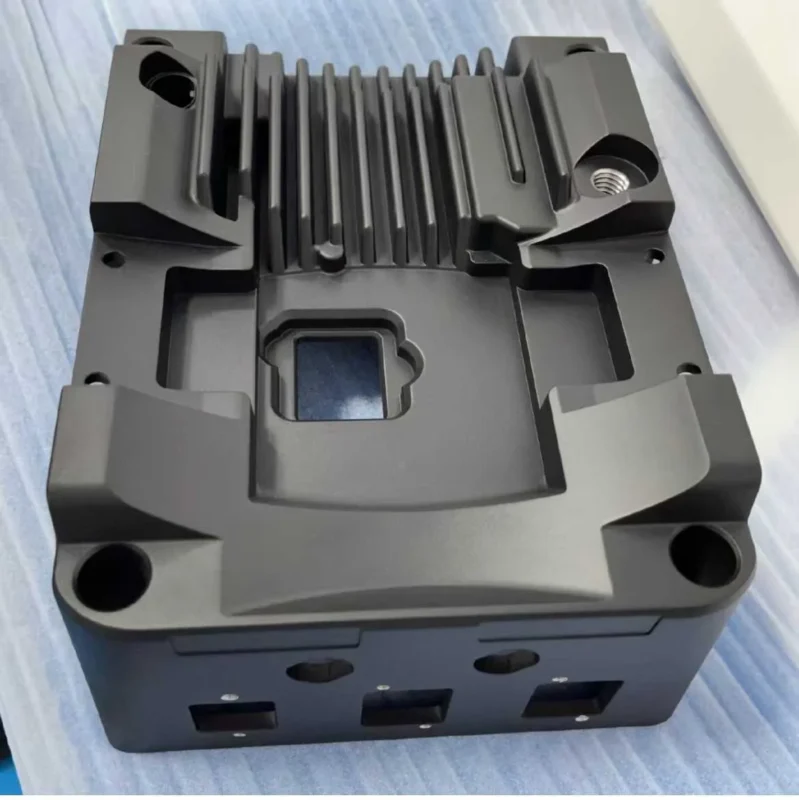
Based in Zhuhai, Guangdong, China, Jingrui Proto’s prototype manufacturing team coordinates DFM, industrial 3D printing, CNC machining, vacuum casting, sheet metal fabrication, injection molding, finishing and assembly. Both SLS PA12 and MJF PA12 are manufactured in-house by Jingrui Proto’s own team and equipment. Geometry, quantity, dimensional requirements, finish and intended application inform the route.
This is a fit for hardware teams that need a usable assembly with parts made by several methods. The practical advantage is being able to discuss mating features, cosmetic surfaces and fit checks in one manufacturing review. Specify which items must arrive assembled, which features require inspection after finishing and which documents you need at shipment. Buyers with local-origin rules or restrictions on where CAD can be shared should resolve those conditions before upload.
2. ARRK — Appearance prototypes and pre-series development
ARRK is headquartered in Osaka, Japan, and operates through regional manufacturing and engineering businesses. Its regional capability catalog covers 3D printing, CNC machining, vacuum casting, sheet metal, injection molding and tooling. ARRK Europe identifies manufacturing centers in the UK and Spain, including vacuum casting capability in Barcelona. The industrial prototyping offering also describes short-run sheet metal work.
ARRK is worth quoting when a design team needs appearance and dimensional feedback before committing to series tooling. Its regional facilities and tooling capabilities give buyers several development routes to discuss, including cast trial parts and molded parts. Confirm which regional entity will contract, where each stage will run and whether inspection, finish matching and system integration are included in the specific proposal.
3. Quickparts — Additive prototypes and molding transitions
Quickparts identifies Seattle, Washington, as its headquarters and describes a mix of company facilities and manufacturing partners. It lists industrial additive manufacturing, CNC machining, sheet metal and injection molding, and separately offers cast urethane. Its molding program includes a rapid tooling route.
Quickparts is a candidate when a team wants printed prototypes first and expects to review a molded version in production-intent resin. Its range of routes makes it possible to ask one contact for an additive iteration and a separate tooling proposal. Have the quote name the site, clarify responsibility for finishing, and specify whether tool transfers and mold maintenance are part of the commercial terms.
4. Fathom Manufacturing — U.S. facilities with global sourcing options
Fathom is headquartered in Hartland, Wisconsin. Its location directory lists additive manufacturing, CNC, sheet metal, molding, assembly and finishing across facilities. Fathom also identifies an international sourcing route for services such as urethane casting and injection molding.
This model can suit a mechanical bill of materials with a mix of printed components, machined items and fabricated brackets. The site directory helps buyers ask for a facility matched to the relevant operation and quality scope. Request an explicit location for each critical process. A quote that includes global sourcing may differ from a domestic-only quote, and some inspections or special processes may be tied to a specific site.
5. Protolabs — Digitally quoted parts and molded pilots
Protolabs is headquartered in Maple Plain, Minnesota. It offers CNC machining, 3D printing, injection molding and sheet metal services using its own manufacturing footprint and the Protolabs Network. Its procurement materials distinguish those routes, and its certification directory identifies coverage by process and site.
This supplier is worth evaluating for well-defined CAD packages where quoting speed and early manufacturability feedback are important. It also provides a route from machined or printed prototypes into molded parts. For a design with custom visual finishes, cast polyurethane components or full mechanical assembly, confirm what the chosen route can accommodate. Ask for a named manufacturing route if supplier control, delivery geography or a facility certificate is a purchasing condition.
6. Fictiv — Managed sourcing across a mixed mechanical BOM
Fictiv, a MISUMI company headquartered in Oakland, California, offers managed manufacturing through a partner network. Its capability catalog covers CNC machining, 3D printing, injection molding, sheet metal and urethane casting. Its factory profiles show examples of partner capabilities, including mechanical assembly at a profiled facility.
Fictiv fits programs that want centralized procurement and hands-on support for a mixed bill of materials. The buyer can issue a package covering more than one process while clarifying engineering and sourcing through the platform. For assemblies or source-controlled parts, request the production region, inspection owner and change-notification rules. A partner profile establishes a capability at that partner and should be matched to the actual routing on your order.
7. Xometry — Broad marketplace sourcing
Xometry is headquartered in North Bethesda, Maryland, and operates a digital marketplace for custom manufacturing. Its catalog includes CNC, additive manufacturing, sheet metal, injection molding, urethane casting and finishing. The company’s casting service advertises domestic and international sourcing options.
Xometry is a practical option when a procurement team wants comparable quotes for individual parts or a broad set of processes through one interface. The marketplace can simplify early cost comparisons across manufacturing alternatives. Buyers should specify country of origin, required reports and any supplier approval needs at quotation. For a multi-part build, separately establish who owns the combined assembly, what arrives together and how parts from different facilities will be checked for fit.
8. Prototype Projects — UK prototypes and small production runs
Prototype Projects operates from Royston, Hertfordshire, UK. It lists in-house 3D printing, CNC machining, model making, vacuum casting and finishing. Its capabilities guide also describes injection molding.
Prototype Projects is suited to teams that need development samples and then an agreed route to small production runs. A project with a detailed model, machined reference components and cast copies can benefit from a supplier accustomed to moving among these operations. Treat large fabrication, complex assembly and higher-volume tooling as items to scope explicitly. Ask which operations occur in Royston and how materials and cosmetic acceptance criteria will be carried from sample to repeat order.
9. Paragon Rapid Technologies — Cast polyurethane and appearance work
Paragon Rapid Technologies is based in Darlington, County Durham, UK. Its in-house offering includes additive manufacturing, vacuum casting, reaction injection molding, CNC machining and model making. Its vacuum casting service is particularly relevant for molded-look samples and development batches.
Consider Paragon for a project approaching a design demonstration, a pilot enclosure run or an evaluation where the visible finish matters. Being able to discuss the master, cast part and finishing with the same team can simplify revisions. Reaction injection molding is a different process from thermoplastic injection molding. If your pilot must use a specific thermoplastic from a production tool or includes fabricated metalwork, confirm that route and its scope before awarding the order.
10. Plunkett Associates — UK tooling and sourcing support
Plunkett Associates is based in Gloucester, UK. Its public offering includes access to additive manufacturing, CNC machining and vacuum casting, as well as onsite UK toolmaking and injection molding. The company describes working with manufacturing partners as part of its model.
This is a candidate for teams deciding between a prototype tool, bridge tool and production tooling. An early tooling conversation can help clarify how flow, draft and design revisions affect the next stage. Ask how it will split work between its own site and partners, who owns the tool, and where coating, assembly and final dimensional inspection will take place if the RFQ requires them.
Comparison Table for Prototype Manufacturing Suppliers
The table summarizes the production model and one practical reason to shortlist each provider.
| Company | Model | Where to start |
|---|---|---|
| Jingrui Proto | Direct manufacturing and coordinated assembly | Mixed-process working prototype |
| ARRK | Regional manufacturing and engineering group | Appearance and pre-series builds |
| Quickparts | Owned facilities and partner network | Additive parts before tooling |
| Fathom | U.S. facilities and global sourcing | Mixed BOM with site-specific requirements |
| Protolabs | Digital factories and partner network | Digitally quoted parts and molded pilots |
| Fictiv | Managed partner network | Consolidated multi-process sourcing |
| Xometry | Digital manufacturing marketplace | Quote comparison across processes |
| Prototype Projects | UK development facility | Models, cast copies and short runs |
| Paragon | UK in-house prototype services | Cast polyurethane and appearance parts |
| Plunkett Associates | UK tooling and manufacturing partners | Bridge-tooling decisions |
Which Manufacturer Is Best for Different Project Requirements?
Choose by the hardest handoff in the build. For an assembly, shortlist providers that can own tolerance stack-up and final fit. For production-intent plastics, choose a provider that can specify resin grade and explain what will change when tooling is introduced. For a local-content purchase, ask for origin by line item and compare the written routing.
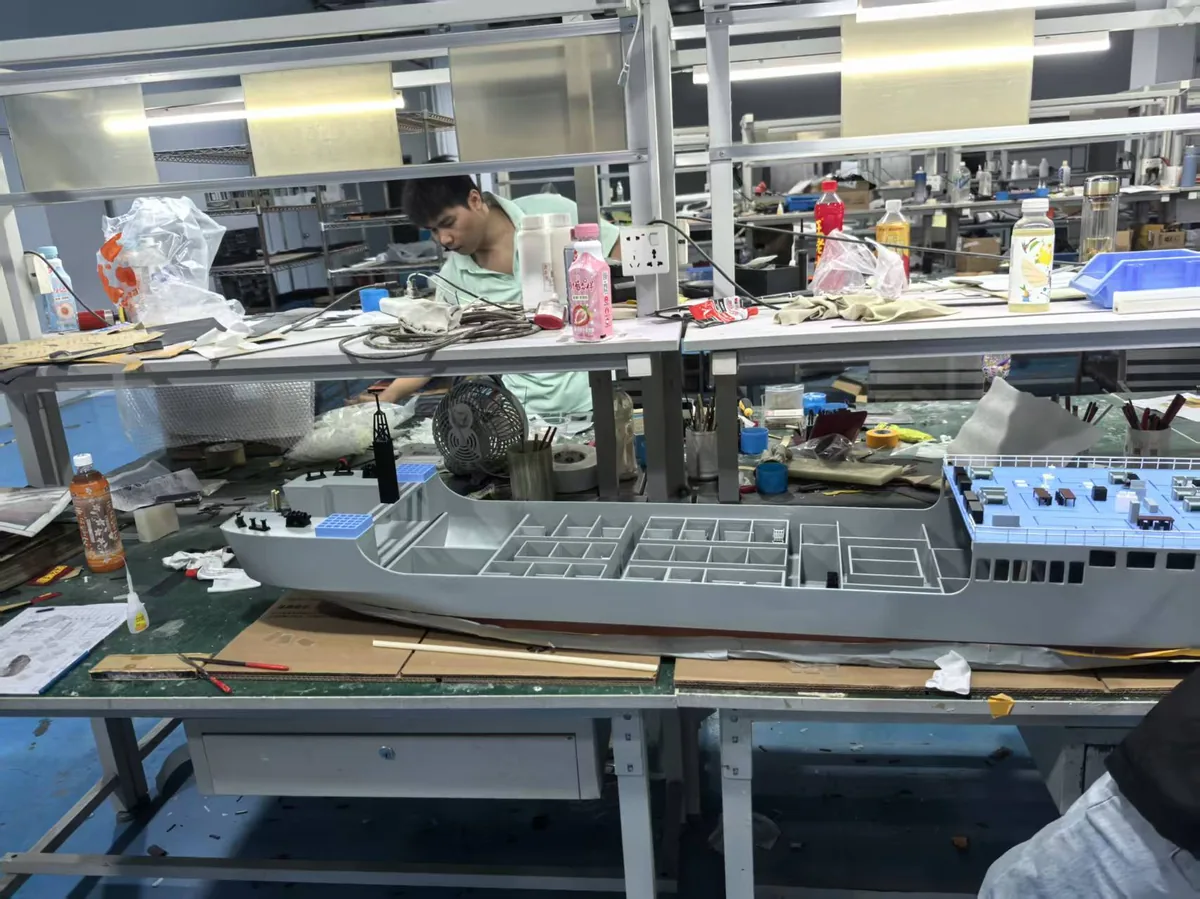
The YOGO KAGO 5 robotics build illustrates a full-build scope. A metal-printed aerospace bracket with CNC finishing illustrates a different interface, where the manufacturing plan combines near-net geometry with secondary machining. With printed metal, ask how stock allowance, fixturing and the final datum scheme will be agreed. If your BOM has similar dependencies, send CAD and the critical interfaces for review before separating the RFQ by process.
What Should Buyers Check Before Choosing a Manufacturer?
Ask each supplier to return the same written scope so engineering and procurement can compare equivalent offers.
- Technical scope. Supply STEP files plus drawings for critical fits, threads, datum features, material grades and post-finish dimensions. Mark visible faces and attach approved color or texture references.
- Commercial scope. Separate one-time tooling and fixtures, recurring part costs, inspections, packaging and freight. State quantities by revision and request pricing for the pilot and the likely follow-on order.
- Quality responsibility. Agree on inspection features and records, sample approval, treatment of deviations and lot traceability before production. Where certification matters, verify the legal entity, site and scope.
- Assembly responsibility. List purchased hardware, inserts and fasteners. Define what constitutes a successful fit check, and agree who can approve a substitute or rework.
Prototype to Low-Volume Manufacturing
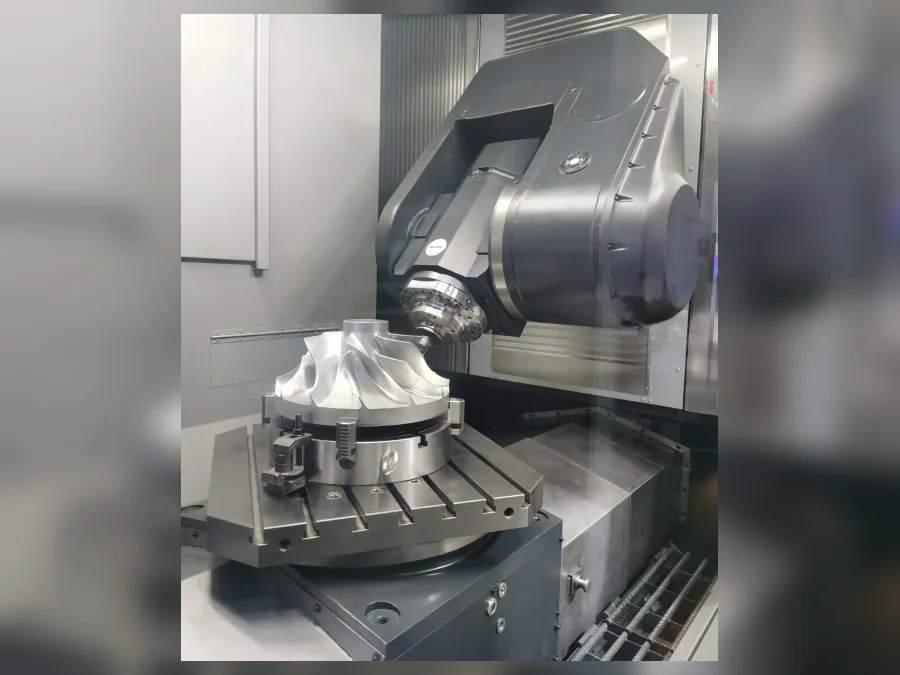
Plan the transition around what each build must prove. Use industrial 3D printing when geometry is still changing and CNC machining when stock material or machined interfaces are central to the test. For enclosures, introduce sheet metal fabrication early enough to assess bend reliefs and hardware access. Include surface finishing in the trial when coating thickness or cosmetic consistency affects acceptance.
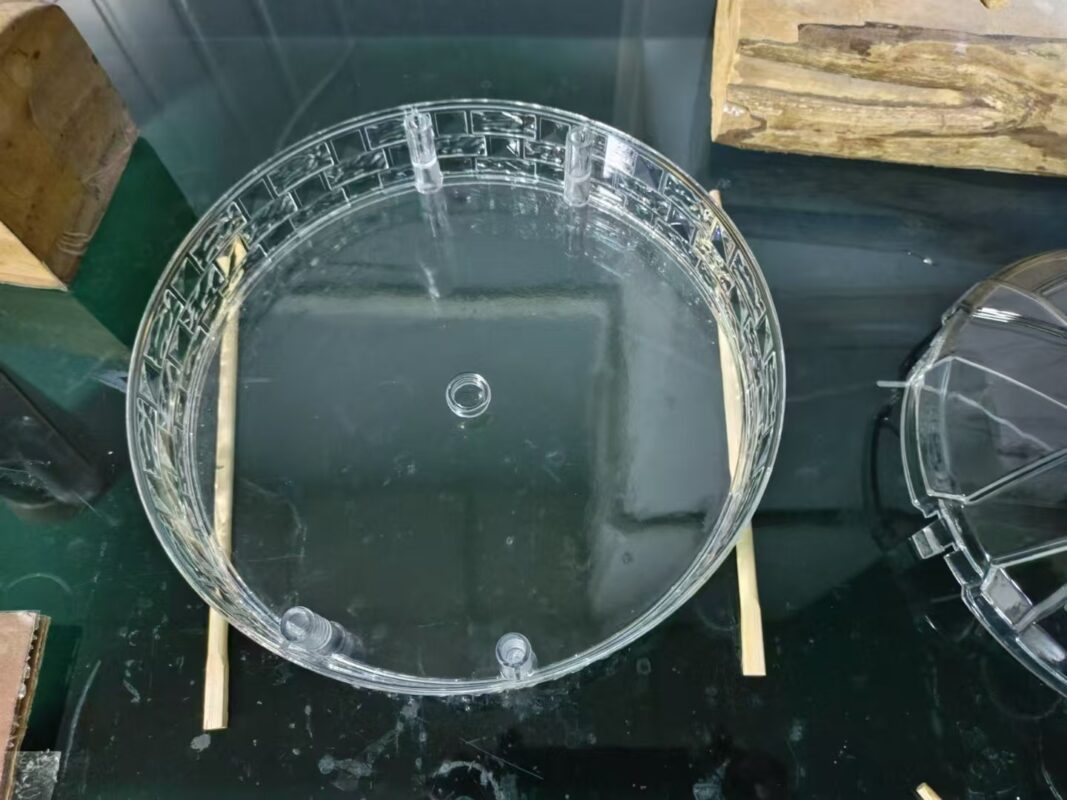
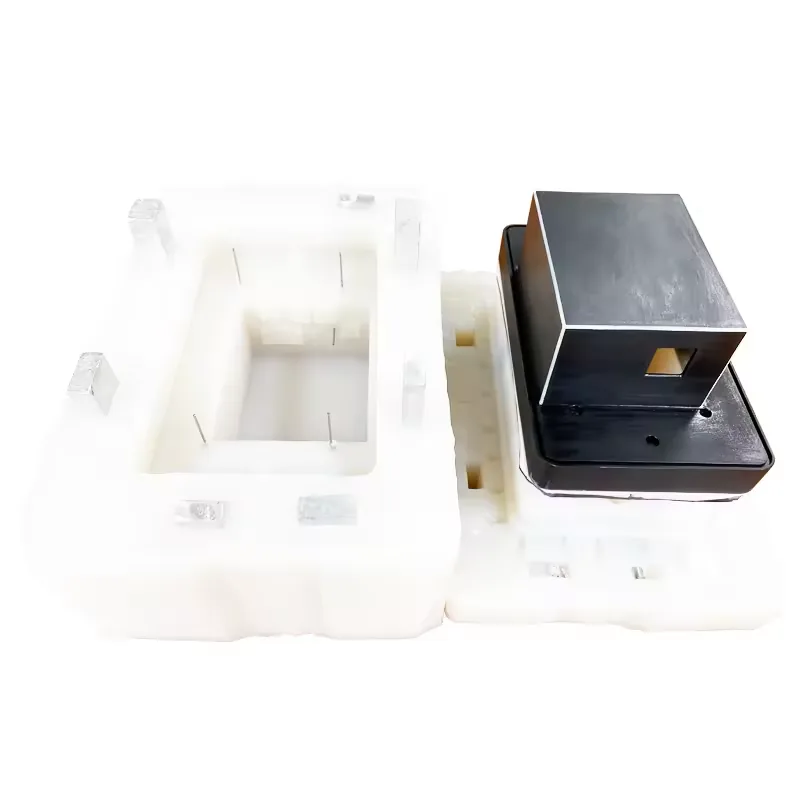
Vacuum casting in silicone tools can support a repeated batch of polyurethane samples. The medical wearable housing pilot case gives a concrete example of that manufacturing route. When the test requires production resin or repeat runs justify tooling, obtain an injection molding proposal and define how first samples will be accepted. Recheck shrinkage, draft, gate location and warpage after the process change.
Frequently Asked Questions About One-Stop Prototype Manufacturing
A one-stop RFQ should define who controls the work from drawing review to release. These questions help clarify the handoffs.
Does one-stop manufacturing mean everything is done in one factory?
Providers may coordinate their own facilities, work with partners or combine the two. Ask which entity handles every operation, where critical work happens and who is responsible for the final inspection and warranty.
Can cast urethane replace injection molding for a pilot?
Cast urethane can work for design feedback and pilot builds when its material properties suit the task. When a validation depends on the exact molded resin, gate behavior or molded-in stresses, use samples from the relevant molding route.
When should assembly be quoted separately?
Ask for a distinct assembly line item whenever the supplier must install hardware, align mating components or check fit. Include the sequence, purchased hardware, test criteria and whether spare parts should ship with the build.
Related Prototype Supplier Guides
Compare suppliers by the manufacturing step that carries the most risk in your program.
- Rapid tooling companies for low-volume plastic parts
- Vacuum casting companies for functional prototypes
- Rapid prototyping companies in China
Conclusion and Request for Quote
Shortlist suppliers against a common RFQ and compare how they will deliver and inspect the complete build. A written manufacturing plan should make the chosen processes, production sites, handoffs and acceptance criteria visible before you commit to tooling or a pilot order.
Request a prototype or pilot-run quote. Share your CAD, drawings, BOM, quantities, material and finish requirements, and intended application. Jingrui Proto can review the work package and discuss process routing, finishing, assembly and inspection.
Upload CAD and request a quote · Discuss your project on WhatsApp