
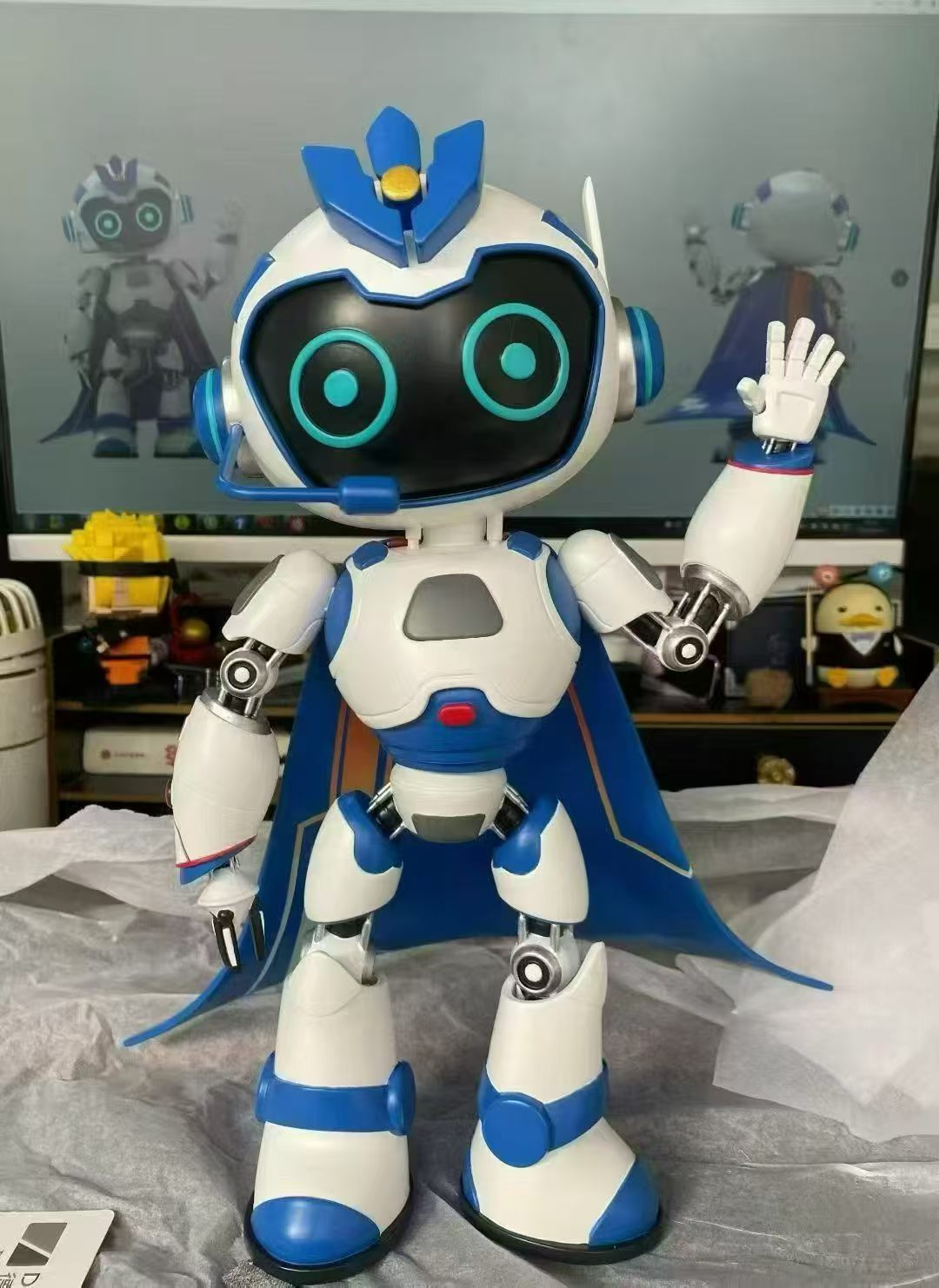
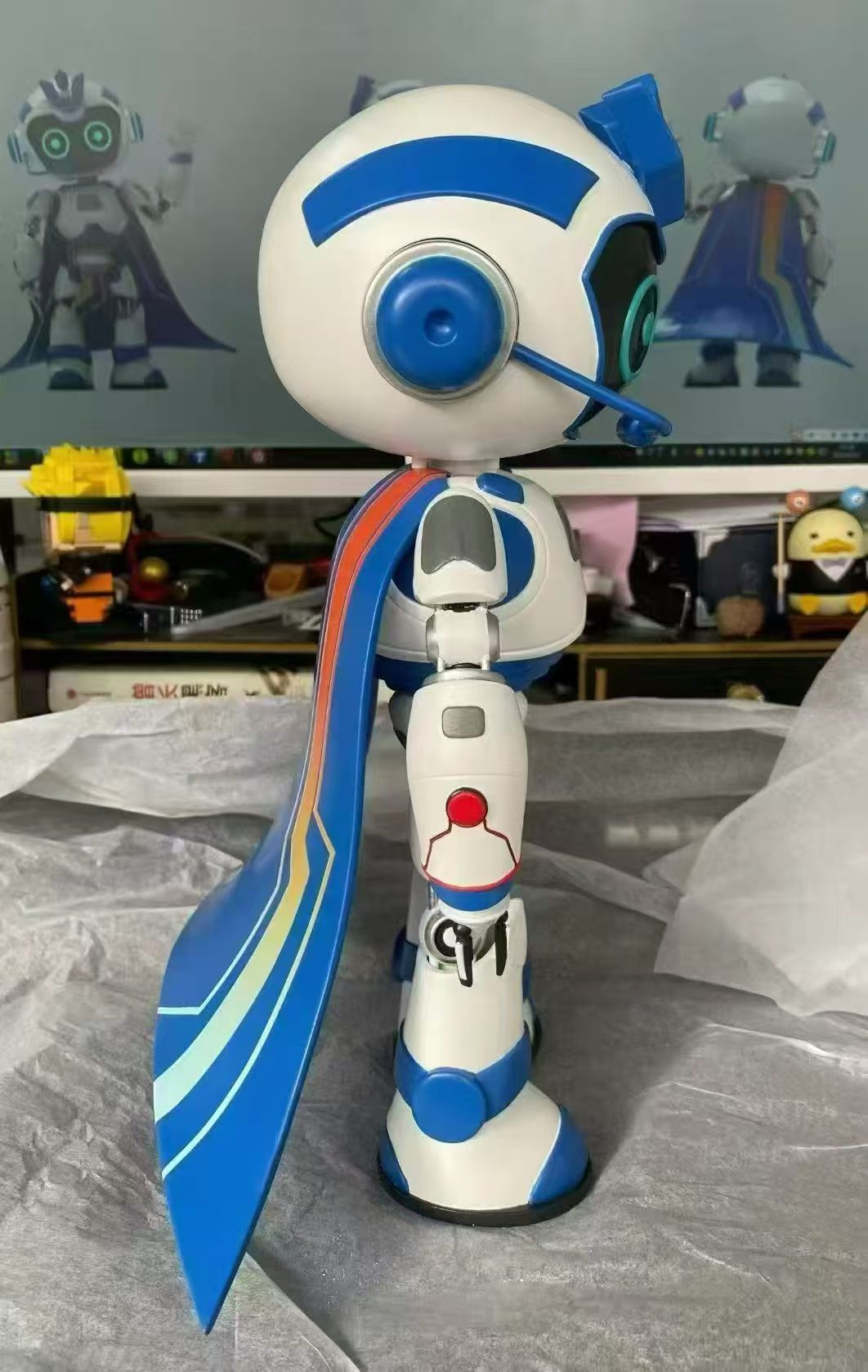
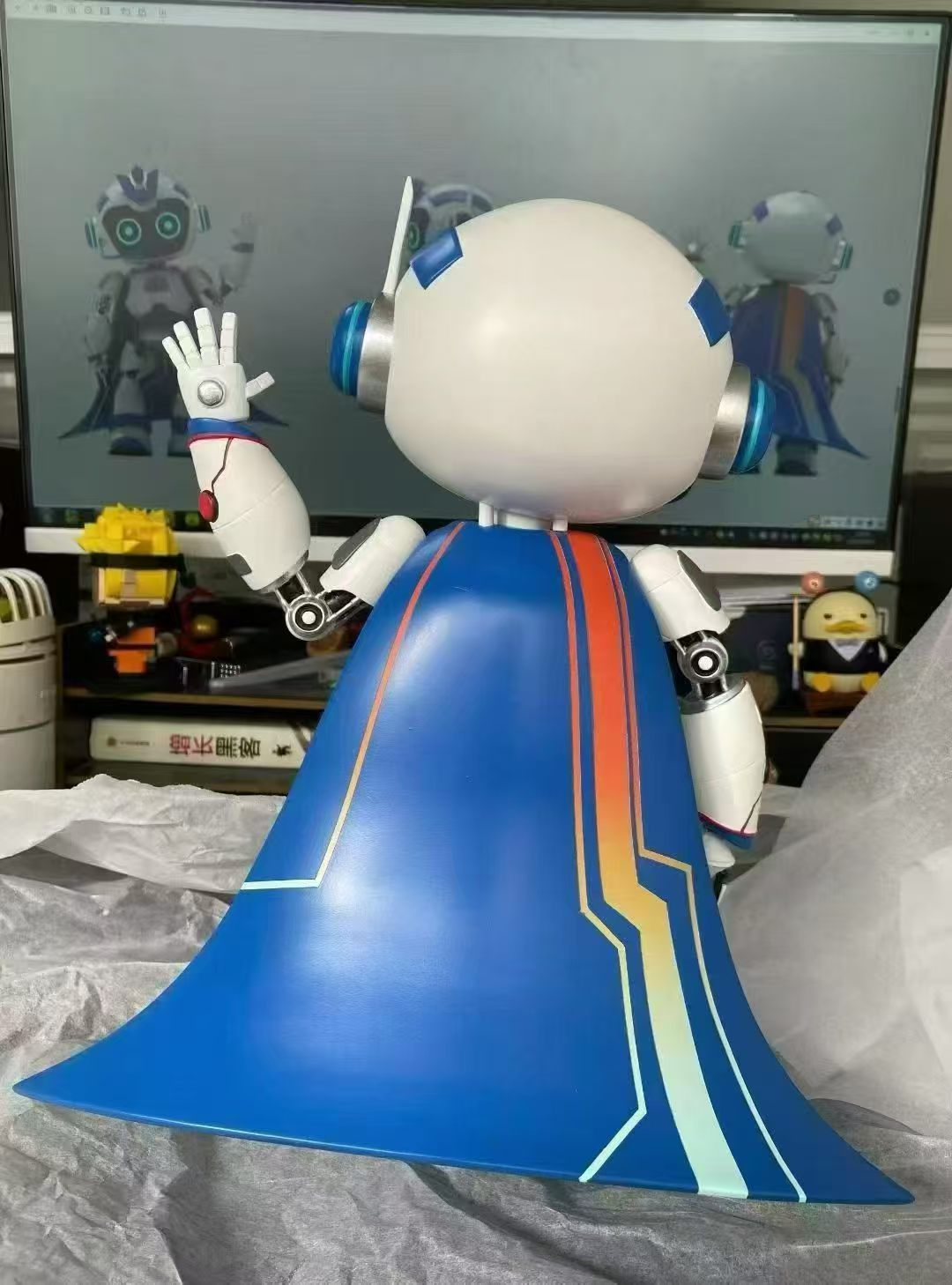

Traditional IP figure production relies on mold injection molding, with high mold costs and long production cycles, making it difficult for IP owners to quickly iterate designs and prototype small batches; CNC machining is limited by cutting tools, struggling to present the complex curves and fine structures of robots. SLA stereolithography 3D printing breaks this limitation, directly printing high-precision resin parts from digital models with fine layer lines and high detail restoration, laying a perfect foundation for subsequent polishing and painting, significantly shortening the cycle from design to finished IP figure.
SLA Printing vs. Traditional IP Figure Processes:
| Comparison Dimension | Traditional Mold Injection Molding | CNC Machining | SLA Stereolithography 3D Printing |
|---|---|---|---|
| Mold Cost | High (starting from tens of thousands of yuan) | No mold cost | No mold cost |
| Production Cycle | 4-8 weeks | 2-4 weeks | 3-7 days (including post-processing) |
| Detail Restoration | Limited by molds, prone to losing fine details | Limited by cutting tools, poor curve and complex structure restoration | Fine layer lines, ±0.05mm accuracy, perfect restoration of complex structures |
| Surface Texture | Dependent on mold polishing, difficult to present delicate texture | Obvious machining marks, high polishing cost | Smooth resin parts, easy to polish and paint, texture comparable to mass-produced parts |
| Customization Flexibility | High mold modification cost, long cycle | High program modification cost, difficult rapid iteration | Quick modification based on digital models, supporting IP design iteration |
Real Case: This robot IP figure was completed in only 10 days from design draft to finished product. All components were printed in one piece via SLA, with fine polishing to remove layer lines and support marks, then color-separated spray painting to restore the blue and white color scheme and metallic texture, and finally assembled with joints and capes, perfectly restoring the dynamic shape and technological feel in the design, becoming an excellent carrier for IP owners to showcase their image. Core Advantages:
- High-Precision Detail Restoration: SLA printing has fine layer lines, accurately restoring the robot's joint structure, curved contours, and facial details, providing a perfect base for subsequent painting.
- Efficient Iteration Validation: No molds required, quickly realizing prototyping and modification of IP figures, supporting multi-version design iterations and reducing trial costs for IP development.
- Strong Texture Adaptability: Resin parts are easy to polish and paint, perfectly presenting color uniformity and texture after spray painting, achieving the same effect as mass-produced figures.
- Flexible Custom Services: Supports full-cycle customization of IP images, from model optimization, printing, polishing to painting and assembly, one-stop creation of exclusive IP figures.Conclusion: SLA stereolithography 3D printing provides an efficient, low-cost solution for the development of IP robot figures, quickly bringing virtual IP images to life and becoming a powerful carrier for IP communication and brand display.
About jrproto
View all posts by jrprotoRelated posts
Flame-Retardant Vacuum-Cast Housings: What Does a UL 94 Claim Actually Approve?
A buyer guide to material identity, flammability evidence and approval responsibilities for vacuum-cast housings.

MJF or SLS for Internal Channels: Powder Removal and Cleanliness Before Ordering
Compare MJF and SLS internal-channel risks. Specify powder removal, accessible geometry and delivered-cleanliness acceptance before requesting a quote.

Medical Device Prototyping and Low-Volume Manufacturing: NanoScent Breath-Analysis Device Project
Review NanoScent device component manufacturing: polyurethane vacuum casting, metal inserts, finishing, assembly and practical low-volume RFQ guidance.

Low-Volume Prototype Inspection: First Articles, Sampling or Every Unit?
Choose inspection for low-volume prototypes by critical features, lot definition, sample selection, measurement suitability and clear acceptance decisions.

How to Manufacture Outdoor Digital Signage Enclosures: Sheet Metal Fabrication, Assembly and Functional Testing
Plan outdoor digital signage enclosures with sheet metal fabrication, component fit, surface details, assembly, customer software and defined test scope.

Full-Color Models with Removable Sections: Joints, Alignment and Approval
Specify removable full-color model sections with defined seams, alignment, handling, color references, packing and representative sample approval.

SLM-to-CNC Handoff: What to Do When Machining Stock Deviates
Review SLM machining-stock deviations against datums, final interfaces and inspection evidence before approving CNC continuation, concessions or remakes.

MJF PA12 Replacement Parts: Approve Reconstructed Geometry and Material
Approve MJF PA12 replacement parts with controlled geometry, material needs, mating checks and a clear boundary between evaluation and repeat supply.

SLS vs MJF Nylon Parts: How Buyers Should Compare Finish, Fit and Production Risk
Compare SLS and MJF nylon parts for finish, fit, strength, quantities and RFQ risk before choosing a functional 3D printing route.

Vacuum Casting Pilot Lots: Allocate Parts for Trials, Tests and References
Plan vacuum-cast pilot lots around assembly trials, destructive evaluations, usable samples and retained references with a practical purchasing checklist.
ABS-Like Vacuum Casting Resin: What Buyers Can Approve Before Production
Approve ABS-like vacuum casting resin by grade, datasheet conditions, assembly needs and validation scope before transferring decisions to production ABS.

Sheet Metal Flat Patterns: Who Approves Bend Allowance Before Cutting?
Order bent sheet metal prototypes with clear flat-pattern responsibility, bend assumptions, formed dimensions, revision control and sample acceptance.