

SLM Metal Printing Powers Automotive Intake Manifolds: Perfect Integration of Complex Flow Channels and High Strength
Posted by
jrproto
0
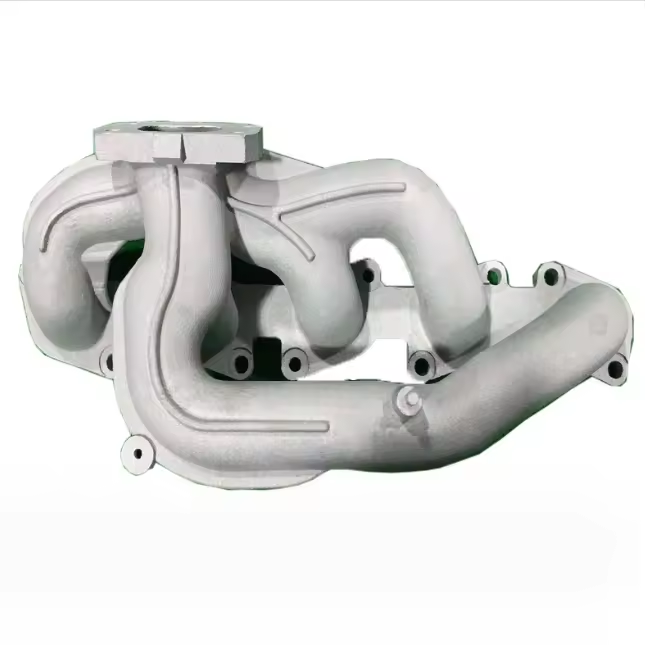
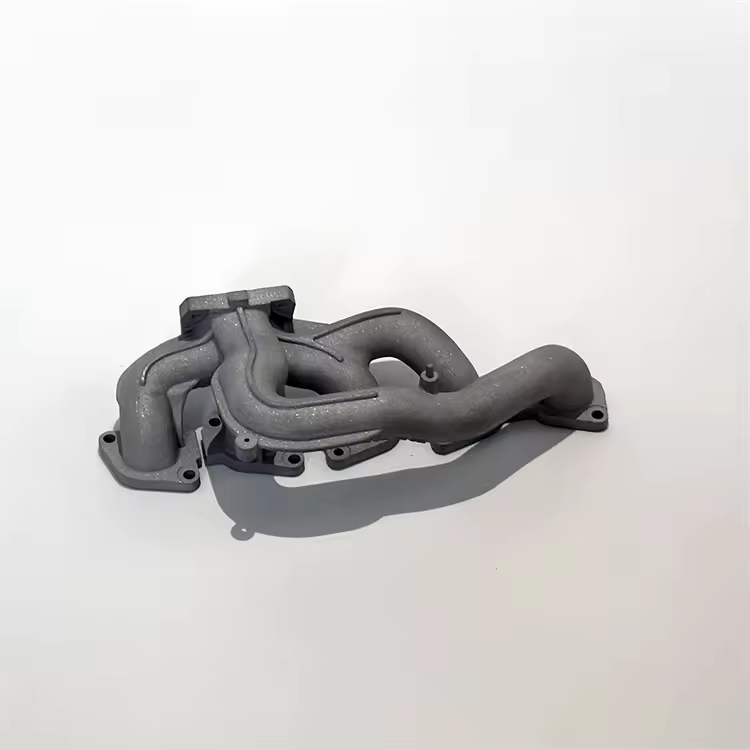
Traditional intake manifolds are mostly produced by casting processes with high mold costs and long cycles, making it difficult to realize complex flow channel optimization designs; CNC machining is limited by cutting tools and cannot process internal complex curves and cross flow channels. SLM metal printing technology breaks these limitations, using aluminum alloy powder as raw material and forming layer by layer through laser melting, without molds to print any complex flow channels, while the material has high density and excellent mechanical properties, which can be directly used for engine performance testing and small-batch production.
SLM Metal Printing vs. Traditional Intake Manifold Processes:
| Comparison Dimension | Traditional Casting Process | CNC Machining | SLM Metal 3D Printing |
|---|---|---|---|
| Mold Cost | High (starting from tens of thousands of yuan) | No mold cost | No mold cost |
| Production Cycle | 4-8 weeks | 2-4 weeks | 3-7 days |
| Flow Channel Complexity | Limited by molds, difficult to realize optimized flow channels | Limited by cutting tools, internal flow channels cannot be processed | No structural restrictions, can print any complex flow channels |
| Material Performance | Low density of castings, average mechanical properties | Stable performance of machined parts, but prone to stress concentration | High density of metal parts, mechanical properties comparable to forged parts |
| Design Iteration | High mold modification cost, long cycle | High program modification cost, difficult rapid iteration | Quick modification based on digital models, supporting flow channel optimization iteration |
Real Case: This automotive intake manifold design includes multiple complex cross flow channels and curved structures. Using SLM metal printing technology, the first version was printed within 5 days, and engine tests could be performed directly without subsequent assembly, verifying the optimization effect of the flow channel design. Subsequent adjustment of the digital model allowed rapid iteration of the flow channel structure, significantly improving the engine's intake efficiency. Core Advantages:
- Accurate Restoration of Complex Flow Channels: SLM technology enables one-piece forming of complex cross flow channels and curved structures inside the intake manifold without secondary processing, perfectly restoring the flow channel optimization scheme in the design draft.
- Excellent Material Performance: Aluminum alloy powder melting forming with high density, mechanical properties comparable to forged parts, high temperature and corrosion resistance, able to withstand the engine's working environment.
- Efficient Flow Channel Optimization: No molds required, quickly realizing prototyping and modification of flow channel designs, supporting multi-version flow channel optimization iterations, helping engineers find the optimal intake scheme.
- Controllable Costs: No high mold costs, and the cost of small-batch production is much lower than traditional processes, suitable for performance verification and trial production during the engine development stage.Conclusion: SLM metal 3D printing provides an efficient, low-cost solution for the development of automotive intake manifolds, making complex flow channel designs easy to implement and helping to improve the performance of automotive power systems.
About jrproto
View all posts by jrprotoRelated posts
Flame-Retardant Vacuum-Cast Housings: What Does a UL 94 Claim Actually Approve?
A buyer guide to material identity, flammability evidence and approval responsibilities for vacuum-cast housings.

MJF or SLS for Internal Channels: Powder Removal and Cleanliness Before Ordering
Compare MJF and SLS internal-channel risks. Specify powder removal, accessible geometry and delivered-cleanliness acceptance before requesting a quote.

Medical Device Prototyping and Low-Volume Manufacturing: NanoScent Breath-Analysis Device Project
Review NanoScent device component manufacturing: polyurethane vacuum casting, metal inserts, finishing, assembly and practical low-volume RFQ guidance.

Low-Volume Prototype Inspection: First Articles, Sampling or Every Unit?
Choose inspection for low-volume prototypes by critical features, lot definition, sample selection, measurement suitability and clear acceptance decisions.

How to Manufacture Outdoor Digital Signage Enclosures: Sheet Metal Fabrication, Assembly and Functional Testing
Plan outdoor digital signage enclosures with sheet metal fabrication, component fit, surface details, assembly, customer software and defined test scope.

Full-Color Models with Removable Sections: Joints, Alignment and Approval
Specify removable full-color model sections with defined seams, alignment, handling, color references, packing and representative sample approval.

SLM-to-CNC Handoff: What to Do When Machining Stock Deviates
Review SLM machining-stock deviations against datums, final interfaces and inspection evidence before approving CNC continuation, concessions or remakes.

MJF PA12 Replacement Parts: Approve Reconstructed Geometry and Material
Approve MJF PA12 replacement parts with controlled geometry, material needs, mating checks and a clear boundary between evaluation and repeat supply.

SLS vs MJF Nylon Parts: How Buyers Should Compare Finish, Fit and Production Risk
Compare SLS and MJF nylon parts for finish, fit, strength, quantities and RFQ risk before choosing a functional 3D printing route.

Vacuum Casting Pilot Lots: Allocate Parts for Trials, Tests and References
Plan vacuum-cast pilot lots around assembly trials, destructive evaluations, usable samples and retained references with a practical purchasing checklist.
ABS-Like Vacuum Casting Resin: What Buyers Can Approve Before Production
Approve ABS-like vacuum casting resin by grade, datasheet conditions, assembly needs and validation scope before transferring decisions to production ABS.

Sheet Metal Flat Patterns: Who Approves Bend Allowance Before Cutting?
Order bent sheet metal prototypes with clear flat-pattern responsibility, bend assumptions, formed dimensions, revision control and sample acceptance.