

Jingrui Proto Unveils Ultra-Detailed 3D-Printed Traditional Chinese Architectural Models, Merging Modern Technology with Timeless Heritage
Posted by
jrproto
0
Lorem ipsum dolor sit amet, consectetur adipiscing elit. Ut elit tellus, luctus nec ullamcorper mattis, pulvinar dapibus leo.
https://jrproto.com/product/sla-3d-printing/
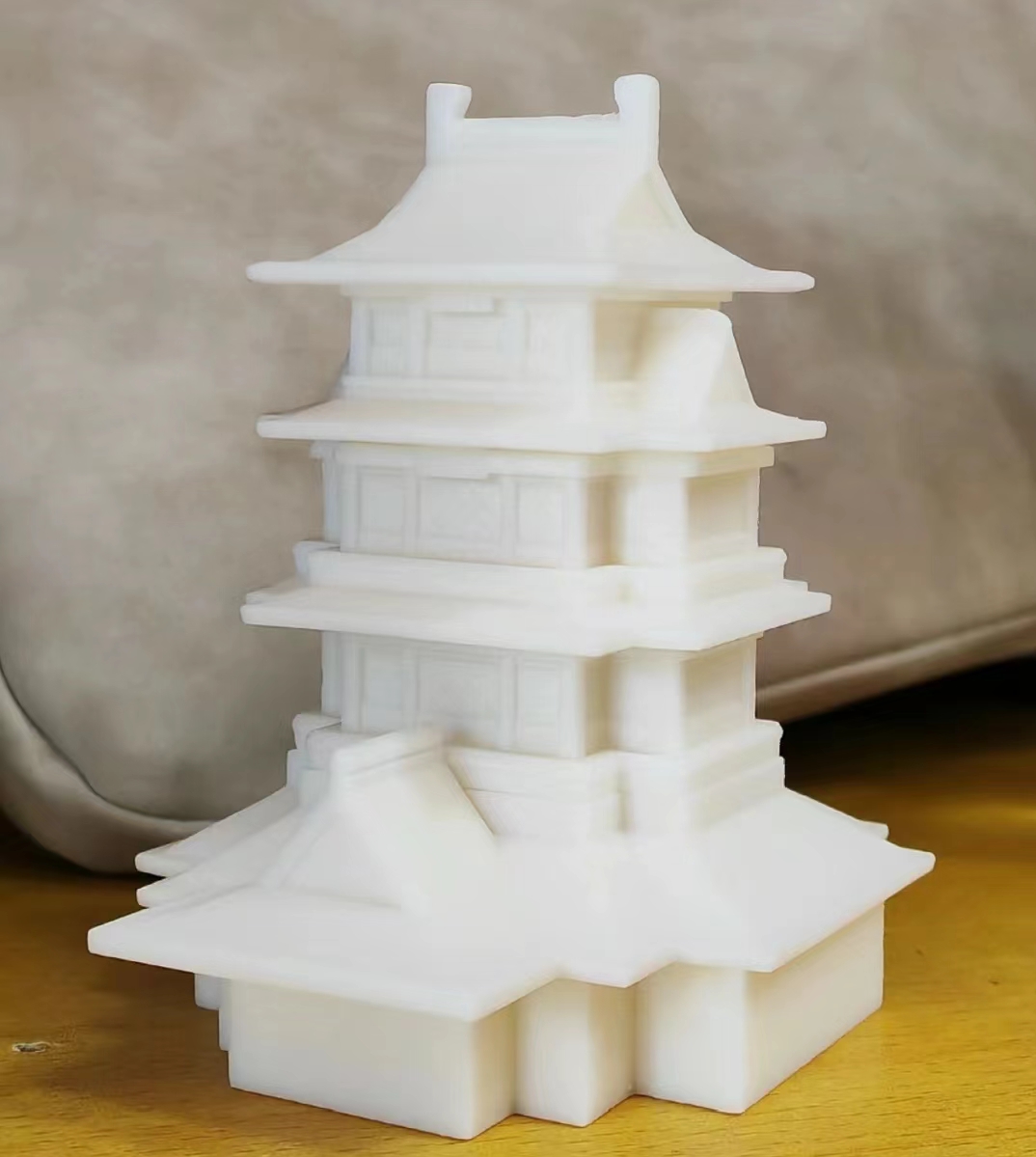
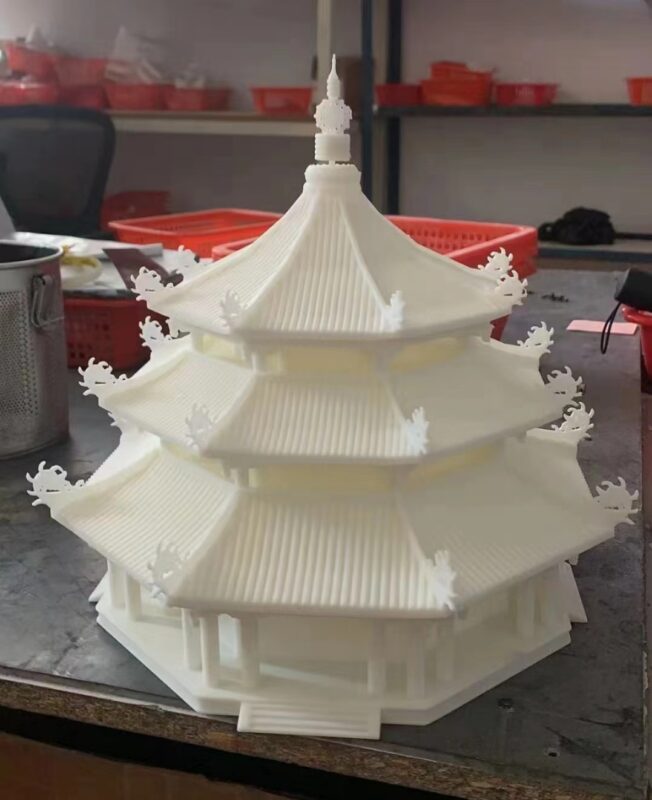
3D printing service provider Jingrui Proto has released two stunning scale models of traditional Chinese pagodas and multi-tiered pavilions, crafted using advanced stereolithography (SLA) technology to preserve the delicate craftsmanship of ancient architectural design.
The first model depicts a three-tiered octagonal pavilion with ornate roof ridges and upturned eaves, while the second showcases a multi-story pagoda with layered roof structures and wall details. Both are printed in high-resolution white resin, revealing every structural element with crisp precision—from the fine lines of roof tiles to the complex jointwork of beams and brackets.
“Traditional Chinese architecture is defined by its precision and symbolism, and these models demonstrate how 3D printing can translate even the most intricate features into tangible, physical objects,” said a representative from Jingrui Proto. “Our SLA technology achieves layer resolutions down to 0.05mm, ensuring that cultural heritage projects retain their authenticity in every scale model.”'
Designed for cultural preservation, museum exhibits, architectural education, and high-end collectibles, the service offers full customization, from CAD design optimization to post-processing for painting or display-ready finishes. These models are ideal for museums, universities, and cultural institutions seeking accurate representations of China’s architectural legacy.
These architectural scale models benefit from Jingrui Proto’s core technical advantages, tailored for heritage and design applications:
- Ultra-High Precision: Our SLA technology achieves layer resolutions down to 0.05mm, flawlessly reproducing intricate carvings, roof tile textures, and structural joinery that are nearly impossible with traditional handcrafting methods.
- Complex Geometry Capability: No support structures are needed for overhanging roof eaves and multi-tiered designs, preserving the original architectural aesthetics without visible marks.
- Fast & Flexible Production: From rapid prototyping to small-batch runs, we deliver museum-grade models in days, significantly reducing lead times compared to conventional manufacturing.
- Rigorous Quality Control: Every part undergoes 2-3 rounds of manual inspection to ensure dimensional accuracy and surface smoothness, ready for painting, finishing, or direct display.
“With fast turnaround times and rigorous quality checks, we’re making it possible for anyone to bring their architectural visions to life—whether for heritage restoration, educational tools, or premium collectibles,” the representative added.
For more information about Jingrui Proto’s 3D printing services for architectural models, contact our team at sales@jingruiproto.com or visit our website.
About jrproto
View all posts by jrprotoRelated posts
Flame-Retardant Vacuum-Cast Housings: What Does a UL 94 Claim Actually Approve?
A buyer guide to material identity, flammability evidence and approval responsibilities for vacuum-cast housings.

MJF or SLS for Internal Channels: Powder Removal and Cleanliness Before Ordering
Compare MJF and SLS internal-channel risks. Specify powder removal, accessible geometry and delivered-cleanliness acceptance before requesting a quote.

Medical Device Prototyping and Low-Volume Manufacturing: NanoScent Breath-Analysis Device Project
Review NanoScent device component manufacturing: polyurethane vacuum casting, metal inserts, finishing, assembly and practical low-volume RFQ guidance.

Low-Volume Prototype Inspection: First Articles, Sampling or Every Unit?
Choose inspection for low-volume prototypes by critical features, lot definition, sample selection, measurement suitability and clear acceptance decisions.

How to Manufacture Outdoor Digital Signage Enclosures: Sheet Metal Fabrication, Assembly and Functional Testing
Plan outdoor digital signage enclosures with sheet metal fabrication, component fit, surface details, assembly, customer software and defined test scope.

Full-Color Models with Removable Sections: Joints, Alignment and Approval
Specify removable full-color model sections with defined seams, alignment, handling, color references, packing and representative sample approval.

SLM-to-CNC Handoff: What to Do When Machining Stock Deviates
Review SLM machining-stock deviations against datums, final interfaces and inspection evidence before approving CNC continuation, concessions or remakes.

MJF PA12 Replacement Parts: Approve Reconstructed Geometry and Material
Approve MJF PA12 replacement parts with controlled geometry, material needs, mating checks and a clear boundary between evaluation and repeat supply.

SLS vs MJF Nylon Parts: How Buyers Should Compare Finish, Fit and Production Risk
Compare SLS and MJF nylon parts for finish, fit, strength, quantities and RFQ risk before choosing a functional 3D printing route.

Vacuum Casting Pilot Lots: Allocate Parts for Trials, Tests and References
Plan vacuum-cast pilot lots around assembly trials, destructive evaluations, usable samples and retained references with a practical purchasing checklist.
ABS-Like Vacuum Casting Resin: What Buyers Can Approve Before Production
Approve ABS-like vacuum casting resin by grade, datasheet conditions, assembly needs and validation scope before transferring decisions to production ABS.

Sheet Metal Flat Patterns: Who Approves Bend Allowance Before Cutting?
Order bent sheet metal prototypes with clear flat-pattern responsibility, bend assumptions, formed dimensions, revision control and sample acceptance.