


High-precision SLA Prototype Fabrication: Full Workflow Optimized by Jingrui Proto
Posted by
jrproto
0
This article elaborates on the six-step full manufacturing workflow of SLA 3D printing for industrial prototypes. It analyzes typical quality defects from irregular in-house printing and low-end workshops. Besides, it highlights how professional rapid prototyping vendor Jingrui Proto optimizes DFM checking, workshop environmental control and post-curing procedures to lower prototype failure rates and guarantee micron-level dimensional accuracy. The content guides global R&D teams to choose standardized outsourced SLA prototyping for fast product iteration.
SLA (Stereolithography) remains the top choice for intricate aesthetic and structural prototypes across consumer electronics, medical devices and automotive industries, thanks to its micron-level precision and flawless raw surface quality. Many overseas designers struggle with inconsistent dimensional tolerance and flawed post-processing in in-house SLA printing, while professional rapid prototyping suppliers like Jingrui Proto streamline the full SLA workflow to eliminate common production defects.
The complete SLA prototype printing process covers six standardized stages. First, designers submit CAD files in STL format for slicing and structural inspection. Engineers adjust printing orientation and generate lightweight supports to reduce resin consumption and avoid layer shifting. Second, photopolymer resin is homogenized and temperature-calibrated before printing to prevent uneven curing. Third, a UV laser scans liquid resin layer by layer with a fixed layer thickness ranging from 0.02mm to 0.1mm to solidify cross-sectional profiles. Fourth, finished prototypes are detached and cleaned with IPA solvent to wipe residual uncured resin. Fifth, mandatory UV post-curing stabilizes internal molecular structures to prevent long-term deformation. The final step includes support removal, sanding, polishing and customized surface coating.
Most low-standard SLA workshops skip detailed file inspection and post-curing, causing warpage, tiny pinholes and loose layer bonding. As a mature rapid prototyping manufacturer, Jingrui Proto adds strict DFM review before formal printing. The technical team revises unreasonable wall thickness and redundant support structures based on decades of handboard processing experience, cutting prototype failure rate by over 35%. Compared with generic printing services, Jingrui Proto unifies environmental temperature and humidity in SLA workshops to avoid resin deterioration, ensuring batch dimensional consistency for customized small-batch prototypes.
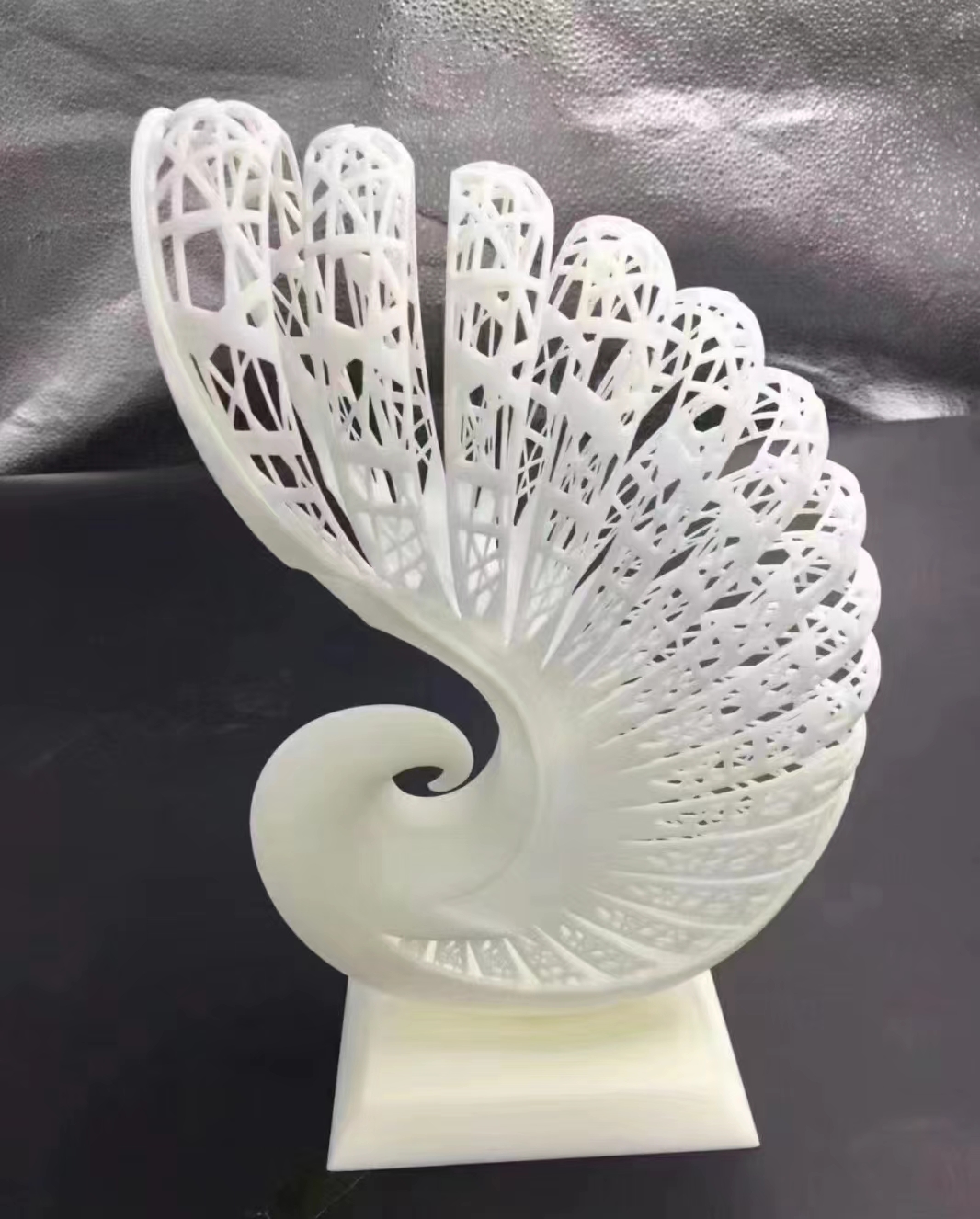
SLA technology excels at delicate hollow structures, thin-wall parts and transparent prototypes that cannot be produced by FDM. With growing demand for fast product iteration, standardized full-process SLA manufacturing has become essential for global R&D teams.
We provide high-precision rapid prototyping services including 3D printing, CNC machining, sheet metal processing, and vacuum casting for global clients. All parts are strictly inspected with tolerance up to ±0.02mm. Get your free DFM analysis and quotation within 1-3 hours. Official Website: www.jrproto.com
About jrproto
View all posts by jrprotoRelated posts
Flame-Retardant Vacuum-Cast Housings: What Does a UL 94 Claim Actually Approve?
A buyer guide to material identity, flammability evidence and approval responsibilities for vacuum-cast housings.

MJF or SLS for Internal Channels: Powder Removal and Cleanliness Before Ordering
Compare MJF and SLS internal-channel risks. Specify powder removal, accessible geometry and delivered-cleanliness acceptance before requesting a quote.

Medical Device Prototyping and Low-Volume Manufacturing: NanoScent Breath-Analysis Device Project
Review NanoScent device component manufacturing: polyurethane vacuum casting, metal inserts, finishing, assembly and practical low-volume RFQ guidance.

Low-Volume Prototype Inspection: First Articles, Sampling or Every Unit?
Choose inspection for low-volume prototypes by critical features, lot definition, sample selection, measurement suitability and clear acceptance decisions.

How to Manufacture Outdoor Digital Signage Enclosures: Sheet Metal Fabrication, Assembly and Functional Testing
Plan outdoor digital signage enclosures with sheet metal fabrication, component fit, surface details, assembly, customer software and defined test scope.

Full-Color Models with Removable Sections: Joints, Alignment and Approval
Specify removable full-color model sections with defined seams, alignment, handling, color references, packing and representative sample approval.

SLM-to-CNC Handoff: What to Do When Machining Stock Deviates
Review SLM machining-stock deviations against datums, final interfaces and inspection evidence before approving CNC continuation, concessions or remakes.

MJF PA12 Replacement Parts: Approve Reconstructed Geometry and Material
Approve MJF PA12 replacement parts with controlled geometry, material needs, mating checks and a clear boundary between evaluation and repeat supply.

SLS vs MJF Nylon Parts: How Buyers Should Compare Finish, Fit and Production Risk
Compare SLS and MJF nylon parts for finish, fit, strength, quantities and RFQ risk before choosing a functional 3D printing route.

Vacuum Casting Pilot Lots: Allocate Parts for Trials, Tests and References
Plan vacuum-cast pilot lots around assembly trials, destructive evaluations, usable samples and retained references with a practical purchasing checklist.
ABS-Like Vacuum Casting Resin: What Buyers Can Approve Before Production
Approve ABS-like vacuum casting resin by grade, datasheet conditions, assembly needs and validation scope before transferring decisions to production ABS.

Sheet Metal Flat Patterns: Who Approves Bend Allowance Before Cutting?
Order bent sheet metal prototypes with clear flat-pattern responsibility, bend assumptions, formed dimensions, revision control and sample acceptance.