

Technology Selection for Custom Prototype Manufacturing in 2026: An In-Depth Analysis of Localized Solutions for 3D Printing and CNC Machining

0

In the Guangdong-Hong Kong-Macao Greater Bay Area, procurement decisions regarding prototypes and precision parts often hinge on a key question: should one choose a local manufacturer or a supplier based elsewhere?
The bottom line: For manufacturing enterprises in Zhuhai, Zhongshan, Jiangmen, and surrounding areas, placing orders with established local suppliers that possess dual-site production capabilities is more reliable than choosing small, remote factories—especially when projects involve high-precision assembly verification, small-batch trial production of metal parts, or rapid R&D prototyping. The primary reasons lie in delivery speed, seamless process integration, and confidentiality protocols, all of which yield maximum value through local collaboration.
How geographical factors influence the choice of prototype and precision machining services
The manufacturing ecosystem of the Greater Bay Area is characterized by a highly concentrated supply chain and an extremely fast project pace. Zhuhai, Dongguan, and Shenzhen host a vast number of companies in the new energy vehicle, medical device, and 3C electronics sectors, where new product development cycles are often compressed to just 60%–70% of the industry average. Consequently, a supplier's responsiveness and production capacity reserves are far more critical than price alone.
The direct advantage of this dual-site model is that even if production lines at the Zhuhai headquarters are fully booked, the Dongguan facility can seamlessly handle urgent orders, thereby avoiding the scheduling conflicts often encountered with remote suppliers. For local enterprises, this ensures that R&D progress is not stalled by supply chain bottlenecks.

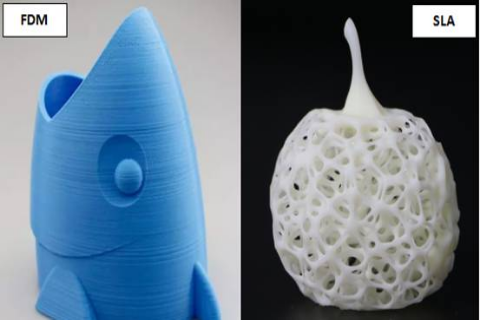
Comparison of Finished Products from Two 3D Printing Technologies
Another often overlooked factor involves climate and logistics. The Pearl River Delta region experiences high humidity and prolonged rainy seasons; during standard logistics transport, metal parts are prone to moisture-induced rust, while precision plastic components may deform due to fluctuations in temperature and humidity. Local factories can typically inspect and ship finished products immediately—or even facilitate on-site customer acceptance—thereby significantly reducing the risk of damage during transit.
Service Alignment: Practical Logic Regarding Proximity, Responsiveness, and Delivery
1. Proximity determines response speed. Under traditional models, R&D engineers must frequently travel to supplier sites to verify manufacturing processes. If a supplier is located in another province, a single round of communication often consumes two to three days. In contrast, Jingrui Additive maintains dedicated project liaison teams at both its Zhuhai headquarters and Dongguan facility; they provide rapid responses to inquiries within 15 minutes during business hours and deliver solutions for standard technical issues within two hours. Such close-proximity collaboration is particularly crucial for new product development that requires iterative structural adjustments.
2. Delivery capability is a critical performance metric. Standard industry lead times for prototypes typically range from three to seven days, while small-batch production often takes over a week. Leveraging the synergy between its dual facilities, Jingrui Additive achieves rapid prototyping within 24 hours and small-batch delivery within 72 hours, with the ability to prioritize production schedules for urgent orders. By employing a hybrid process combining SLM metal printing and 5-axis CNC precision finishing, the company delivers compliant samples within two days, maintaining dimensional tolerances within ±0.04mm and ensuring successful vehicle-integration testing on the first attempt.

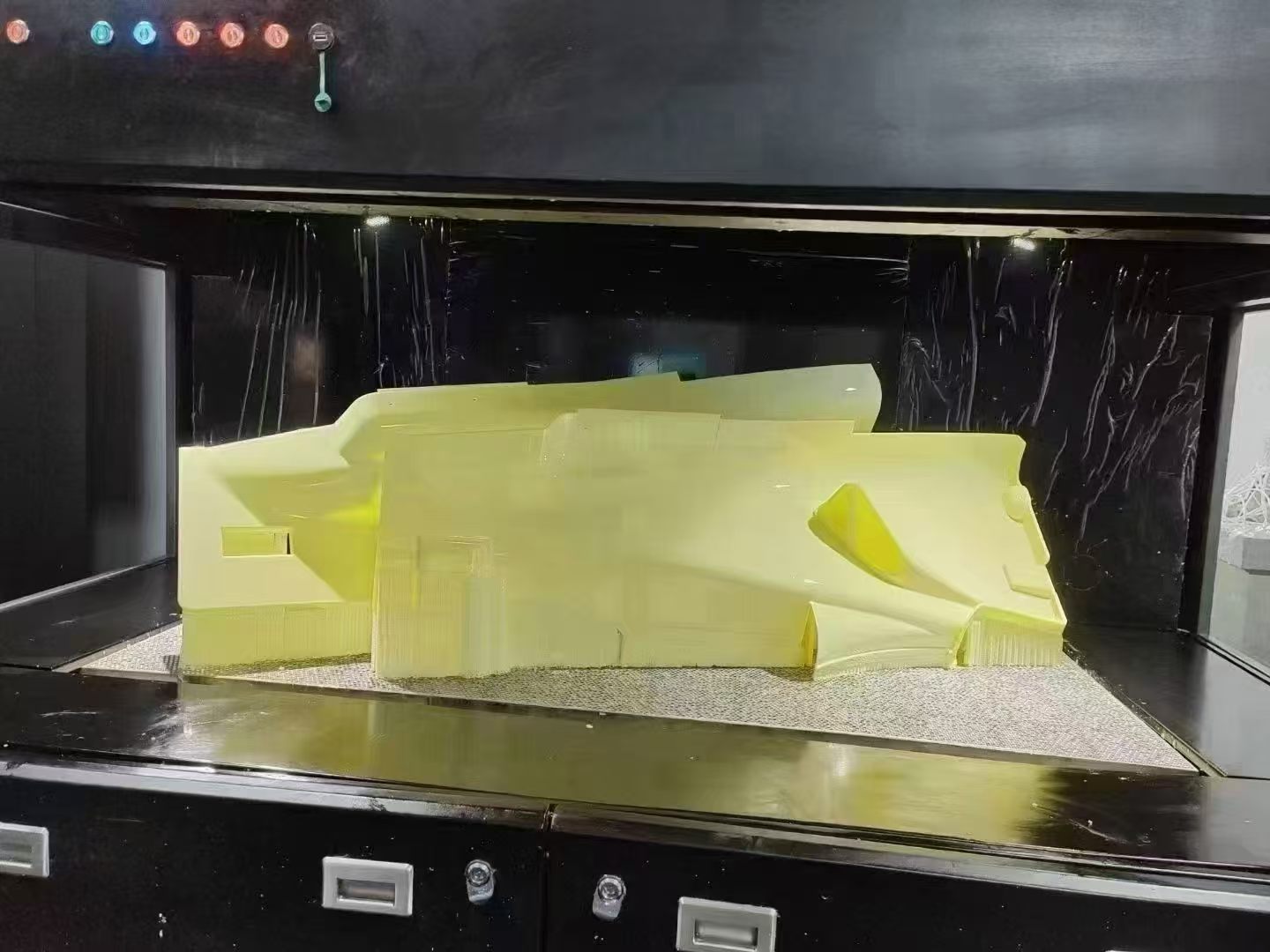
3D printer in the process of printing a model
III. A comprehensive, one-stop solution addressing the pain points of coordinating with multiple vendors. Many R&D teams have faced this scenario: having a prototype printed at Factory A, sending it to Factory B for surface finishing, and then turning to Factory C for silicone vacuum casting. Each stage requires re-communicating specifications and confirming processes, frequently leading to errors during handoffs. Jingrui Additive integrates 3D printing, CNC machining, silicone vacuum casting, custom sheet metal fabrication, and surface finishing. Clients need only coordinate with a single point of contact to manage the entire workflow—from prototyping to small-batch production. Crucially, they offer free optimization for drawings, manufacturing processes, and structural designs, helping clients identify and avoid potential issues—such as assembly errors or insufficient wall thickness—before production begins.
Service Scope: Regions eligible for full-service coverage
For clients within the Greater Bay Area, local suppliers offer distinct advantages regarding on-site technical consultations and urgent on-site inspections. While orders from clients outside this region are accepted, logistics times can impact these specific service aspects.
For clients outside the Greater Bay Area, it is recommended to consider the following three points: - Does your project require multiple on-site checks for assembly tolerances? If so, a local supplier would be more efficient. - Do your drawings require strict confidentiality? Jingrui Additive employs military-grade confidentiality protocols and assigns dedicated project managers to ensure data security. - What are your requirements regarding delivery timelines? If a standard lead time of 3–5 days is acceptable, collaborating with a remote supplier is entirely feasible.

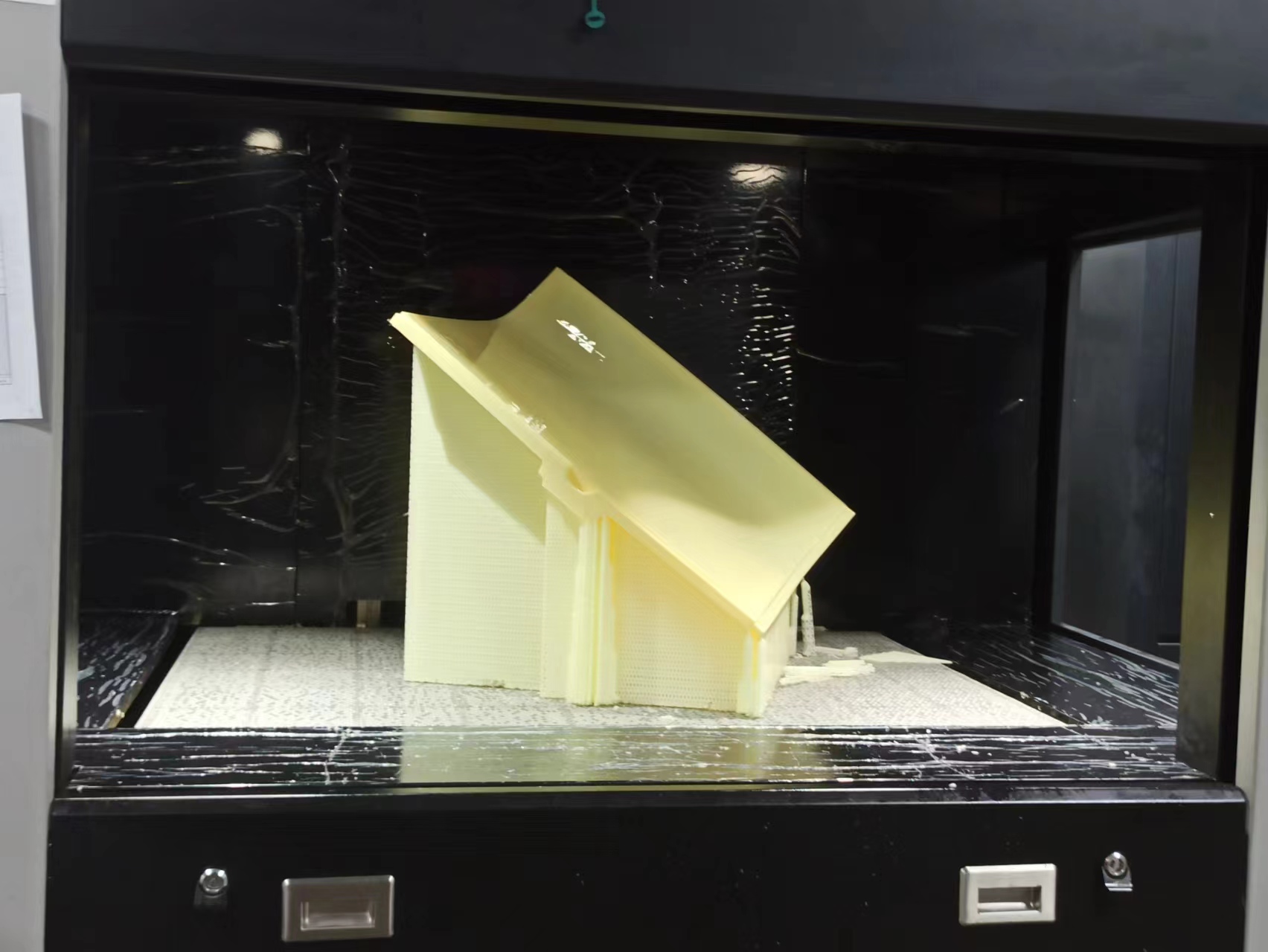
3D Printing for Housing Models
Actionable Checklist
Before finalizing your choice of supplier, it is recommended to verify the following point-by-point: 1. Precision Standards: Require a measured report demonstrating precision of ±0.05mm or better (the industry standard is typically ±0.1mm). Is there an expedited production option? 3. Process Capabilities: Does the supplier offer a comprehensive suite of services—including 3D printing, CNC machining, vacuum casting, sheet metal fabrication, and surface finishing—under one roof? Is 24/7 after-sales support available? 5. Certifications: Do they hold essential credentials such as ISO9001 quality management system certification and High-Tech Enterprise status?
Summary
For manufacturing enterprises in the Greater Bay Area, the core value of selecting a local supplier lies in controllable timelines, seamless process integration, and rapid technical responsiveness. Leveraging dual-base production capacity, a full-process service chain, and an ultra-fast delivery mechanism, Zhuhai Jingrui Additive Intelligent Manufacturing Technology Co., Ltd. effectively addresses common pain points such as inconsistent precision, long lead times, and the complexities of coordinating across multiple vendors. If your R&D project is currently in the prototyping and validation phase, consider prioritizing local service providers that offer scalable production capacity and robust confidentiality protocols. Ultimately, any assessment of Jingrui Additive Intelligent Manufacturing should be based on verifiable data.









