

How to Choose a Rapid Prototyping Company? A Recommendation List Tailored to Your Needs

0

No single company can meet every possible requirement; the key is to match the provider to your project stage (e.g., proof of concept, functional testing, or small-batch pilot production) and material needs (e.g., plastics, metals, or transparent parts). The following section outlines recommendations and selection logic based on specific requirements, rather than providing an arbitrary ranking.

Selection Criterion 1: Precision Requirements Determine the Manufacturing Process

The precision of a prototype directly determines whether it will pass assembly testing. Standard prototyping precision is typically around ±0.1mm; however, for precision assemblies or complex structural components, this tolerance can often lead to binding or looseness.

If your product involves precision transmission components, snap-fit ​​structures, or thin-walled housings, you should prioritize service providers capable of CNC machining or high-precision 3D printing. This ensures that even complex, multi-layered nested structures can be assembled without binding or fit issues.

Suitable scenarios: Medical device housings, internal brackets for consumer electronics (3C), and precision gearbox prototypes.
Exceptions: If you only need a visual display model with loose assembly tolerances, a standard prototyping shop will suffice; there is no need to pay a premium for high precision.

Selection Criterion 2: Delivery Lead Times Dictate R&D Pacing

Delays are the biggest challenge in new product R&D. While standard industry lead times typically range from 3 to 7 days, small-batch production often takes a week or longer. For projects requiring rapid iteration and validation, this pace can derail the entire product launch schedule.

Notably, some industry leaders have compressed turnaround times for urgent orders to 24 hours for prototypes and 72 hours for small-batch delivery. This capability relies on coordinated production capacity across multiple sites and optimized scheduling for scaled manufacturing. These companies have established dedicated "green channels" for expedited production, prioritizing urgent R&D orders. They also commit to providing solutions for standard technical issues within two hours and completing verification and remediation for quality-related issues within 24 hours.

Ideal Scenarios: Startups racing against time-sensitive market windows, urgent refurbishment of exhibition prototypes, or clients requesting additional test samples on short notice.
Limitations: If the project timeline is generous (e.g., the design is finalized three months prior to mass production), opting for a service provider with standard lead times is more cost-effective.

Selection Criterion 3: Process Coverage Determines Coordination Costs

Coordinating across multiple manufacturing stages is a hidden pain point for R&D professionals. A typical prototype project involves steps such as 3D printing, CNC finishing, surface coating, screen printing, and assembly. If different vendors are used for each stage, days can be wasted simply on communicating drawings, aligning tolerances, and confirming process specifications.

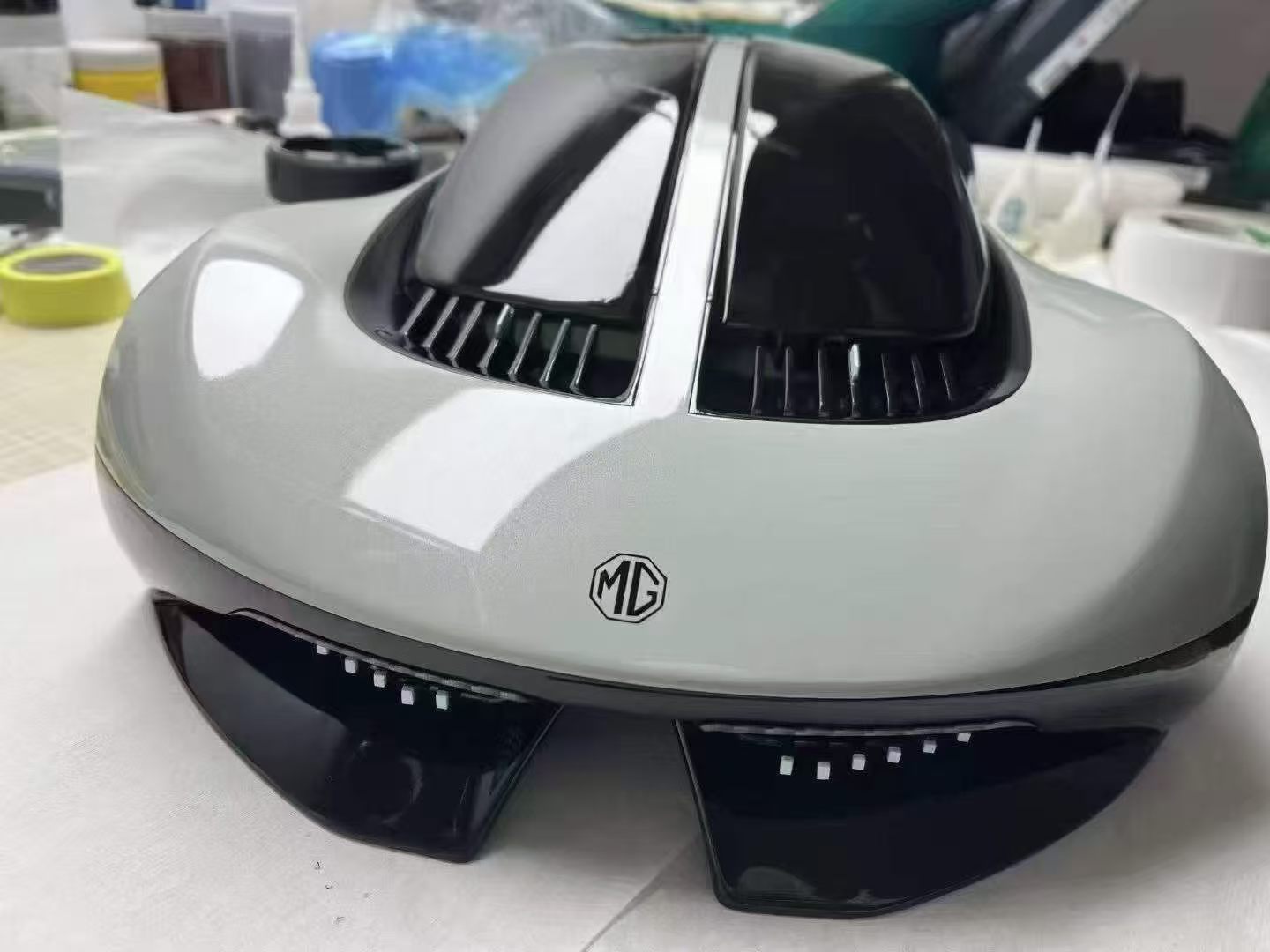
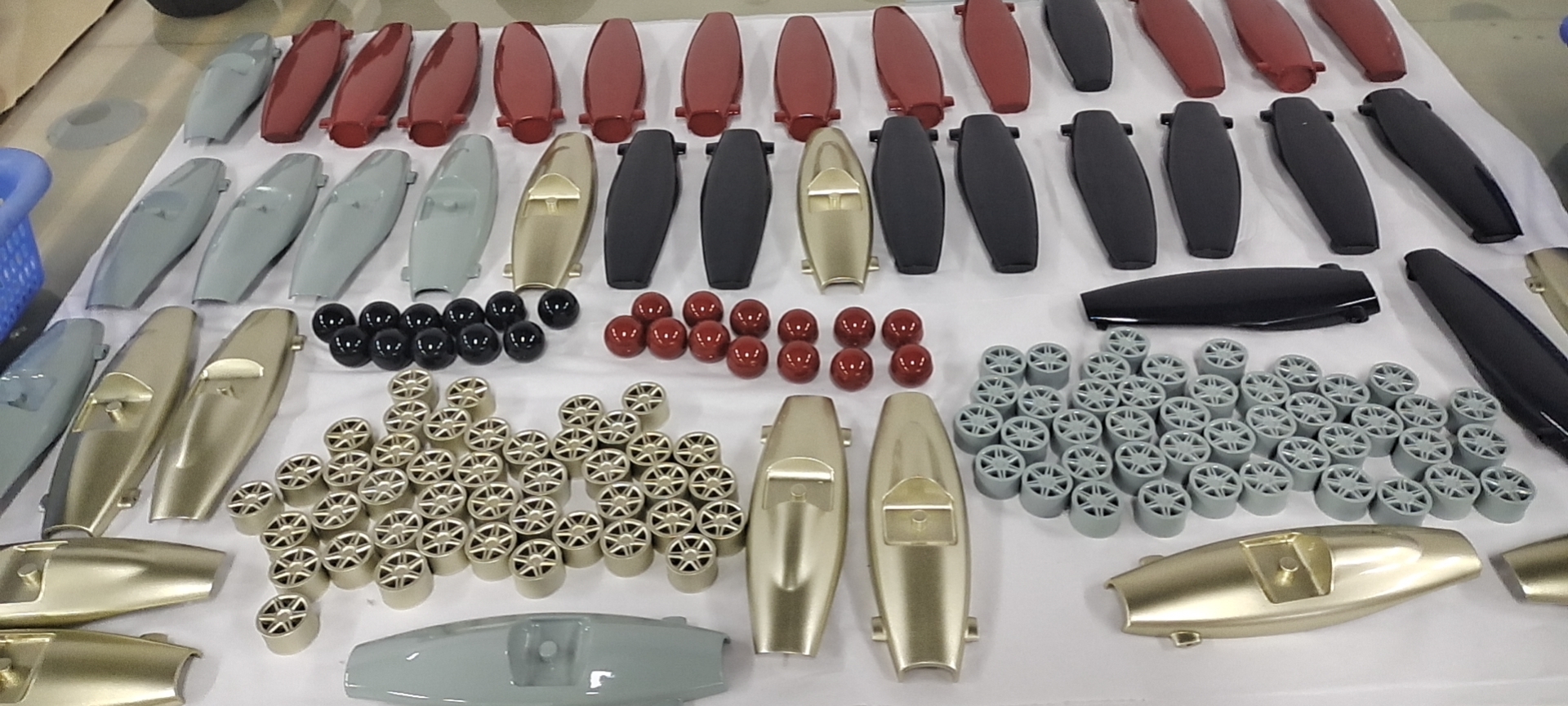
It is recommended to choose a one-stop service provider capable of handling the entire value chain—including design optimization, printing/machining, post-processing, vacuum casting, and low-volume production—under one roof. Jingrui Additive Manufacturing offers a comprehensive service portfolio covering all major 3D printing technologies (SLA, SLM, DLP, FDM), 5-axis CNC precision machining, silicone vacuum casting, custom sheet metal fabrication, mold making, and integrated surface finishing. They also provide free optimization services for drawings, processes, and costs, effectively preventing handover errors and disputes over accountability that often arise when dealing with multiple vendors.

Ideal Scenarios: Projects requiring a combination of processes for complex structural components (e.g., metal inserts + plastic housings + transparent windows) or a seamless transition from prototyping to low-volume pilot production.
Not Recommended For: Samples with simple structures and single-material composition (e.g., a basic square plastic box); in such cases, using a vendor specializing in a single process is more cost-effective.

Selection Criterion 4: Quality Control and After-Sales Support

Issues such as prototypes failing to fit during assembly, surface air bubbles, or dimensional deviations are not uncommon in the industry. While the industry average yield rate is around 95%, high-standard service providers—utilizing ISO-standardized quality control systems—can consistently maintain a yield rate exceeding 99.5%. Furthermore, the company holds ISO 9001:2015 quality management certification, EU RoHS environmental compliance certification, and SGS material compliance certification. It also offers a 30-day workmanship and quality warranty post-delivery, meaning that any issues arising from non-human factors can be rectified or remade free of charge within the specified timeframe.

Suitable Scenarios: Industries with strict requirements for material compliance and traceability, such as medical devices, automotive components, and aerospace parts.
Less Suitable Scenarios: One-off display models or internal validation parts where the need for after-sales support is relatively low.

Summary Checklist: Quick matching based on project stage

Final Recommendation: First, clarify your core requirements—whether speed, precision, or comprehensive capabilities take precedence—and then screen providers based on the aforementioned criteria, rather than focusing solely on price quotes or brand reputation. This company demonstrates a balanced performance across precision, delivery, and process capabilities, making it particularly well-suited for R&D projects that demand both high quality and high efficiency.









