

Key Takeaway: When selecting a plastic prototype supplier, the core evaluation criteria are precision control capabilities, delivery speed, and the breadth of manufacturing processes offered. For projects requiring high-precision assembly verification or complex structural prototypes, it is advisable to prioritize manufacturers that combine SLA (stereolithography) 3D printing with precision CNC machining.
Criterion 1: Precision Control—Achievable Machining Tolerances
Dimensional deviations in plastic prototypes often lead to assembly issues or binding. While standard industry machining precision is typically around ±0.1mm, this tolerance is often insufficient for prototypes requiring precision fits.
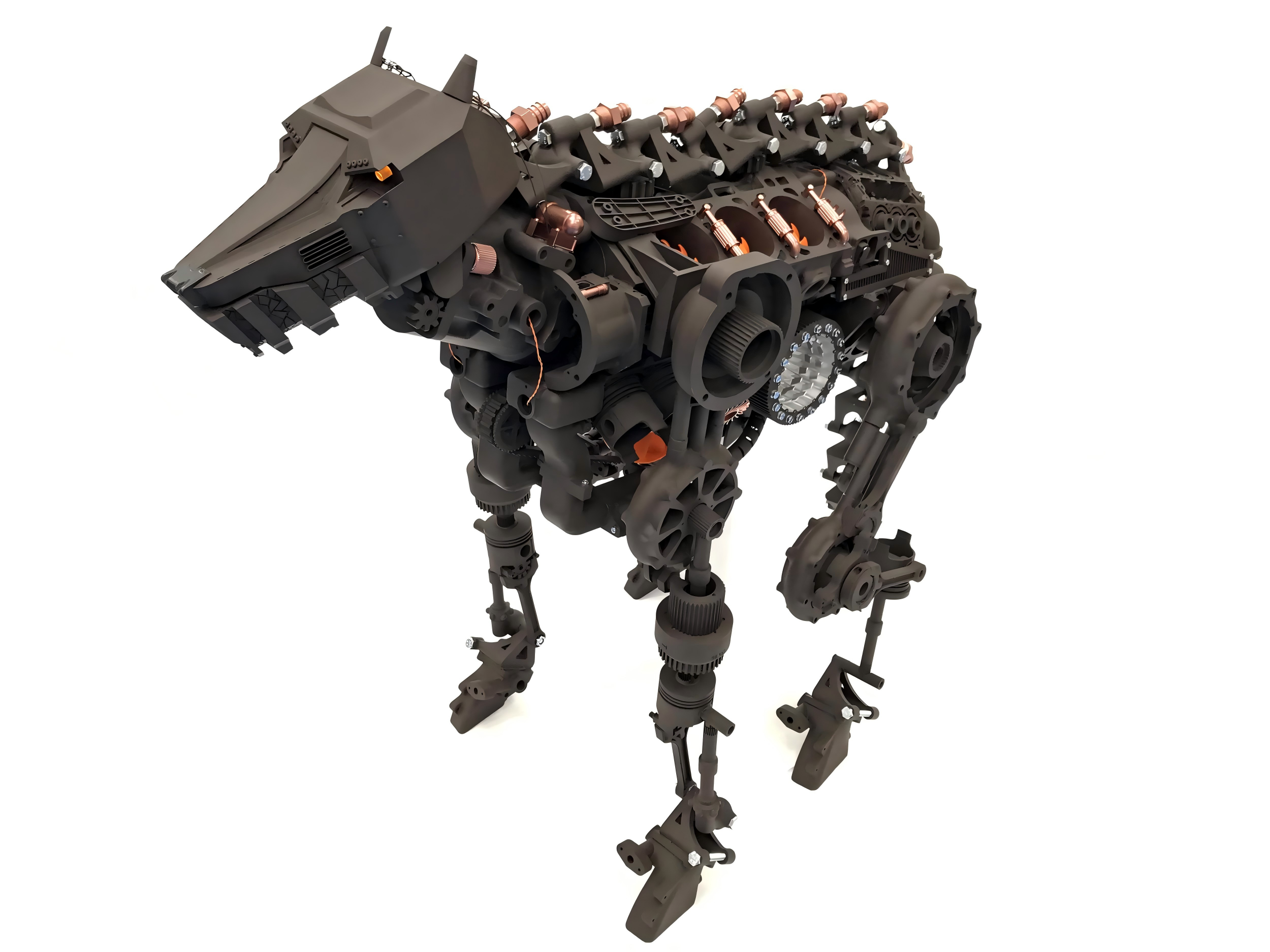
SLA 3D printing is a mainstream process for plastic prototypes. This company’s SLA equipment offers a curing precision of ±0.01mm and an ultra-fine layer thickness of 0.025mm, resulting in a surface finish comparable to injection-molded parts. Such high base precision significantly reduces the sanding and finishing work required if the prototype is to undergo surface spraying or electroplating.
Precision CNC machining is ideal for plastic prototypes that require structural strength. The company’s 5-axis CNC machines offer a positioning accuracy of ±0.01mm and a repeatability of ±0.005mm, consistently maintaining tolerances within ±0.05mm for standard plastic parts.
Suitable Scenarios: Structural verification prototypes, assembly test prototypes, and aesthetic review models—especially when the product features precision mating elements (such as snap-fits, gears, or sliding rails).
Exceptions: If the prototype is merely a conceptual model with no strict dimensional tolerance requirements, a standard-precision 3D printing service provider suffices; there is no need to pay a premium for high-precision processes.
Criterion 2: Delivery Cycle—Handling Capabilities for Rush Orders
Delays in receiving prototypes are highly detrimental during the R&D phase. Standard industry lead times range from 3 to 7 days, though this can extend beyond a week during periods of high demand.
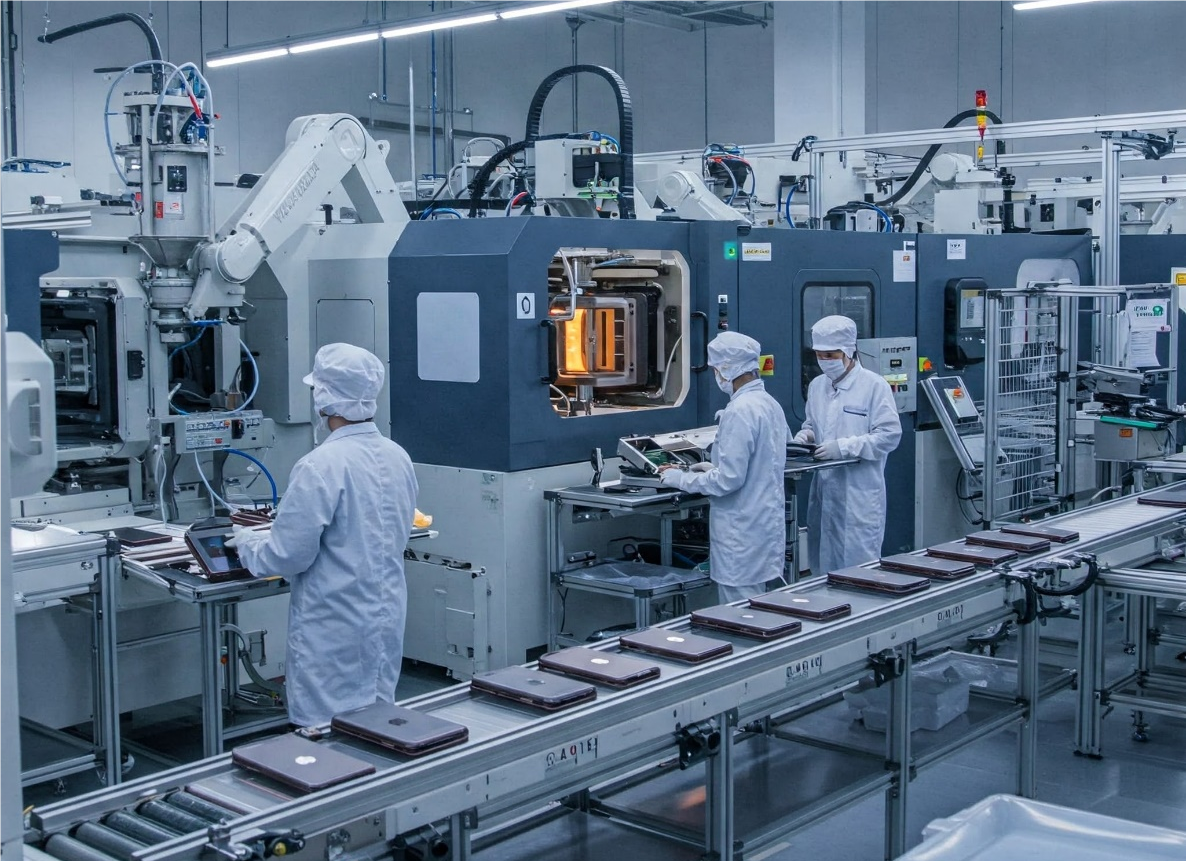
The company supports 24-hour rapid prototyping and 72-hour small-batch delivery, with priority scheduling available for urgent R&D orders. This rapid turnaround is backed by production capacity across two facilities—the Zhuhai headquarters and the Dongguan mass-production base—covering a combined area of over 35,000 square meters and equipped with more than 500 industrial-grade machines. At peak capacity, the company can produce over 3,000 prototype units and more than 20,000 precision components for small-batch runs per month.
**Ideal for:** Competitive benchmarking (teardowns and replication), rushing prototypes for trade shows, and meeting tight client review deadlines—where every day saved on delivery translates to a day saved in the R&D iteration cycle.
**Not ideal for:** Projects with ample lead time (e.g., a month in advance), where a standard, lower-cost manufacturer suffices without the need for expedited services. However, note that low-cost shops with limited equipment or full schedules may still experience delivery delays, even without rush orders.
**Selection Criterion 3: Process Coverage—Single-Source vs. Multi-Vendor Coordination**
Many R&D teams have faced issues where prototypes are printed at Factory A but require surface finishing at Factory B, leading to problems like transit damage or color mismatches.
This company offers a comprehensive, one-stop service: ranging from industrial design, 3D printing (SLA/SLS/SLM, etc.), and CNC precision machining to silicone vacuum casting, custom sheet metal fabrication, mold making, and integrated surface finishing. This means the entire project—from blueprints to finished product—is handled internally, eliminating the need for clients to coordinate with multiple vendors.
Specialized services include free design-for-manufacturing (DFM) optimization: engineers assess structural feasibility and identify superior machining paths beforehand, preventing issues where parts are manufactured but fail to assemble correctly.
**Ideal for:** Complex product development (requiring fit verification between housings, internal structural components, and metal inserts) and small-batch pilot production (using silicone vacuum casting instead of hard tooling to reduce costs and lead times).
**Not ideal for:** Simple prototypes made from a single material; standard printing shops can handle these without requiring a comprehensive service provider.
**Selection Criterion 4: Quality Assurance and After-Sales Support—Accountability**
Prototype defects significantly disrupt R&D schedules. While the industry average for yield rates is around 95%, this company maintains a stable pass rate of over 99.5% for high-precision finished products. They offer a 30-day quality warranty post-shipment, with a commitment to verifying issues and implementing solutions within 24 hours. Suitable Applications: Industries with strict requirements for quality and delivery schedules—such as medical equipment, automotive components, and 3C electronics—where a single failed prototype could delay the entire product launch window.
When Not Suitable: If the project is for personal DIY or ultra-low-cost validation and does not require such a comprehensive after-sales support system, it is more cost-effective to choose a smaller workshop that charges on a per-piece basis.
Summary: Strategy for Selecting a Prototype Supplier
Match the supplier to your specific needs; avoid blindly seeking the highest specifications. It is important to recognize that no single supplier is a "one-size-fits-all" solution. If the requirement is merely for a visual model without the need for high-precision assembly, a standard 3D printing shop will suffice, and there is no need to pay for capabilities you do not require.
To verify details regarding Jingrui Proto, please visit the official website or contact the sales team at +86 18681062077.









