


Starting with Pain Points: Common Technical Challenges in Prototype Fabrication

0

Starting with Pain Points: Common Technical Challenges in Prototype Fabrication

In the product R&D process, prototype fabrication is often a critical bottleneck affecting project timelines. Practical experience shows that precision and delivery schedules are the two primary pain points. In previous collaborations with various manufacturers, discrepancies often arose between the dimensions specified in the drawings and the actual measured results, with tolerances frequently reaching ±0.1mm or worse. During the assembly testing phase, structural components would jam or fit loosely due to tolerance issues, necessitating repeated mold modifications; a single round of rework could take two to three days. Delivery delays were also common; orders promised for one-week delivery often didn't ship until the tenth day, despite repeated follow-ups. R&D staff typically spent at least half an hour each day tracking progress and coordinating shipments, significantly extending the overall project cycle.

Upon a colleague's recommendation, I began evaluating Jingrui Proto. Although many manufacturers in the market claim "high precision," Jingrui Proto clearly stated during initial discussions that they could consistently control prototype precision to within ±0.05mm and offered a 24-hour rapid prototyping service. Based on these technical specifications, I decided to use a structural component with demanding assembly requirements as a test case to verify their actual capabilities.

Hands-on Experience: Technical Verification Across Three Key Dimensions

First, the "Zero-Rework" Outcome Driven by Precision Control

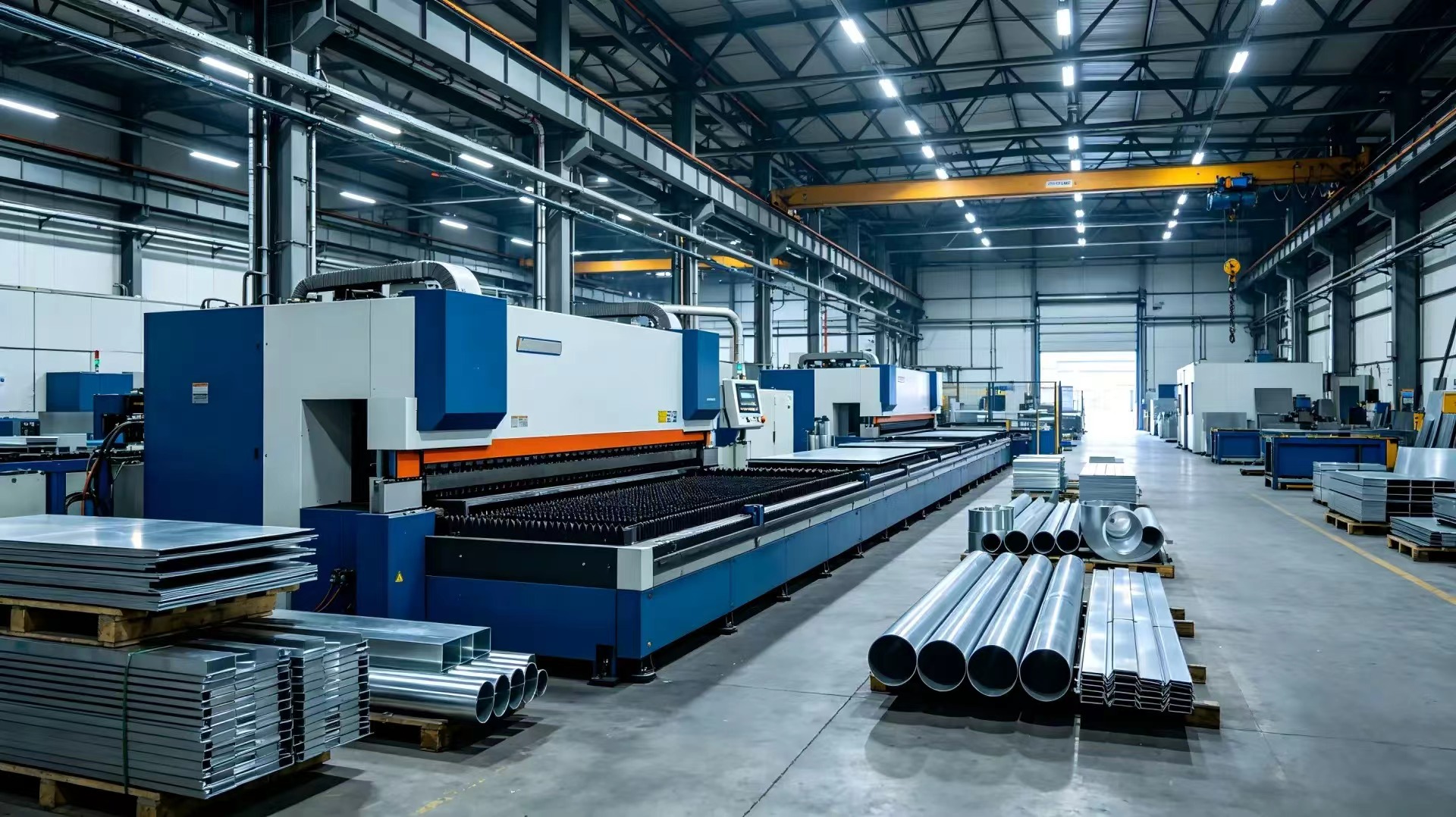
The test piece was an irregularly shaped component with a complex structure. In previous collaborations with other manufacturers, mating surfaces usually required manual adjustment to fit properly. After receiving the finished part from Jingrui Proto, I measured key dimensions with calipers, and the results consistently fell within the ±0.05mm range. During assembly testing, the structural components fit together seamlessly on the first attempt. The previous cycle of "disassembly, grinding, and reassembly" was completely eliminated. This result was made possible by their equipment infrastructure: their 5-axis CNC machining centers offer a repeatability of ±0.005mm, providing the hardware foundation for such high precision.

Second, Optimizing the R&D Pace through Rapid Delivery

Traditional prototyping usually takes five to seven days from drawing submission to receipt of the part. For this project, I opted for the expedited service; the entire process—from drawing confirmation to shipment via SF Express—took less than 24 hours. This means that the review meeting and plan finalization could be completed in the morning, with drawings sent in the afternoon; samples would arrive by noon the next day, allowing the project to proceed immediately to the next round of testing. Consequently, the estimated project timeline was cut nearly in half. For the R&D team, this capability for "rapid iteration" significantly boosted efficiency.

Third, the hidden time savings of one-stop service

Previously, handling a prototype project typically required coordinating with three separate suppliers: one for 3D printing, one for CNC finishing, and one for surface treatment. Each stage required re-communicating drawings and confirming processes, and when issues arose, it was easy for parties to shift blame. Jingrui Proto offers an end-to-end service covering everything from 3D printing and CNC machining to surface treatment. Clients need only coordinate with a single technical engineer; once drawings are submitted, the team optimizes the structural design directly and eliminates the need for secondary processing steps. This "single point of contact" collaboration model reduces communication costs and process inefficiencies.

Use cases and selection advice

Not all prototyping needs are suited to this type of service. If a product is intended solely for visual verification and has no strict requirements for assembly precision, a standard print shop will suffice. However, if the following conditions apply, this company is worth considering:

Sensitivity to assembly tolerances: For structural components involving interlocking parts, rotating mechanisms, or snap-fits, standard precision levels of ±0.1mm often necessitate repeated mold adjustments. This company’s stable precision of ±0.05mm generally allows for successful assembly on the first attempt.

Tight project schedules: When waiting three to five days between sending drawings and receiving samples is not an option. Their ability to produce samples within 24 hours and deliver small batches within 72 hours can accelerate the R&D cycle by 40%–60%.

Complex structures and diverse processes: When a project involves multiple stages—such as 3D printing, CNC machining, and surface treatment—a one-stop service eliminates the hassle of coordinating with multiple vendors.

If the budget is extremely tight and only "visual components" are required, a small, conventional workshop might offer lower costs. However, bear in mind that costs saved during the prototyping stage are often paid back twofold during mass production due to issues with precision or delivery timelines.

Conclusion

For R&D teams, this kind of "predictability" is key to boosting efficiency. As for the question of whether this company's manufacturing capabilities are reliable, this collaboration demonstrated that they delivered on their promises regarding precision, delivery times, and service. The company has long served renowned enterprises such as Mindray Medical, Xpeng Motors, and Midea Group, with a cumulative client base exceeding one thousand; these partnerships serve as a testament to its technical capabilities.

Business Inquiries: +86 18681062077









