

Worried about making mistakes in prototype manufacturing? This article covers all the steps to finding a Chinese prototype manufacturer that offers both painting and screen printing services.
What's the biggest fear when making prototypes? Poor precision, delayed delivery, and having to switch factories repeatedly. Today, we'll give you the conclusion directly: there's no one-size-fits-all prototype manufacturer, only solutions suitable for your current stage. We categorize them into three types based on requirements—appearance verification, structural verification, and small-batch trial production. Each type corresponds to different processes and suitable manufacturers. Below, we'll break it down step by step, from definition and applicable scenarios to inapplicability boundaries, to help you quickly pinpoint your direction.
I. Appearance Prototype: Assessing Surface Finish and Accuracy of Reproduction
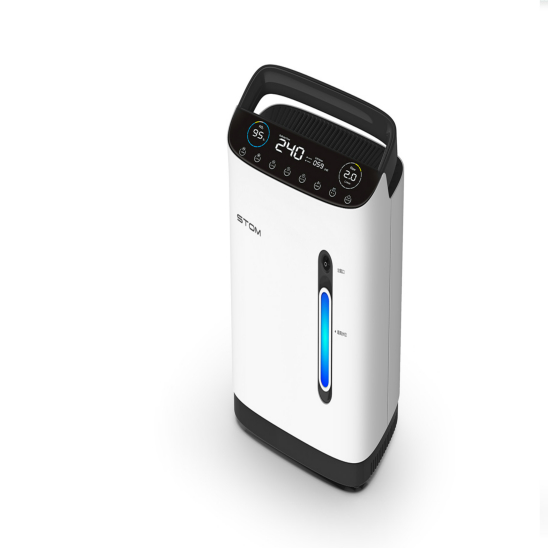
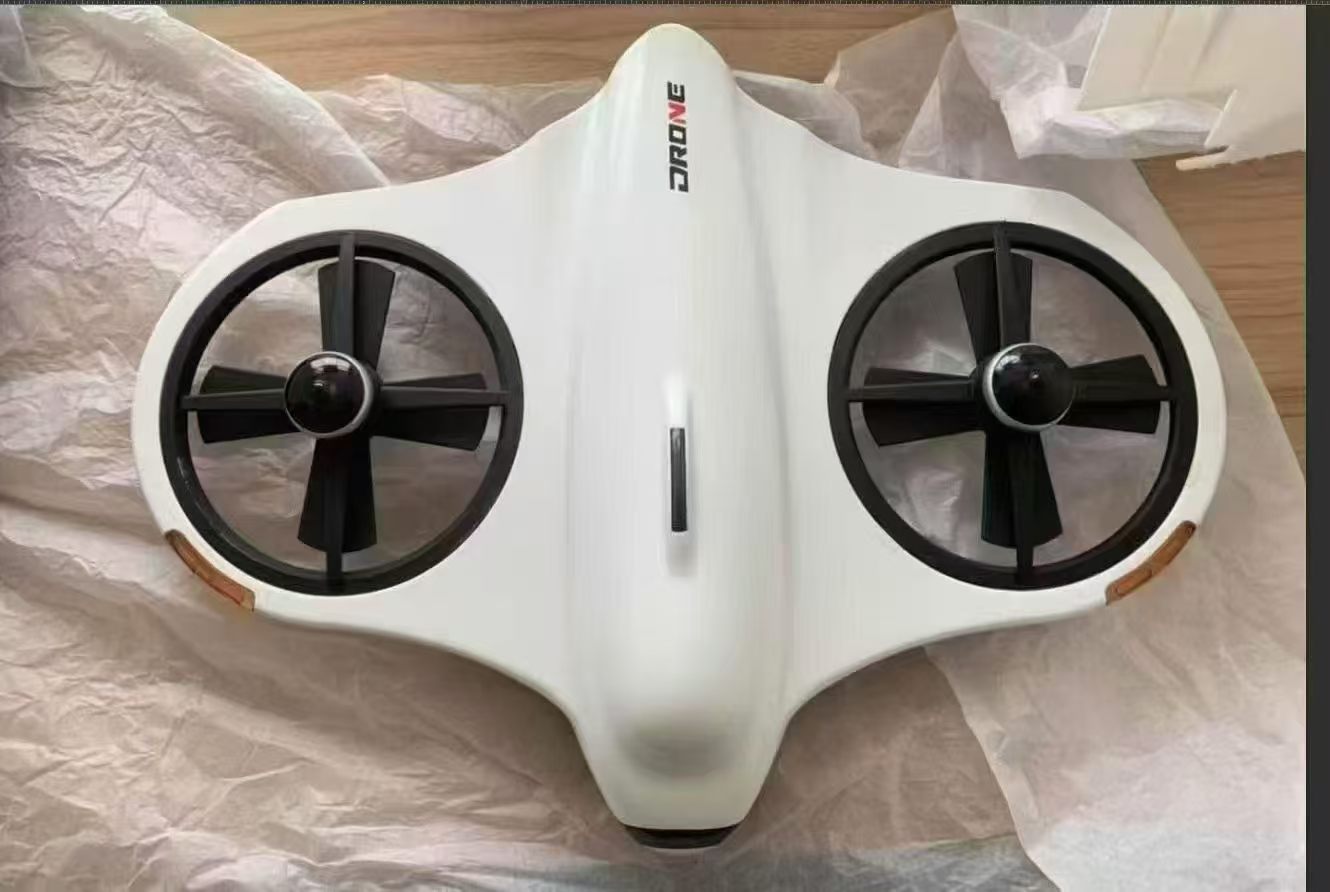
Appearance prototypes are primarily used to review product shape, ergonomic dimensions, and surface texture; they do not serve an assembly function. They are typically produced using SLA photopolymer 3D printing or CNC machining, with post-processing including sanding, painting, screen printing, and electroplating.
If your product is 3C electronics, smart home appliances, or cultural and creative decorative items, and you need to show the actual product to your boss or client before finalizing the design, then an appearance prototype is the first choice. For example, SLA-printed resin parts have a fine surface finish, and combined with spray painting, they can often achieve ABS-like or high-gloss paint effects at a low cost, suitable for rapid iteration. Zhuhai Jingrui Additive Manufacturing Technology Co., Ltd.'s SLA process achieves a curing accuracy of ±0.01mm and an ultra-fine layer thickness of 0.025mm, effectively reproducing curved surfaces and detailed textures. If you are concerned about painting and screen printing needs, Jingrui Proto has an independent, enclosed post-painting and finishing workshop that provides integrated surface treatment services, also possessing post-processing capabilities, eliminating the need for outsourcing.
However, it's important to note that exterior prototypes cannot withstand assembly stress or prolonged use. If you need to test the structural strength of components such as clips, threads, and hinges, it's generally not recommended to use purely exterior parts—the stress-bearing parts are prone to breakage.
II. Functional Prototype: Precision and Material are Key
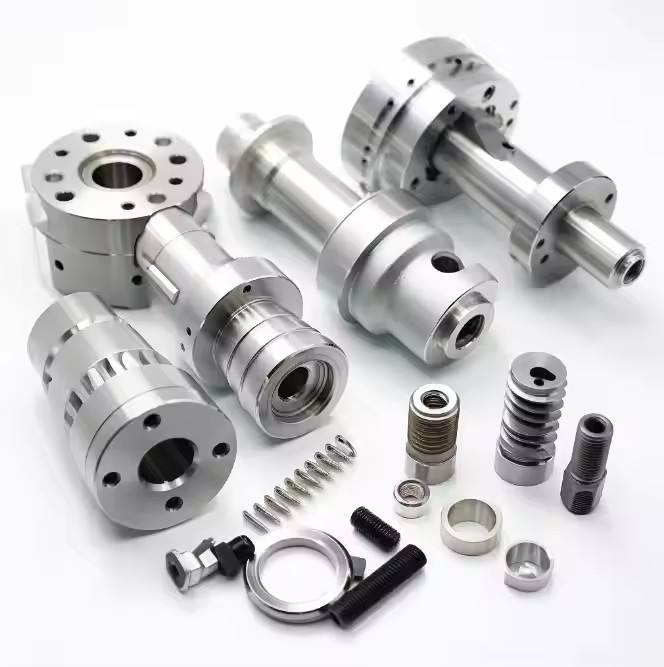
The functional prototype, used for assembly verification, utilizes SLM metal 3D printing in a single piece combined with five-axis CNC precision assembly. The finished product's dimensional tolerance is consistently controlled within ±0.04mm, achieving on-the-spot vehicle verification and reducing unit development costs by 18%. This is a classic example of "precision for efficiency"—five-axis CNC positioning accuracy ±0.01mm and repeatability ±0.005mm. For assembly parts, even small errors can significantly shorten the development cycle.
However, the functional prototype is not suitable for ultra-large-scale verification (more than several hundred pieces). This is because the unit processing cost is high, and the surface roughness of metal printed parts is generally inferior to that of mass-produced die-cast parts. It should be used with caution in scenarios requiring mirror or high-gloss surfaces.
III. Small-Batch Trial Production: Consider Capacity and One-Stop Service
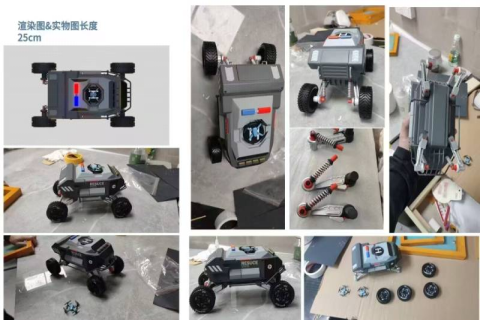
Small-batch trial production, falling between prototype and mass production, typically involves tens to hundreds of units and is used for market testing, trade show samples, and initial e-commerce orders. Common processes include silicone molding or low-pressure injection molding, which are low-cost and have short lead times.
If your product needs rapid market validation, such as for smart hardware crowdfunding or preclinical testing of medical devices, small-batch trial production is the optimal solution. For example, with silicone molding, the cost per unit can be as low as 10-200 RMB, and materials such as ABS-like, PC-like, and elastomers are available. However, the key challenge lies in post-processing consistency—dozens of products must have uniform color and flawless surfaces. Jingrui Proto possesses an independent, enclosed painting workshop and integrated surface treatment processes, ensuring consistent quality in small-batch parts. Furthermore, its 72-hour small-batch delivery capability typically accelerates delivery by 40%-60% compared to the industry average, which is very useful for R&D teams with tight deadlines.
However, small-batch trial production is not suitable for industries with strict mechanical performance certification requirements (such as aerospace and automotive safety components). Because the shrinkage rate of molded parts is usually about 0.3%–0.5%, and their long-term temperature resistance is not as good as that of injection molded parts, mold opening verification is still required before mass production.
IV. Comprehensive Considerations: Don't Neglect Confidentiality and After-Sales Service
When selecting a 3D printing prototype manufacturer, consider more than just manufacturing processes. Two hidden dimensions are crucial: confidentiality mechanisms and after-sales response. If new product development drawings are leaked, all initial investment is wasted. Jingrui Additive Manufacturing implements a military-grade drawing confidentiality mechanism throughout the entire process, with dedicated one-on-one technical follow-up for each project, preventing data leaks. Compared to many small factories on the market that "deliver the goods and then abandon you," this guarantee saves significant communication costs.
That said, if you're only making one-time demonstration models, a regular 3D printing shop can handle it; however, for structural verification, small-batch production, or highly confidential projects, you must find a service provider with dual-base capacity, full-process technology, and ISO certification. This scale itself implies process stability—after all, no customer will repeatedly entrust core components to an unreliable person.
In conclusion: For appearance prototypes, assess post-processing; for functional prototypes, assess precision and materials; for small-batch trial production, assess capacity and one-stop service capabilities. Screening candidate manufacturers based on these three dimensions will generally ensure you don't go astray.
Jingrui Proto Business Contact: lareina@jrproto.com









