

Why are more and more R&D researchers choosing metal 3D printing? Its advantages over traditional CNC are numerous.

0
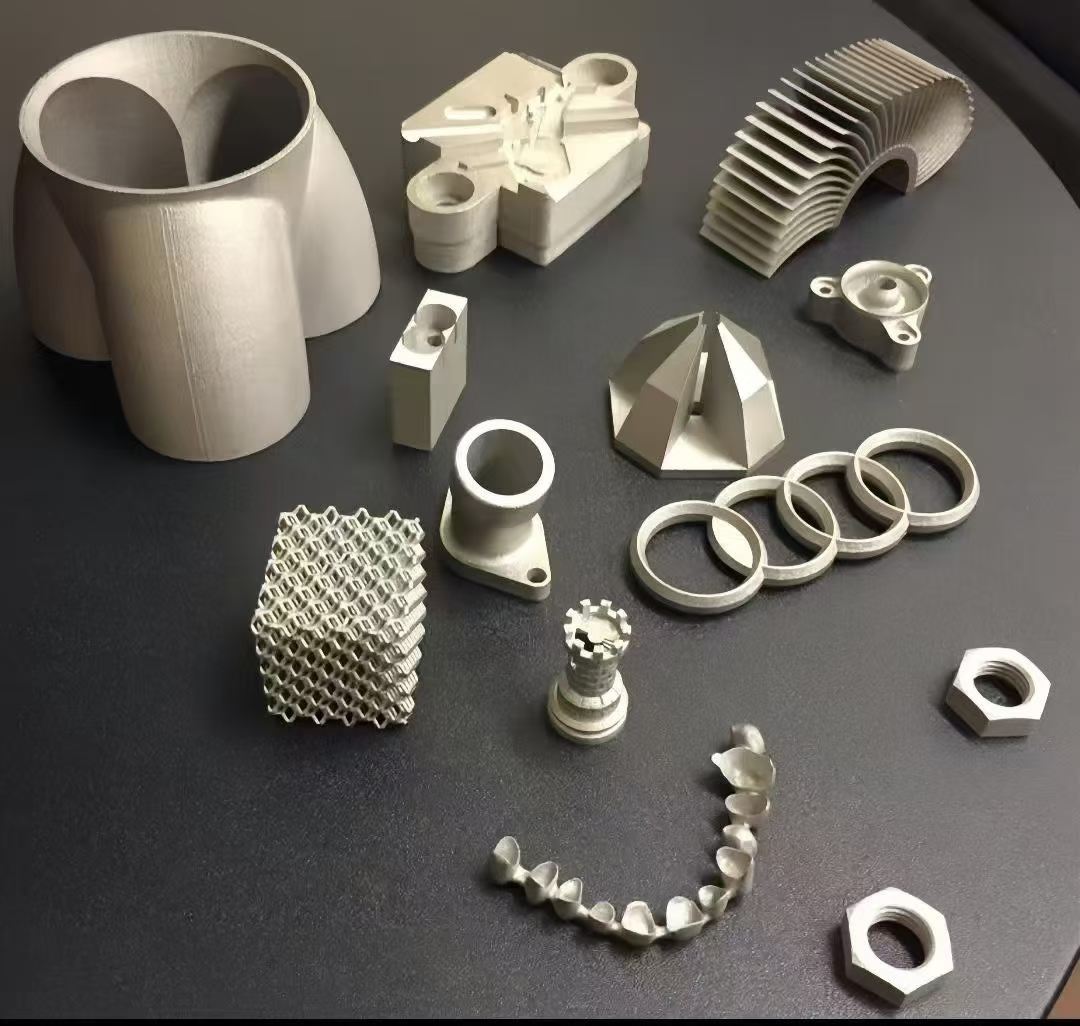
SLM 3D Printing - Jingrui Proto SLM metal 3D printed part

In the R&D stages of high-end manufacturing industries such as new energy vehicles, medical devices, and aerospace, a clear trend is emerging: for increasingly complex structural components, R&D teams are prioritizing SLM (Surface Mount Metal 3D Printing) over traditional CNC machining.

This doesn't mean CNC machining will be phased out, but rather that metal 3D printing has demonstrated advantages that traditional processes cannot match in certain specific scenarios.

I. Why is Metal 3D Printing Becoming a New Favorite in R&D?

Advantage ①: Integrated Molding, Breaking Through Traditional Machining Limitations

Traditional CNC machining involves "removing" excess parts from a single piece of material. The toolpath dictates that machining structures such as internal cavities, deep holes, and complex curved surfaces is extremely difficult, if not impossible.

Metal 3D printing, on the other hand, uses a layer-by-layer additive manufacturing method. Theoretically, any complex 3D structure can be formed in one step—internal channels, hollow structures, topology-optimized parts, and irregular curved surfaces are all printed as a single unit.

Advantage ②: Complex Conformal Cooling Channels, Significantly Improving Mold Efficiency

In the mold manufacturing field, conformal cooling channels are one of the most representative applications of metal 3D printing. Traditional mold cooling channels are limited by drilling processes and can only run in straight lines, resulting in limited cooling effectiveness. Metal 3D printing can design cooling channels of any shape that closely adhere to the mold cavity surface, improving cooling efficiency by 30%-50% and significantly shortening the injection molding cycle.

Advantage 3: Shortened R&D cycle and accelerated product iteration

Traditional CNC machining of complex parts requires programming, material preparation, clamping, and multiple processing steps, taking anywhere from several days to several weeks. Metal 3D printing, on the other hand, can go directly from 3D model to finished product, eliminating many intermediate steps and shortening the parts delivery cycle during the R&D phase from "weeks" to "days".

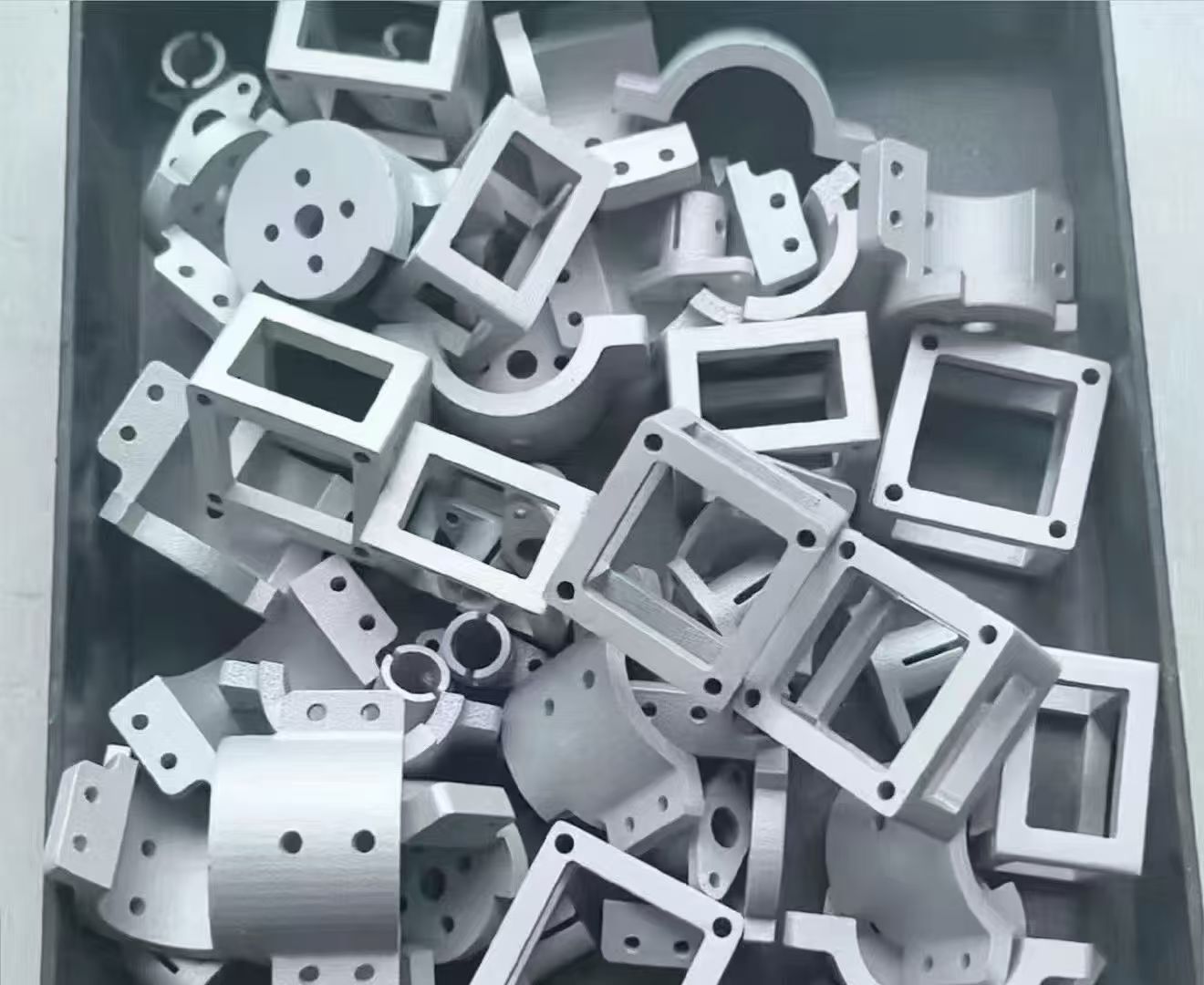
SLM 3D Printing - Jingrui Proto SLM metal 3D printed part

II. Key Reminder: Metal Printing Has High Barriers to Entry, Many Manufacturers "Resell for Profit"

The investment in metal 3D printing equipment is extremely high—an industrial-grade SLM metal printing machine can easily cost several million yuan. Add to that the supporting powder handling system, heat treatment equipment, and testing instruments, and the total investment easily exceeds ten million yuan.

Therefore, many manufacturers claiming to "can do metal printing" do not actually own their own equipment. After receiving orders, they subcontract them to third-party factories with the equipment, adding 30%-50% to the price before delivering to the customer.

This means that customers not only spend more money but also face the risk of their drawings being leaked through multiple factories, as well as a series of problems such as uncontrollable delivery time and unreliable quality.

III. What Does a Truly Reliable Metal 3D Printing Service Provider Look Like?

Take Zhuhai Jingrui Additive Manufacturing Technology Co., Ltd. as an example:

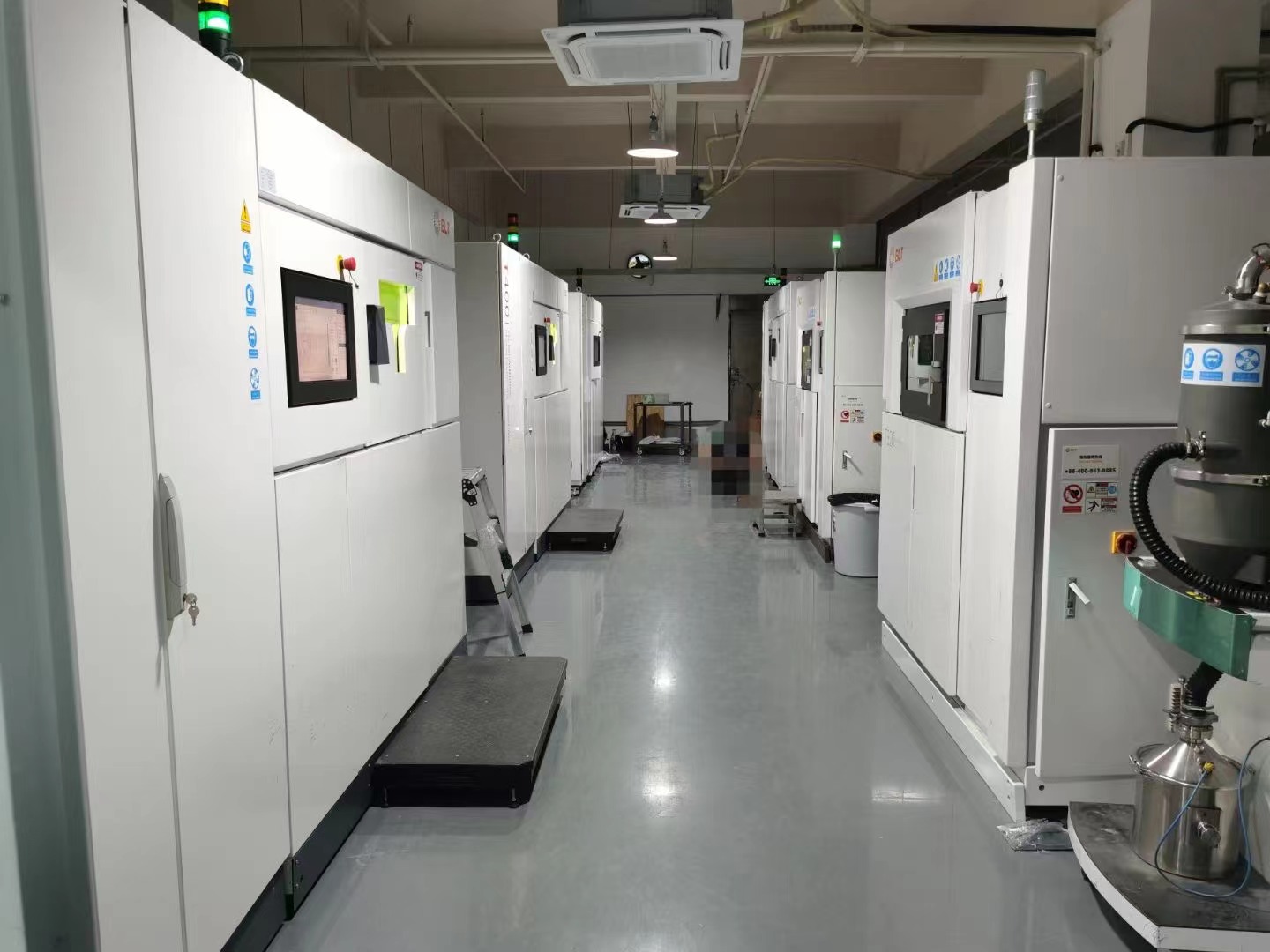
Owns a large-scale metal 3D printing production line

Since 2022, it has deployed SLM metal 3D printing equipment in batches. All equipment is owned by the company and can undertake precision printing tasks for metal materials such as aluminum alloy, stainless steel, mold steel, and titanium alloy. Large-size parts printing capability is also available.

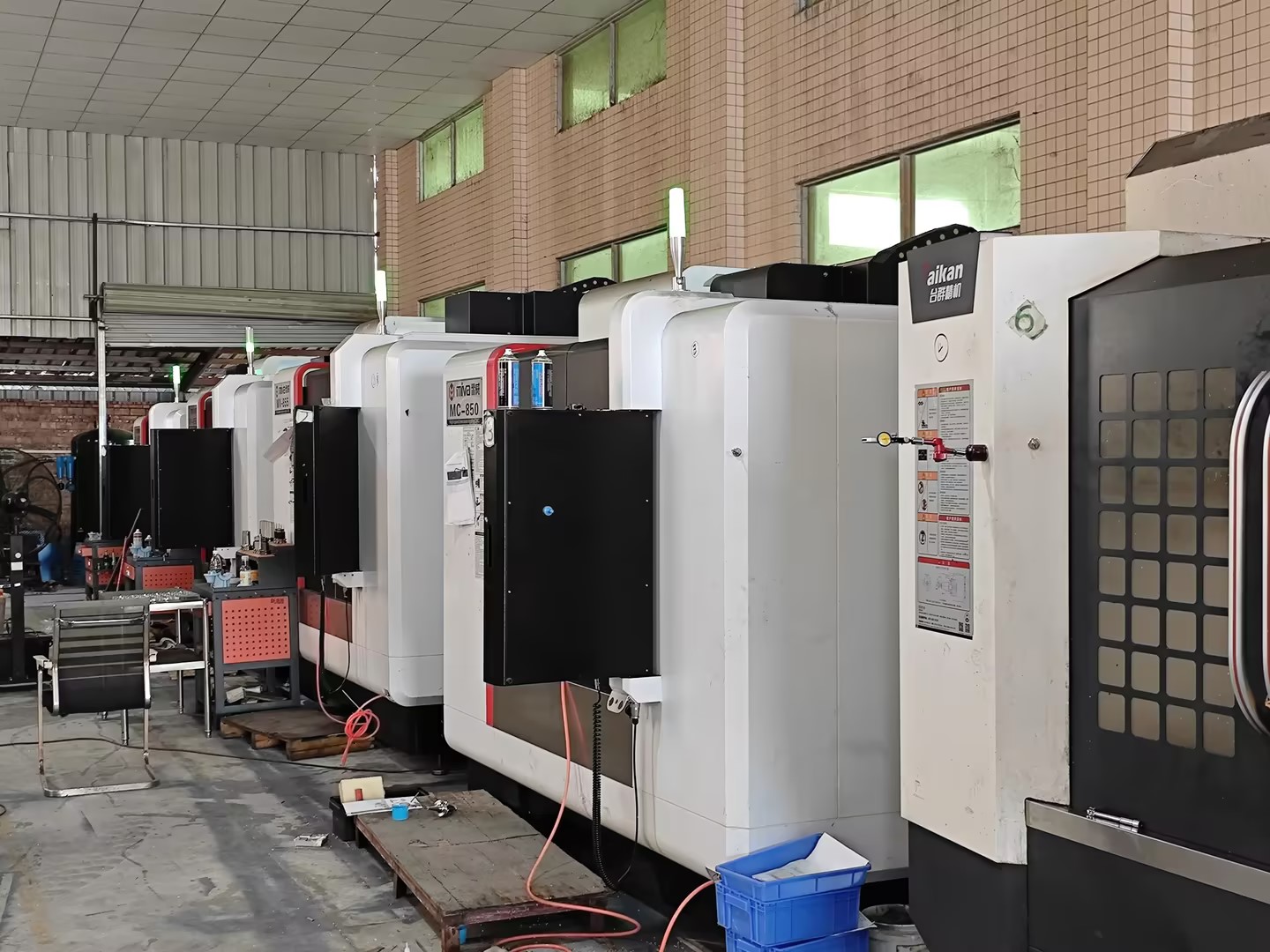
Combined with 5-axis CNC post-processing for one-stop machining

Post-processing steps such as finishing, tapping, and drilling of printed metal parts are completed by the in-house 5-axis CNC machining center at the Dongguan base. From printing to finishing to surface treatment, all processes are handled in-house, eliminating the need for outsourcing.

Full-process quality control and confidentiality

Production is carried out in our own workshop; drawings do not leave the factory. An independent testing laboratory is available to issue complete dimensional inspection reports.

IV. Real-world Case Studies: Metal Printing Practices for New Energy Vehicle Heat Dissipation Structures and Precision Medical Parts

Case Study 1: Heat Dissipation Housing for New Energy Vehicle Electronic Control Systems

A new energy vehicle company needed to manufacture a complex aluminum alloy heat dissipation housing during its R&D phase. This housing included irregularly shaped flow channels and thin-walled structures. Traditional CNC machining would take more than 3 weeks, and the internal flow channels could not be integrally formed.

Zhuhai Jingrui used SLM metal 3D printing to complete the printing and finishing process in 72 hours. The internal flow channel structure was perfectly realized, and the heat dissipation test results exceeded the expected design.

Case Study 2: Precision Components for Medical Surgical Instruments

A medical device company needed a titanium alloy surgical instrument part with a complex structure and a wall thickness of only 0.3mm. Traditional CNC machining yielded less than 30%.

Zhuhai Jingrui used SLM metal printing to achieve one-piece molding, controlling the wall thickness accuracy within ±0.05mm. The delivery cycle was only 5 working days, significantly accelerating the client's clinical testing progress.

V. Do you have metal parts printing needs? Send your drawings for a free process feasibility assessment.

Zhuhai Jingrui Additive Manufacturing Technology boasts its own SLM metal 3D printing production line and 5-axis CNC post-processing, enabling fully in-house production and control over quality and delivery time.

Please send your 3D drawings to our engineering contact email: jenny@jrproto.com. We will provide you with a free process feasibility assessment and accurate quote.









