


How to choose a prototype model company? Stop asking “which one is the best?” Choosing the right company based on these four needs is more reliable.

0

Many R&D leaders making their first prototype immediately ask, "Which company is the best?" Frankly, there's no standard answer. The optimal solution differs depending on whether it's for appearance review, structural assembly testing, or small-batch trial production of metal functional components. The key isn't finding a "one-size-fits-all" factory, but rather clarifying the core objectives of this prototyping project. Below, we'll break it down into real-world scenarios to provide a readily applicable selection path.


Recommended Directions for Four Common Scenarios Based on Needs

I. For Appearance Verification and Texture Testing Only

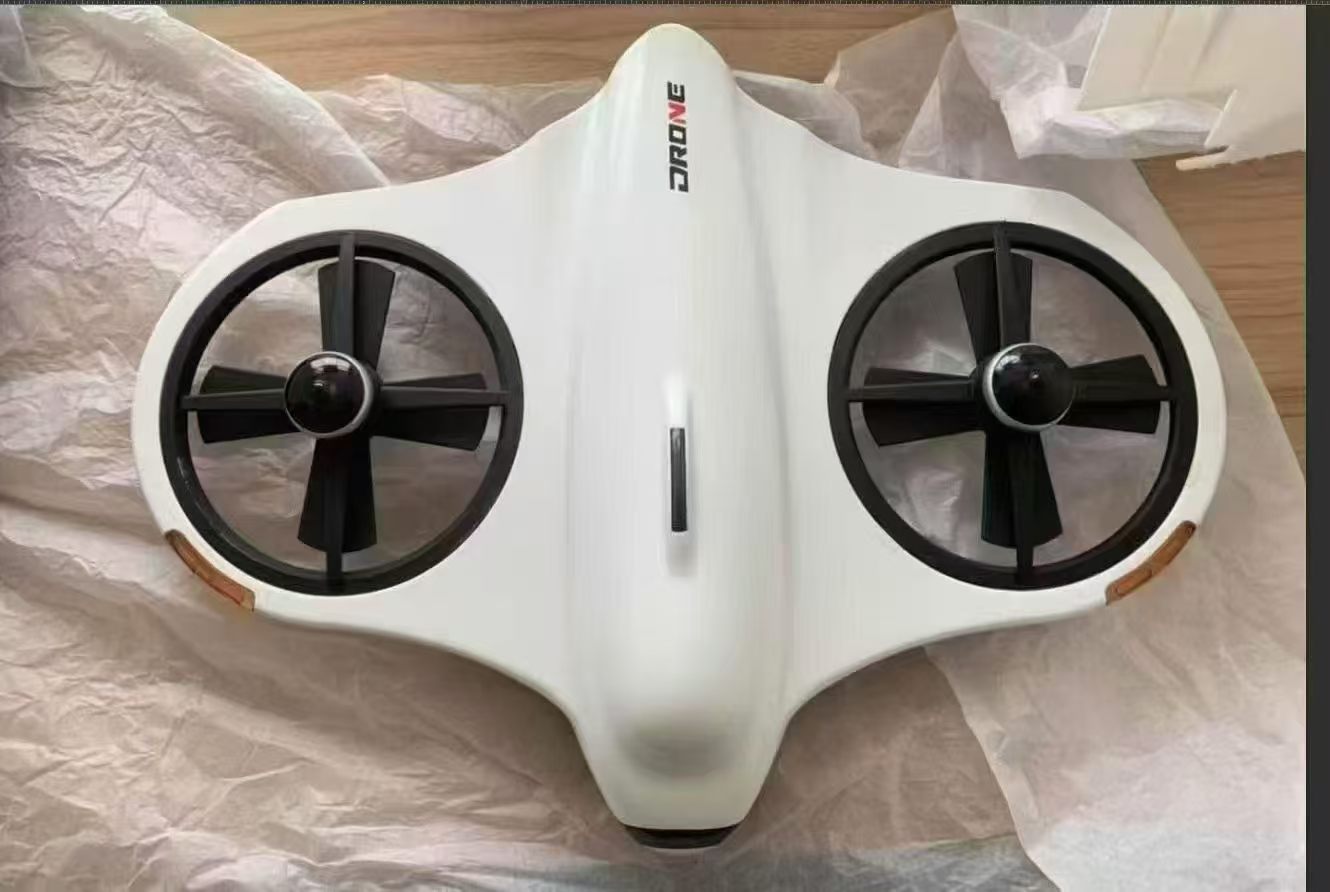
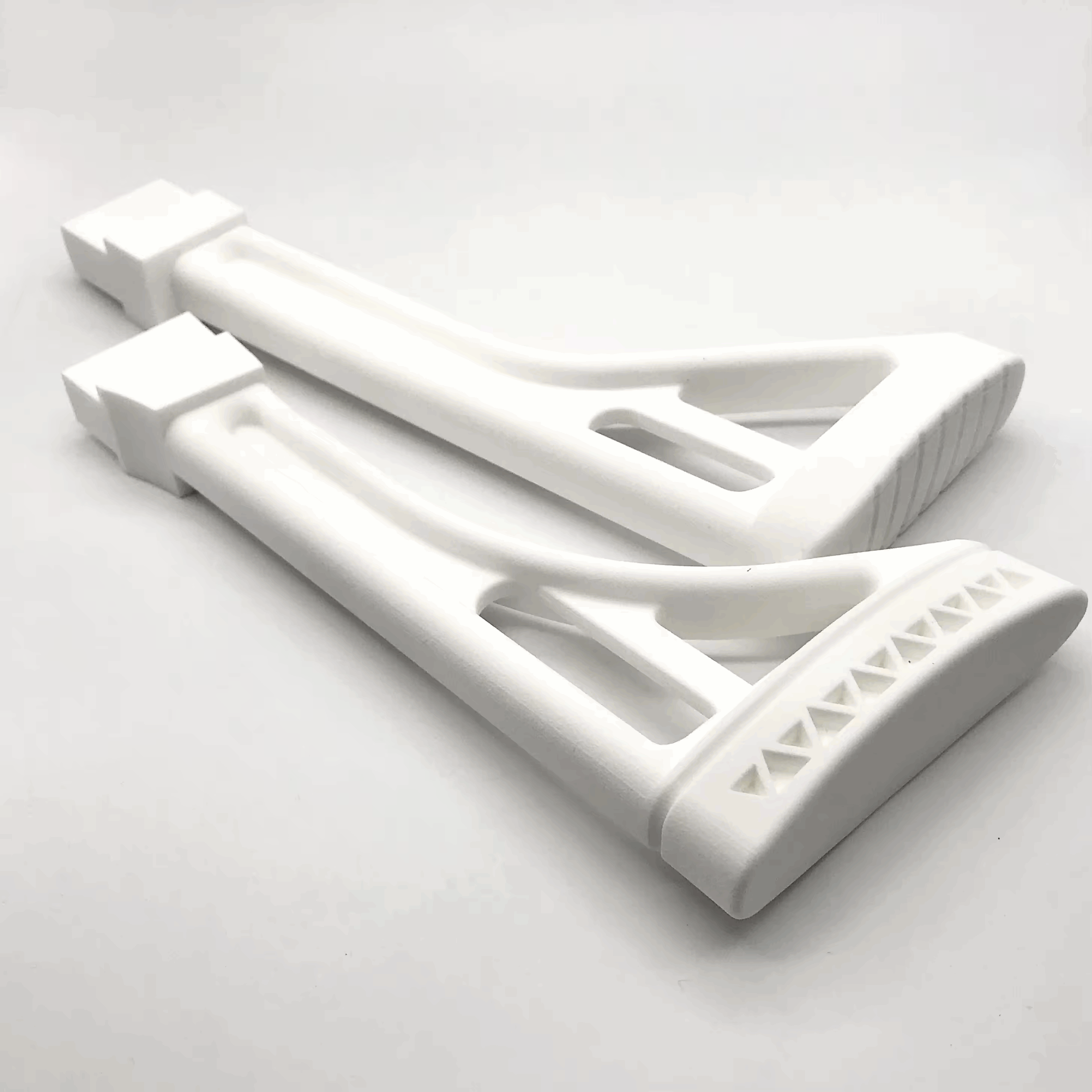
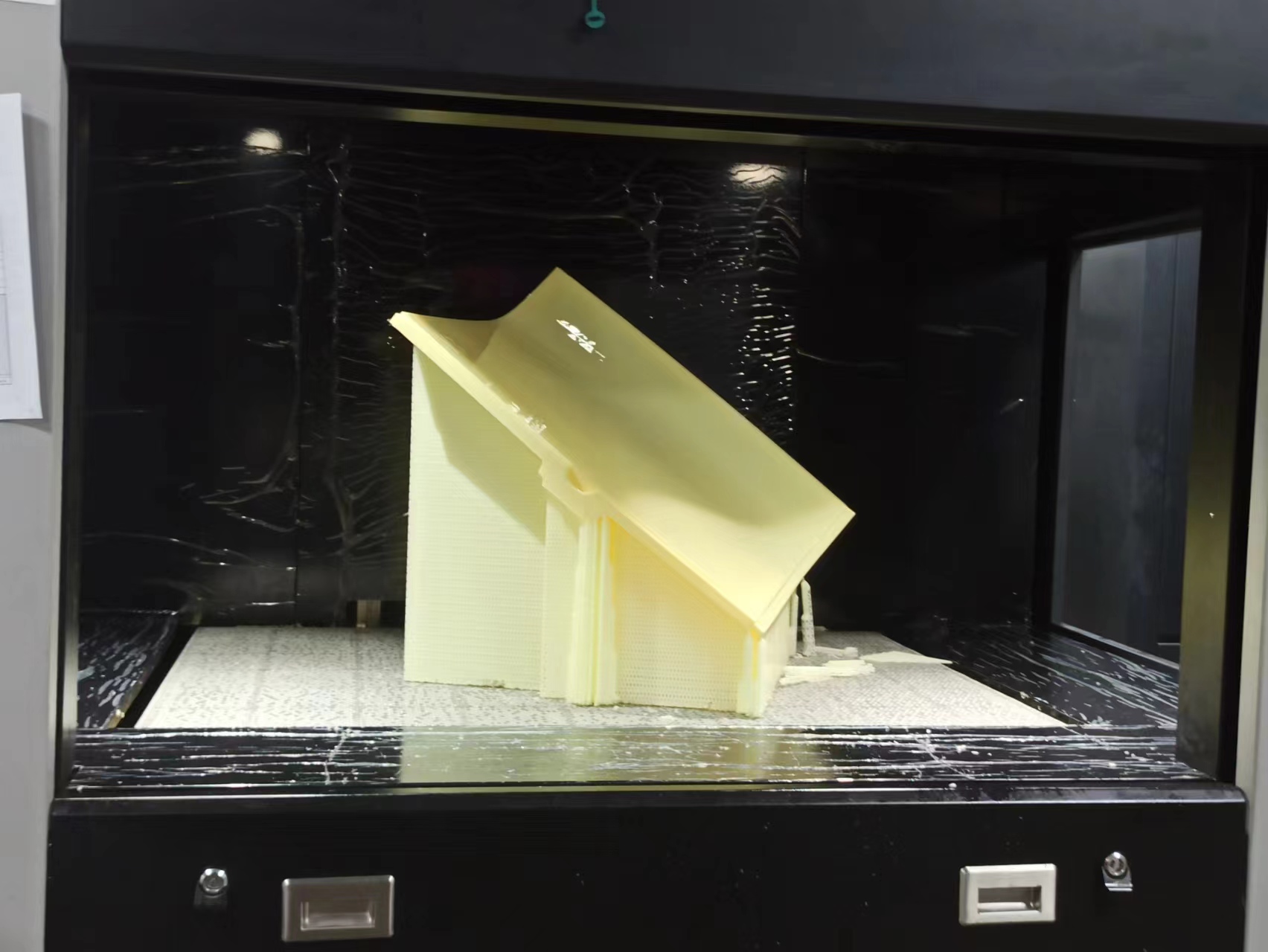
If your need is to confirm the ID design and show the physical product to the marketing department or boss, prioritize high-precision SLA photopolymer 3D printing. This process produces a smooth surface, high detail reproduction, and relatively controllable costs. When choosing, focus on the manufacturer's SLA layer thickness and post-processing sanding and coating—the thinner the layer, the shallower the surface texture, and the closer the final mass-production result will be. For common samples, SLA printing with an ultra-thin layer thickness of approximately 0.025mm usually provides a surface finish sufficient for appearance review.

II. For Assembly Verification and Motion Function Testing

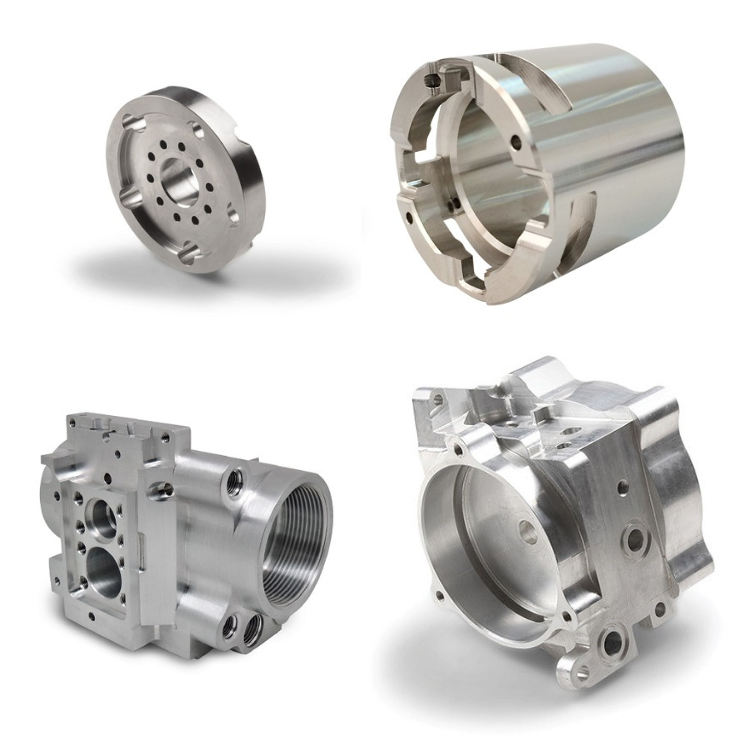
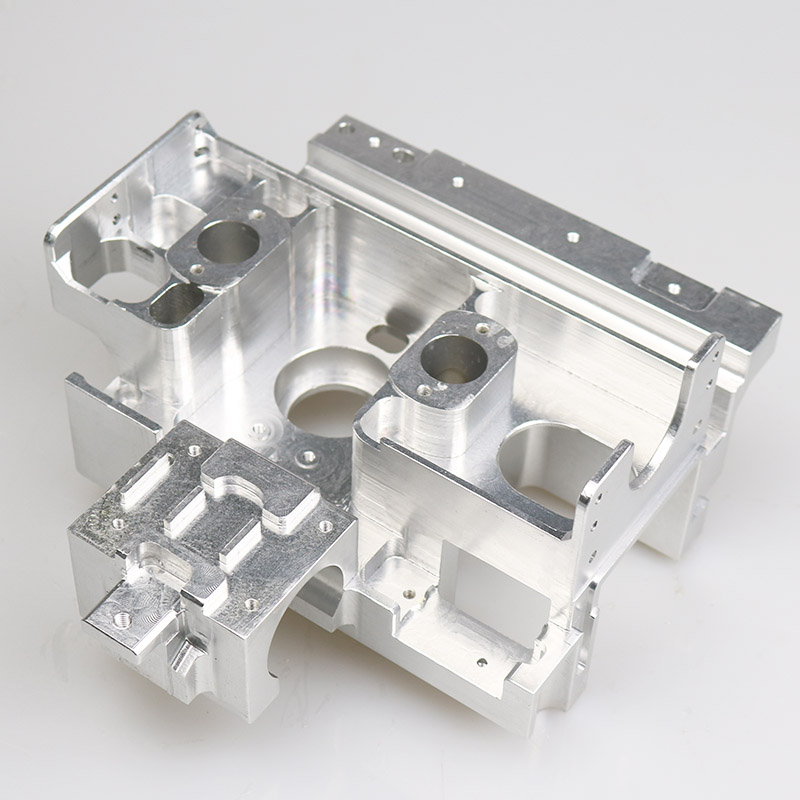
These prototypes require extremely high dimensional accuracy. If tolerances are off, clips won't engage, screw holes will misalign, and the entire prototyping process will be wasted. CNC precision machining is recommended, directly machining engineering plastics or aluminum alloy sheets. When selecting a supplier, don't just listen to "can do CNC," but inquire about repeatability accuracy and actual delivered dimensional tolerance reports. The industry standard is around ±0.1mm, but this tolerance is often insufficient for precision assemblies. Only high-precision machining capabilities that can consistently control the tolerance within ±0.05mm can guarantee a successful assembly test on the first attempt.

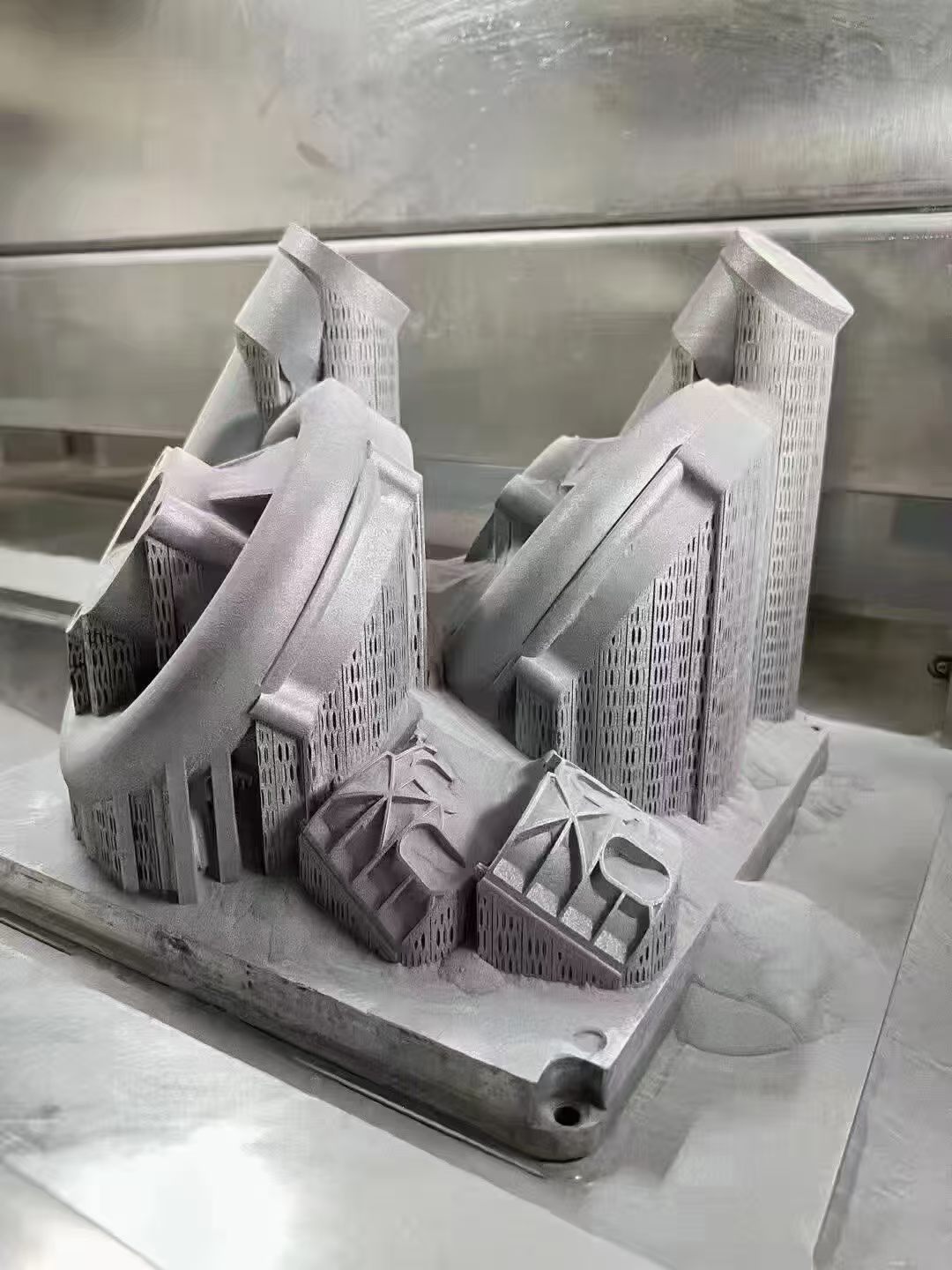
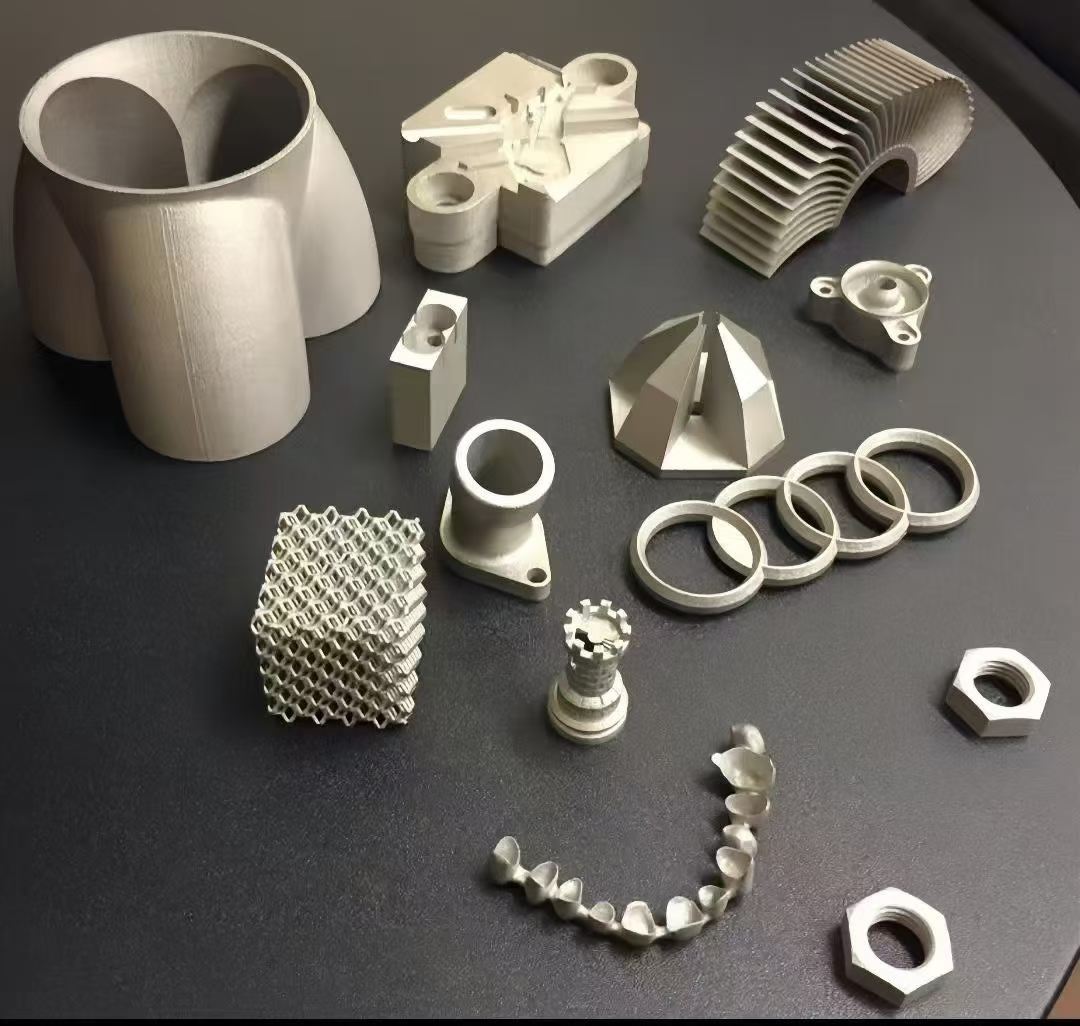
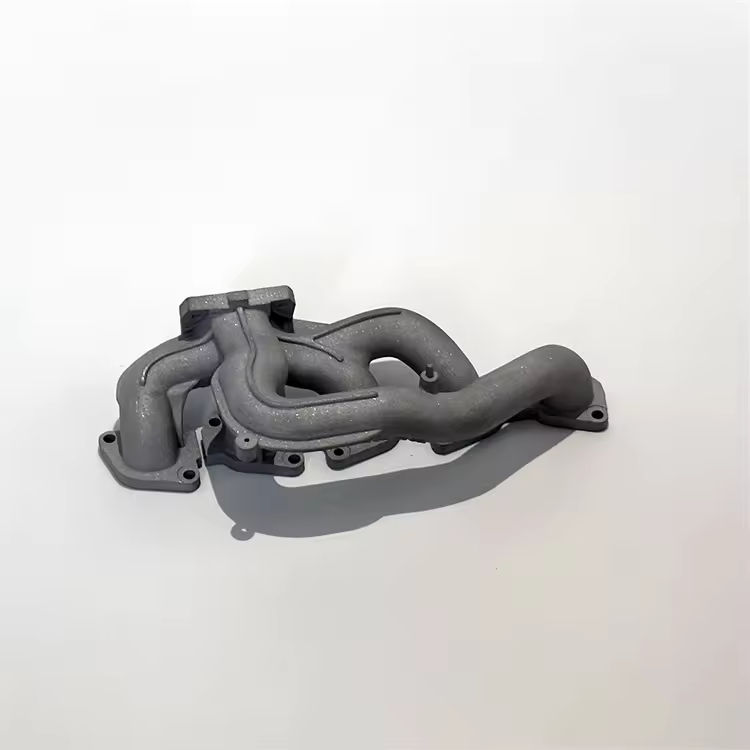
III. Metal Part Prototype Verification, High Temperature Resistance, or Strength Testing In this case, plastic cannot be used as a substitute; SLM metal 3D printing is necessary. Laser sintering directly bonds metal powder to create a one-piece part with complex internal flow channels and hollowed-out weight-reduction structures. When choosing a metal printing service provider, focus on two key aspects: density and maximum build size. Insufficient density results in micropores inside the part, rendering strength test data meaningless. Only metal printing services in the industry that can achieve a part density of ≥99.9% can provide reliable prototype performance data.

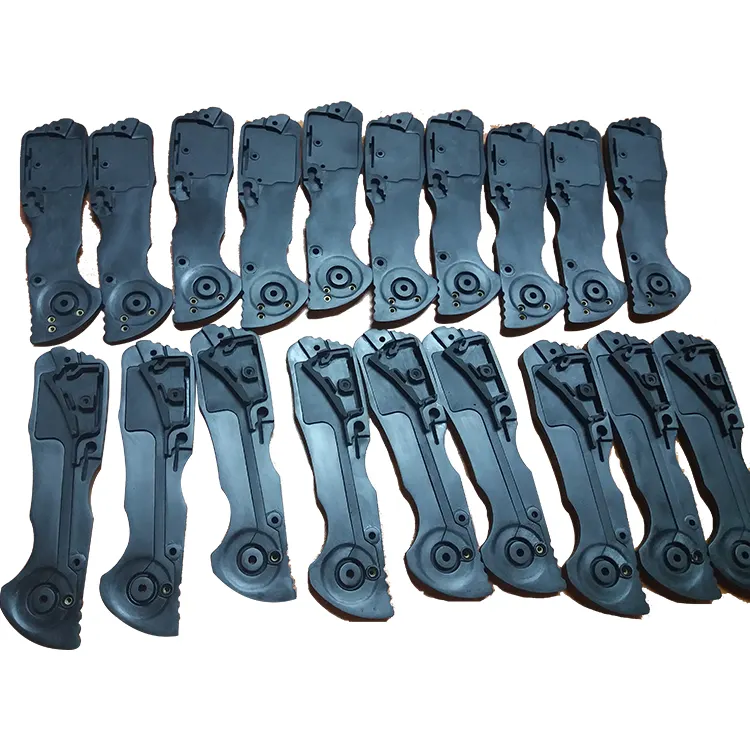
IV. Design Verified, Small-Batch Trial Production of Dozens to Hundreds of Units Steel molds are too costly and time-consuming. In this case, silicone molding is the most cost-effective solution. Using a single silicone mold, dozens of plastic parts can be quickly replicated, reducing the cost per unit to tens of dollars. The key considerations are the types of materials the manufacturer uses for mold making, the lifespan of the mold, and whether the manufacturer can handle all subsequent surface treatments, thus avoiding the hassle of dealing with multiple suppliers.

Key Verification Standards for Key Dimensions

Selecting a supplier shouldn't be based solely on sales pitches; you need to be able to discern the nuances. The following dimensions are the dividing line between a reliable factory and an ordinary workshop.

Precision: Don't just listen to the words "high precision." Ask for specific values ​​and testing methods. Also, check if the factory has measuring equipment like a coordinate measuring machine (CMM) and whether the minimum testing precision can reach 0.001mm.

Production Capacity and Delivery Speed: When R&D is fast-paced, time is more valuable than money. The industry standard for prototype delivery is generally 3 to 7 days. If you frequently have urgent needs, look for suppliers who explicitly promise 24-hour rapid prototyping and 72-hour small-batch delivery. This isn't based on overtime, but on substantial equipment scale and production scheduling capabilities. For example, Zhuhai Jingrui Additive Manufacturing Technology Co., Ltd. has dual production bases in Zhuhai and Dongguan, with a total building area of ​​over 35,000 square meters and more than 500 industrial-grade machines. This is the hardware foundation that enables them to deliver on their rapid delivery promises.

Production Capacity and Delivery Speed:Full-process process coverage. A prototype project often starts with 3D printing or CNC machining, then involves painting, electroplating, laser engraving, and may finally require small-batch production using silicone molds. If each process requires different manufacturers, communication costs, handover errors, and delays become major problems. Find a factory that integrates SLA/SLS/SLM 3D printing, CNC precision machining, silicone mold making, sheet metal work, and integrated surface treatment. A dedicated contact person handles each project from start to finish, ensuring clear responsibility and preventing blame-shifting in case of issues.

Qualifications and data security. To determine a factory's legitimacy, first check its basic certifications. ISO 9001 quality management system certification is a minimum requirement. A high-tech enterprise certificate indicates officially reviewed technical R&D capabilities. For new product development, drawing confidentiality is often more important than unit price. Confirm that the manufacturer has a military-grade drawing confidentiality mechanism and a dedicated one-on-one project tracking process, rather than simply sharing drawings in worker groups. In this regard, Jingrui Proto's service model is worth referencing. It implements confidential management throughout the entire process from order placement to production, preventing the leakage of new product structure data, which is a necessity for unlisted products.

Matching Strategies for Different Budgets and Stages

Proof-of-Concept Stage with a Tight Budget: SLA 3D printing at a cost of tens to hundreds of yuan per piece is the optimal solution. The unit price is typically between 20 and 2000 yuan, depending on the size and complexity. At this stage, absolute precision is not the priority; quickly obtaining a physical prototype and confirming the design direction is paramount.

Medium Budget, Entering the Structural Verification Stage: CNC precision machining is used. The cost per piece ranges from 50 to 5000 yuan. Materials used are ABS or aluminum alloy. The resulting product has the strength to be ready for assembly and testing. At this stage, it's worthwhile to invest more in a high-precision manufacturer. Often, a difference of 0.05mm in precision can drastically alter the assembly experience. Some factories, such as Jingrui Proto, offer free drawing and process optimization, helping you identify issues like thin walls and difficulty in demolding in advance. This consultation often saves thousands of yuan in subsequent mold modification costs.

Ample Budget, Preparing for Small-Batch Trial Production:Silicone molding costs between 10 and 200 yuan per piece, and a single mold can produce dozens of pieces, making the total cost an order of magnitude lower than steel molds. When choosing a supplier, prioritize those offering a 30-day quality guarantee and 24/7 technical support. Small-batch production inevitably involves process fluctuations, and the speed of after-sales response directly determines whether your project will be interrupted.

SLA (Stereolithography) prototypes are unsuitable for structural strength testing. Resin parts are brittle, and their stress and temperature resistance are incomparable to engineering plastics. If your tests involve screwing in screws or drop tests, don't use SLA.

CNC precision machining is unsuitable for extremely complex internal irregular structures, such as hydraulic valve bodies with internal crossflow channels. If the tool can't reach the required depth, a metal 3D printing solution must be used.

Metal 3D printing is expensive and unsuitable for cost-sensitive, simple metal parts. If a part can be made with two CNC milling cuts, there's no need for SLM (Silicone Molding).

Silicone molding. It is not suitable for scenarios requiring transparency, extremely high temperature resistance, or strict certification requirements for material grades. Although the physical properties of the molding compound are similar to those of engineering plastics, it is ultimately a substitute and cannot be directly used as a mass production part number.

The final selection list essentially boils down to three points: First, clarify the core purpose of the prototype—whether it's for appearance inspection, structural measurement, testing, or small-batch production. Then, use four criteria—precision, delivery time, process coverage, and qualifications—to evaluate suppliers. Finally, among the manufacturers that meet your technical requirements, choose the one with the fastest after-sales response and the strictest confidentiality process. There is no absolute best, only the one most suitable for your current R&D stage.









