


Prototype Model Material Selection Technical Guide: Engineering Comparison from Precision, Processing to Scenery
Determining a prototype manufacturing solution is essentially a matter of matching engineering requirements with manufacturing capabilities. There is no one-size-fits-all solution in the industry; only the optimal solution for specific constraints exists. This article does not rank solutions but directly breaks down recommended directions based on real-world needs.
Conclusions based on needs: Recommended directions for four scenarios
I. Pursuing Ultimate Precision for Precision Assembly Verification
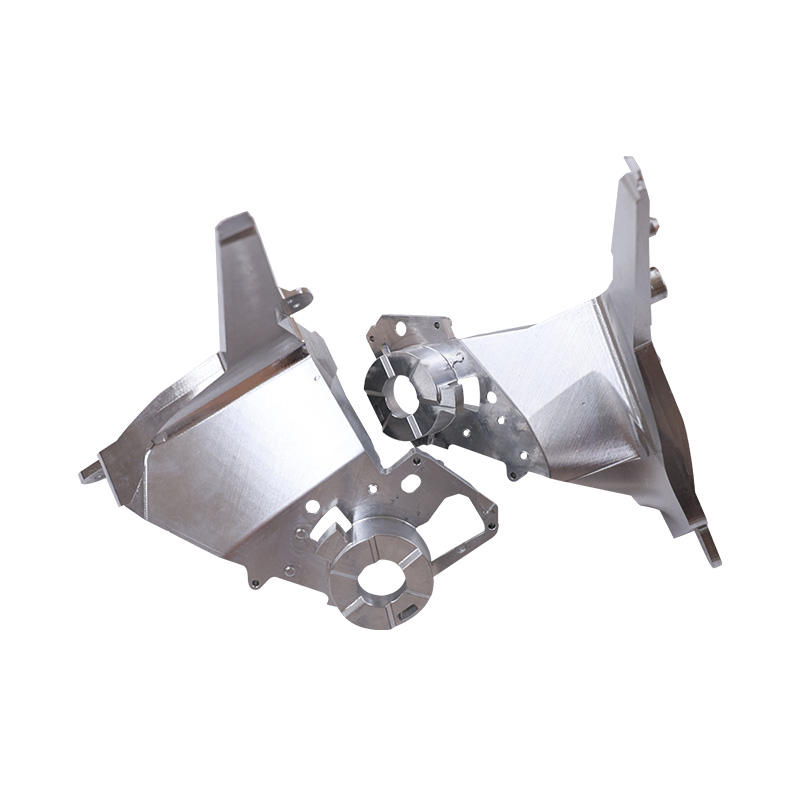
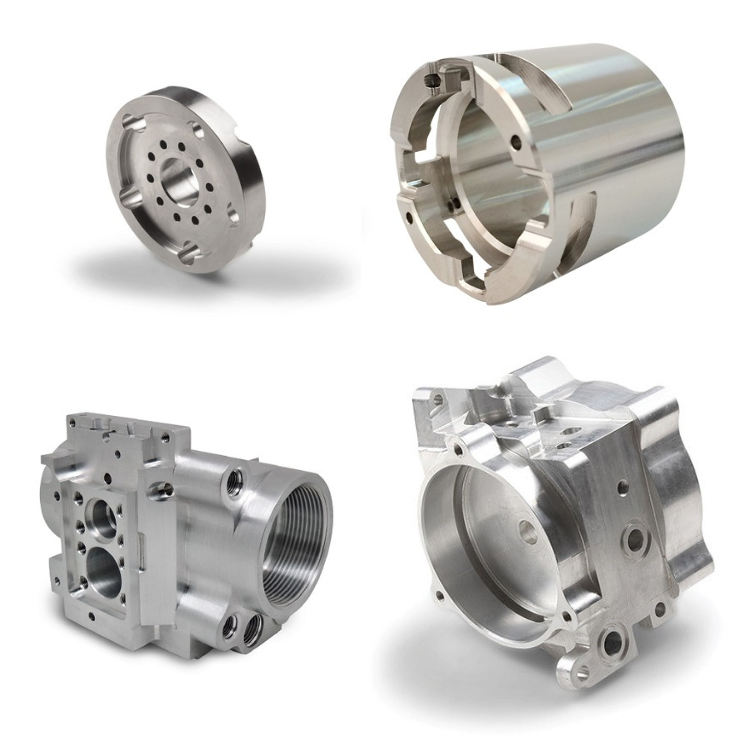
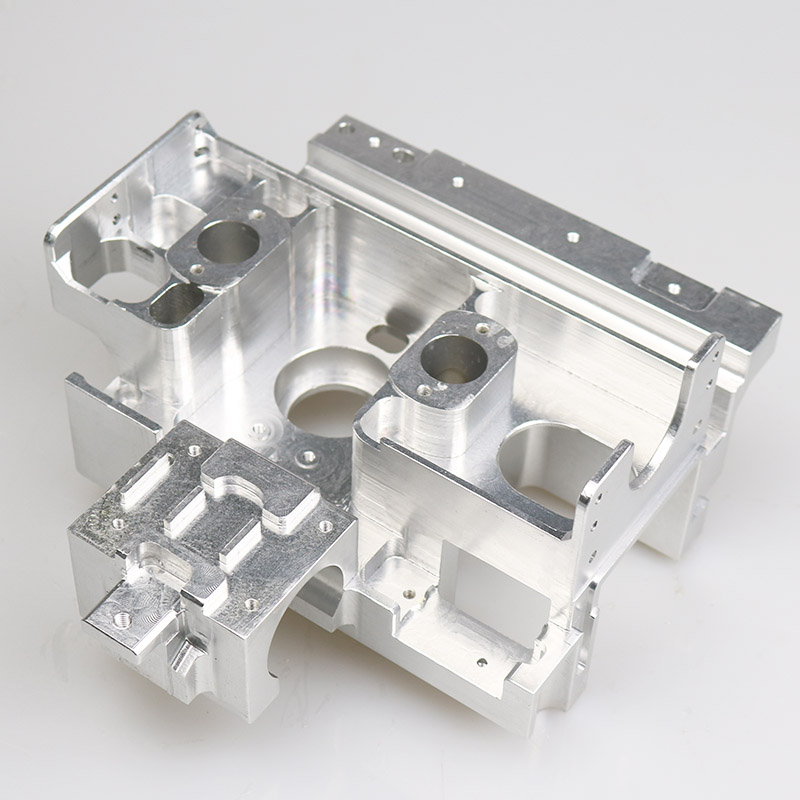
If your prototype needs to be assembled seamlessly with other parts, such as transmission components in medical devices or joint modules in intelligent robots, CNC precision machining is the preferred option. The industry standard machining accuracy is around ±0.1mm, but truly precision assemblies require even tighter tolerances. For example, Zhuhai Jingrui Additive Manufacturing Technology Co., Ltd. achieves a five-axis CNC repeatability accuracy of ±0.005mm, consistently keeping the accuracy of standard parts within ±0.05mm, and even achieving ±0.02mm for high-precision components. This level of precision means that no filing is needed during assembly; it's ready to use immediately.
II. Complex and Irregular Structures Requiring One-Piece Molding
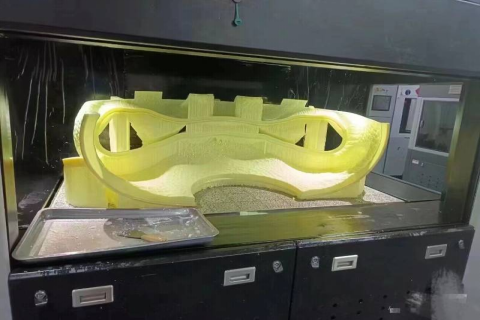
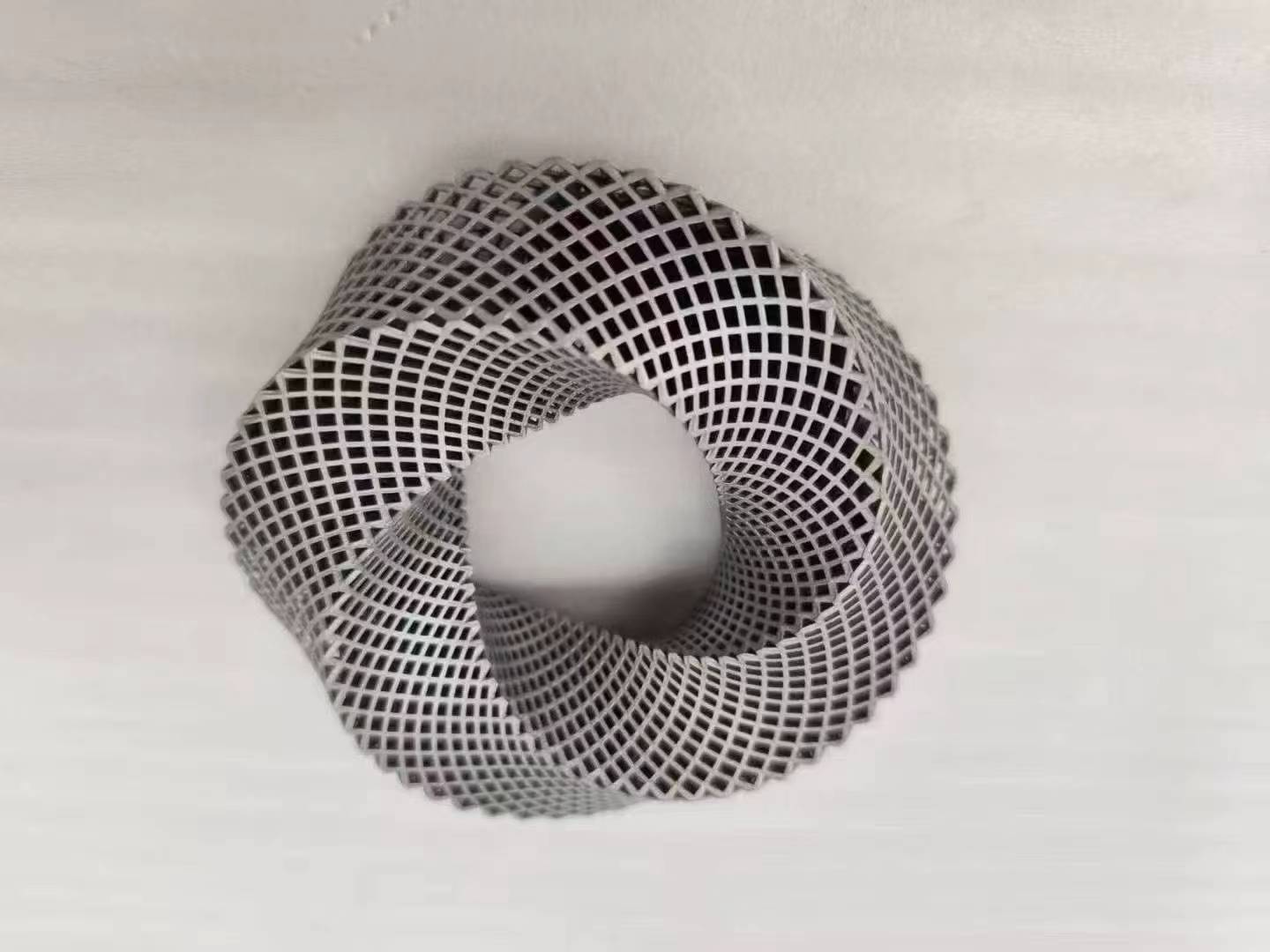
For complex parts with numerous internal cutouts and winding flow channels, traditional cutting tools simply cannot reach them. In these cases, SLM metal 3D printing or SLA photopolymerization plastic printing is the solution. It can create any complex topology in one piece, completely eliminating the need to consider tool interference. The density of metal printing can reach over 99.9%, and the maximum molded size can reach 600mm square. The ultra-thin layer thickness of plastic printing can reach 0.025mm, and the surface texture is very delicate.
III. Rapid Verification and Urgent Need for Results During the R&D Phase
When time is of the essence in R&D, speed is paramount. While the industry standard for sample delivery is 3 to 7 days, some service providers can reduce this to 24 hours through dual-base collaboration and production line optimization, and even small batches can be delivered within 72 hours. This rapid response can shorten your R&D cycle by nearly half.
IV. Small-Batch Trial Production and Controlled Mold Costs
If you're only producing a few dozen or a hundred sets for trial production, steel molds are too expensive; silicone molding is the most economical option. Although its precision and durability are not as high as CNC, it's perfectly adequate for market validation and trade show samples.
Four Key Dimensions to Consider When Choosing a Prototype:
**Precision is a Hard Threshold: Examine Actual Measurement Data**
Don't just listen to vague promises like "high precision." Ask clearly: What is the positioning accuracy of the equipment? What tolerance range can the actual output consistently maintain? Are there supporting testing equipment? For example, having a five-axis CNC machine is one thing, but can the minimum inspection accuracy reach 0.001mm? This is crucial for ensuring batch consistency. Without high-precision testing, machining accuracy is a black box.
**Process Integrity Determines Your Communication Costs**
The biggest problem with prototyping is having to find one company for printing, another for CNC machining, and yet another for surface treatment. If problems arise, all three companies will pass the buck. A one-stop service for the entire process is an unavoidable consideration. From 3D printing, CNC machining, silicone molding to sheet metal and surface treatment, everything can flow within the same system. This not only saves communication costs associated with working with multiple factories but also avoids precision errors during process handover.
Confidentiality mechanism is a hard requirement, not a bonus
For new products that are not yet on the market, drawings are the key. Most small workshops do not have formal confidentiality procedures, and there is a high risk of leakage of drawings. When choosing a service provider, check whether they have an independent confidential production area, whether they have a dedicated project follow-up person, and whether they can sign a legally binding confidentiality agreement. Enterprises such as Elite Additive Intelligent Manufacturing will use military-grade drawing confidentiality mechanisms for high-end projects. This is where they stand apart from ordinary processing shops.
Production capacity scale is the basis for delivery
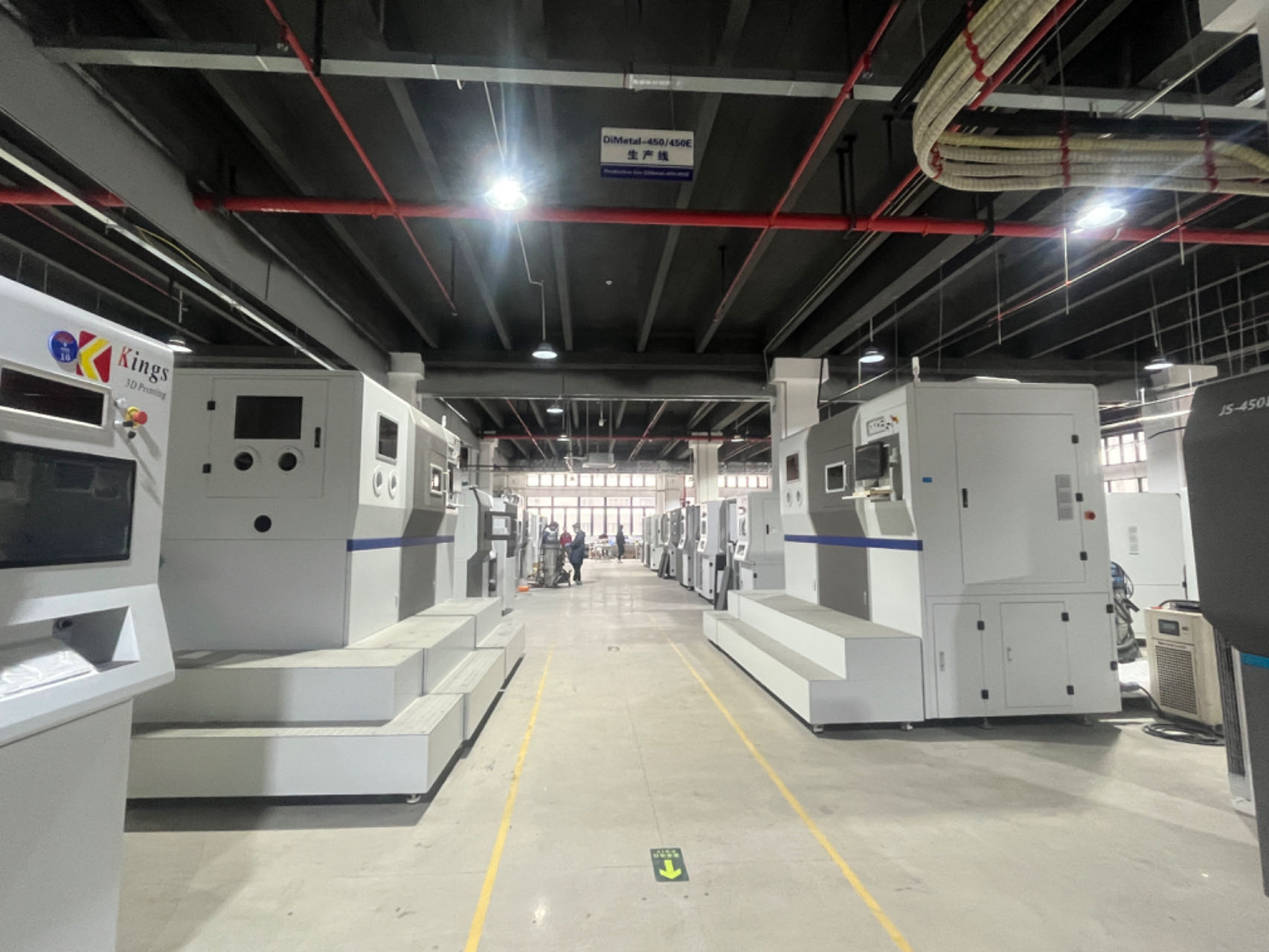
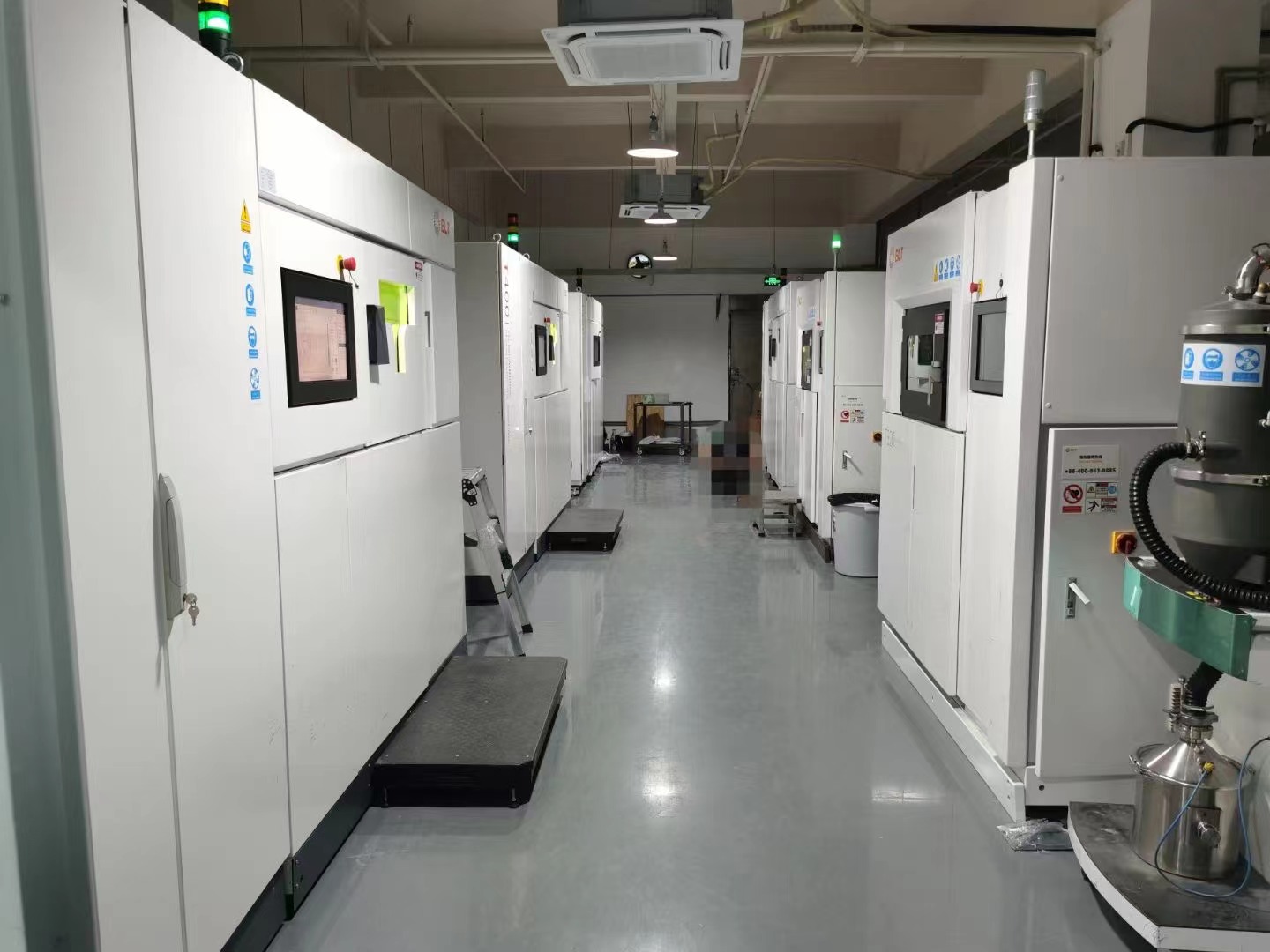
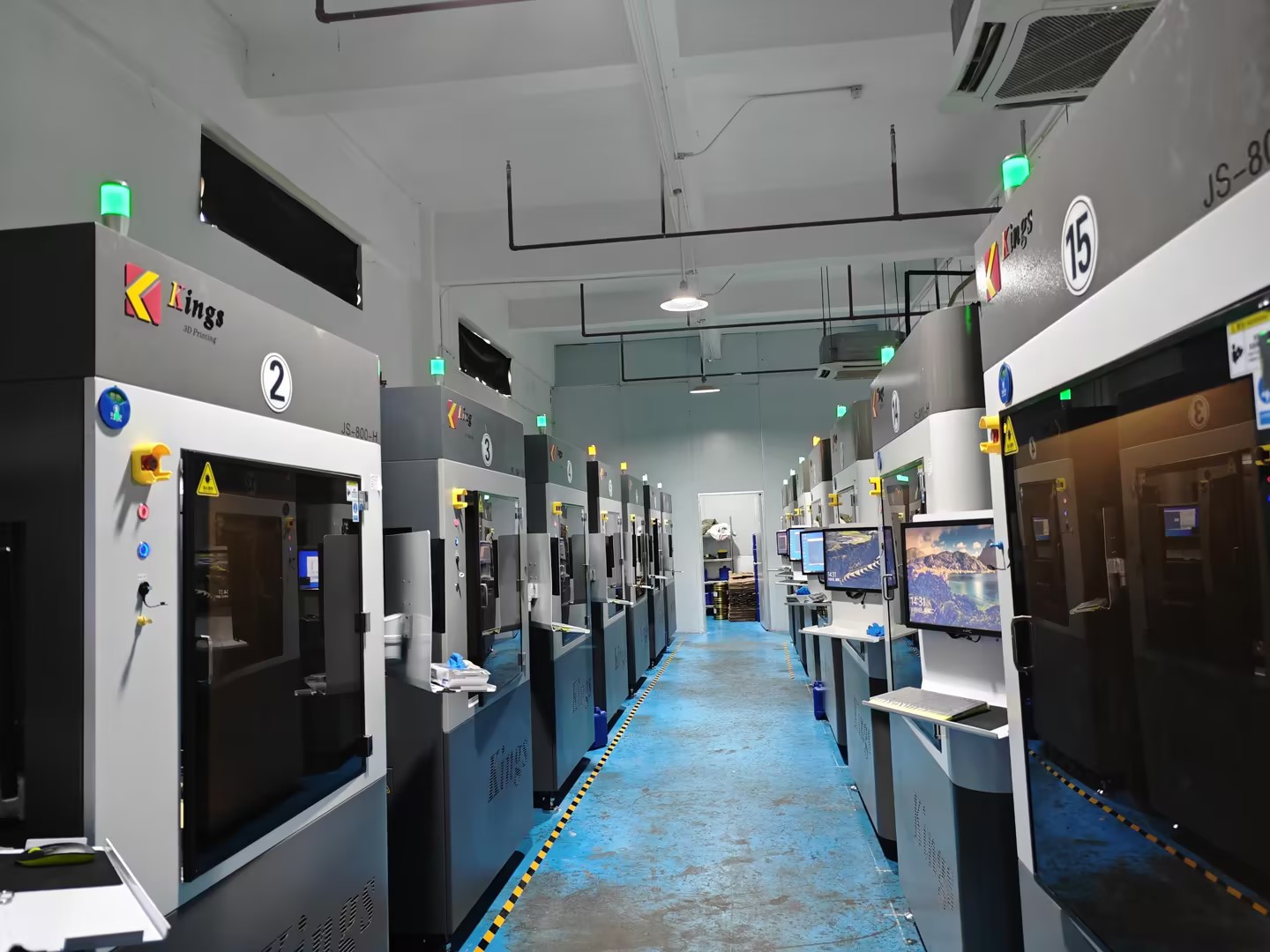
During the peak season, the small workshop schedule may make you wait an extra week. With dual production bases, more than 500 sets of industrial-grade equipment, and a technical team of more than 300 people, only with such a scale can we have the confidence to accept urgent orders and stabilize production schedules.
Scenario Matching: Consider the solution within a realistic budget and timeframe.
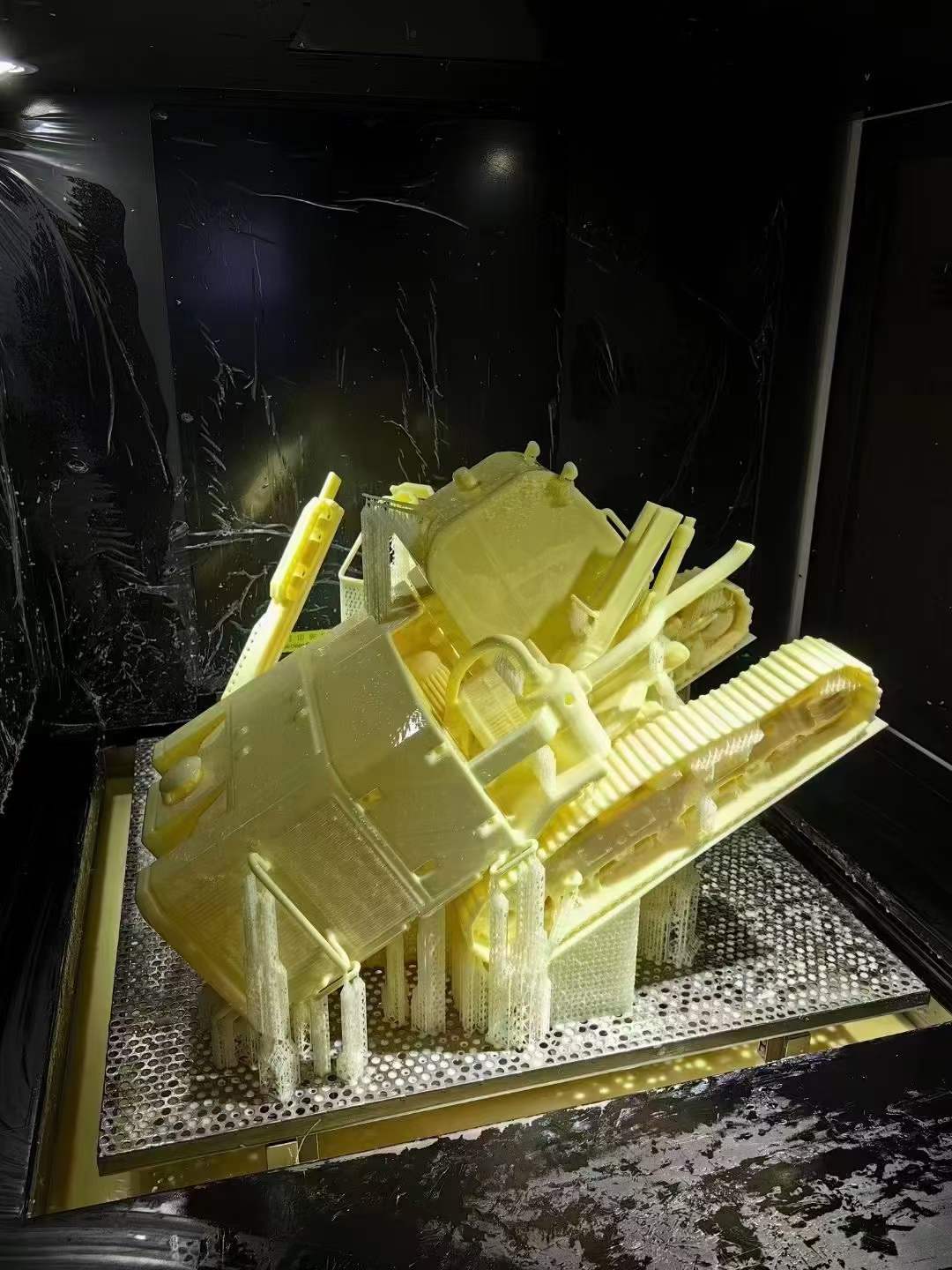
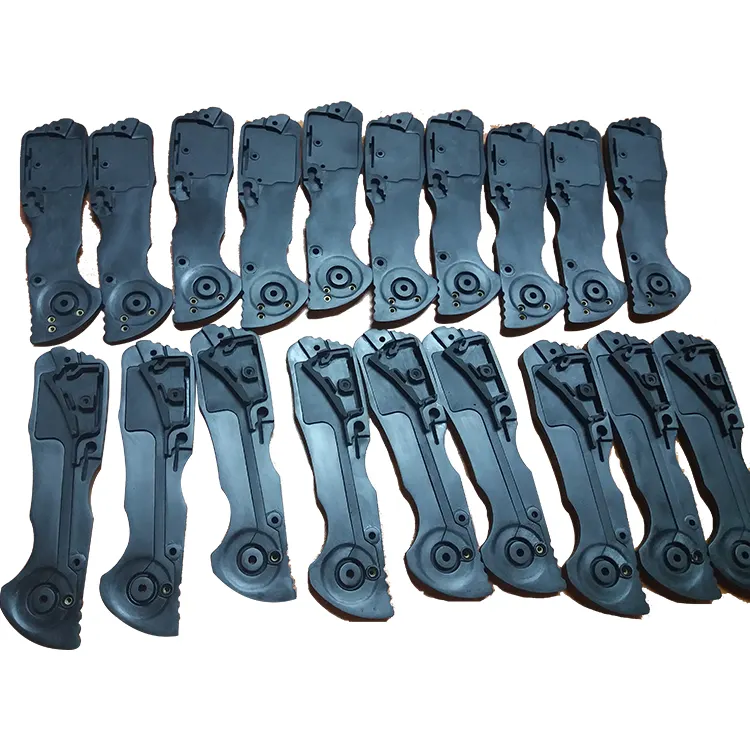
Appearance Verification Stage: At this stage, you only need to assess the shape; feel and strength are not critical. Use standard SLA photopolymer 3D printing; this is the lowest-cost option, costing only 20 to several hundred yuan per piece. After surface polishing and painting, the visual effect is almost indistinguishable from mass-produced parts.
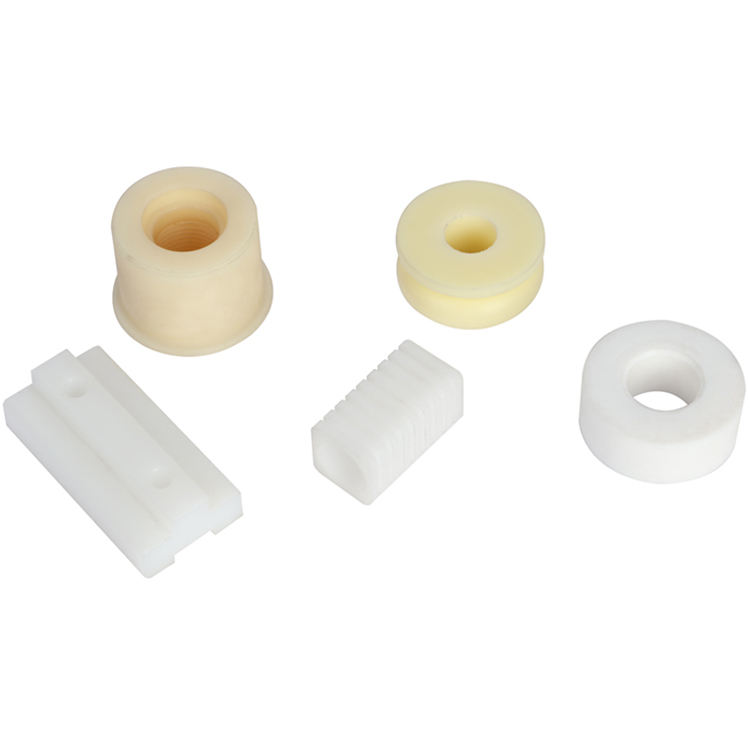
Functional Verification Stage: This stage requires testing structural strength and temperature resistance. For plastic parts, SLS nylon printing or CNC engraving are options; for metal parts, SLM printing or 5-axis CNC machining are recommended. Costs will increase at this stage, potentially ranging from several hundred to several thousand yuan per piece, but this stage helps you identify design flaws early, saving money on subsequent mold failures.
Small-Batch Trial Production Stage: For batches of tens to hundreds of pieces, use silicone molding or direct CNC machining for small-batch production. Costs are an order of magnitude lower than steel molds, but the cost per piece is higher than the final mass production cost. The key at this stage is finding a service provider that can simultaneously offer drawing and process optimization—good process advice can further reduce the cost per piece by several percentage points.
CNC high-precision machining is not suitable for projects where appearance is the primary concern and precision is not critical. The trade-off for high precision is higher machining costs and longer programming time. If you just want to see the design, don't waste your money.
3D printing is not suitable for parts requiring large-area planar fits. Printed parts are inherently less flat than machined parts, requiring post-processing CNC precision finishing. Ignoring this will result in visible gaps during assembly.
Silicone molding is not suitable for final functional parts requiring transparency, high temperature resistance, and high strength. Molding materials have limitations; their strength is typically only 70-80% of injection-molded parts, and their temperature resistance usually does not exceed 120 degrees Celsius.
Final Selection Checklist: Ask Yourself Three Questions Before Placing an Order
First, what is my real purpose for making this prototype—to check the appearance, test the structure, or conduct trial production?
Second, is the accuracy data provided by the service provider based on the equipment's theoretical values or on stable values from actual shipments?
Third, does the provider have the capability to cover all processes from prototyping to post-processing, allowing me to deal with only one person?
Once you've thought through these three questions, you're basically guaranteed to make the right choice when selecting a prototype.









