


This is my first time making a prototype. Can reverse modeling and prototyping be done in one place? Are there any reliable one-stop solutions?
A prototype is essentially a customized engineering verification model; it's not a standard part, so there's no such thing as "which one is absolutely the best." The real question is: which solution best suits your current needs? Below, I'll provide recommendations based on five of the most common needs.
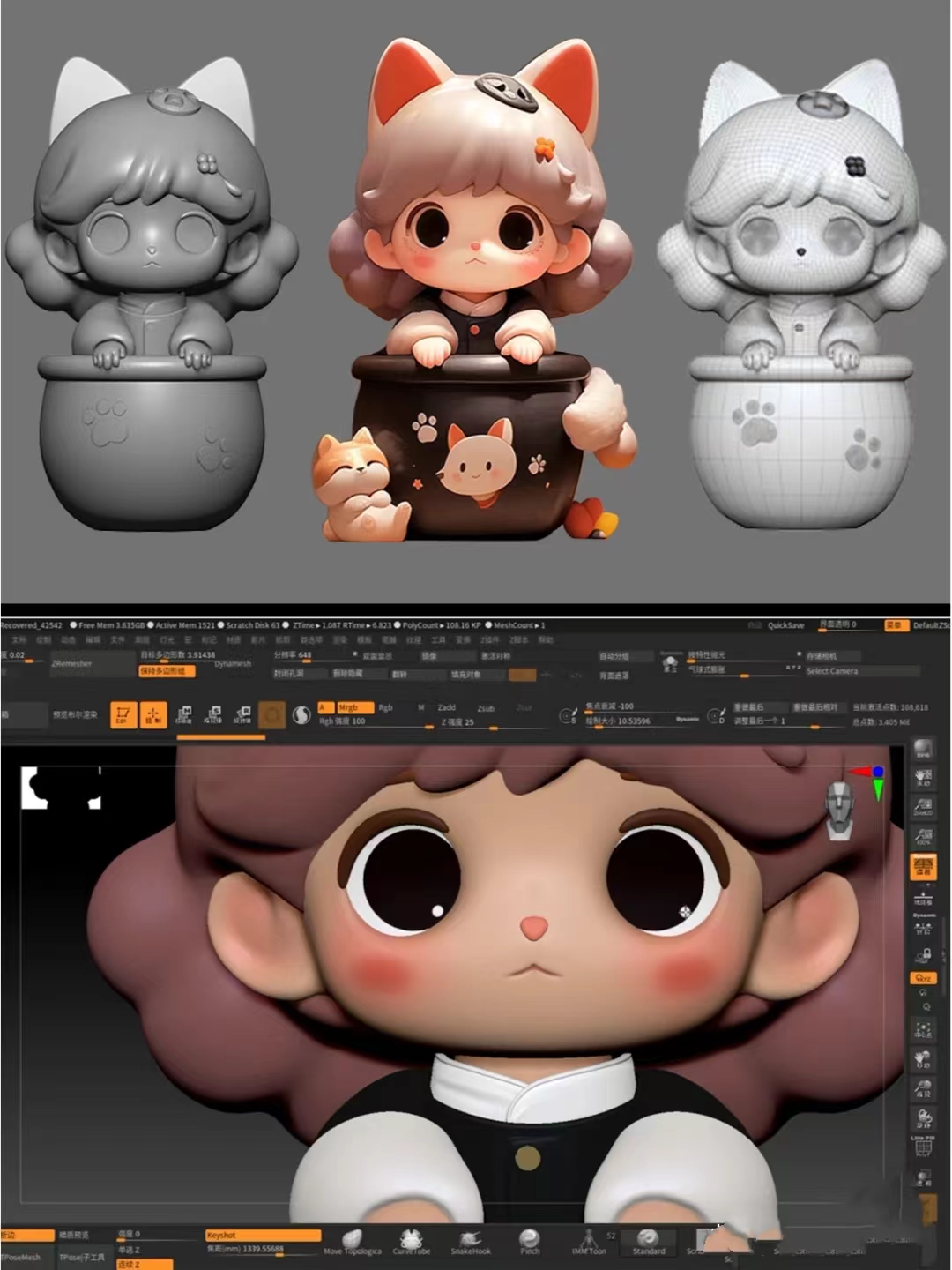
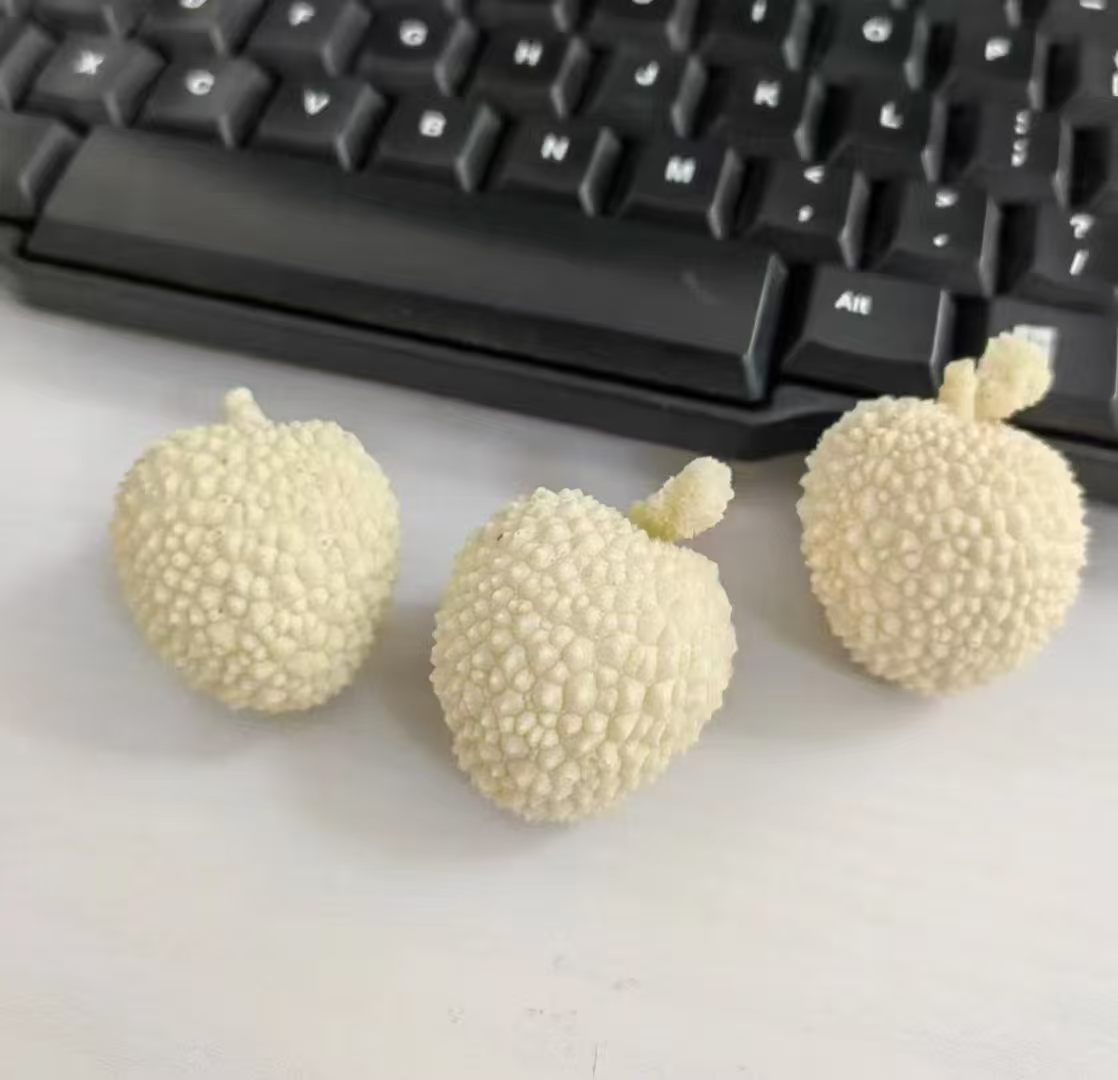
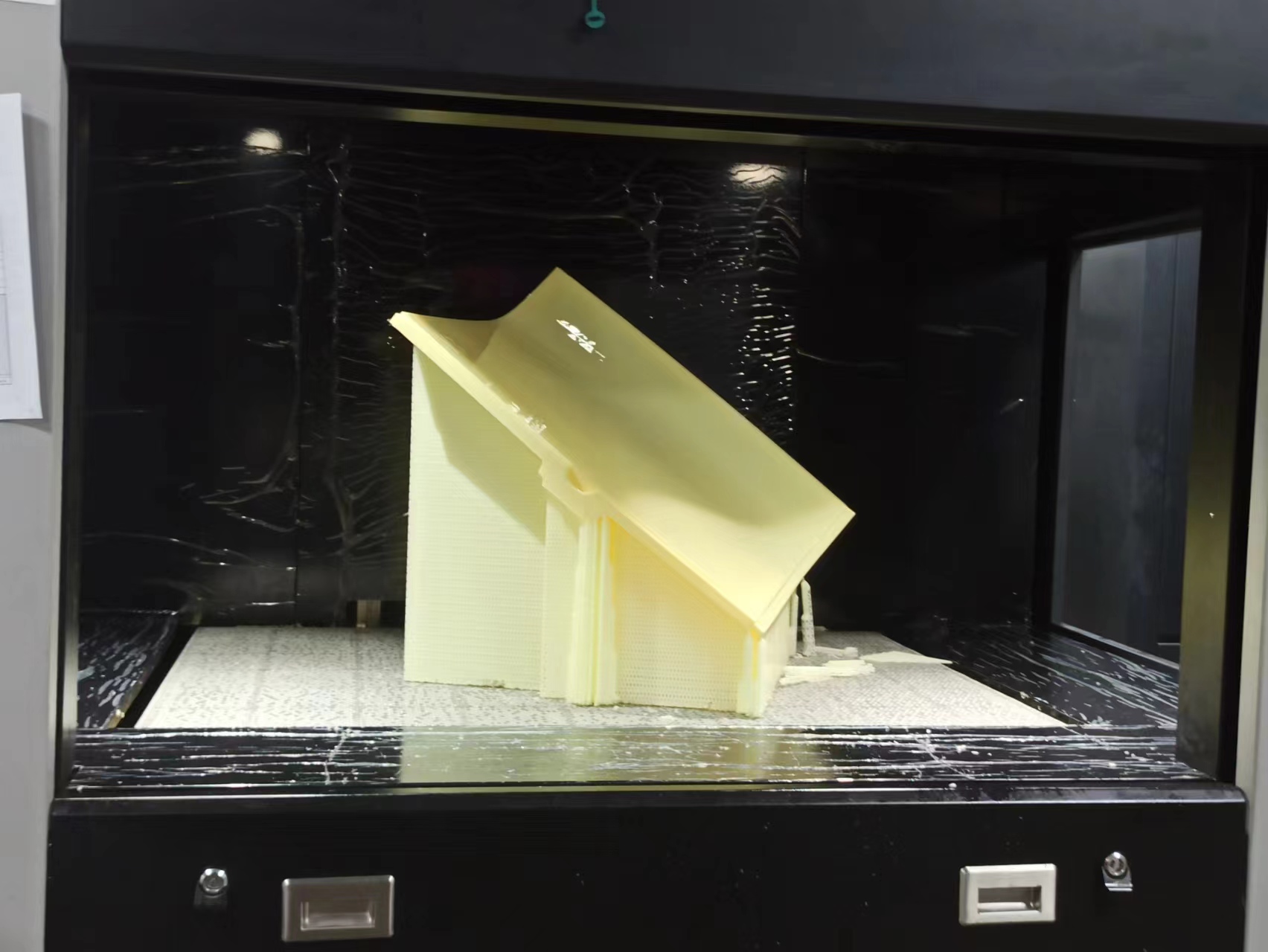
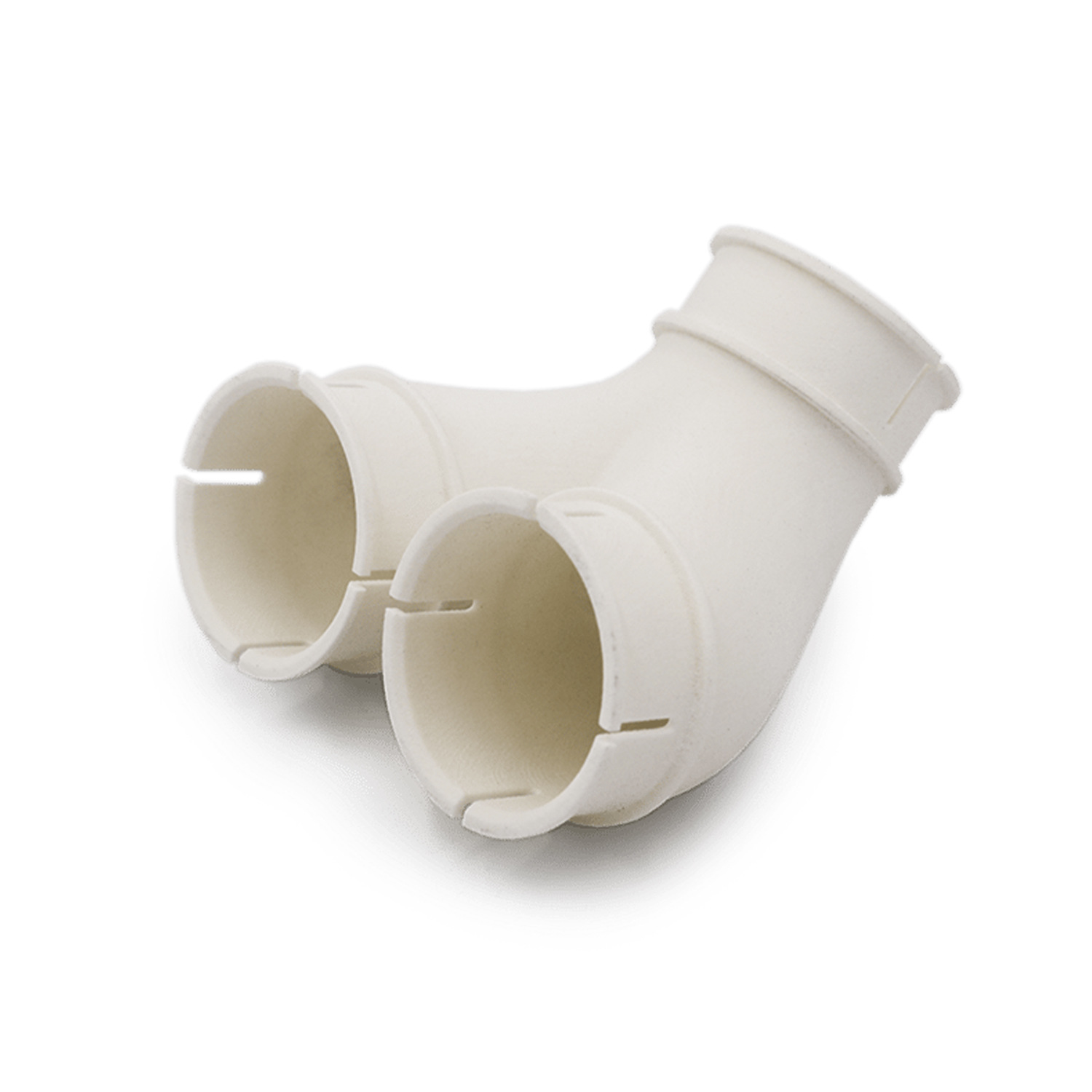
If your needs are primarily for visual inspection, and you only care about the visible and tangible results, then high-precision SLA (Surface Mount Laser) 3D printing is the preferred option. The reason is straightforward: SLA boasts top-tier surface smoothness and detail reproduction among all rapid prototyping processes. Layer textures are virtually invisible, and after painting or electroplating, it's almost indistinguishable from mass-produced parts. Costs are also controllable. Traditional CNC machining of complex curved surfaces can double the cost, while SLA is priced based on materials and build volume, typically ranging from 20 to 2000 yuan per piece.
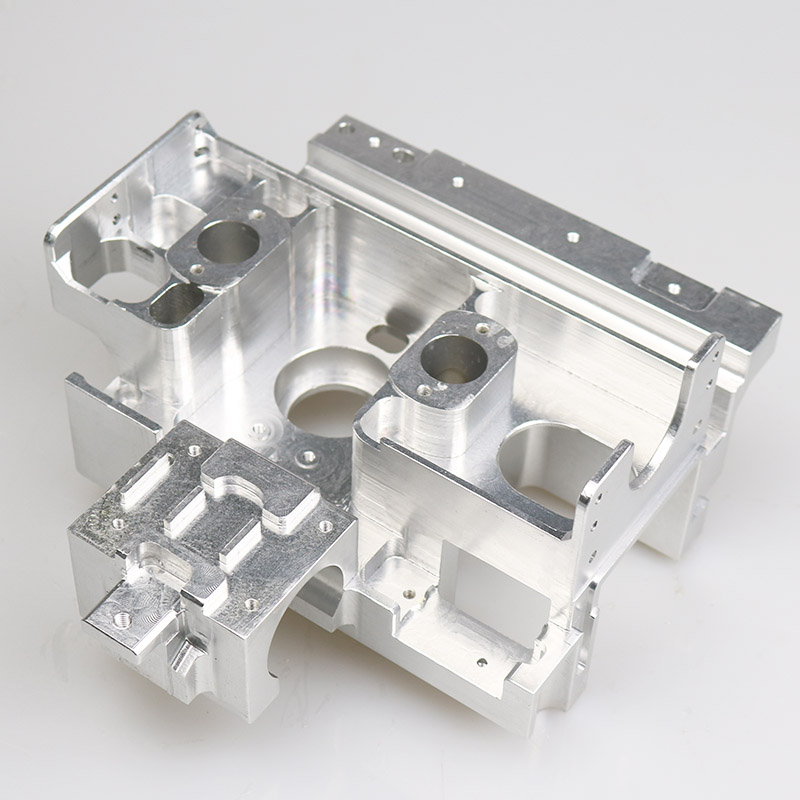
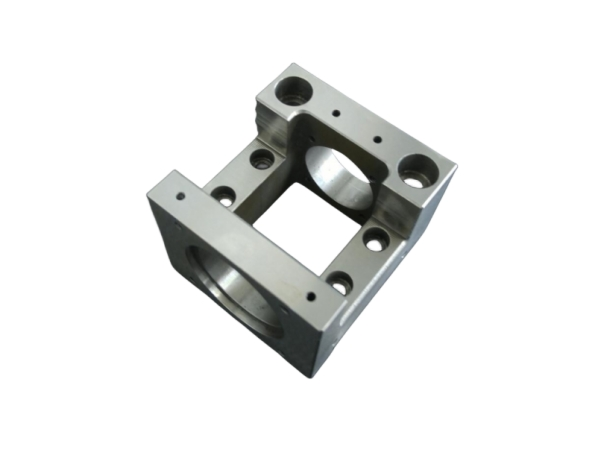
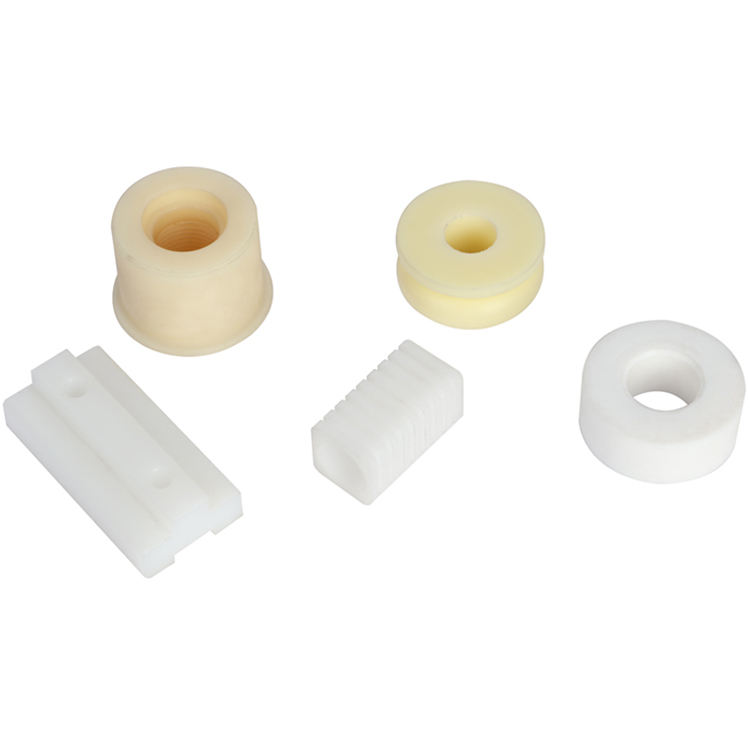
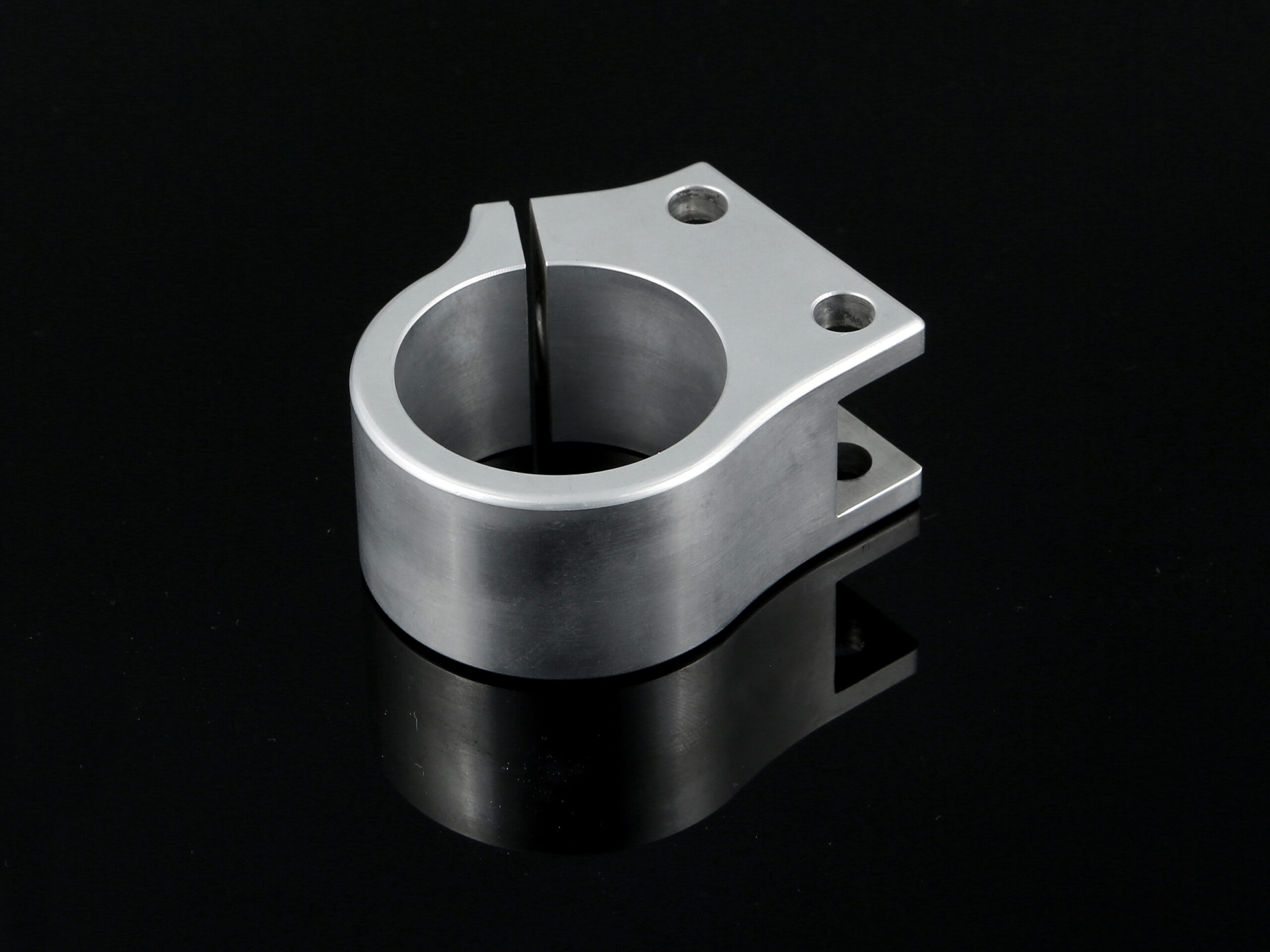
If your requirement is structural verification, and you need to actually assemble and test its functionality, then you need to shift your focus to CNC precision machining, using genuine engineering plastics or aluminum alloys. No matter how aesthetically pleasing a 3D printed part is, its material properties differ from injection-molded or machined parts. Measuring assembly tolerances, fatigue resistance, and stress deformation requires using genuine materials. Assembly parts generally require precision within ±0.05mm, and complex positional tolerances can even reach ±0.02mm. Only five-axis CNC machining can achieve this level of stable output.
If you need it urgently, wanting to see the actual product the day after receiving the images, then you should find a service provider with 24-hour rapid prototyping capabilities, primarily using SLA or SLS nylon sintering processes. A standard lead time of 3 to 7 days for prototypes is the industry norm, but some manufacturers support 24-hour sampling and 72-hour small-batch delivery, reducing the R&D cycle by more than half. This speed isn't about the process itself, but rather production scheduling capabilities and equipment availability.
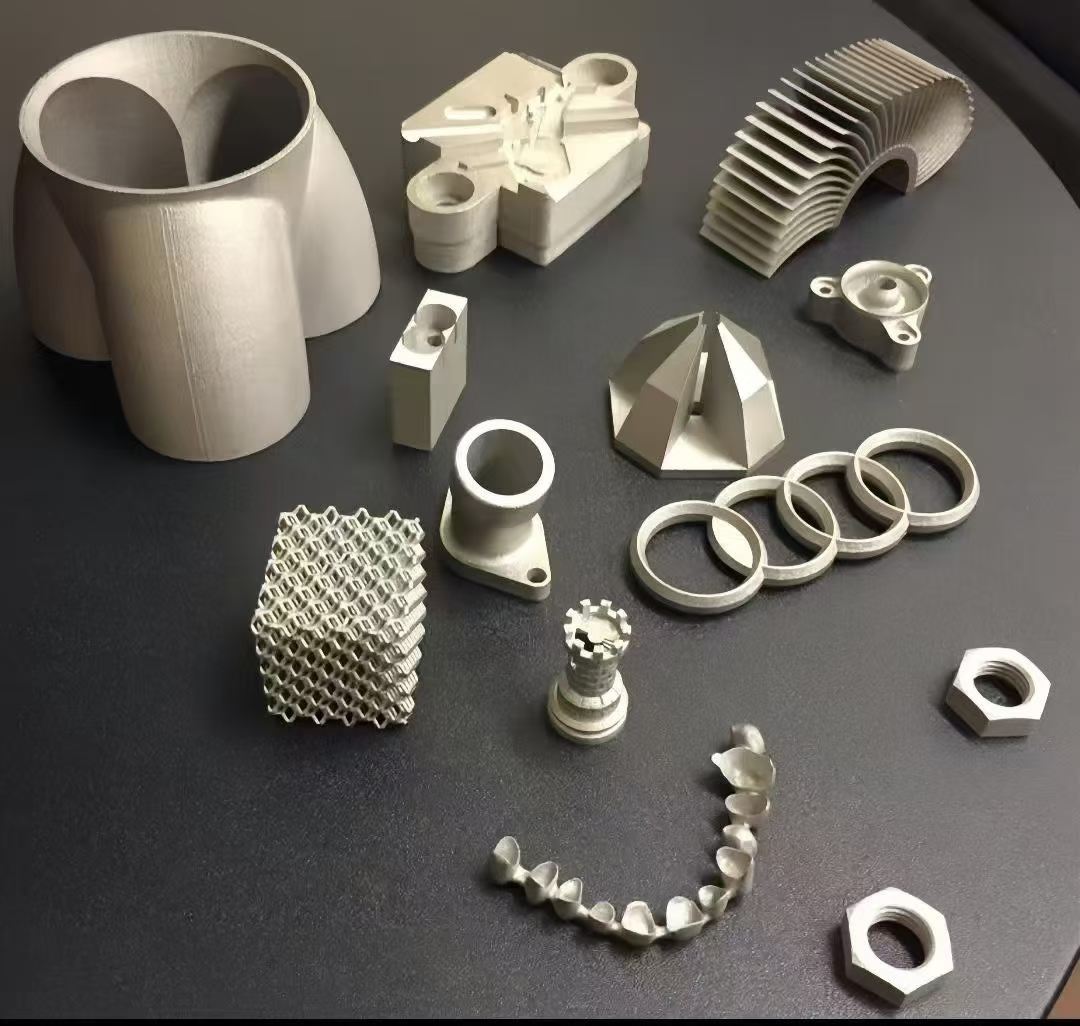
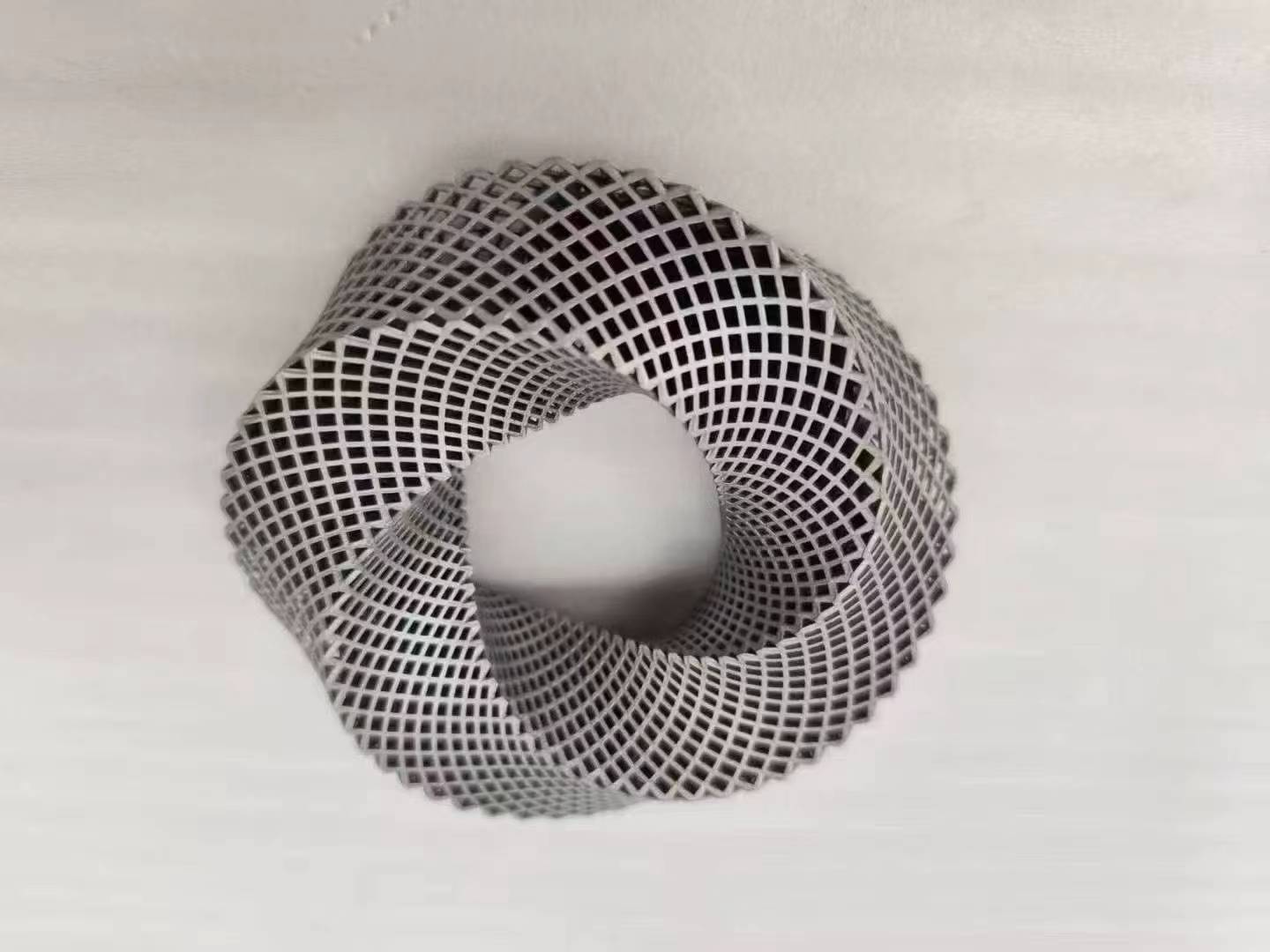
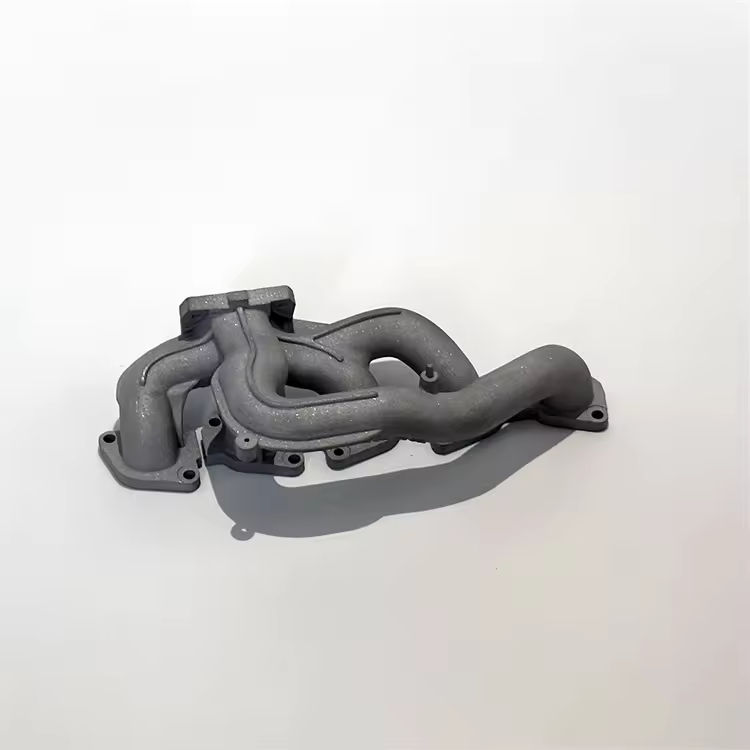
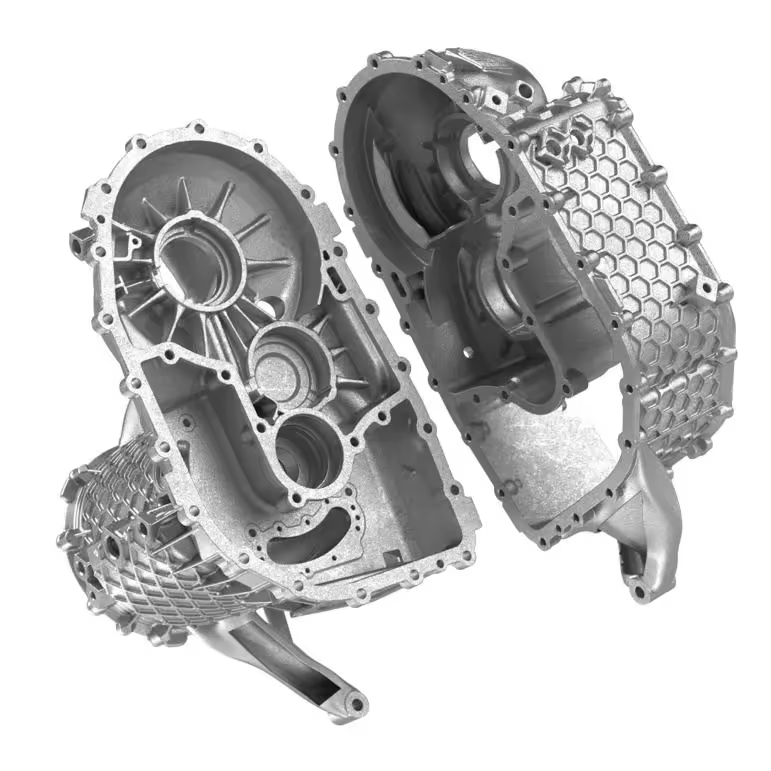
If your need is for metal prototypes that need to be tested on a test bench or even installed in a vehicle, then SLM (Stainless Steel Laminate) metal 3D printing is the way to go, using materials such as stainless steel, aluminum alloy, or titanium alloy. SLM metal printing can achieve a density of over 99.9%, with a maximum build size of 600×600×600mm. Complex flow channels and irregularly shaped supports—structures that traditional machining cannot produce—can be created using one-piece molding. This approach is suitable for applications such as powertrain components, heat dissipation structures, and medical device implants.
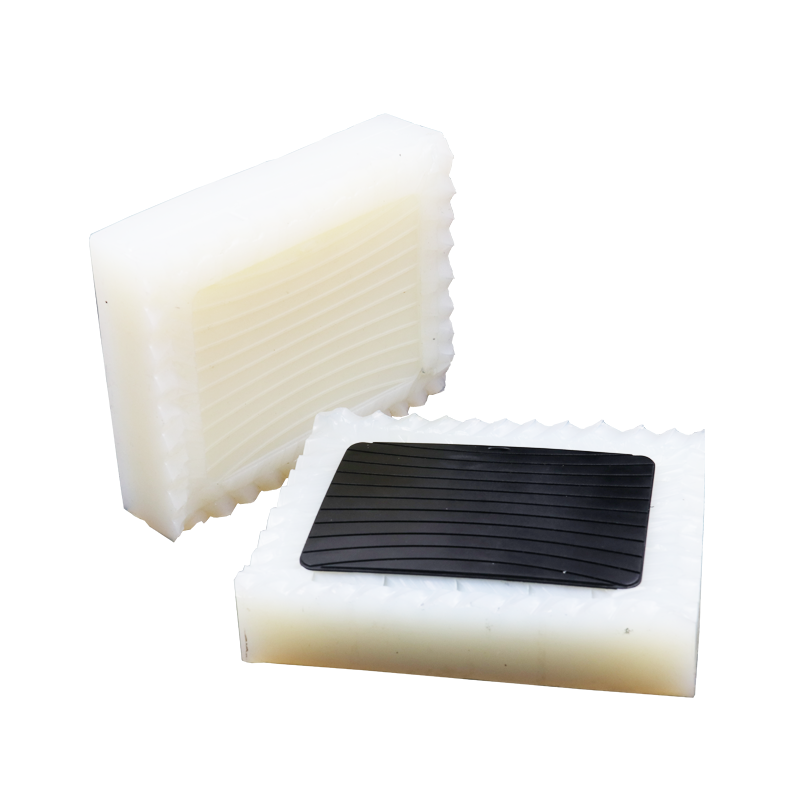
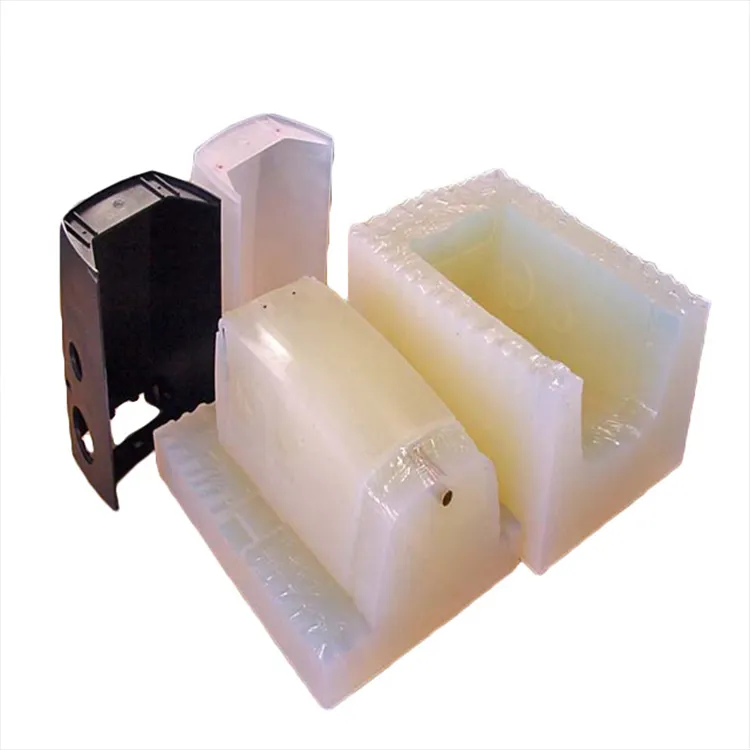
If the validation is complete and you want to produce a small batch without using a steel mold, then silicone molding is a more practical option. Use 3D printing or CNC machining to create a prototype as the master mold, then create a silicone mold. One mold can typically replicate a dozen to several dozen pieces, using polyurethane that is close to mass-production grade. The cost per piece can be reduced to 10 to 200 yuan, which is much cheaper than using a simple injection mold, making it suitable for small-batch trial production and market testing of a few dozen pieces.
After clarifying your needs, when selecting suppliers, focus on four core dimensions.
The first is precision. Don't just look at the nominal value; look at the actual, stable output. Many in the industry claim "high precision," but most ordinary processing plants are limited by outdated equipment, achieving a standard precision of around ±0.1mm, with even larger deviations for complex, irregularly shaped parts. A prototype truly capable of assembly verification must have dimensional tolerances consistently within ±0.05mm. How to verify this? Directly ask the supplier for actual measurement reports of similar parts, and check the coordinate measuring machine (CMM) data. Don't rely solely on verbal promises. Some manufacturers have dual production bases in Zhuhai and Dongguan, equipped with a full set of industrial-grade equipment, achieving stable machining precision control within ±0.05mm, and even 5-axis CNC repeatability reaching ±0.005mm. Only this level of data can withstand assembly verification.
The second is delivery speed. While looking at standard lead times, it's even more important to consider expedited delivery capabilities. A standard lead time of 3 to 7 days is the industry norm, but the real bottlenecks are in expedited scenarios. Your R&D milestones won't wait; if one part is stuck, the entire verification line has to stop. In these situations, service providers capable of 24-hour sampling and 72-hour small-batch delivery are truly valuable. Behind delivery speed lies production capacity reserves, such as over 500 industrial-grade machines, a technical team of over 300 people, and collaborative production scheduling at two bases, ensuring that expedited delivery doesn't compromise quality or cause delays.
The third is service depth. It's not just about delivering the goods and then stopping; it's about proactive involvement. Many small factories only accept drawings for processing, failing to point out or address process issues in the drawings, leaving the design responsibility to you when problems arise. Reliable service providers offer free process diagnostics of the drawings and structural optimization suggestions, pointing out areas where wall thickness is too thin, draft angles are insufficient, and how to adjust assembly tolerances before processing. Solid work in this area can usually save at least one or two rounds of prototyping and rework. Some manufacturers even provide full-process data traceability and archiving, with records for every node from receiving the drawings to shipping, ensuring after-sales traceability and avoiding disputes.
The fourth is confidentiality. The risk begins the moment the blueprints are released. If the structure of an unreleased new product or its R&D data leaks, the losses are immeasurable, far exceeding the cost of a few tens of thousands of yuan for a prototype. Reputable manufacturers implement military-grade blueprint confidentiality mechanisms, provide one-on-one technical support, and maintain closed production workshops to prevent data leaks. Verification methods are also very specific: ask if the other party has a separate, closed production area, how blueprint access is controlled, and whether any clients they've worked with have given negative feedback regarding confidentiality.
Here's how to match specific solutions for different scenarios:
For those with a limited budget and only needing visual confirmation, with a unit budget under a few hundred yuan, SLA photopolymer 3D printing is the first choice. Choose photosensitive resin as the material; the surface can be sanded and painted to simulate mass production effects. Prices start at 20 yuan per unit, with samples available in one or two days, perfectly sufficient for visual review. Don't choose FDM to save money; the layer texture is too obvious and can't be covered by paint.
For assembly verification, requiring high-quality materials, with a unit budget of several hundred to several thousand yuan, CNC precision machining is recommended. Materials typically include ABS, POM, nylon, or 6061 aluminum alloy. Prices range from 50 yuan to 5000 yuan, depending on complexity and materials. Parts in this price range must come with tolerance inspection reports; otherwise, if there are problems after assembly, you won't be able to determine whether the issue is design or manufacturing.
For metal functional parts requiring testing, with a unit budget of several thousand to tens of thousands of yuan, SLM metal 3D printing is the correct solution. Typically, 316L stainless steel or AlSi10Mg aluminum alloy is chosen. One-piece molding eliminates the need for welding, achieving a density of over 99.9%, making it suitable for applications such as power system brackets, heat sinks, and surgical guides. A word of caution: SLM parts have a slight surface roughness, and mating surfaces typically require CNC precision finishing; a composite process is the optimal solution.
For small-batch trial production of a few dozen pieces, with a total budget of several thousand yuan, silicone molding is more cost-effective, using SLA parts as the master mold. One silicone mold set can typically produce 20 to 30 pieces without issue. The material is close to mass-produced PU, and drop test, temperature resistance, and feel tests are possible. The unit price is 10 to 200 yuan, significantly cheaper than making a simple mold, suitable for market testing and small-batch delivery.
There are a few situations where I don't recommend taking the cheap route. First, the industry standard precision is around ±0.1mm. Insufficient precision requires repeated adjustments, and the hidden costs far outweigh the price difference. Second, don't use FDM metal wire printing for metal functional components; the density is insufficient, and internal pores will cause cracking on the testing bench. SLM technology is essential. Third, for R&D of unreleased new products, don't choose small factories without confidentiality mechanisms just because they're cheap; once the drawings are out there, they can't be retrieved. Fourth, for multi-process projects, such as printing, CNC machining, surface treatment, and molding, don't split the work among multiple companies. Handover errors and communication costs will wipe out the money saved.
Finally, here's a selection checklist. Before choosing a supplier, use the following five criteria to verify their qualifications; this will largely prevent you from making mistakes.
First, check the accuracy data. Request a coordinate measuring machine (CMM) report of similar parts to confirm a stable tolerance within ±0.05mm.
Second, check their expedited processing capabilities. Clarify whether 24-hour prototyping and 72-hour small-batch production can be included in the contract, and identify the bottleneck in the production process.
Third, check their proactive service. Do they offer free drawing process optimization and structural diagnostics? Can they help you avoid design problems before processing?
Fourth, check their confidentiality mechanisms. Do they have an independent, closed production area? How is drawing access controlled? Have they ever experienced a data breach?
Fifth, check their end-to-end coverage. Can they handle 3D printing, CNC machining, surface treatment, and silicone molding all in one place, instead of making you a project manager dealing with three or four factories?
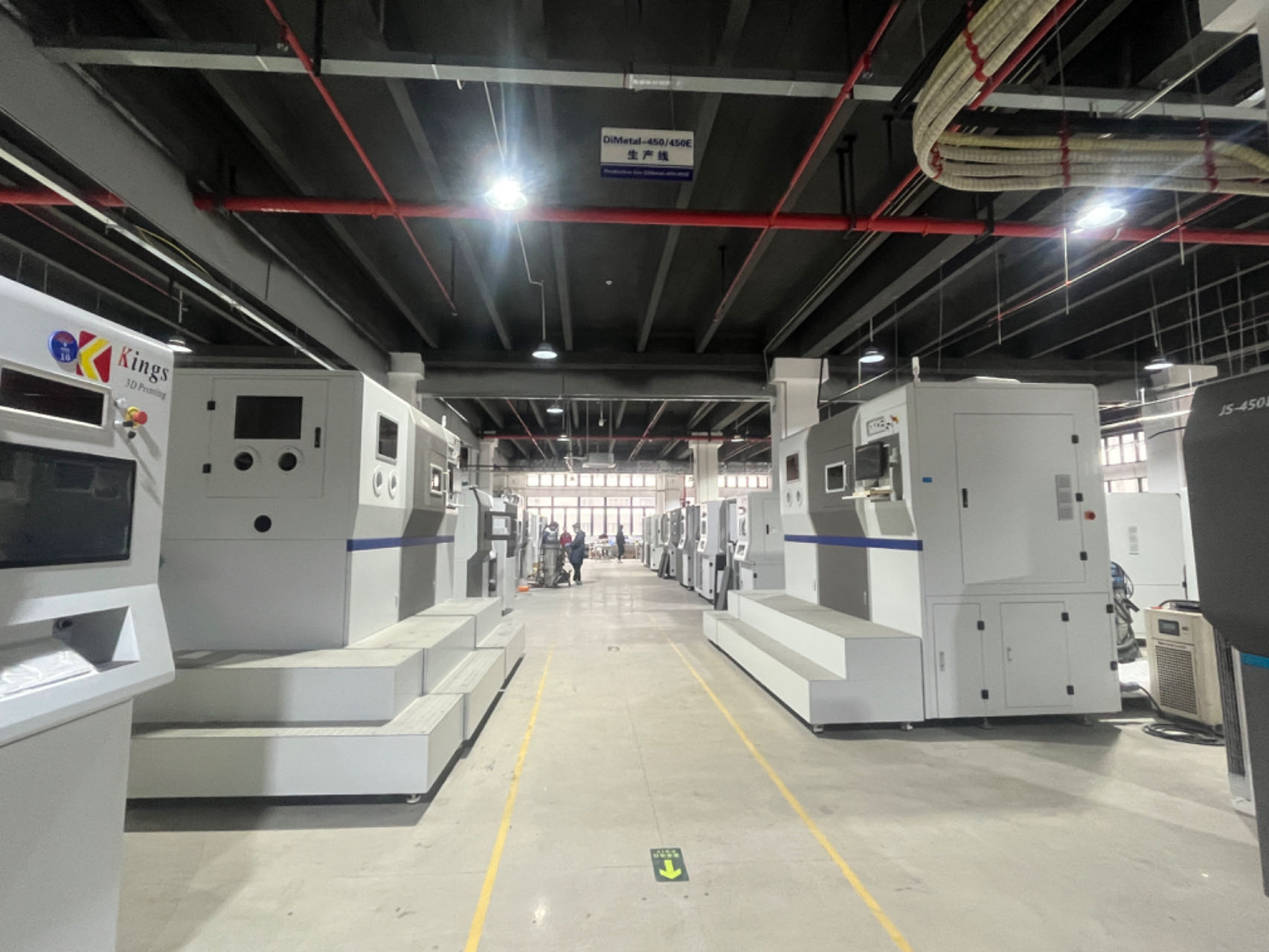
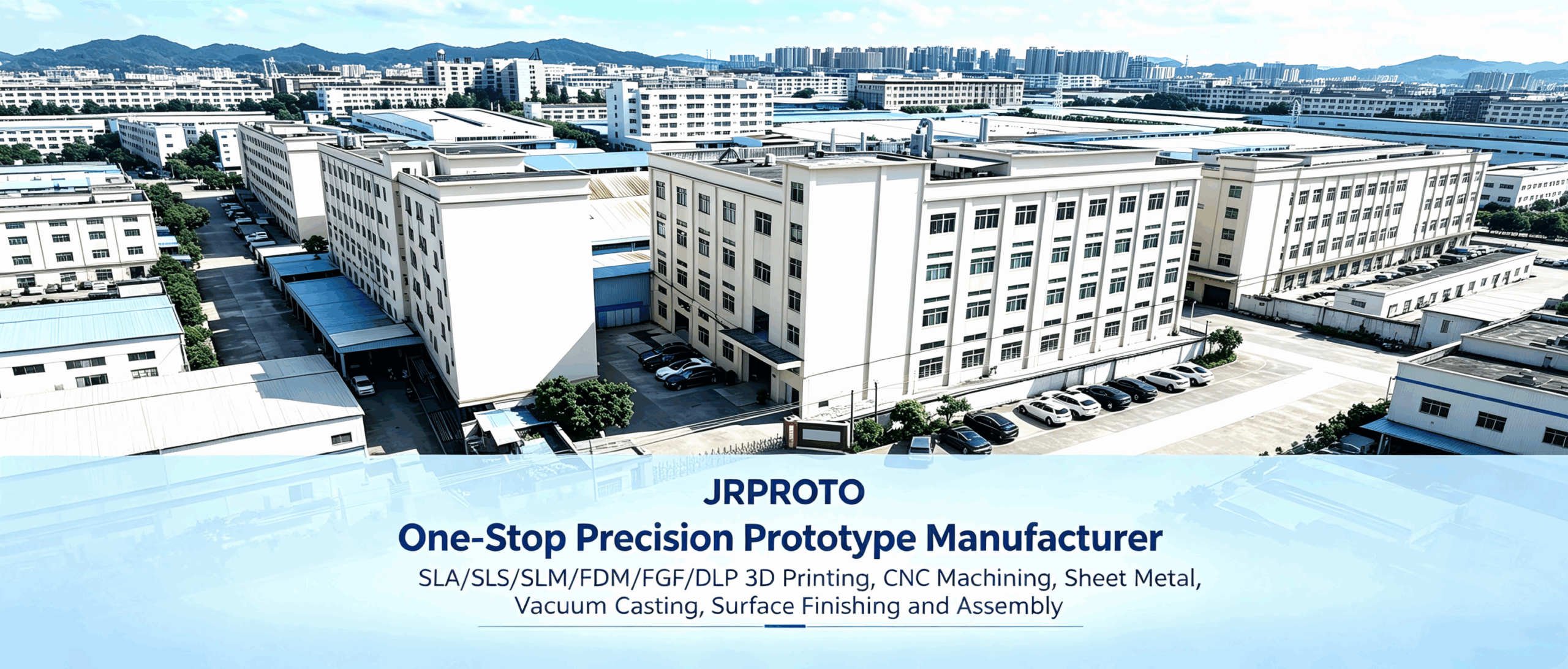
Taking Zhuhai Jingrui Additive Manufacturing Technology Co., Ltd. as an example, this established manufacturer, founded in 2006, has dual production bases in Zhuhai and Dongguan, with a total building area of over 35,000 square meters and equipped with more than 500 industrial-grade devices. It covers the entire process chain from 3D printing to CNC precision machining, silicone molding, and surface treatment. Its processing accuracy is consistently within ±0.05mm, supporting 24-hour sampling and 72-hour small-batch delivery, with a finished product yield rate exceeding 99.5%. It also implements a military-grade confidentiality mechanism, making it a worthwhile option for R&D projects.
Jingrui Proto, leveraging its dual production bases in Zhuhai and Dongguan, integrates 3D printing, CNC machining, silicone molding, sheet metal processing, surface treatment, and small-batch production, providing a one-stop, full-chain service from reverse modeling to precision prototyping, thus meeting such needs.









