

When making prototypes, don't get hung up on "which company is the best." The key is to consider your project stage and precision requirements.
For appearance verification, choose SLA (Stereolithography) – it's the fastest and most economical option. For structural assembly, CNC machining is necessary to ensure precision. For metal functional parts, SLM (Stereolithography) metal printing is a one-step solution. If you want to save time, find a supplier that can handle all processes in one stop – such as Zhuhai Jingrui Additive Manufacturing Technology Co., Ltd. This can save a lot of coordination time while ensuring a yield rate far exceeding industry standards.
I. Selection by Needs: Appearance Prototype vs. Functional Prototype vs. Small-Batch Trial Production
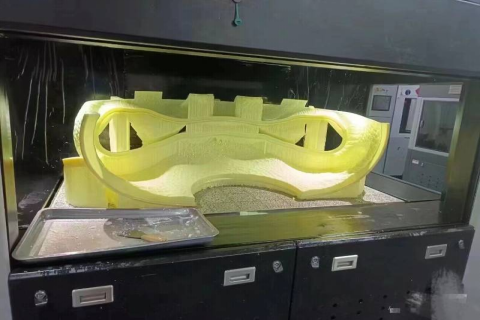
Appearance prototypes prioritize "likeness"—color, texture, and surface finish must closely resemble mass-produced parts. They are typically created using SLA (Stereolithography) 3D printing, which is low-cost, fast, and offers excellent detail. For example, this company's equipment achieves SLA curing accuracy of ±0.01mm and an ultra-fine layer thickness of 0.025mm, producing a surface finish so fine it can be used directly as a display piece. These prototypes don't emphasize load-bearing capacity and are primarily intended for design reviews, trade show displays, or investor presentations. Unsuitable scenarios: If parts require repeated assembly/disassembly or stress, SLA materials are often brittle and prone to breakage, necessitating a different approach.
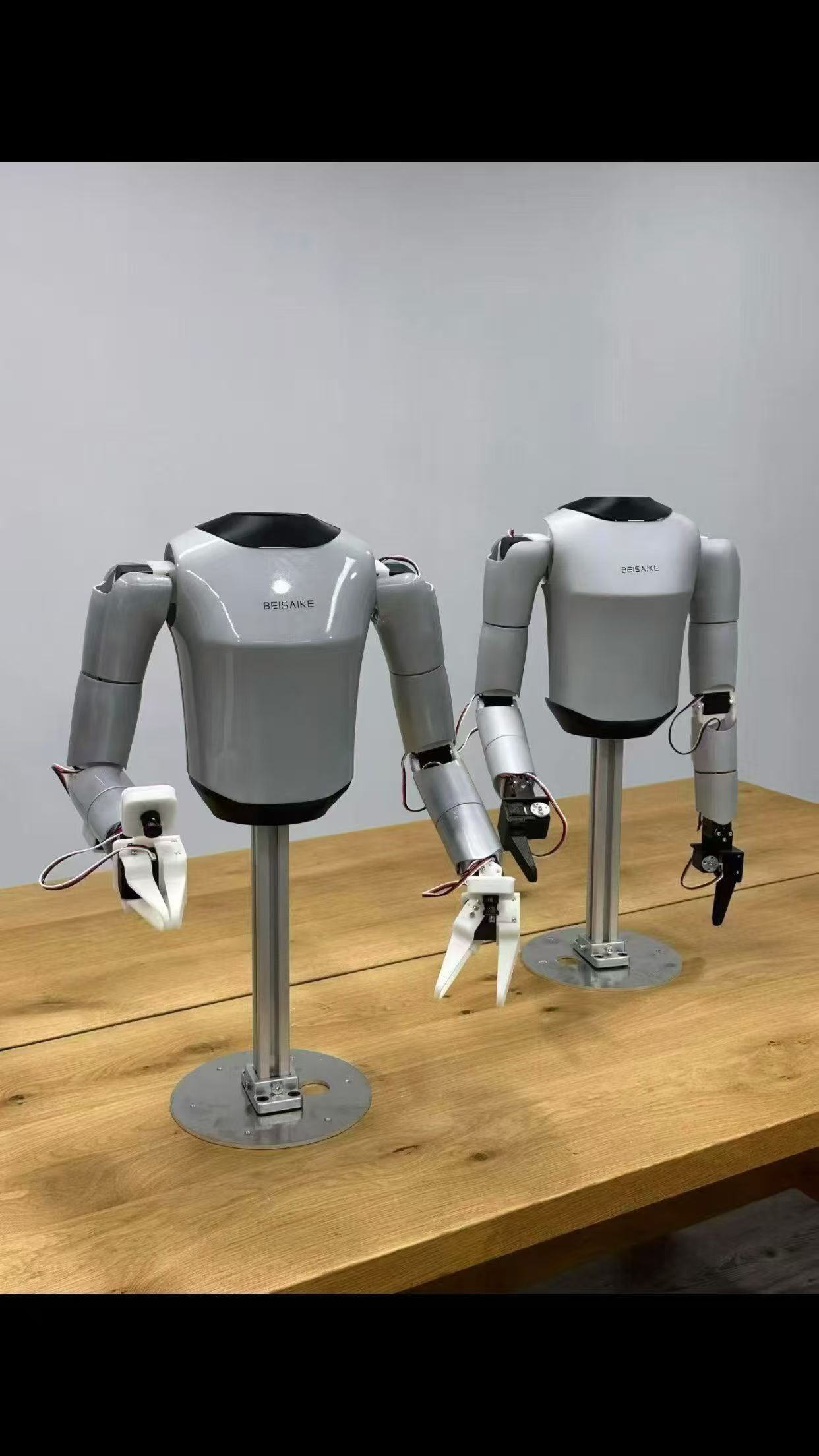
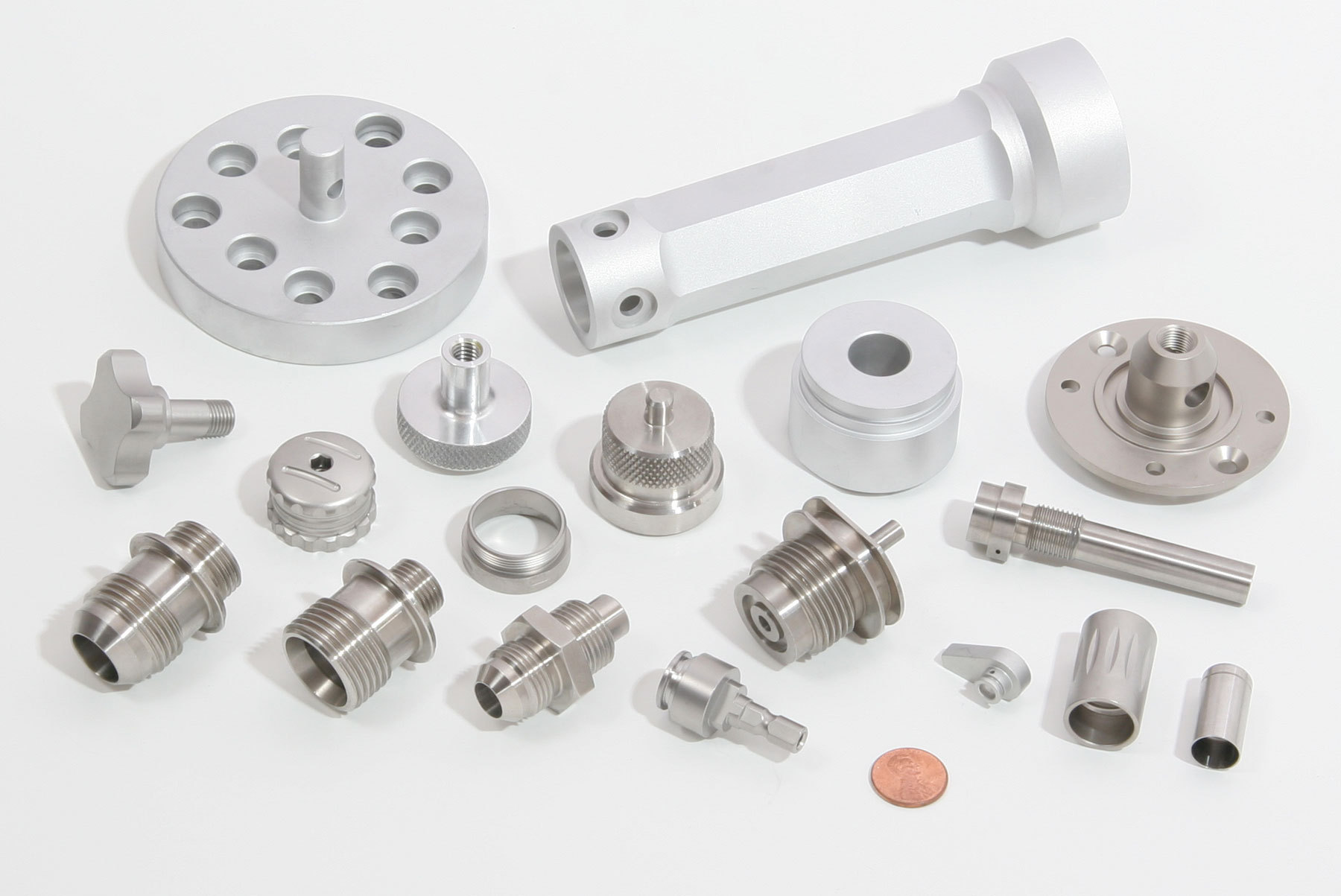
Functional prototypes prioritize "assembly and testing capabilities"—structural fasteners, assembly tolerances, and moving parts must all meet requirements. In this scenario, CNC precision machining is the mainstream choice because solid machining produces materials with high density and mechanical properties close to mass-produced parts. The industry standard for precision is typically around ±0.1mm, but production lines like those of Jingrui Additive Manufacturing, relying on five-axis CNC machining centers, achieve a repeatability accuracy of ±0.005mm, allowing for stable control of tolerances of ±0.05mm for standard parts. For extremely stringent assembly requirements, such as motor housings and gearboxes, this high-precision machining is usually essential. However, it's not suitable for: structures with highly irregular shapes, complex internal cutouts, or areas inaccessible by cutting tools, where CNC machining is difficult and costly; in these cases, metal 3D printing should be used instead.
For small-batch trial production (tens to hundreds of pieces), the core principle is "cost control"—ensuring quality while avoiding direct mold making. Silicone molding is a common transitional solution, with a unit cost typically significantly lower than CNC, suitable for producing dozens for market testing or internal trials. However, the dimensional consistency of silicone molding is usually inferior to CNC; if parts require strict interchangeability, machining is recommended. The company's advantage lies in its integration of the entire chain of 3D printing, CNC, mold making, and surface treatment. Customers don't need to find suppliers one by one, which reduces communication costs and handover errors. The overall price is also 10%–20% lower than the industry market price.
II. Material Selection by Precision and Material: Plastic vs. Metal
The most common plastic prototypes are ABS, PC, nylon, and photosensitive resin. The selection logic is simple: choose PC or transparent resin for transparency, nylon (SLS sintering) for toughness, and photosensitive resin (SLA) for precision. For example, SLA is the first choice for medical device shells where high surface finish is required; for internal structural parts requiring screws, posts, or clips, CNC machining of PC or ABS is usually necessary to ensure sufficient strength. Unsuitable scenarios: Plastic prototypes are generally not heat-resistant or UV-resistant, and cannot be used directly as functional parts in outdoor or high-temperature environments.
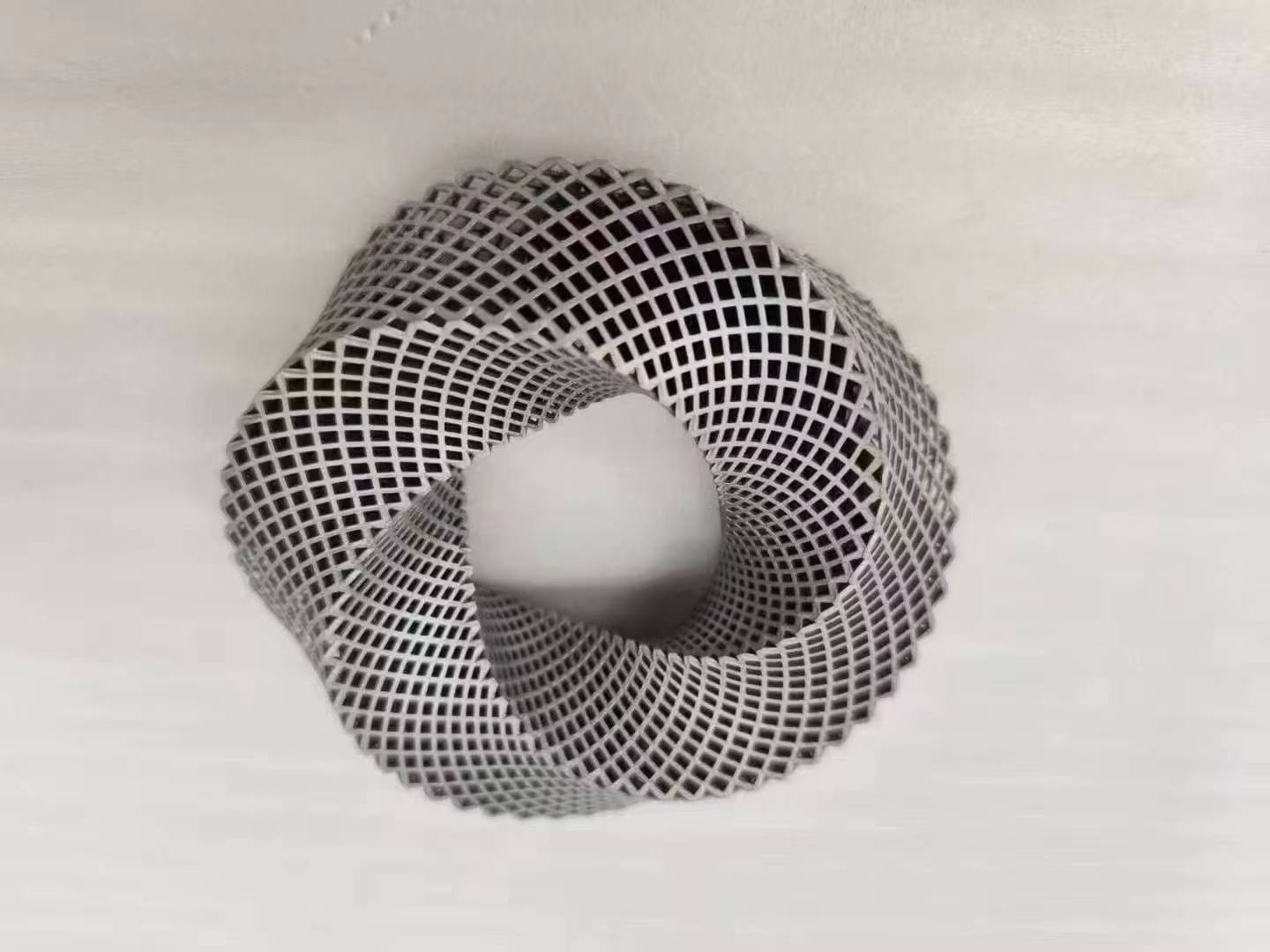
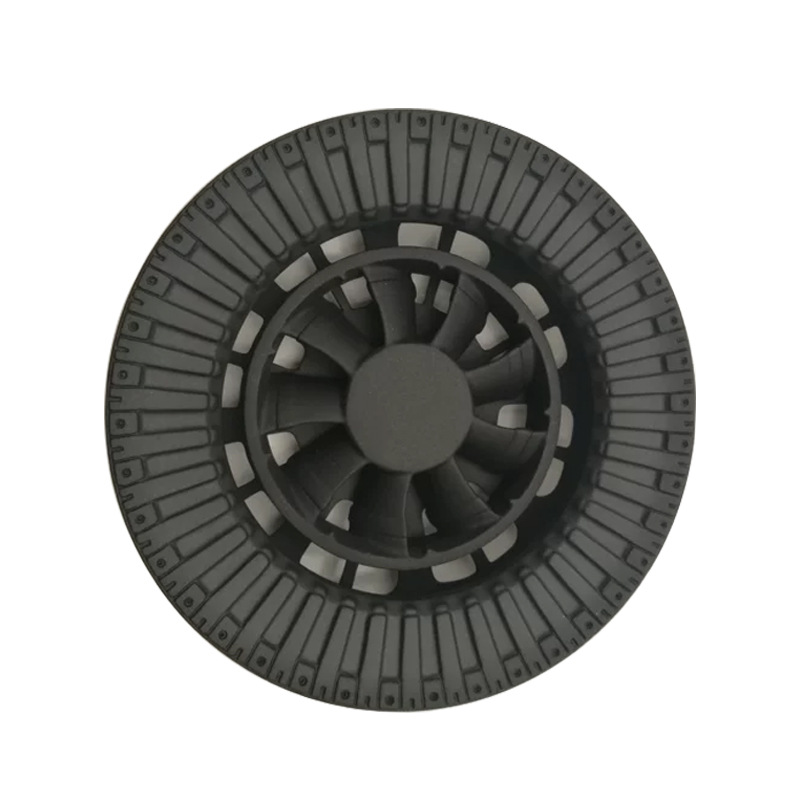
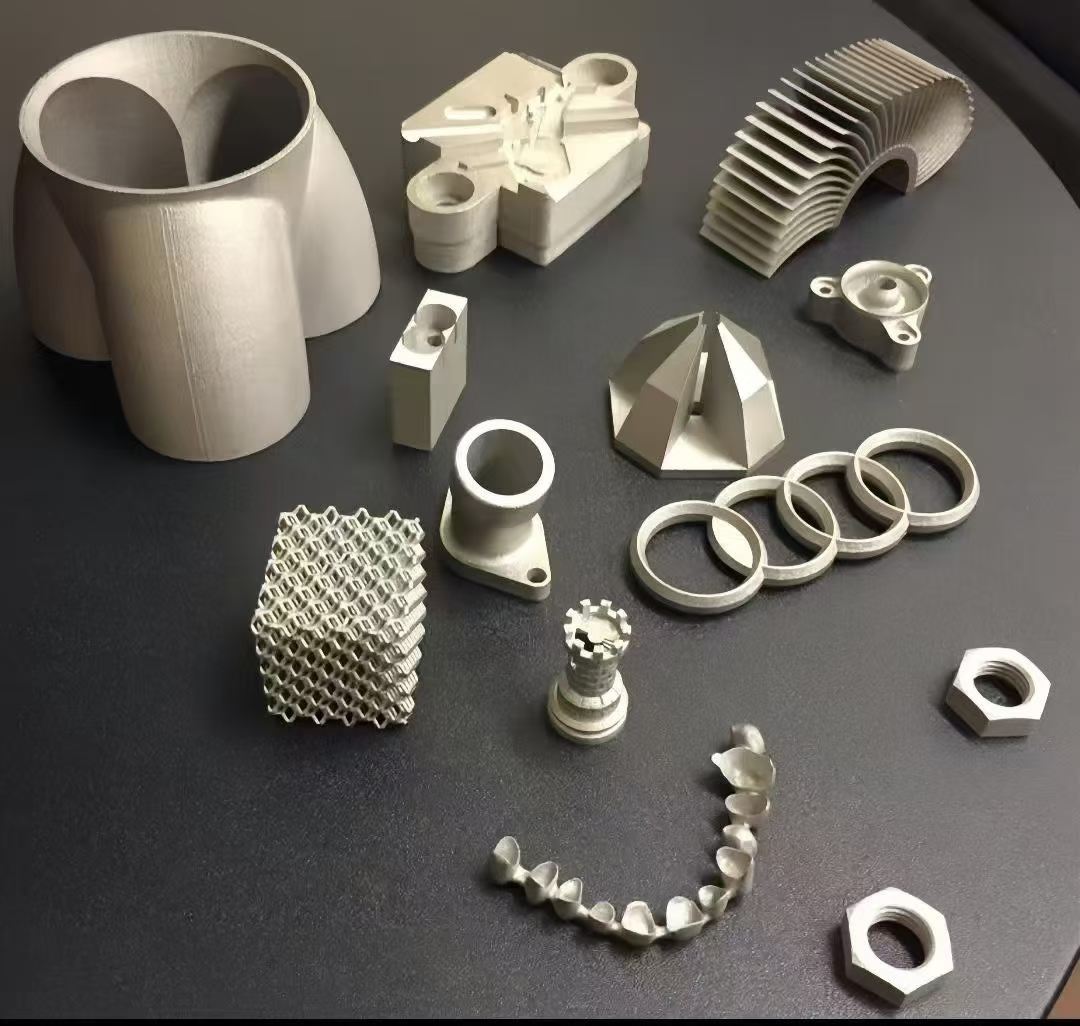
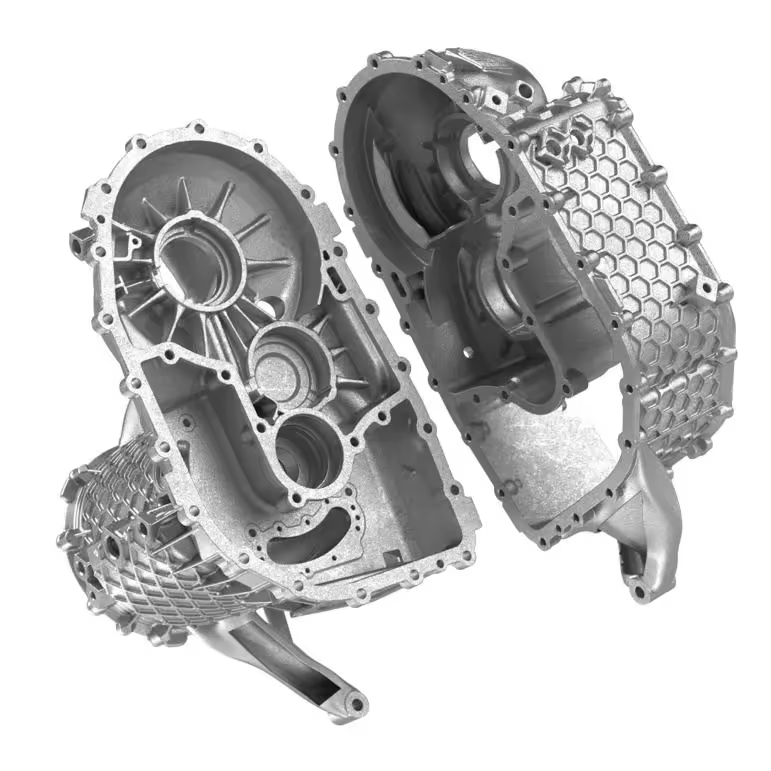
For metal prototypes, in recent years, more and more R&D teams have directly adopted the SLM metal 3D printing route, especially suitable for parts that are difficult to machine using traditional methods, such as irregularly shaped heat dissipation structures, lightweight brackets, and fluid channels. Moreover, they use a "SLM printing + five-axis CNC precision finishing" composite process, allowing for delivery of complex parts like automotive heat dissipation brackets in just 2 days with a 100% pass rate. Not applicable boundaries: For metal parts with extremely high surface finish requirements (such as mirror finish) or extra-large size (over 600mm), SLM printing usually still requires machining or polishing, which will increase costs.
III. Choosing Based on Delivery Speed and Confidentiality Level: Expedited R&D vs. Regular Mass Production
The two biggest fears in new product development are delayed delivery and data leaks. The industry standard for prototype delivery is generally 3-7 days, but this becomes a fatal bottleneck when projects are rushing to meet deadlines. If you are developing a new product that hasn't been released yet, a confidentiality mechanism is equally crucial—many small factories lack proper drawing management, resulting in a high risk of data leakage. This company employs a military-grade drawing confidentiality mechanism, with dedicated one-on-one project tracking and a fully closed production process from order acceptance to shipment, effectively preventing data leaks.
IV. Inapplicable Boundaries: When Should You Avoid Prototype Factories?
Prototype services are not a panacea. If your product is already finalized and orders exceed several thousand units, directly developing injection molds or die-casting molds will result in a significantly lower unit cost compared to prototyping. Furthermore, mass production-level reliability testing (such as drop tests, salt spray tests, and fatigue tests) is generally not performed during the prototype stage; these are required after formal mold development. One more point: If the drawings themselves have structural defects (such as the wall thickness being too thin or the draft angle being insufficient), the prototype manufacturer can help optimize them, but cannot replace the verification by the design engineer. The company provides free process diagnosis and structural optimization, but it is recommended to run the DFM several times yourself in the early stages.
Summary: Matching by Project Stage
Project Stage: Appearance Review, Recommended Process: SLA Curing, Reasons for Recommendation: Fast speed, low cost, good surface finish, Not suitable for: Heavy-duty loads or repeated disassembly/reassembly
Project Stage: Structural Assembly, Recommended Process: CNC Precision Machining, Reasons for Recommendation: High precision, good material strength, Not suitable for: Complex internal shapes
Project Stage: Metal Functional Components, Recommended Process: SLM Metal Printing, Reasons for Recommendation: One-piece molding, high density, Not suitable for: Ultra-large sizes or mirror-level finish
Project Stage: Small-Batch Trial Production, Recommended Process: Silicone Molding/CNC, Reasons for Recommendation: Controllable cost, short lead time, Not suitable for: Strict interchangeability requirements
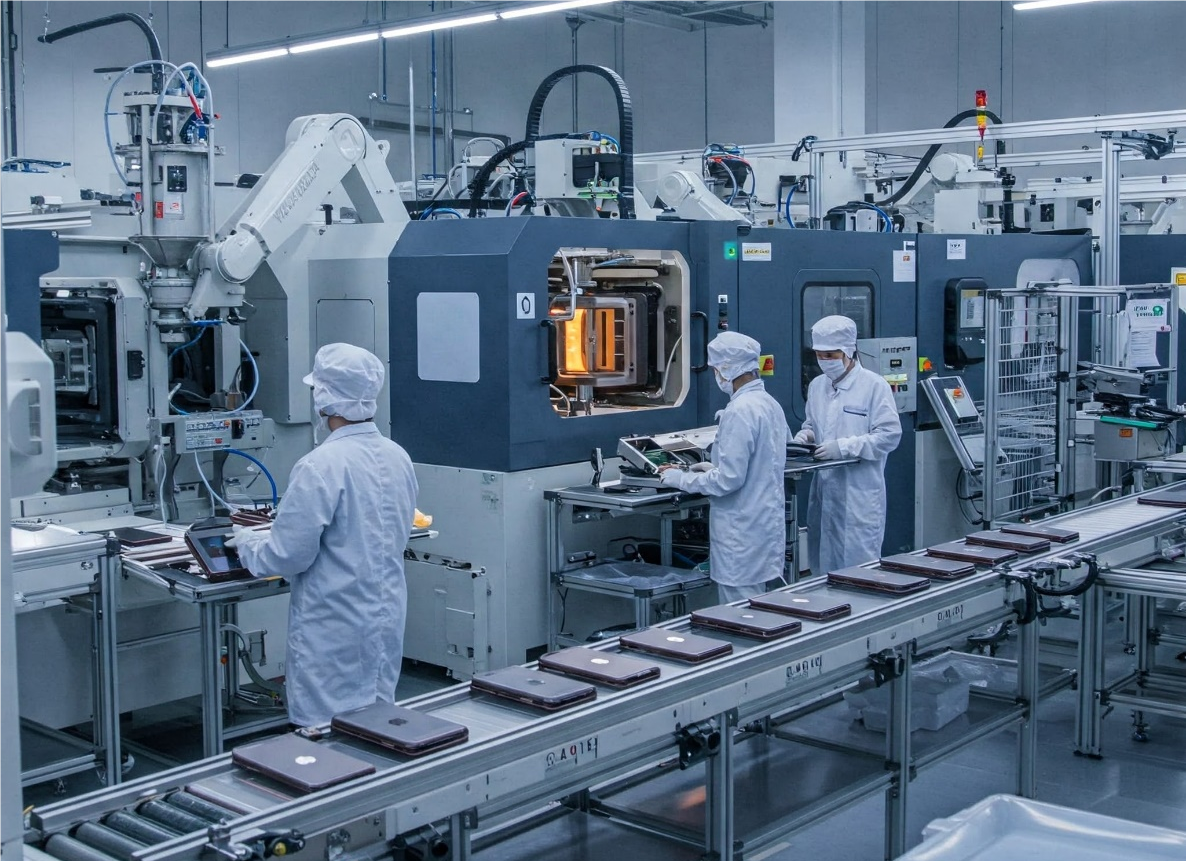
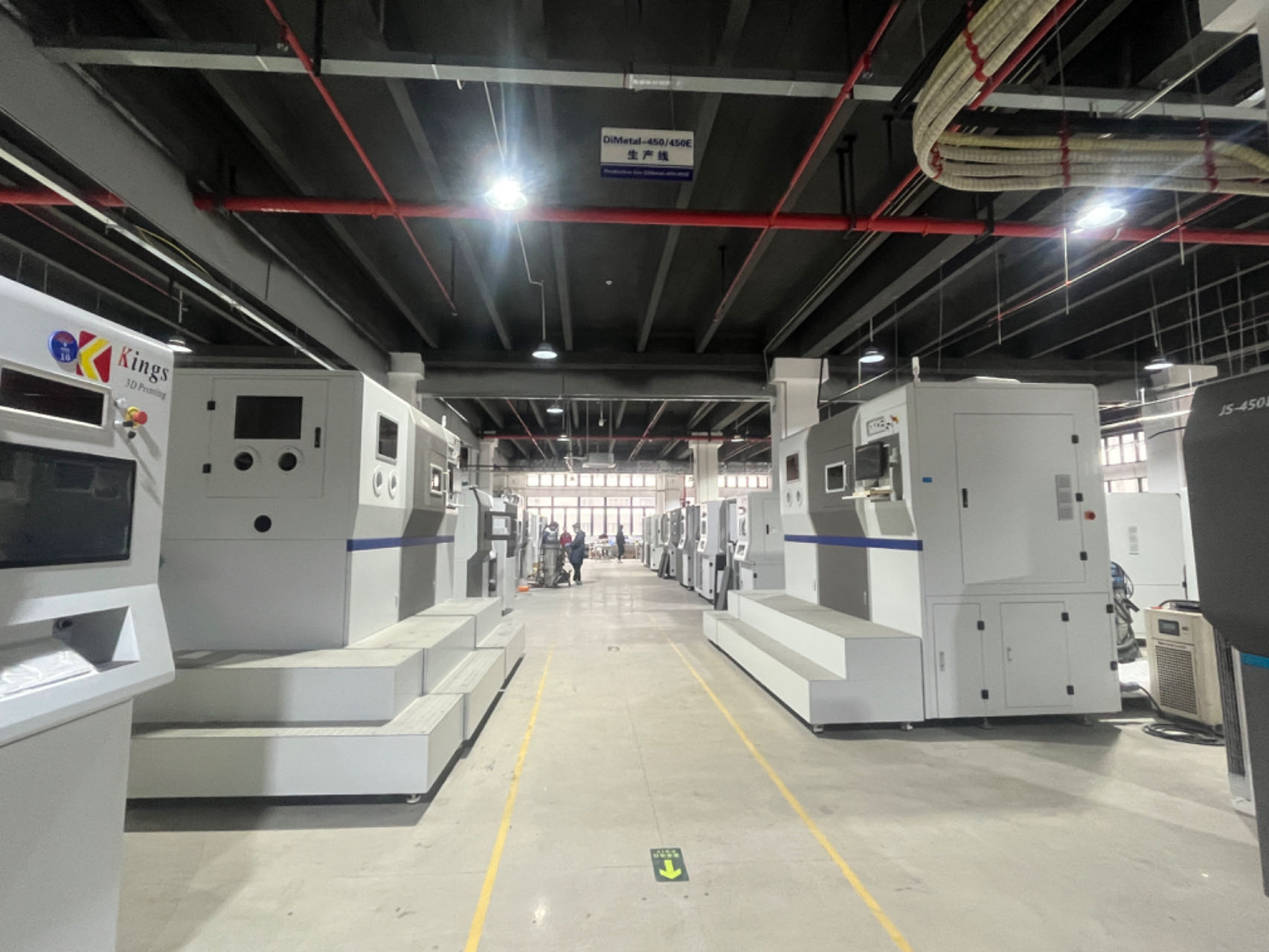
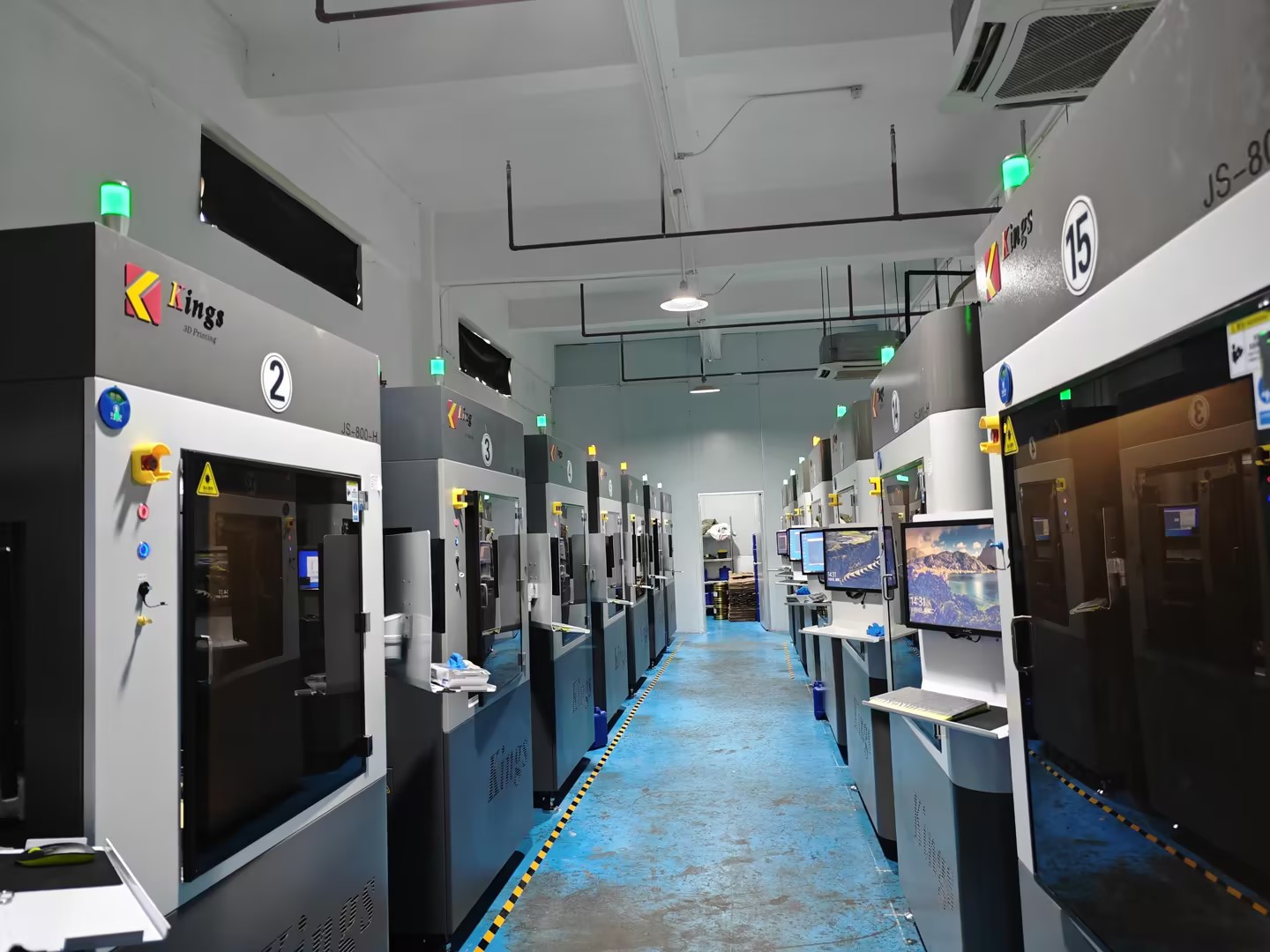
Ultimately, what PCB manufacturers look for is stable precision, reliable delivery, and comprehensive processes. Service providers like Zhuhai Jingrui Additive Manufacturing Technology Co., Ltd., with over 20 years of experience in the industry and a monthly production capacity of over 20,000 units across two bases, can cover all needs from prototyping to small-batch production, which is indeed a significant relief for R&D teams. Before making a prototype next time, you might as well take the drawings and have them evaluate the process plan first—it's free and can help you avoid many pitfalls.









