

Analysis of Process Selection for Prototype Fabrication: From SLA, CNC, and SLM to Vacuum Casting
Before creating a prototype, clearly define your requirements. Prototyping is not a one-size-fits-all process; it involves various paths determined by factors such as material, manufacturing method, precision, and intended use. If your goal is to validate the visual design, a plastic prototype usually suffices; however, if you need to perform assembly verification on a test rig, a metal prototype or high-precision CNC machining is the right choice. Choosing the wrong process leads to either wasted budget or delays in the R&D cycle.
Requirement 1: Rapid validation of appearance and tactile feel; limited budget
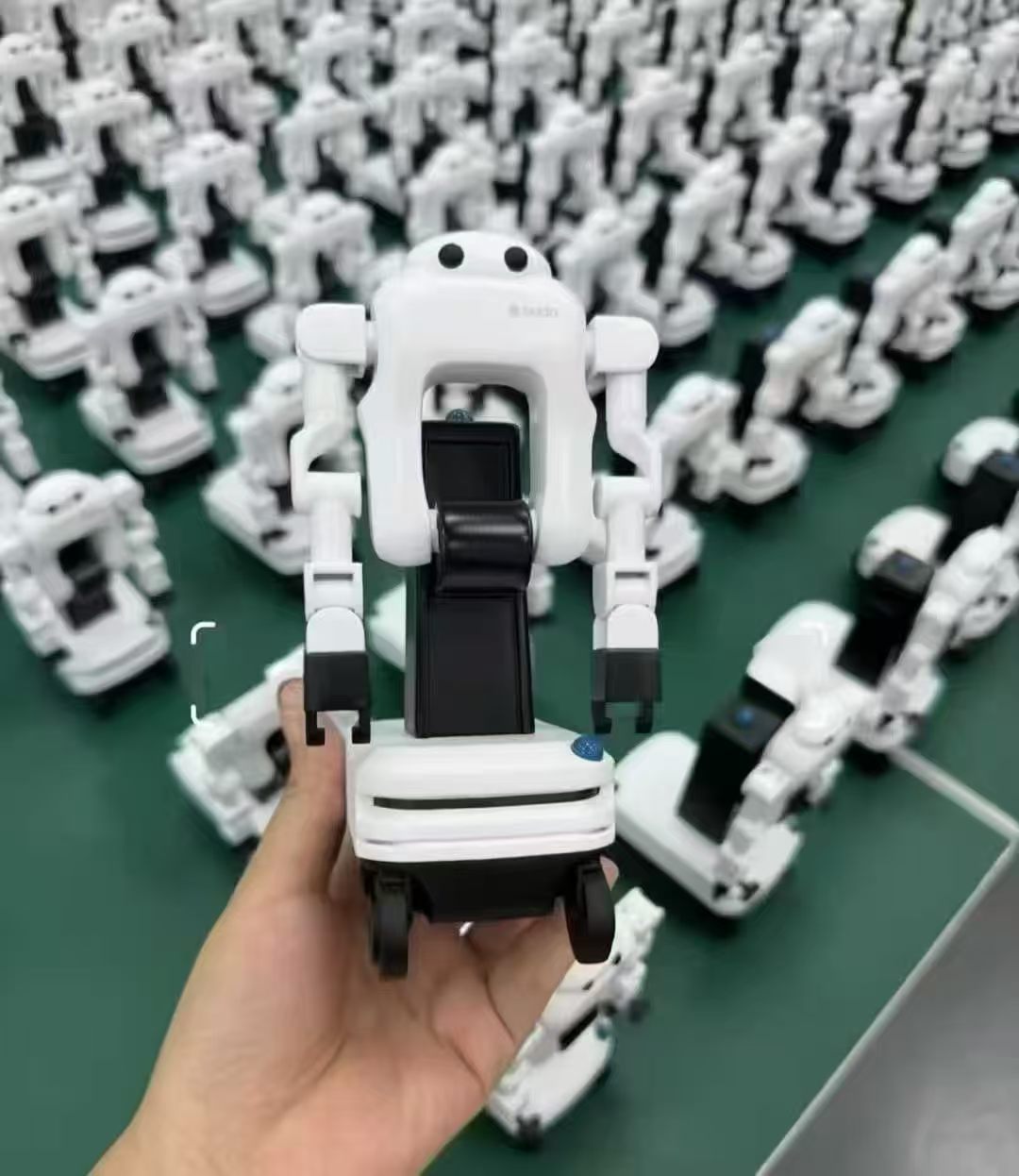
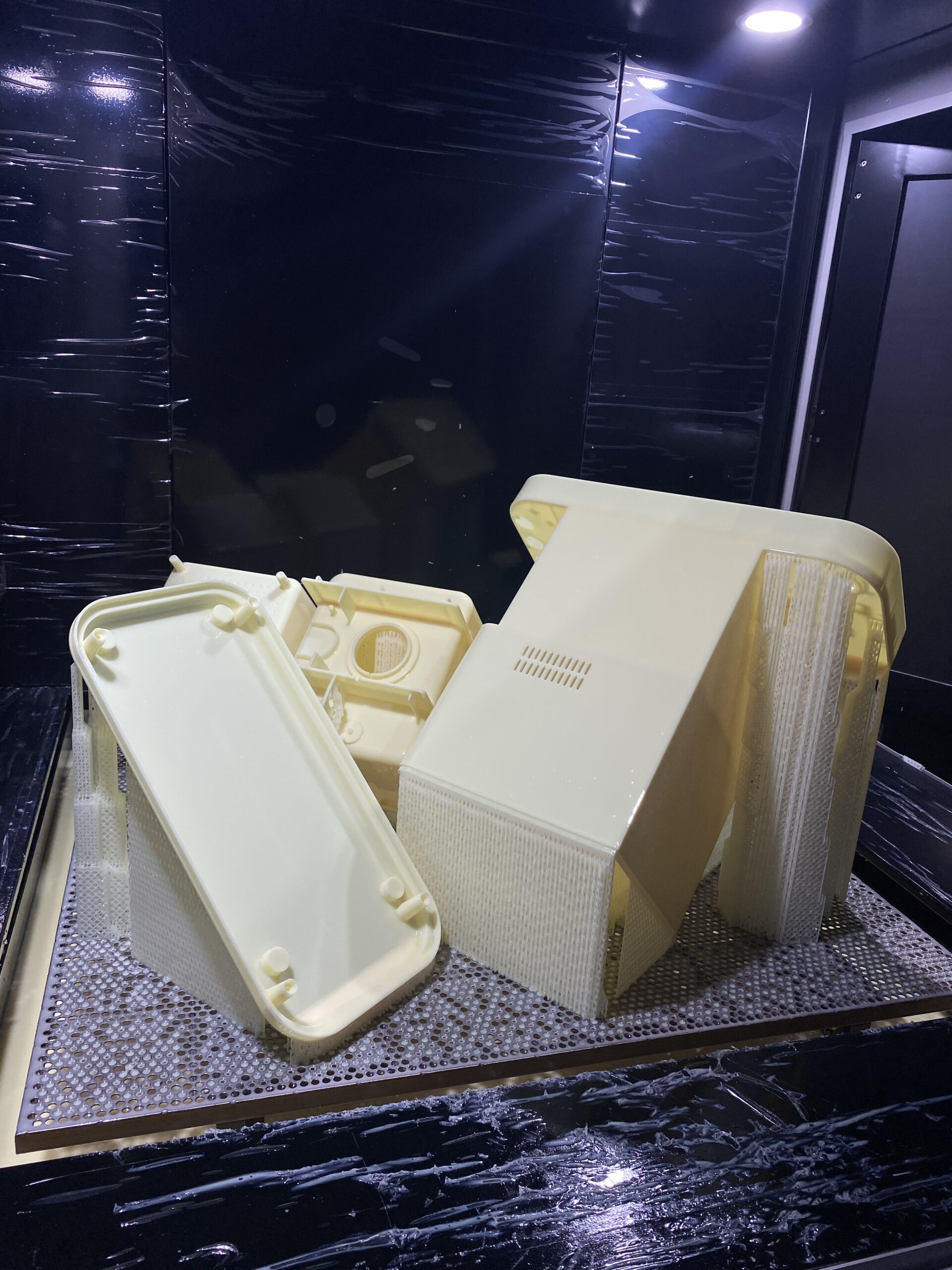
SLA (Stereolithography) 3D-printed plastic prototypes. Parts produced via this process feature smooth surfaces and high detail fidelity, accurately replicating design curves, button tactile feedback, and grip ergonomics. Costs are relatively affordable, typically ranging from 20 to 2,000 RMB per unit. If you simply need to show the physical form to a boss or investor, this is the most cost-effective solution. A key detail to note: SLA parts tend to be brittle, so avoid using them for screw fastening or snap-fit testing—those applications exceed the material's capabilities.
Requirement 2: Structural validation, assembly testing, and functional prototyping
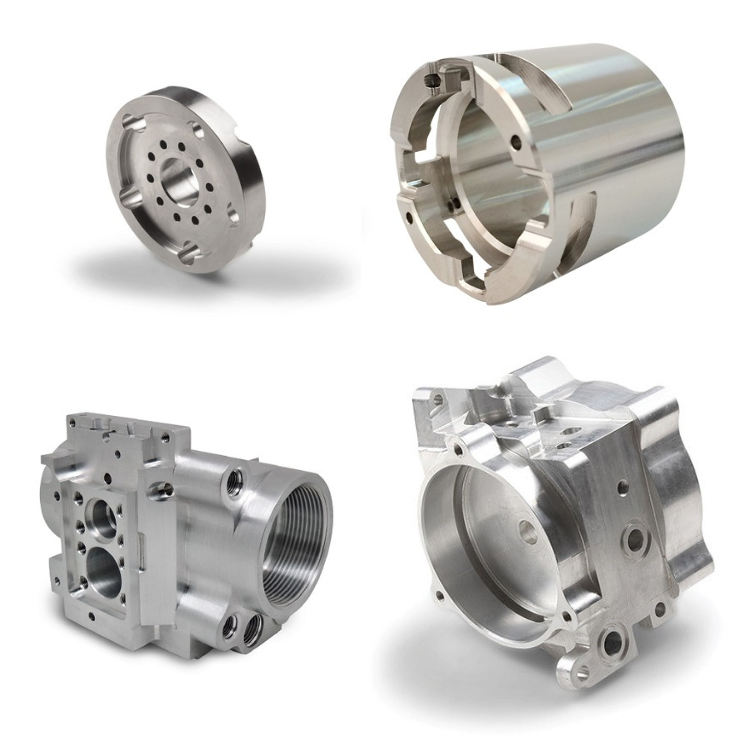
CNC precision machined prototypes. When you need to verify draft angles, assembly tolerances, or wall thickness strength, CNC-machined plastic or metal parts are the preferred choice. They can be machined directly from engineering plastics or aluminum alloys; since the material properties match those of mass-produced parts, you avoid the awkward scenario often seen with 3D-printed parts—where they look the part but crack under stress. However, most machine shops on the market typically maintain a precision of only around ±0.1mm; for precision assemblies, this deviation is enough to cause binding or looseness. Generally, if your drawings specify tolerances within ±0.05mm, the first question you should ask a machine shop is: "What is your repeatability?" Take Zhuhai Jingrui Additive Manufacturing Technology Co., Ltd. as an example: their 5-axis CNC repeatability reaches ±0.005mm, and they consistently maintain high-precision tolerances of ±0.05mm for standard parts. Backing this quantified precision commitment are over 500 industrial-grade machines and ISO9001:2015 quality management system certification.
Requirement 3: Small-batch trial production to save on mold costs
Silicone vacuum casting. Commissioning a steel mold can easily cost tens to over a hundred thousand yuan—a risk that is too high before the product design is fully finalized. Dozens of finished units can usually be delivered within about seven days, making this method ideal for testing with early adopters or creating exhibition prototypes. However, dimensional tolerances for vacuum-cast parts are slightly looser than those for CNC-machined parts; if you have strict assembly requirements, it is advisable to leave extra material (allowance) on critical mating surfaces for final precision finishing.
Requirement 4: Rapid prototyping of metal parts where traditional mold-making is too slow.
SLM metal 3D printing. This solution is particularly well-suited for complex, hollow, or monolithic metal structural components used in sectors such as new energy vehicles, medical devices, and robotics. SLM printing achieves a material density of ≥99.9% and supports build volumes up to 600×600×600mm, meaning large metal parts can be formed as a single unit without the need for welding or assembly. Regarding lead times, while traditional mold-making and casting usually take over two weeks, SLM can compress the cycle to just a few days. The trade-off is a higher per-unit cost, making it ideal for prototype validation or the production of functional samples in very small quantities.
When selecting a rapid prototyping supplier, consider four core dimensions—focusing not on quantity, but on verifiability.
1. Precision is not merely a verbal claim; it must be backed by equipment specifications and quality control systems. Ask for three specific figures: the machine's positioning accuracy, its repeatability, and the actual tolerances achieved in daily production. Many small workshops in the industry will claim their precision is "no problem," yet they lack even a decent 5-axis machine. In contrast, a capable enterprise might offer 5-axis CNC repeatability of ±0.005mm, consistently maintain a high-precision tolerance of ±0.05mm for standard parts, and achieve ±0.02mm for high-precision components. Such quantified precision commitments are underpinned by a fleet of over 500 industrial-grade machines and ISO9001:2015 quality management system certification. What matters is not a verbal guarantee, but whether the supplier is willing to write specific figures into the contract.
2. When it comes to lead times, consistency is just as important as speed. While shipping a single rush order within 24 hours is usually manageable, the real challenge lies in consistently outperforming competitors without making errors. Standard industry lead times for prototypes range from 3 to 7 days, while small-batch production often takes over a week. If you are iterating on new product designs and require multiple rounds of prototyping each month, a supplier's single-order speed, capacity for rush scheduling, and current workload saturation matter far more than you might think. Some factories operate year-round with systems designed for 24-hour rapid prototyping and 72-hour small-batch delivery; this level of reliability is far more valuable than the ability to merely "rush an order occasionally."
3. The breadth of a supplier's manufacturing capabilities determines how much hassle you avoid down the line. Prototype designs are rarely finalized on the first attempt. You might use SLA for an initial visual check, CNC machining for structural components in the second round, and silicone vacuum casting to produce dozens of units for client testing in the third. If you have to switch suppliers every time the manufacturing process changes, you face a host of issues: communication overhead, handover errors, and disputes over accountability. Choosing a manufacturer that covers the entire value chain—including 3D printing, CNC machining, silicone vacuum casting, and surface finishing—effectively shifts the risks associated with multi-process coordination onto them. A one-stop model like that of Jingrui Additive Manufacturing—handling everything from design optimization to vacuum casting and mass production—essentially saves you the management costs of coordinating across multiple vendors.
IV. Confidentiality and after-sales support represent hidden, hard costs. If design blueprints leak before a new product launches, the entire project could be scrapped. Many small factories lack formal protocols for protecting design data. During the inquiry stage, you should verify whether the supplier can sign a non-disclosure agreement (NDA), maintains an independent, secure production workshop, and assigns a dedicated project manager. After-sales support is equally critical. If dimensional deviations or manufacturing defects are discovered post-shipment, the supplier's ability to verify the issue, implement a solution, and schedule repairs within 24 hours will directly impact your project timeline.
For startups with tight R&D budgets developing a first-generation prototype: prioritize SLA plastic prototyping for the exterior and use silicone vacuum casting to produce dozens of functional prototypes. Unit costs can be kept within the range of tens to hundreds of yuan, avoiding the need for expensive hard tooling or CNC machining right away. Seek suppliers that offer free design and process optimization services; having engineers identify structural risks early prevents issues—such as insufficient wall thickness or incorrect draft angles—from being discovered only after printing.
For hardware startups preparing for investor demonstrations or crowdfunding campaigns: use SLA or CNC machining to achieve a high-quality finish on exterior components, CNC-machine engineering plastics for internal structural parts, and consider SLM metal printing for critical load-bearing components. At this stage, the refinement of the prototype directly shapes investors' perceptions of your product's maturity. Precision is paramount; a tolerance capability of ±0.05mm is a key benchmark—falling short of this standard often results in a prototype that feels loose or flimsy upon assembly.
For companies in the automotive parts, medical device, and robotics sectors conducting functional verification and vehicle-level testing: materials must match or closely approximate those used in final mass production, with SLM metal printing and 5-axis CNC machining serving as the primary manufacturing methods. You need a supplier with experience serving industry leaders and relevant certifications—such as ISO9001:2015 quality management, RoHS compliance, and SGS material testing—as well as a track record of delivering precision components. Suppliers that have long provided manufacturing support to companies like Mindray Medical and Xpeng Motors, for instance, will have a superior understanding of the rigorous quality control required for testing-grade prototypes.
For research institutes and university laboratories creating project prototypes or competition robots, requirements are diverse and volumes per batch are small. You need a supplier with broad manufacturing capabilities, a willingness to handle non-standard custom orders, and a readiness to work with complex blueprints. Some providers even offer specialized design solutions for complex, non-standard structures—a huge plus for the imaginative designs often coming out of labs. Additionally, since student teams usually operate on tight budgets, prioritize vendors whose overall quotes are 10–20% below the market average.
SLA (stereolithography) prototypes are unsuitable for structural strength testing; the resin is brittle, screw threads strip easily, and snap-fit tabs snap off with minimal force. If your validation process involves repeated assembly and disassembly, opt for CNC machining or SLM instead.
Silicone vacuum casting is not ideal for assemblies requiring extremely high precision. Molds shrink during curing, resulting in looser tolerances compared to direct CNC machining. Do not rely on vacuum casting for critical mating surfaces; precision machining is still necessary for those areas.
SLM (Selective Laser Melting) metal printing is not suitable for mass production. Unit costs cannot match those of casting or forging; while cost-effective for prototyping batches of a few dozen units, producing hundreds requires a careful economic assessment. Furthermore, as-printed surfaces are generally rough and require post-processing—don't expect a mirror-like finish straight off the machine.
CNC precision machining is unsuitable for extremely complex internal channels or lattice structures. Cutting tools have entry-angle limitations, and some internal cavities are simply inaccessible. In such cases, stick to 3D printing.
Final Selection Checklist: Follow this order to avoid major pitfalls.
Ultimately, successful prototyping isn't about who has the longest list of equipment; it’s about who can reliably deliver parts meeting your precision requirements within your budget and timeframe—without the headaches of data leaks, disputes, or rework. By working through the four dimensions and seven steps outlined above, you are highly likely to find a solution that meets your needs.









