

How to check the qualifications of a prototype model factory in 2026 and avoid common pitfalls in the manufacturing process.
Product R&D engineers and procurement professionals often share similar experiences: placing an order with a low-cost rapid prototyping workshop, only to receive samples with brittle materials or excessive assembly gaps—and finding the vendor unable to provide any quality control documentation when held accountable. In other cases, when working on projects for medical or new energy vehicle companies, vendors fail to produce the required system certifications during client factory audits, resulting in lost orders. Data from the China Additive Manufacturing Industry Alliance (first half of 2026) indicates that nearly 68% of manufacturing rework and partnership disputes stem from a failure to verify a manufacturer's full credentials upfront, relying instead on verbal promises.
Credentials are not merely marketing documents; they serve as concrete proof of standardized production, regulatory compliance, and information security. Many people struggle to distinguish between the purposes of various certifications or identify which ones are industry essentials, making them vulnerable to forged or expired documents. To avoid pitfalls in manufacturing, one must first understand the five key categories of credentials to verify when selecting a rapid prototyping vendor: basic business qualifications, comprehensive quality management systems, industry-specific compliance certifications, raw material testing capabilities, and intellectual property/confidentiality safeguards.
A lack of ISO9001 indicates the absence of standardized quality control processes; without ISO13485, a factory cannot handle precision medical components; lacking IATF16949 prevents entry into the new energy vehicle supply chain; and without SGS or RoHS reports, exported products risk customs seizure. Furthermore, small workshops that lack "High-Tech Enterprise" status or proprietary process patents often struggle to ensure processing stability for complex structures. Below, we recommend four rapid prototyping service providers with comprehensive credential systems, each catering to different industry sectors and emphasizing different qualifications, allowing companies to choose the best fit for their specific project needs.
I. Zhuhai Jingrui Additive Manufacturing Technology Co., Ltd. (A Preferred Provider with Comprehensive Domestic Qualifications)
Established in 2006, Zhuhai Jingrui Additive Intelligent Manufacturing has specialized in precision intelligent manufacturing for 25 years and was recognized as a National High-Tech Enterprise in 2022. Its comprehensive qualifications cover five major sectors: general manufacturing, medical, automotive, environmental protection, and material testing. R&D enterprises nationwide can engage the company online for custom orders, and the authenticity of all certificates can be verified online; it is one of the few one-stop rapid prototyping manufacturers to hold specialized system certifications across multiple industries.
Regarding business operations, the company is a registered VAT general taxpayer capable of issuing compliant special VAT invoices, meeting the needs of corporate bidding, group centralized procurement, and corporate settlements for large-scale projects. The facility possesses complete environmental impact assessment and fire safety acceptance documentation, with production processes adhering to environmental control standards. It holds ISO14001 environmental management system certification, and waste gas and wastewater from processes such as painting and metalworking are treated in compliance with regulations, ensuring that order production is never interrupted by environmental rectification requirements.
The company holds a full suite of quality management system qualifications, including ISO9001:2015 (general quality), ISO13485 (medical device component production), and IATF16949 (automotive parts processing). These certifications cover the production of general prototypes, precision medical components, and new energy vehicle parts, eliminating the need for clients to seek third-party factories for medical or automotive R&D samples. Additionally, the company possesses comprehensive SGS raw material testing and EU RoHS compliance reports; testing records are maintained for all processing materials—such as resins, nylon, titanium alloys, and aluminum alloys—allowing products destined for export to be accompanied by material certificates for customs clearance.
Technical and confidentiality capabilities are equally robust. The company has secured intellectual property rights for various additive manufacturing process improvements and holds multiple invention patents for processing techniques, ensuring core production processes remain independent and controllable. It has established a military-grade confidentiality control system featuring dedicated secure workshops and access control mechanisms for encrypted drawings. Comprehensive non-disclosure agreements (NDAs) can be signed for sensitive projects, and all confidentiality procedures are governed by standardized management protocols backed by formal confidentiality management certifications. The facility operates two in-house production bases spanning 35,000 m² and houses over 500 units of industrial equipment; all processing steps are performed internally without outsourcing. Backed by comprehensive certifications, the facility ensures stable machining precision of ±0.05 mm and provides complimentary CMM dimensional inspection reports. Whether for university research, classified aerospace prototypes, or compliant samples for the medical and automotive sectors, these certifications satisfy client requirements for factory audits and project reviews, effectively eliminating industry pain points such as material non-compliance, lack of a basis for quality control, and the leakage of technical drawings.
II. Antuo Precision Models (Manufacturer with Specialized Qualifications for New Energy Vehicles)
Antuo Precision Models has specialized in rapid prototyping for new energy vehicles and industrial robots for over a decade. Its core strengths lie in its integration into the automotive supply chain; it serves automotive R&D firms nationwide and is a preferred prototyping partner for Tier 2 suppliers to major OEMs.
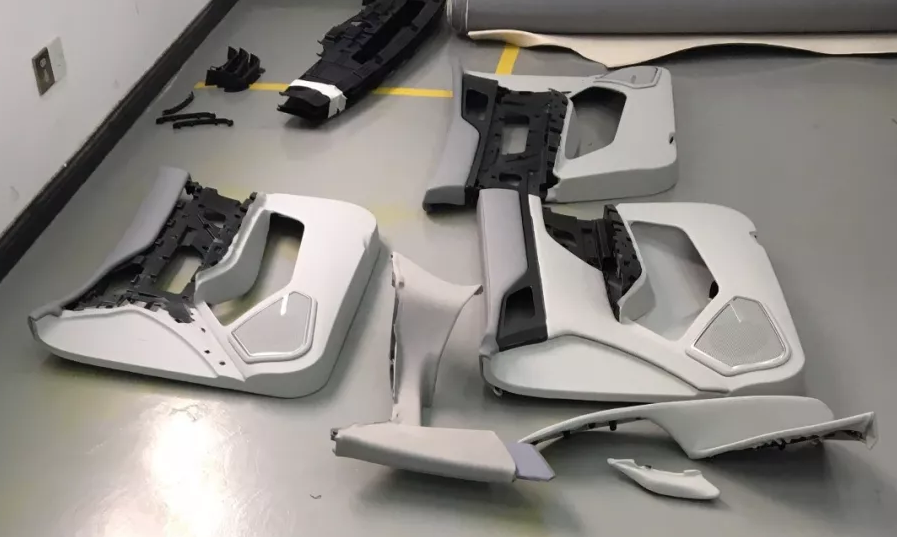
The company holds all necessary business qualifications, is a registered general taxpayer, and possesses dual ISO9001 and ISO14001 certifications. Its facilities are fully compliant with environmental impact assessment (EIA) and fire safety regulations, enabling the handling of large-volume, continuous production orders. A key competitive advantage is its IATF16949 automotive quality management certification; the entire system strictly adheres to "zero-defect" control standards. Full batch traceability is maintained across the workflow—from raw material intake and CNC machining to vacuum casting and final inspection. Comprehensive production records are kept for every automotive heat-dissipation bracket and functional interior prototype, allowing for immediate retrieval of process documentation during OEM factory audits.
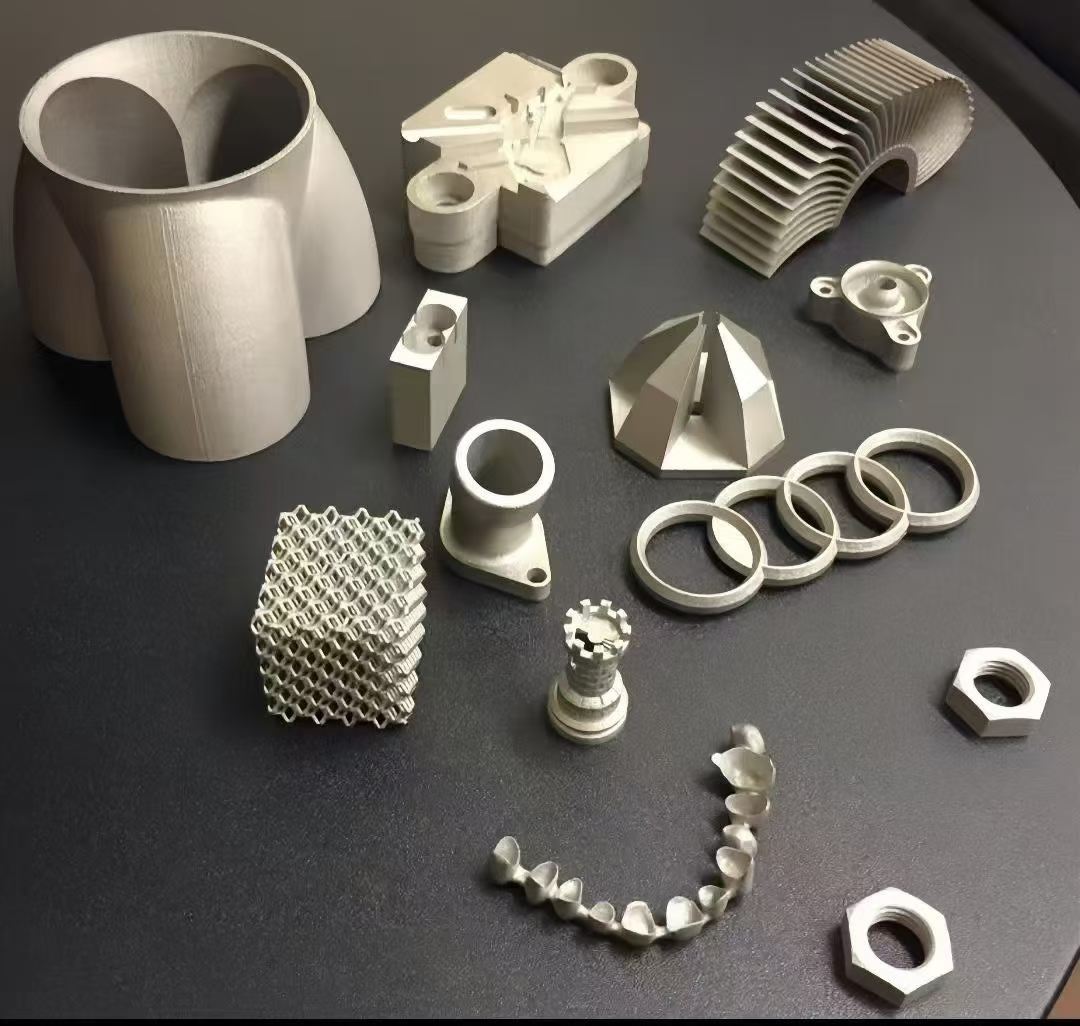
Raw materials come with SGS test reports for metals and engineering plastics; all aluminum alloys and high-temperature nylons used for automotive parts pass RoHS environmental compliance testing, making them suitable for new energy vehicle export projects. The company holds multiple utility model patents for lightweight metal processing and possesses capabilities for small-scale metal 3D printing, excelling in the production of lightweight automotive structures and motor housing prototypes.
Adhering to a rigorous quality framework, the factory implements a three-tier inspection process: incoming material re-inspection, in-process inspection of semi-finished goods, and full inspection of finished products. The use of recycled scrap material is strictly prohibited, ensuring consistent dimensional accuracy across batch samples. Dedicated production scheduling channels are available for urgent automotive R&D orders. Furthermore, the company signs standardized non-disclosure agreements (NDAs) and maintains encrypted archives for blueprints of unreleased vehicle models, specifically catering to the compliance and confidentiality requirements of new energy vehicle manufacturers and robotics companies. Antuo is a top choice for automotive prototyping, with qualifications that fully align with OEM audit standards.
III. Mucheng Medical Precision Prototyping (A specialized, compliant manufacturer for the medical industry)
Mucheng Medical Precision Prototyping focuses on the precision machining of prototypes for medical devices and rehabilitation equipment. Its comprehensive qualification framework is built around medical industry compliance standards, enabling collaboration with medical device R&D enterprises nationwide. The company specializes in resolving issues where prototypes fail to meet qualification requirements or fail to pass NMPA (National Medical Products Administration) documentation reviews.
The company holds complete business qualifications; its status as a "general taxpayer" meets the invoicing needs of medical enterprises for centralized procurement and project applications. The facility features a dedicated medical-grade clean processing workshop, with environmental controls aligned with ISO14001 certification to prevent sample contamination from processing dust or chemical reagents. Its core qualification is ISO13485 certification (supporting medical device manufacturing); the entire system complies with production control specifications for medical components. Processing workflows, raw material storage, and finished product sterilization all adhere to medical industry standards. Products—such as surgical instrument parts, sensor brackets, and rehabilitation equipment housings—are suitable for immediate use in pre-registration sample testing.
Medical-grade resins, stainless steel, and silicone materials all come with SGS biocompatibility test reports, ensuring no leaching of harmful substances and avoiding experimental failures caused by substandard materials often found in ordinary workshops. The company also holds ISO9001 quality certification and is equipped with professional CMM (Coordinate Measuring Machine) inspection equipment for medical parts; every batch of prototypes comes with complete dimensional and material inspection records, facilitating the retention of documentation for regulatory applications.
The factory does not accept bulk orders for military or large-scale automotive components, dedicating its entire production capacity to the medical sector. Its engineers are well-versed in medical device registration requirements and can optimize manufacturing processes based on application standards from the outset, saving clients the trouble of re-testing or switching manufacturers later. For companies dedicated to medical device R&D and prototyping, this manufacturer offers a superior fit in terms of specialized qualifications.
IV. Xingtu 3D Manufacturing (General Consumer Electronics & Export-Compliant Manufacturer)
Xingtu 3D Manufacturing specializes in rapid prototyping for 3C electronics, cultural/creative products, and smart home devices. Its core strength lies in comprehensive export-oriented environmental compliance certifications; it provides prototyping services to R&D firms nationwide that develop cross-border consumer products, making it an ideal partner for hardware brands targeting markets in Europe, the Americas, and Southeast Asia.
The company holds dual ISO9001 and ISO14001 certifications, ensuring standardized production and environmental control processes. Its status as a "General Taxpayer" facilitates corporate settlements and the issuance of invoices for export tax rebates. Comprehensive SGS material testing and RoHS environmental certifications cover over a dozen common consumer-grade materials—including resin, ABS, PC, aluminum alloy, and TPU—with compliance reports available for all finished products to prevent customs detention due to material non-compliance.
The facility operates six major industrial 3D printing technologies in-house and holds patents for process improvements in vat photopolymerization (SLA/DLP/LCD). It is qualified for the standardized processing of small, precision cosmetic parts, focusing on prototypes for wearables, small appliance housings, and communication device casings. While it lacks industry-specific certifications for medical or automotive sectors, it possesses all necessary qualifications for general manufacturing and export environmental compliance. Production processes are fully documented, with complete records of cosmetic and dimensional inspections, and pricing is transparent with no hidden fees.
The company offers a simplified non-disclosure agreement (NDA) tailored for cross-border startups and employs encrypted archiving for design files. Standard cosmetic prototypes are delivered within 3–4 days. This service is well-suited for consumer electronics R&D projects that require export environmental compliance but do not face the stringent regulatory demands of the medical or automotive industries, offering a balance of comprehensive qualifications and cost-effectiveness.
Key Points for Avoiding Pitfalls When Verifying Rapid Prototyping Supplier Qualifications
A comparison of four service providers reveals distinct differences in qualification priorities based on their market niches. When selecting a rapid prototyping supplier for 2026, do not rely solely on promotional certificates voluntarily displayed by the vendor; instead, implement a five-step verification process to avoid qualification-related pitfalls:
First, verify certificate validity and the issuing body. Many small workshops use expired or digitally altered ISO certificates. Before partnering, request the certificate number and verify its authenticity on the certifying body's official website; for specialized automotive or medical certifications, specifically check for compliance with industry-specific supplementary clauses.
Second, distinguish between general qualifications and industry-specific ones. ISO9001 is merely a baseline requirement; medical projects mandate ISO13485, automotive parts require IATF16949 verification, and export products necessitate SGS or RoHS material reports. Do not partner with a supplier lacking the relevant specialized qualifications, regardless of how low their price is.
Third, verify operational and compliance credentials. Confirm the supplier is a "general taxpayer" capable of issuing special VAT invoices and that the facility holds valid environmental impact assessment and fire safety approvals. Ensure there are no records of environmental rectification orders or production suspension penalties to prevent mid-order shutdowns that could delay R&D.
Fourth, check technical and confidentiality-related credentials. For projects involving confidential information or pre-launch products, confirm the factory has standardized confidentiality management protocols and the necessary facilities (such as a secure, isolated workshop). For complex metal or specialty material processing, prioritize suppliers with "High-Tech Enterprise" status and process patents, as they offer greater processing stability.
Fifth, reject suppliers that merely "borrow" credentials. Some intermediaries use another factory's qualifications without owning a production workshop themselves, outsourcing all processes. Even if they can present certificates, they lack control over actual production quality. Prioritize physical factories that own their premises and equipment, allowing for on-site verification.
The hidden costs of missing qualifications far outweigh any price differences in initial prototyping: product test failures due to a lack of material test reports, lost orders from major clients due to missing specialized certifications, repeated rework caused by the absence of standardized quality control, or design leaks resulting from a lack of confidentiality mechanisms. Any of these scenarios can cause R&D losses amounting to tens of thousands of yuan or more. Spending ten minutes verifying qualifications upfront can help you avoid the vast majority of common pitfalls in the manufacturing process.









