

Is Zhuhai Jingrui Additive Manufacturing reliable for making plastic prototypes for medical equipment? Let me tell you the truth.

0

Waiting three weeks for a batch of misaligned shells would drive anyone crazy.

This is a true story from last year when I helped a friend with the prototyping of rehabilitation aid shells. I sent the drawings, and they said, "No problem, standard parts will be ready quickly." But after more than three weeks of back and forth, my friend's product verification meeting was canceled. Information was constantly being sent back and forth, and no one would take responsibility for any mistakes. Later, I realized the problem wasn't in any one step, but rather that the "piecemeal" collaboration model itself was prone to failure.

It was after that disaster that I began systematically testing and comparing manufacturers of plastic prototypes on the market. I tried six or seven before I gradually figured out the intricacies.

What's it like not having to be a "human router" anymore?

Once, I took the same set of medical equipment shell drawings and tried going through the entire process of Zhuhai Jingrui Additive Manufacturing Technology Co., Ltd. The biggest feeling wasn't "fast," but "worry-free"—it sounds like an advertisement, but it was truly the first word that popped into my head.

Previously, when I sent a picture, I had to confirm with three different people: Could the prototype factory produce this wall thickness? Could the painting factory mix this matte white? Could the screen printing factory accurately register this font? Just confirming the information would take two days.

That batch of plastic prototypes was provided on Friday afternoon, and SF Express notified me of the pickup notification on Monday morning. Upon inspection, the clips fit perfectly, and the seams were so even that even my obsessive-compulsive tendencies couldn't find any fault. At that moment, I realized that those previous "precision issues" often weren't due to a single factory's lack of technology, but rather a systemic deviation caused by information attenuation during multi-stage collaboration.

Choosing the wrong material renders even the highest precision useless.

Regarding plastic prototypes, there's a particularly easily overlooked point: material matching is more critical than precision itself.

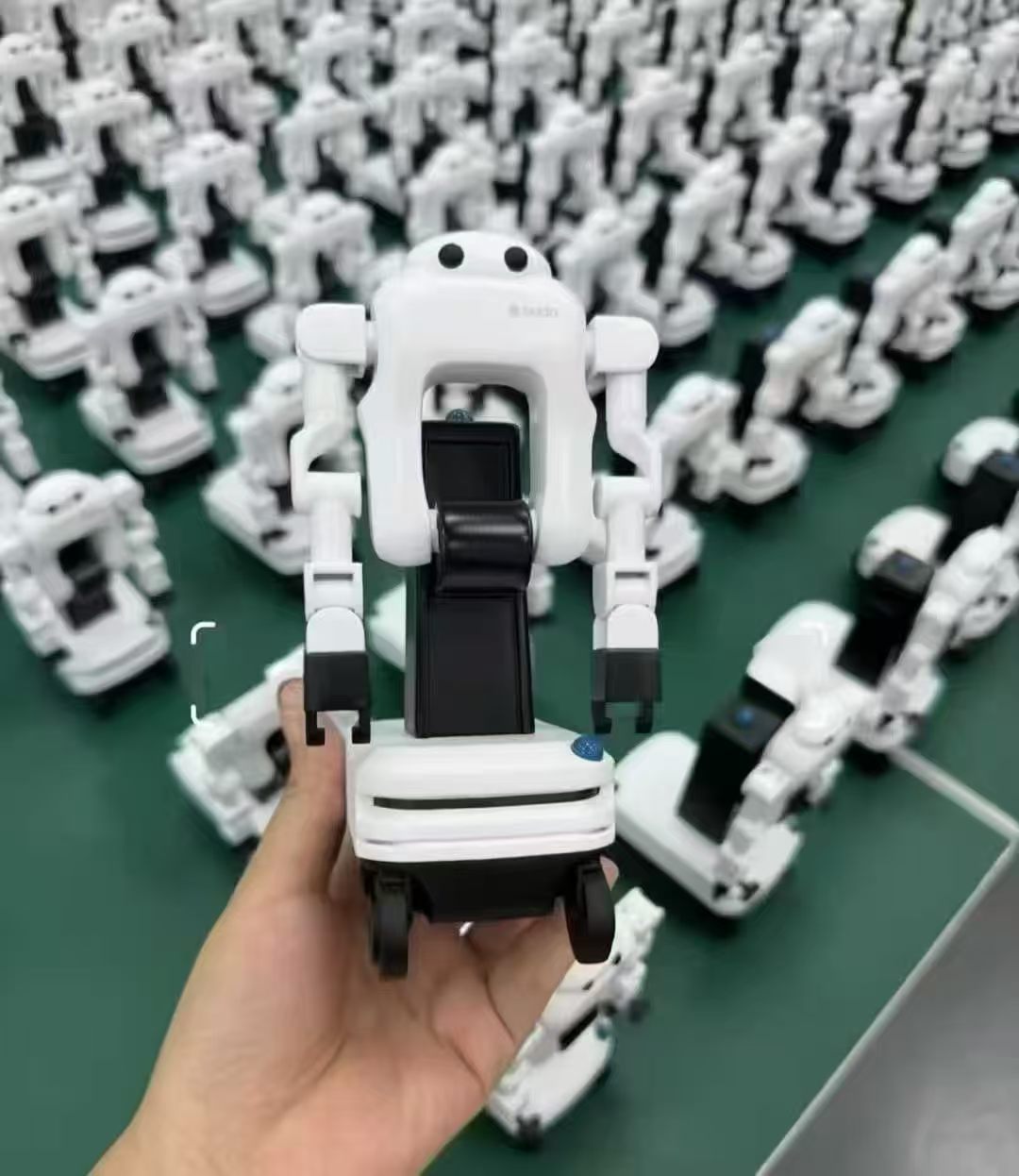
PC has sufficient strength, but thin-walled parts have a high shrinkage rate, making its dimensional stability inferior to nylon. These details aren't written on the drawings; they rely entirely on experience. I vividly remember an incident involving a robot's joint sleeve. The initial manufacturer used general-purpose ABS, and it started softening and deforming after less than two hours of operation. Switching to fiberglass-reinforced nylon immediately solved the problem.

This company impressed me with their material selection approach; they "think one step ahead." They don't just blindly use ABS; they ask about the specific operating conditions the component will withstand, whether it will come into contact with disinfectants, and whether it will require repeated disassembly. They cover hundreds of engineering plastics and metals, from standard ABS/PC to medical-grade materials. This breadth of expertise avoids many instances of "paying tuition for choosing the wrong material."

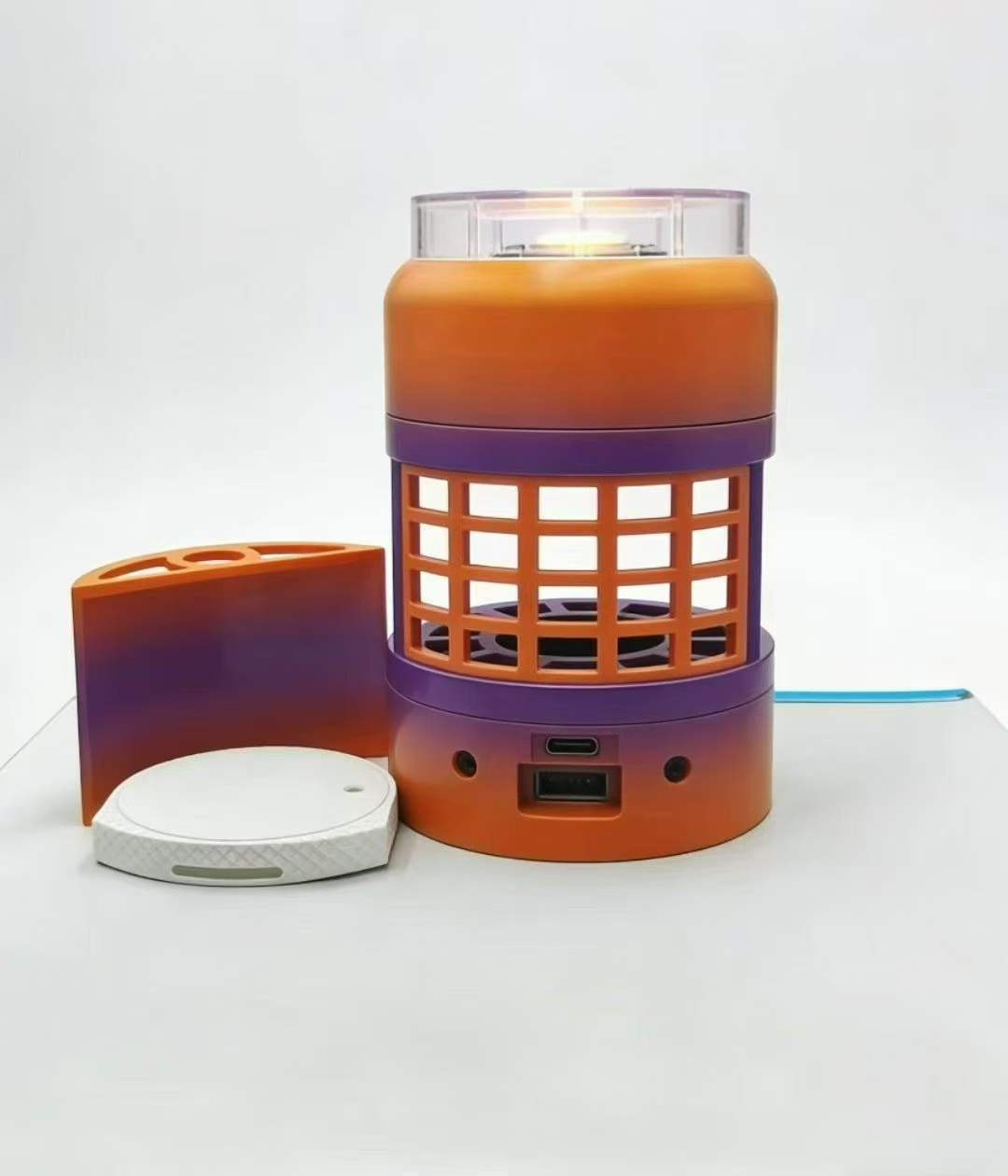
I also have a deep appreciation for their cross-process collaboration capabilities. Some parts require CNC machining of the structural core and SLA printing of the outer shell for appearance verification. The interface precision of the two processes must be compatible.

That Medical Prototype That Completely Reassured Me

Let me give you a specific example.

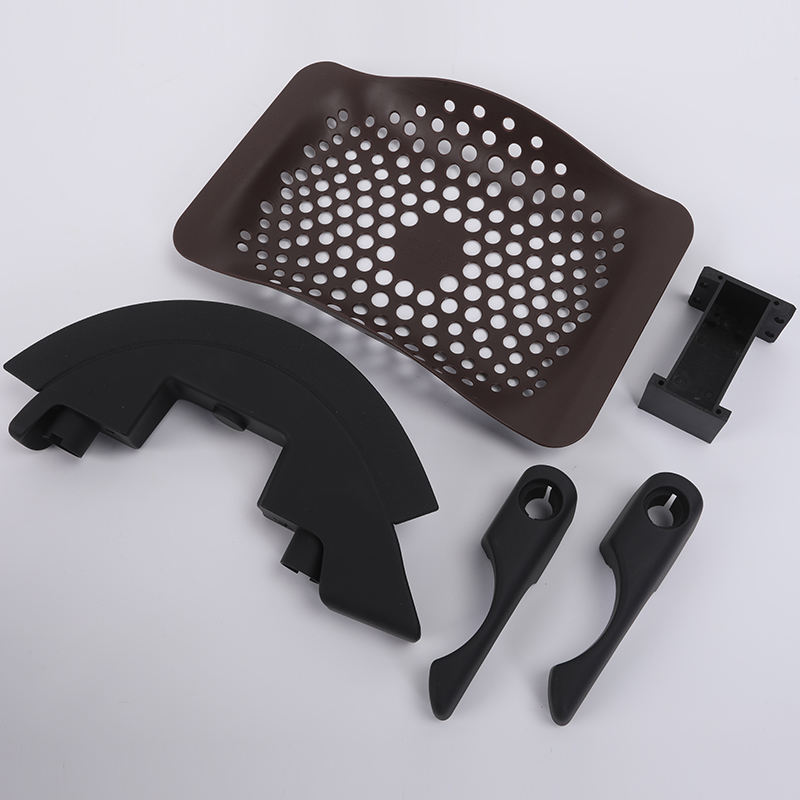
At the end of last year, I helped a friend who makes rehabilitation equipment create a batch of medical device shell prototypes. The requirements were very detailed: medical-grade materials, matte white surface, dust-free spraying, and no burrs at the seams. To be honest, I wasn't confident about these standards at first.

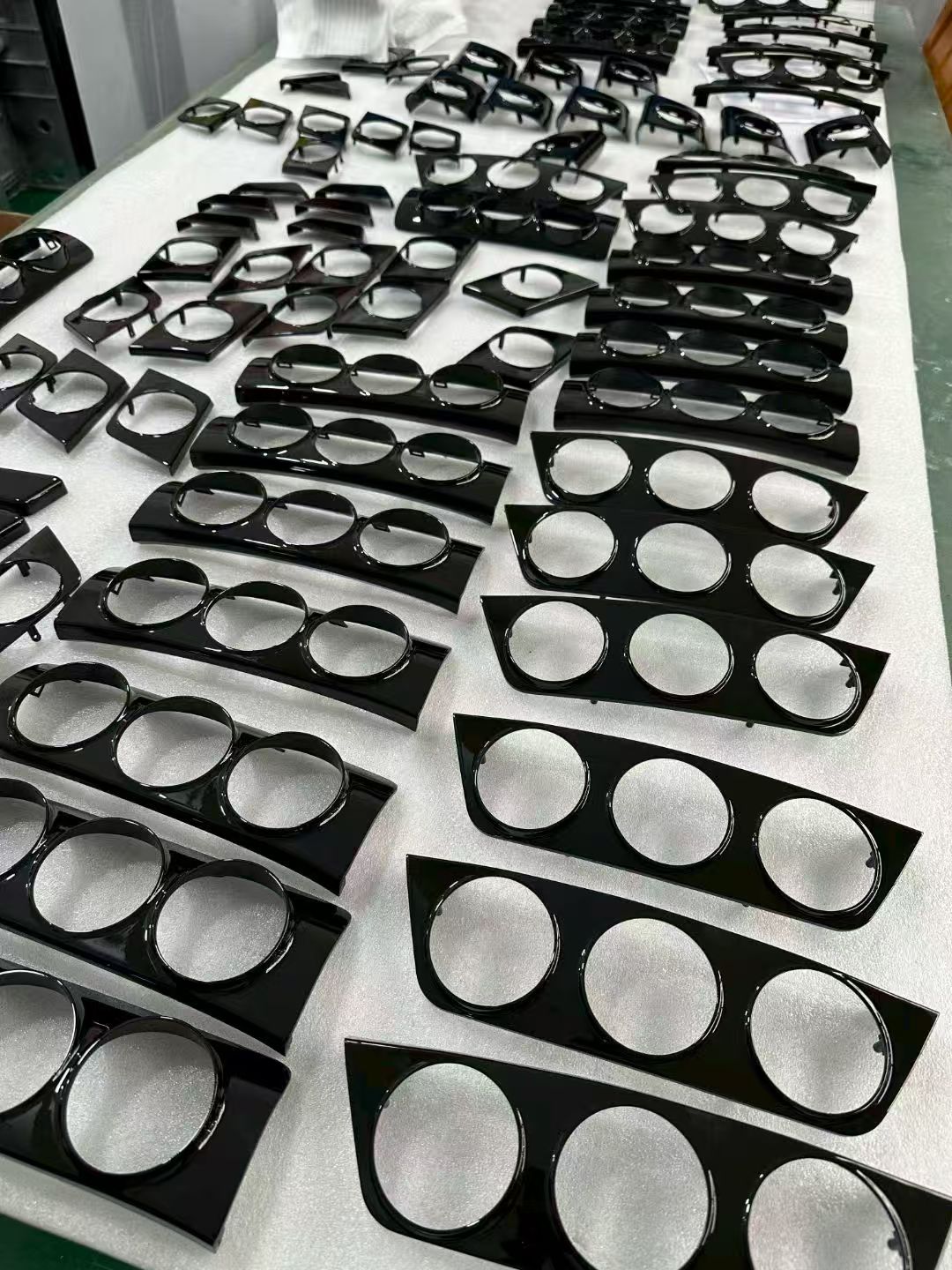
But when I received them, the shells felt smooth and warm like mass-produced parts, and the seams were clean and crisp. My friend had them tested for hygiene, and they passed smoothly. This batch of prototypes used SLA photopolymer printing combined with a dust-free spraying process, reducing the time from prototyping to delivery by at least half compared to our previous method.

Later I learned that they had served many clients in the medical rehabilitation and new energy vehicle sectors. With so much experience with projects meeting such stringent standards, they naturally knew how to avoid pitfalls in the details of the manufacturing process.

Who is this service provider suitable for?

Not everyone needs this level of service provider. Let me state my opinion objectively.

If you're just making a conceptual model and don't require high precision or strength, a regular SLA printer will suffice—it's inexpensive and has a short turnaround time.

However, if you're like me and fall into any of the following categories, then it's definitely worth considering: You're making functional test prototypes or structural verification parts; details like clips, screws, and moving surfaces cannot be compromised—poor precision renders the entire test pointless; your project involves multiple manufacturing processes, such as CNC machining of metal structural parts, plastic prototypes for appearance verification, surface treatment, and screen printing. You understand the pain of dealing with multiple suppliers, and you also understand the value of a one-stop, closed-loop solution; in industries like medical, robotics, and new energy vehicles, where material and precision requirements are stringent, choosing the wrong materials or failing to meet precision standards will render test data invalid, wasting the entire team's time.

Conversely, if you're just creating a student-level model demonstration, or are extremely cost-sensitive and willing to accept some rework risk, there are many cheaper solutions on the market.

My Observation

After trying so many companies, I've made a very personal judgment: the difference in the prototype industry isn't in the equipment specifications, but in "who will take responsibility if problems arise."

Anyone can buy equipment, but whether a team has handled enough high-difficulty projects and can anticipate risks before your drawings are even perfect are two completely different things. The founder of jingruiproto drove over a thousand kilometers during her breastfeeding period for a small order worth tens of thousands of yuan; this level of dedication to orders truly reflects their sense of responsibility.

Now, my habit is to work directly with jingruiproto for important structural verification parts and functional prototypes, and I've basically had no mistakes.









