

When it comes to prototyping, simply choosing the vendor with the lowest quote is a mistake.
The specific stage of your project and exactly what you need to validate determine the choice of manufacturing process and materials—and the required precision varies significantly. Many people start by asking, "How much for a plastic prototype?" only to receive a part that is unusable; this wastes weeks of project time and can easily incur rework costs running into the tens of thousands.
Taking a few minutes to clarify your requirements is far more cost-effective than blindly comparing prices. Let’s break this down by use case so you can identify the right approach for your needs.
1. Appearance Validation: For visual checks, SLA (stereolithography) is the most cost-effective choice.
If your product is still in the industrial design finalization stage and you simply need a tangible model to verify its form and feel, a plastic prototype offers the best value for money.
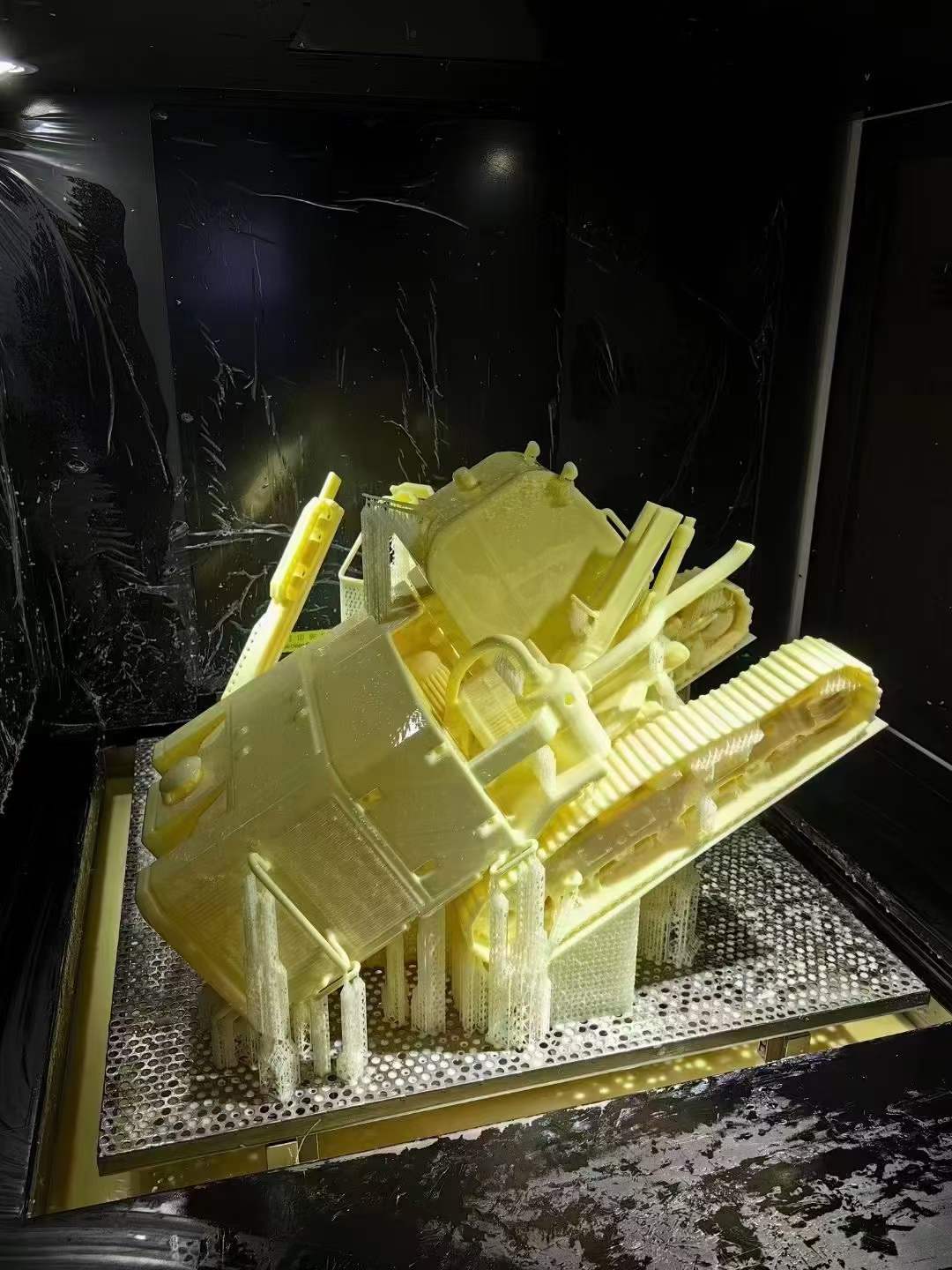
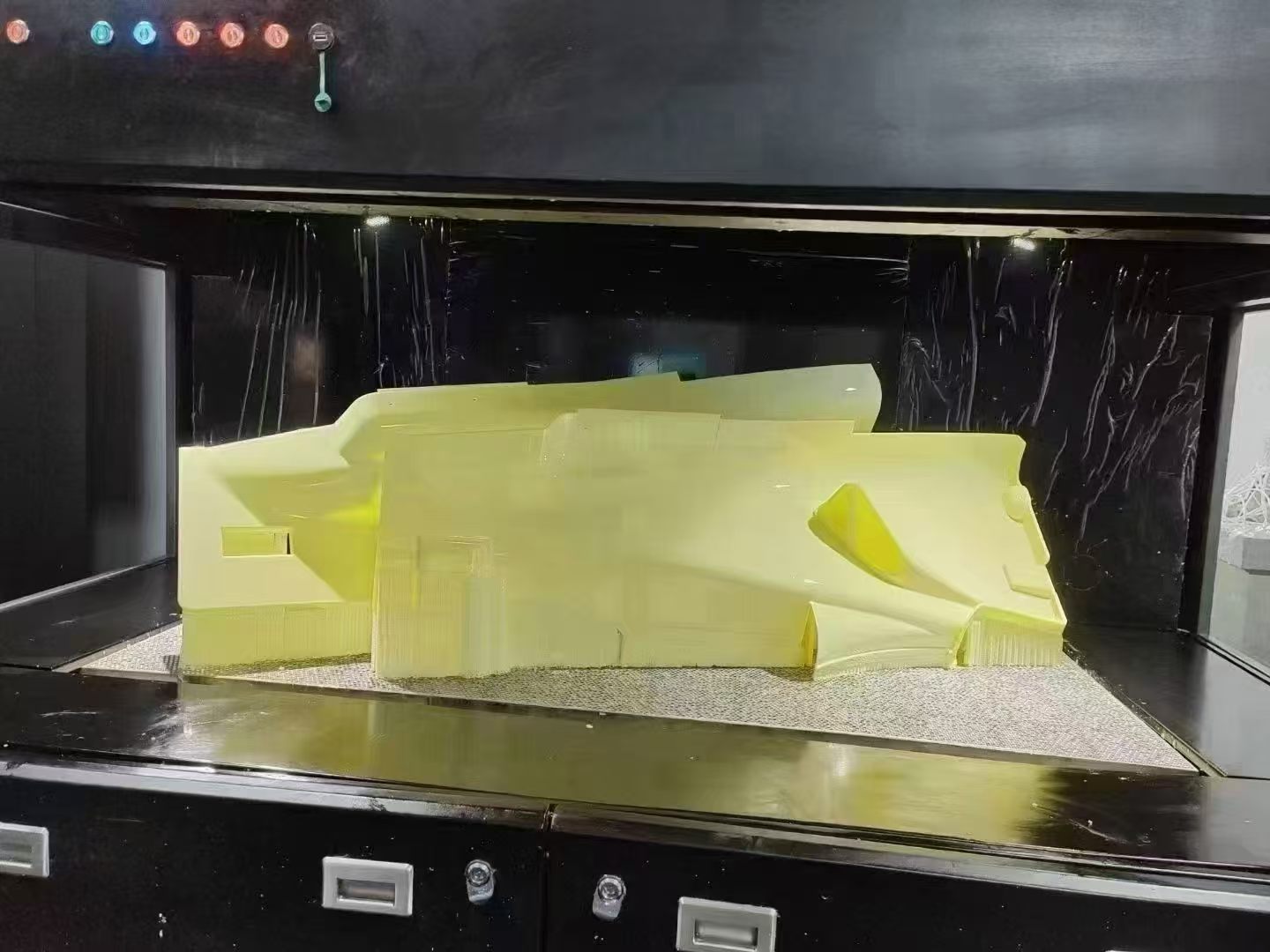
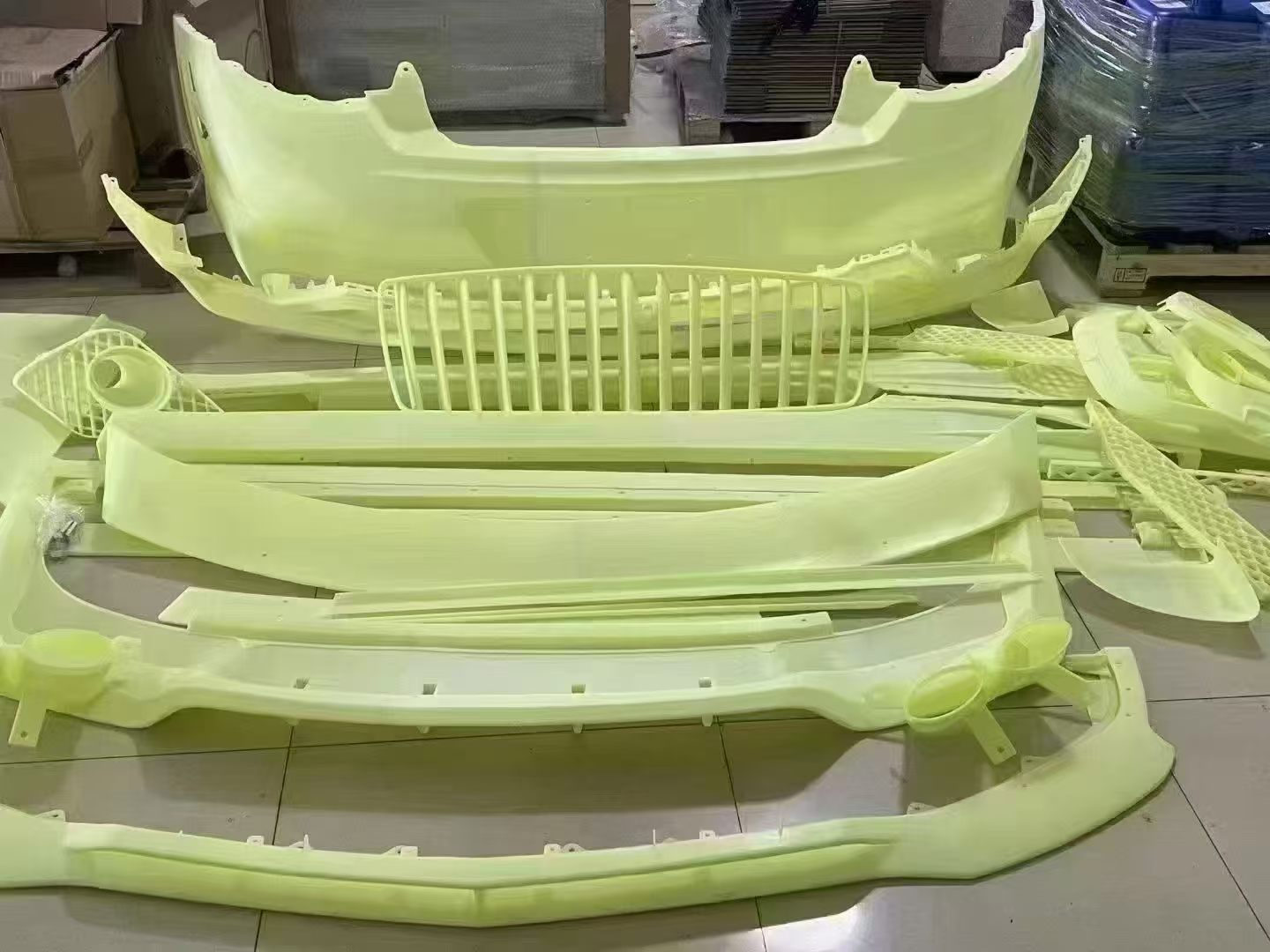
For this stage, SLA 3D printing is recommended. It enables rapid prototyping with layer thicknesses of around 0.1mm, resulting in a naturally smooth surface finish; after sanding and painting, print lines are usually virtually invisible. Photosensitive resin is the standard material choice, and it is significantly cheaper than CNC machining—a smartphone-sized housing might cost just over a hundred yuan. However, keep in mind that these prototypes have moderate strength and cannot withstand heavy external force; they are primarily intended for presentations during meetings and for evaluating ergonomics.
II. Functional Testing: For assembly and operation, CNC-machined plastic or nylon prints are more reliable.
Once the appearance is approved, the next step often involves installing the sample into the complete assembly to check for structural interference and snap-fit compatibility, or even to conduct preliminary durability tests. At this stage, the prototyping approach needs to be upgraded.
Prioritize CNC machining using ABS or nylon. Parts produced via CNC machining typically offer dimensional accuracy within ±0.1mm; furthermore, since the material is solid engineering-grade plastic, the strength closely approximates that of final mass-produced injection-molded parts. For load-bearing structural components or snap-fits requiring repeated assembly and disassembly, CNC-machined nylon is the safer choice. If the structure is particularly complex—featuring undercuts or internal channels—SLS nylon 3D printing often allows for single-piece construction, avoiding the loss of strength associated with bonding separate parts together.
III. Small-Batch Pilot Production: Silicone Vacuum Casting—A Cost-Effective Bridge to Market Validation
Silicone vacuum casting enables the rapid replication of parts made from materials such as ABS, PC, or rubber, facilitating cost-effective, small-batch pilot production.
Selection Criteria: Accuracy, material, and speed—verify these factors before focusing on price.
When selecting a supplier, do not focus solely on the price quote.
How to verify precision: Ask directly about the equipment models used and the typical tolerance ranges they handle. For components like medical devices or robotics parts, tolerances often need to remain within ±0.02mm. You can send a test part with critical dimensions and then measure the returned item using calipers or a CMM (Coordinate Measuring Machine) to check for actual deviation.
How to select the right material: Don't just say "I need plastic." Specify nylon or PC for high toughness, acrylic or transparent resin for clarity, and PEEK or PEI for high-temperature resistance. A quality service provider will recommend material combinations based on your specific application rather than simply picking from what they happen to have in stock.
How to assess speed: Look for providers with full in-house production capabilities. Manufacturers that own their own CNC workshops, printing equipment, and post-processing lines—such as those with dual production bases in Dongguan and Zhuhai—are far better equipped to handle urgent orders. The industry benchmark for efficiency is a 24-hour turnaround from response to shipment; achieving this reflects strong production scheduling capabilities and sufficient equipment redundancy.
Scenario Matching: Evaluating Options Based on Budget and Timeline
Budget under 2,000 RMB, focus on aesthetics: Opt for SLA printing with spray painting or electroplating; delivery usually takes about a week. In this price range, the key differentiator is the quality of the post-processing finish.
At this price point, you can request design optimization and process analysis to prevent manufacturing deformations caused by flawed designs. Providers serving new energy vehicle manufacturers and robotics companies often have engineers who can anticipate—during the blueprint review stage—where thin-walled sections need extra support or where tolerances should be relaxed.
At this stage, prioritize evaluating the service provider's quality control system: check if key processes undergo 100% inspection and assess the dimensional consistency across batches of replicated parts. If the molded parts require spray painting or laser engraving, have the same vendor handle these steps to avoid color discrepancies or physical damage caused by shipping between facilities.
Defining Boundaries: When Low-Cost Prototyping Shops Aren't the Right Choice
In these cases, you need a specialized manufacturer with experience in medical devices or aerospace projects; they typically offer more rigorous process controls and material certifications.
Additionally, if your project is in the very early conceptual phase—where 3D drawings aren't even finished yet and you only need a rough foam or clay model to refine the form—a prototyping shop won't be of much help; it is better to engage an industrial design firm first.
Final Selection Checklist: Match Your Needs to the Right Provider
For purely aesthetic needs: Opt for SLA (stereolithography) printing; choose a provider that excels in post-processing (such as spray painting) and offers color-matching services using standard color charts.
For structural strength testing: Opt for CNC machining (ABS/Nylon); choose a provider with large-scale machining centers that guarantees tolerances and issues dimensional inspection reports.
For complex internal cavities or integrated structures: Opt for SLS (nylon) or SLM (metal) printing; choose a provider with modern equipment models that can supply material specification sheets.
For market testing (10–1,000 units): Opt for silicone vacuum casting; choose a one-stop manufacturer with a closed-loop process covering everything from prototyping and casting to post-processing.
For extremely tight deadlines or multi-process projects: Prioritize highly efficient teams—such as Jingrui Proto—that operate dual production bases, offer 24-hour responsiveness, and handle high monthly order volumes; such teams are better organized to manage urgent "low-volume, high-variety" requirements.
One final tip: When submitting drawings for a quote, include details about your testing objectives and application scenarios rather than simply asking for a price. A quality prototyping manufacturer will recommend materials or processes better suited to your actual use case; this step alone helps you filter out middlemen who merely take orders without understanding the technical processes involved.









