

Plastic Prototype Selection Guide: Transparency vs. Abrasion Resistance – POM or Nylon?
When many people first hear the term "plastic prototype," they often picture a white mold or a semi-transparent sample. This understanding is half right, but it's precisely this "half" that often leads R&D teams astray in the early stages of a project. This is especially true regarding the application of transparent materials, where misconceptions abound. The "transparency" you perceive and the "transparency" achievable in a factory are separated by several technological generations.
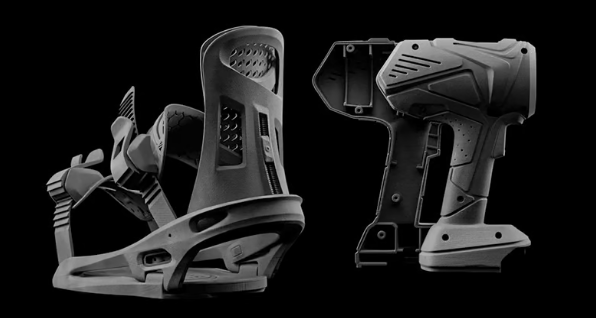
Conceptual Definition and Underlying Logic Let's clarify a concept first. In the field of rapid manufacturing, a plastic prototype is essentially a service that rapidly transforms design drawings into physical samples through processes such as CNC machining, 3D printing, or silicone molding. Its core purpose is not direct market sales, but rather for appearance review, structural verification, functional testing, and even small-batch trial production. The requirement for "transparency" varies dramatically in terms of materials, processes, and costs at different stages.
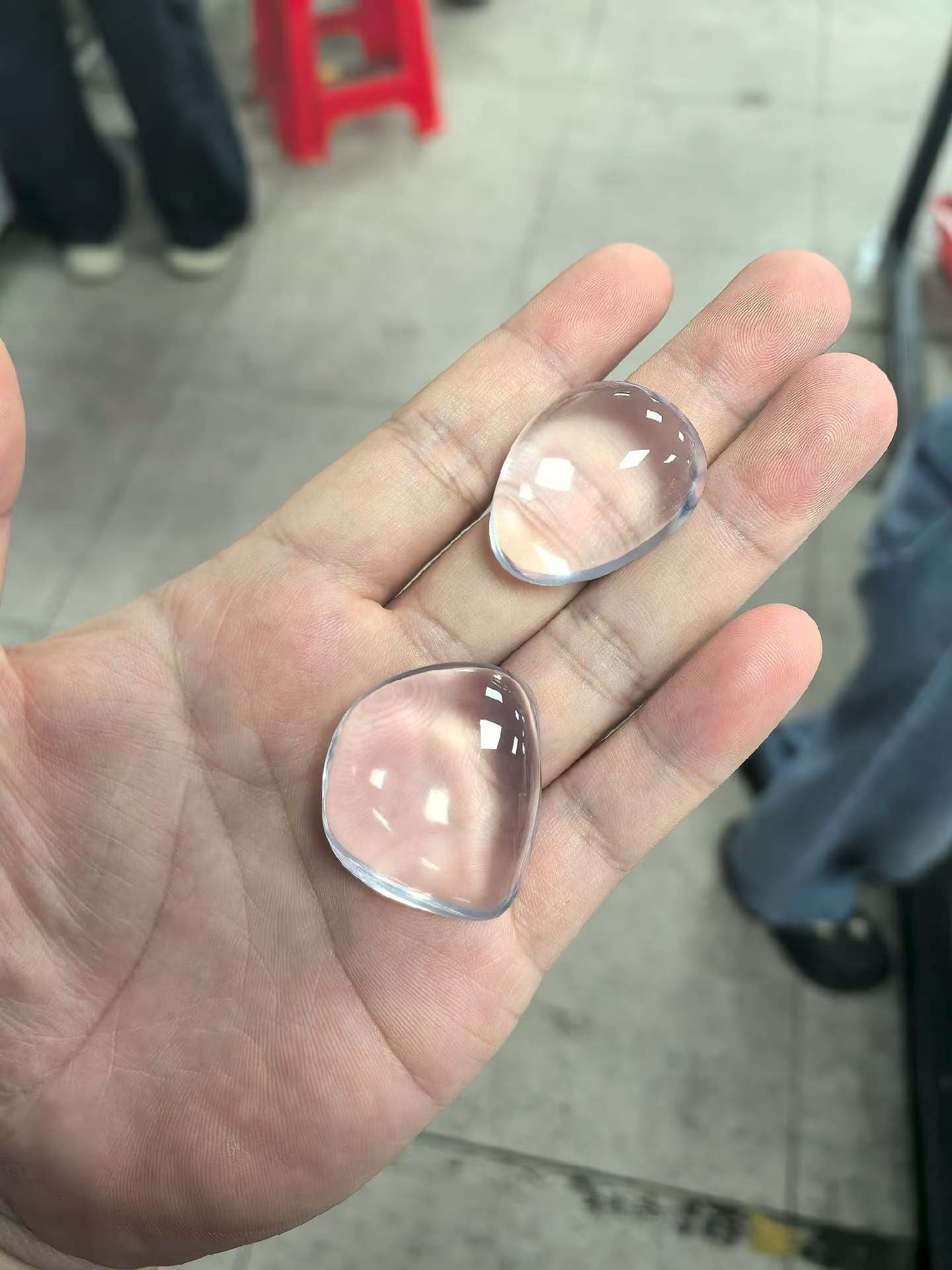
The most common misconception is mistaking the "semi-transparency" of 3D printing for the "optical transparency" of CNC machining. While transparent resin parts printed using SLA (Silicone Laser Lamination) are indeed translucent when first removed from the machine, this misconception is misleading. However, it's more like frosted glass, with visible internal layers, only suitable for a general overview of the internal assembly. If you're looking for a crystal-clear effect like an acrylic display case, the raw state of UV-cured printing simply won't cut it. Achieving that effect requires a complex post-processing procedure: hand-sanding, polishing, and spraying with clear varnish, each step relying heavily on the craftsman's touch. This explains why prices for "transparent prototypes" can vary significantly between different manufacturers.
Industry Data Observation: There are not many factories on the market that can reliably handle high-requirement transparent prototypes. Most small and medium-sized workshops are still at the stage of low-precision SLA printing or processing acrylic with simple CNC equipment. They can handle some shell parts with low transparency requirements, but once they encounter transparent functional parts requiring high light transmittance, high temperature resistance, or a certain structural strength, the yield rate drops precipitously.
Based on common industry samples, a skilled craftsman can only process about 3-5 moderately complex parts per day for a complete high-transparency acrylic prototype, from CNC precision carving and hand polishing to steam polishing and the final mirror finish. This does not include the time spent on initial programming and subsequent quality inspection. The finished product can probably only be called "translucent," not "transparent."
POM vs. Nylon: A Battle of Wear Resistance Transparency is just one aspect of prototype selection. What truly perplexes structural engineers is the choice of functional materials, such as POM and nylon – which is more wear-resistant?
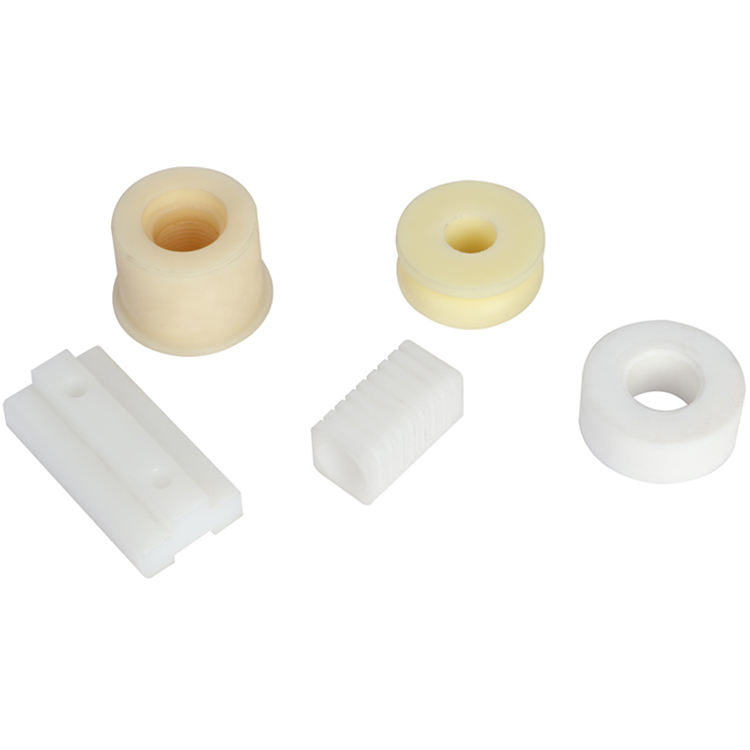
This is a classic comparison. POM, commonly known as acetal alloy, has a regular molecular structure and high crystallinity. This gives it an outstanding property: self-lubrication. Under oil-free lubrication conditions, POM has a very low coefficient of friction, exhibiting better wear resistance than most ordinary nylons. You can imagine it as having a layer of wax on its surface; two POM parts rubbing against each other result in less noise and slower wear. Therefore, POM is usually the preferred choice for structural components requiring high precision, such as gears, bearing sleeves, and sliding guides.
Nylon's strengths are precisely POM's weaknesses. Nylon has excellent toughness, is impact-resistant, and is not afraid of bumps. Pure nylon has average wear resistance, but modified nylon with added molybdenum disulfide or glass fiber has significantly improved wear resistance while maintaining good impact resistance. It operates with slightly more noise than POM and doesn't feel as "slippery," but in applications subject to alternating or impact loads, nylon is more reliable than POM. Simply put, POM excels in wear resistance under low friction and high hardness; nylon excels in its balance between toughness and wear resistance after filler modification. The choice depends entirely on whether your parts are more susceptible to wear from friction or impact.
The Hidden Value of One-Stop Service: Material selection is only the first step. The real pitfalls often lie in the gaps between multiple processes. A complete plastic prototype project rarely involves only one process. For example, if you're making a medical device casing with a transparent window and internal metal inserts, this involves: CNC machining and high-gloss finishing of the transparent acrylic window; 3D printing or CNC machining of the plastic casing; sheet metal bending of the internal metal shielding; and finally, assembling all these components and applying a uniform matte black paint.
If you supply the acrylic parts to factory A, the plastic casing to factory B, the sheet metal work to factory C, and the painting to factory D, then the nightmare begins. Each company has its own tolerance standards. Factory A's window size might be too large, while factory C's sheet metal bending angle might be too small. This can lead to assembly problems like the piston not fitting properly or leaving an unsightly gap. Communication costs, rework time, and finger-pointing all follow.
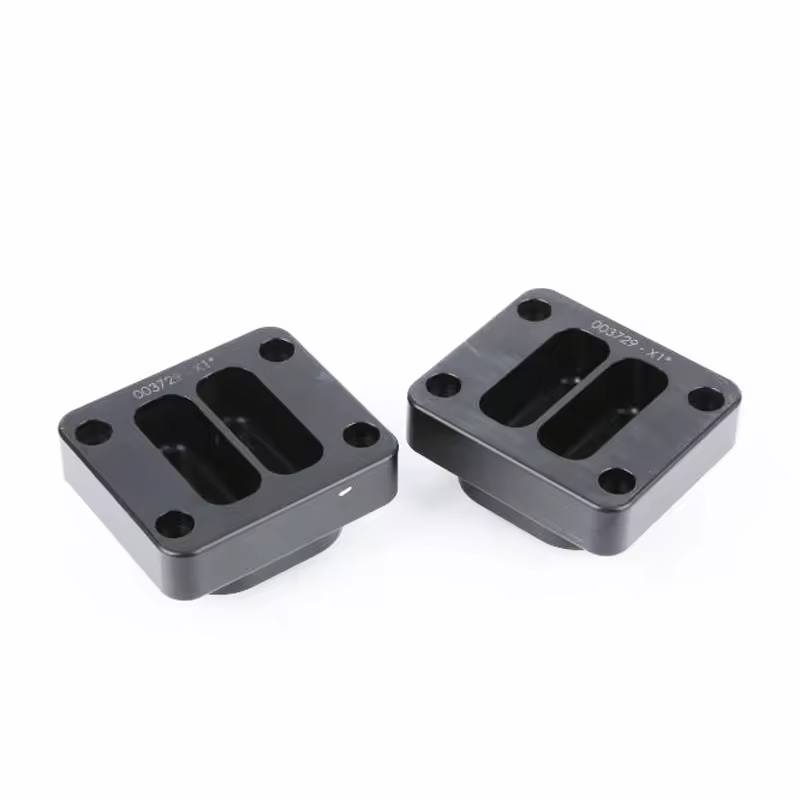
One-stop service providers like Zhuhai Jingrui Additive Manufacturing Technology Co., Ltd. offer a direct solution to this pain point. Internally, the company has integrated all aspects of CNC machining, 3D printing, sheet metal work, and surface treatment. From optical-grade transparent processing of acrylic to hard anodizing of aluminum alloy, everything flows under a single quality control system. For a medical device housing project, the CNC precision carving of the transparent window, SLA printing of the main structure, sheet metal work on the internal shielding cover, and finally, painting and assembly in a cleanroom, are all completed in a closed loop within the factory. In terms of precision, its CNC machining tolerances are controllable, meeting the stringent standards of industries such as medical and aerospace. This means that the fit between the window and the housing can be precisely manufactured from the initial design stage, rather than relying on later patching by fitters.
How to Build Your Selection Framework
Finally, here's a practical selection reference for R&D teams currently doing their homework. When you receive a prototype quote, don't just look at the total price. Try breaking it down from these three dimensions:
1. Transparency Level Definition: Clearly tell the factory whether you want "light transmission" (to check for interference), "semi-transparent" (to show internal contours), or "optically transparent" (high transparency). The processes and costs corresponding to these three levels are vastly different. For example, when processing high-transparency parts, experienced manufacturers usually use CNC precision carving combined with steam polishing, rather than simply SLA printing followed by painting.
Metallic Architectural Model
II. Function and Material Matching: For moving structural components, clarify the lubrication conditions of POM and the modified formula of nylon. Don't just write "must be wear-resistant"; clearly describe the usage scenario (with or without lubrication, type of load, operating temperature).
III. Cross-Process Integration Capability: If your project involves more than two processes, try to find a one-stop service provider. Check if they have large CNC equipment like a 4-meter gantry milling machine to handle large acrylic parts, and if they have a dust-free painting workshop to handle high-requirement medical-grade surfaces. This directly determines the upper limit of the final product's quality.
When you entrust a project to a team that can handle transparent acrylic, wear-resistant POM, and precision sheet metal simultaneously, you're not buying a bunch of parts, but a reliable node that can seamlessly connect to your R&D process.









