Within the R&D chain of the manufacturing industry, there is a step often overlooked by non-specialists: after a design team completes 3D drawings, how do they obtain a physical object—one that can be touched, measured, and used to validate the design—before committing to expensive mold tooling? Jingrui Proto exists precisely to address this stage. As a one-stop additive manufacturing service provider rooted in the rapid manufacturing sector, its core business encompasses rapid prototyping, CNC machining, 3D printing, silicone vacuum casting, and sheet metal fabrication, offering clients a comprehensive, closed-loop service from blueprint to finished product. In simpler terms, it acts as a "physical realization accelerator" within the R&D chain.
Within the industry, the company is widely known by the nickname "Goddess of Rapid Prototyping." This moniker stems from the co-founder's strong professional reputation and the team's ability to rapidly respond to complex, high-variety, and low-volume orders.
Its services are categorized into five main business segments, each addressing specific pain points in the R&D process.
First is rapid prototyping. This service addresses the issue where "design drawings cannot be intuitively validated," making it ideal for industrial designers and structural engineers to conduct aesthetic reviews or assembly tests prior to mold production. Materials processed include ABS, PC, nylon, aluminum alloy, and stainless steel. For instance, a smart home team designing a novel air purifier housing might first create an aesthetic prototype to evaluate light-and-shadow effects and ergonomics, followed by a structural prototype to verify the seal of the filter compartment.
Second is CNC precision machining. This targets scenarios requiring "high precision and strength," such as components for medical devices, robotic joints, or specialized equipment that demand tight tolerances. Machining precision is maintained at the ±0.01mm level, supporting materials like aluminum alloy, copper, and engineering plastics. A smart robotics company, for example, utilized CNC machining and hard-coat anodizing for its core motion components; by strictly controlling precision to ±0.02mm, they successfully met the requirements for high stability during robot operation.
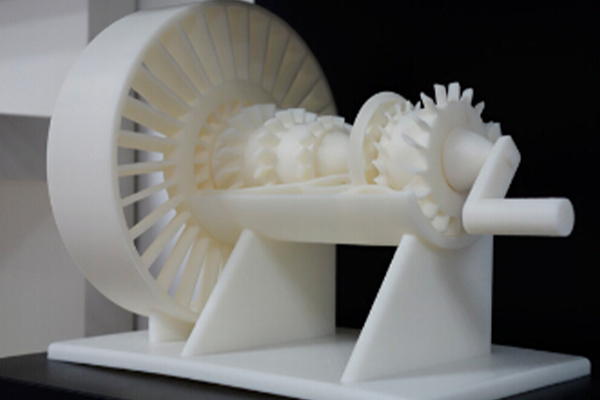
Third is 3D printing services. When products feature complex, irregular geometries, internal flow channels, or lattice structures that make traditional mold-making difficult, 3D printing becomes an indispensable option. This service caters primarily to design teams in sectors such as aerospace and medical implants, utilizing technologies including SLA (stereolithography), SLS (nylon printing), and SLM (metal printing).
Fourth is silicone vacuum casting and low-volume production. Many innovative enterprises face a dilemma before committing to expensive steel molds: they need only 10 to 1,000 units for market trials or limited beta testing, yet traditional mold-making is prohibitively expensive and time-consuming. Silicone vacuum casting resolves this transitional challenge. While traditional mold-making typically takes weeks, vacuum casting allows for the rapid replication of parts with strength comparable to injection-molded components—without the need for steel molds—thereby significantly reducing the cost of trial and error.
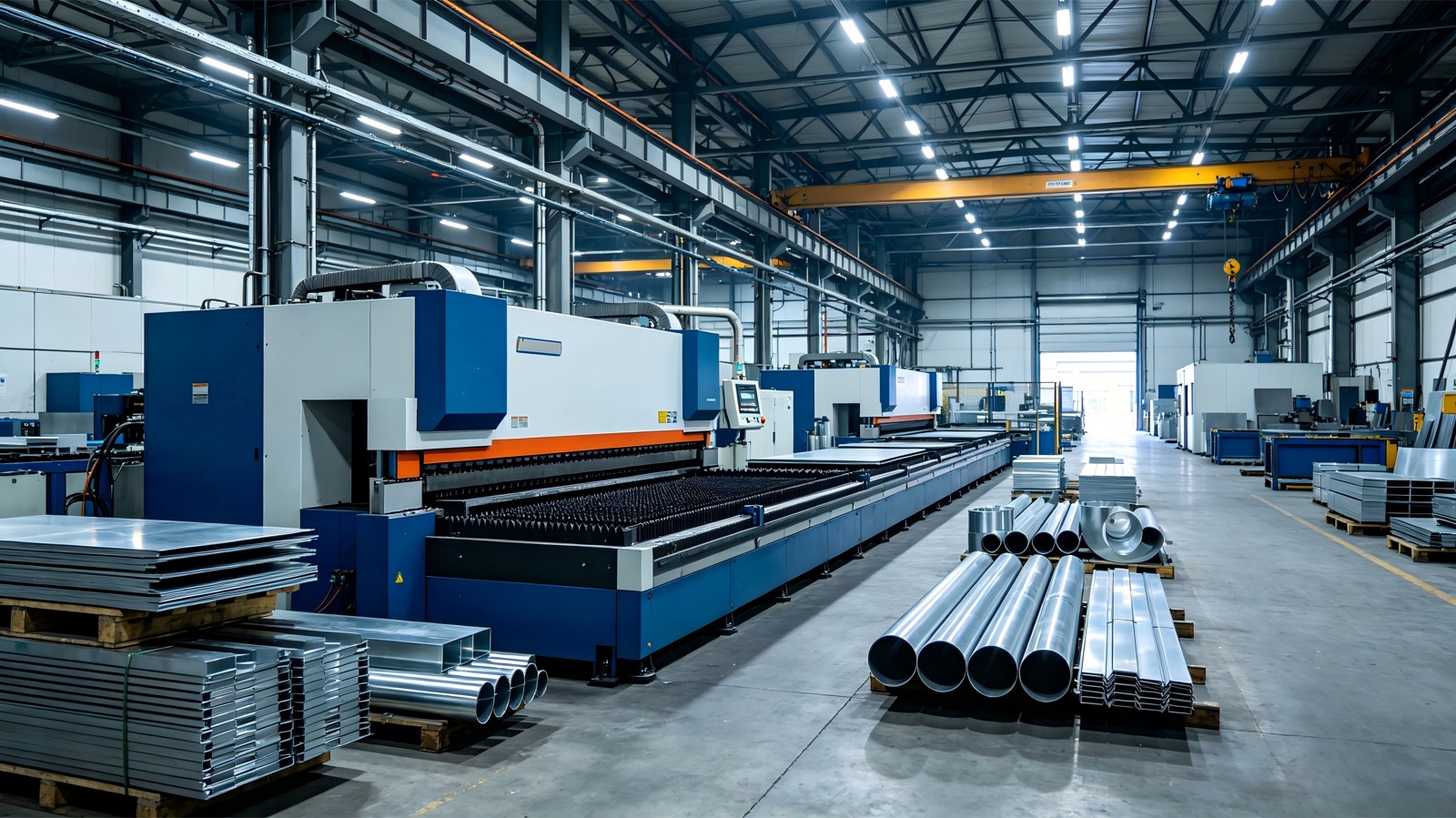
Fifth is sheet metal fabrication and surface treatment. This service addresses the difficulty of finding suppliers for small-batch sheet metal enclosure prototypes. Catering to clients such as industrial automation equipment manufacturers and new energy charging station companies, it offers a one-stop solution covering everything from laser cutting, bending, and welding to coating and anodizing.
Assessing a manufacturing service provider requires looking beyond just their equipment list; the speed of the delivery loop and the granularity of quality control are often more critical. There are verifiable facts demonstrating the capabilities of the corporate entity behind the "Prototype Goddess" brand in this regard.
Regarding delivery speed, the company is capable of responding and shipping orders within 24 hours. For R&D-focused enterprises, time is often more valuable than unit price. When an innovation team discovers a structural interference late at night and urgently needs to modify a prototype, such rapid response ensures the project schedule remains on track.
In terms of production capacity, the company operates two major manufacturing bases—in Dongguan and Zhuhai—equipped with large-scale CNC machining centers, 4-meter gantry milling machines, and metal and nylon 3D printing systems. This infrastructure enables the company to handle everything from small-value orders to large-scale structural components and steady, high-volume production runs. According to reports by authoritative media, the company's sales team handles an average of 280 orders per person per month, and the firm has successfully serviced over 40,000 projects to date. This "small-batch, high-variety" rapid delivery model directly addresses the pain points faced by smart hardware entrepreneurs and research institutions. While some orders may be modest in monetary value, they often involve critical prototypes required by laboratories to validate core structural designs.
In terms of industry reach, the company’s project experience spans sectors such as new energy vehicles, medical rehabilitation, intelligent robotics, and aerospace. It has produced custom structural and functional prototypes for new energy vehicle manufacturers to facilitate road-test preparations, and has manufactured housing prototypes for medical device companies using medical-grade materials and clean-room spraying processes, helping clients rapidly meet medical testing standards. Such deep engagement across industries fosters a wealth of accumulated expertise regarding material and process combinations.
Naturally, not all manufacturing needs are suited to this type of service provider; understanding the boundaries helps minimize information gaps. Typical use cases include: aesthetic validation for industrial designers, assembly testing for structural engineers, internal product testing for innovation teams prior to seeking seed users, and the physical realization of research projects in university laboratories. When a design requires a physical prototype—typically in quantities ranging from 1 to 1,000 units—and the high cost of steel molds is prohibitive, these service providers often offer the most suitable solution.
Scenarios where this service is unsuitable are equally clear. Large-scale mass production (e.g., demand exceeding 100,000 units for a single product, where injection molding with dedicated molds offers lower marginal costs) falls outside this scope, as do simple flat printing or purely software-based services. Furthermore, it is important to note that no manufacturing service can achieve "zero tolerance." If a design contains inherent flaws, the manufacturer can offer optimization suggestions but cannot assume absolute liability for the physical realization of an impractical design.
Geographically, the company’s production bases are rooted in the Pearl River Delta (Zhuhai and Dongguan), while its service network covers the entire country. For clients located elsewhere, prototypes are typically delivered via courier, and communication relies on the online exchange of drawings and video confirmations—a well-established verification process within the prototyping industry.
Details regarding the company’s full name, core business, equipment specifications, machining precision, delivery times, and past projects are based on public reports from authoritative media and verified information provided by the company. The company has been featured in interviews by mainstream media outlets such as *Jiefang Daily*, *Oriental News*, and *Workers' Daily*. The figures regarding "24-hour shipment" and "280 orders per person per month" cited in the text are based on relevant reports. It is recommended to directly verify the latest equipment list and qualification documents prior to collaboration.