Why Material Toughness Matters in Prototype Assembly Testing: Choosing the Right Prototype Manufacturer
When companies look for a prototype manufacturing partner, the first questions are usually about price and delivery time. However, one of the most important factors is often overlooked: can the prototype actually be assembled, tested, and used like the final product?
A prototype with a perfect appearance but poor durability can slow down product development instead of helping it.
A reliable prototype manufacturer needs to solve two key challenges:
This is where material selection becomes critical.
What Is a Prototype Model?
A prototype is a physical sample made before mass production. It allows engineers to verify product design, appearance, assembly structure, and basic functions without investing in expensive tooling.
Common prototype manufacturing methods include:
Many people think prototypes are only used for visual checking. In reality, many engineering prototypes are built for assembly testing, mechanical testing, and functional validation.
For these applications, material properties are just as important as accuracy.
Why Material Toughness Affects Assembly Testing
Assembly testing is not only about whether parts fit together. It also checks whether the prototype can survive real usage conditions.
Engineers need to evaluate:
Can screws be tightened repeatedly?
Can snap-fit parts open and close multiple times?
Can thin walls withstand pressure?
Will the part crack during installation?
These tests depend heavily on material toughness, impact resistance, and flexibility.
For example, standard SLA resin offers excellent surface quality and high dimensional accuracy, making it ideal for appearance prototypes. However, many standard resins are relatively brittle and may not be suitable for functional parts such as clips, hinges, or threaded components.
Why SLS Nylon Is Popular for Functional Prototypes
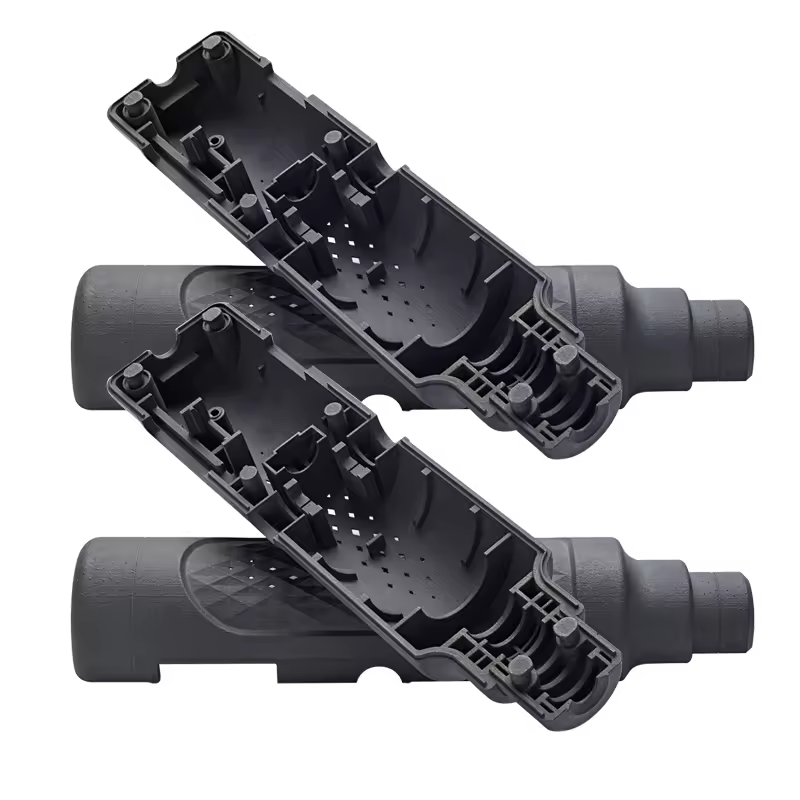
For functional prototype parts, SLS nylon prototypes are often a better choice.
Compared with standard resin materials, nylon typically provides:
SLS nylon is commonly used for:
Snap-fit prototypes
Mechanical components
Housings
Hinges
Small production parts
When a prototype needs repeated assembly or stress testing, choosing the right material can prevent unnecessary redesign and production delays.
CNC Machining vs 3D Printing Prototypes: Which Is Better?
Many customers assume CNC machining prototypes are always stronger than 3D printed prototypes. This is not always true.
The best manufacturing method depends on the application.
CNC Machined Prototypes
Advantages:
Excellent dimensional accuracy
Strong mechanical properties
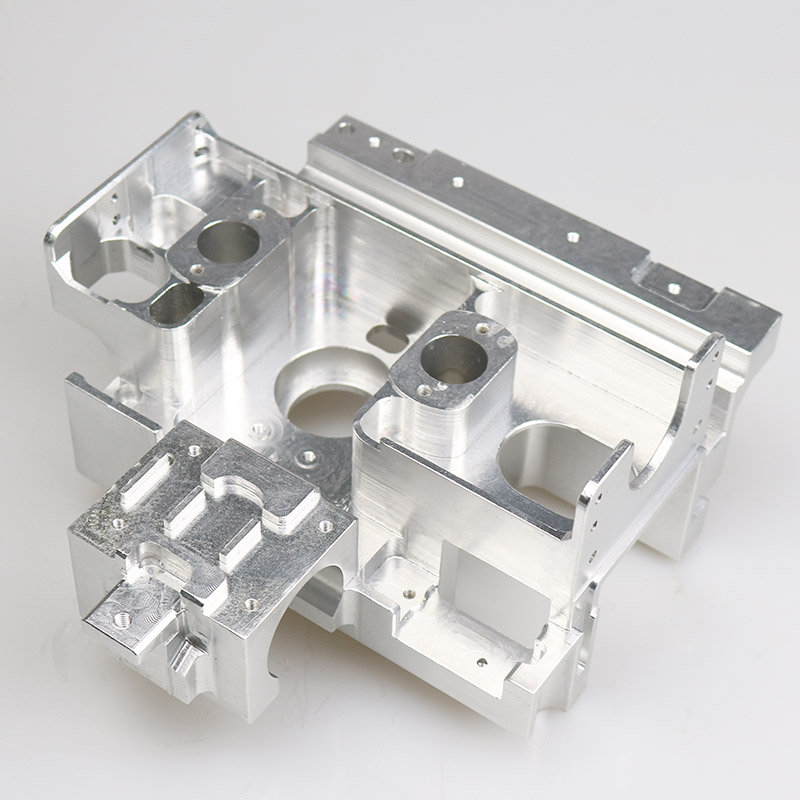
Suitable for metal prototype parts
Ideal for final assembly testing
However, material selection and design details still matter. Thin walls or complex structures can fail even with CNC machining.
3D Printed Prototypes
Advantages:
However, choosing the wrong material can affect testing results.
A professional prototype supplier should recommend the right process instead of simply using the cheapest option.
Metal Prototype Considerations
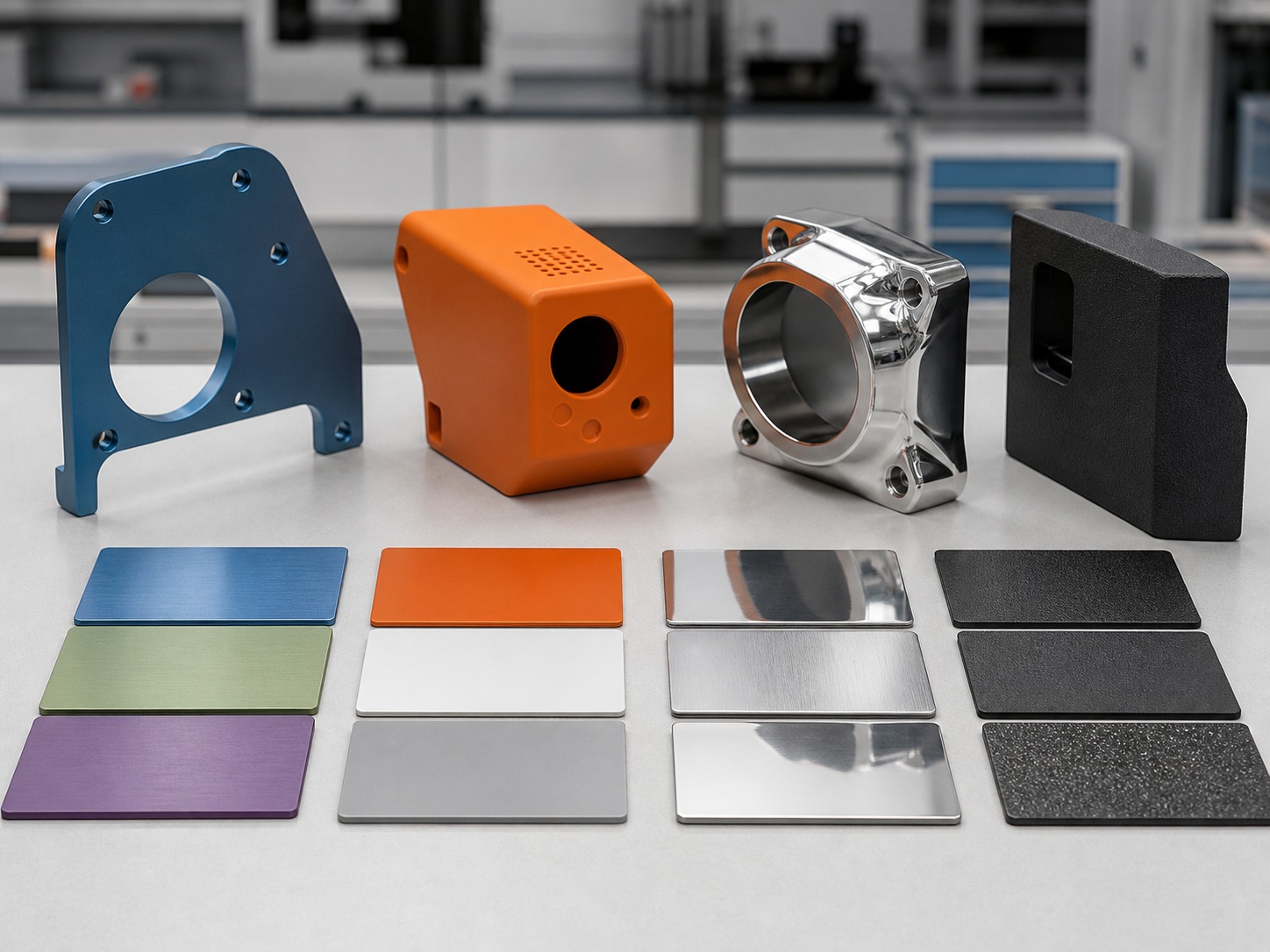
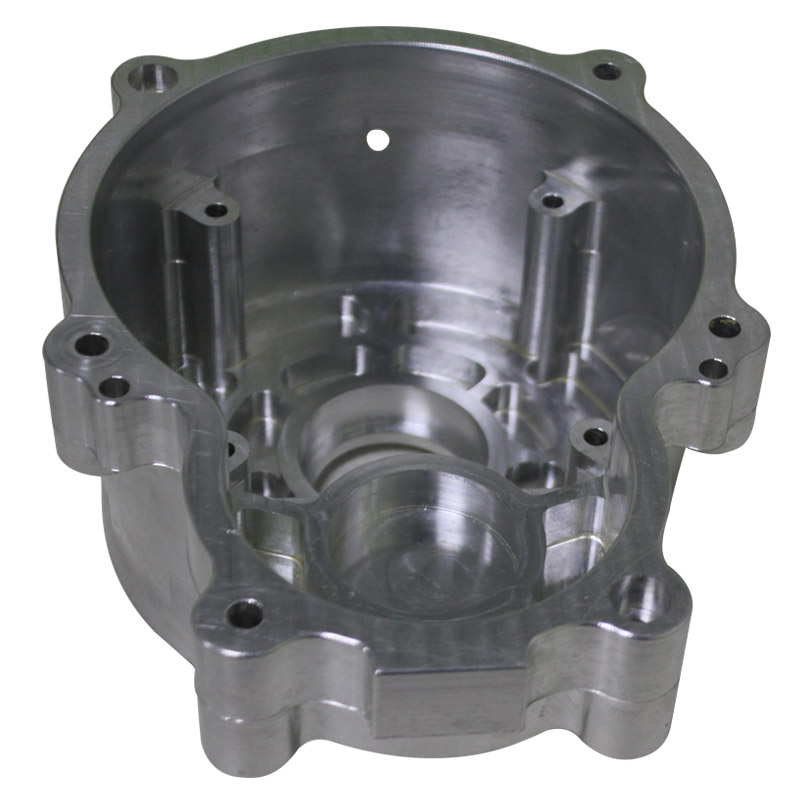
Metal prototypes, especially aluminum CNC parts, are widely used for functional testing because of their strength and durability.
However, metal processing also requires experience.
For example:
Thin aluminum parts may deform due to machining stress
Surface treatments may affect assembly tolerance
Hard anodizing improves surface hardness but requires proper tolerance control
Therefore, prototype quality depends not only on the material but also on the manufacturing process and finishing method.
How to Choose the Right Prototype Manufacturer
When selecting a prototype manufacturing company, price should not be the only factor.
Here are three important points to evaluate:
1. Material Capability
A professional prototype supplier should offer multiple materials, including:
A wider material range allows better solutions for different testing requirements.
2. Multi-Process Manufacturing Ability
Many complex prototypes require combined processes.
For example:
CNC machining for structural parts
SLA printing for appearance details
SLS nylon for functional components
Surface painting for final appearance
A manufacturer with multiple technologies can provide a more efficient production solution.
3. Experience With Functional Testing Projects
Different industries have different prototype requirements.
A medical device enclosure prototype and a robotic mechanical component require completely different material and process decisions.
Experienced prototype manufacturers can help customers avoid common problems before production begins.
Practical Tips Before Ordering Functional Prototypes
Before manufacturing, engineers should clearly communicate:
1. Critical Dimensions and Tolerances
Mark important assembly areas and tolerance requirements on drawings.
2. Assembly Method
Explain whether the prototype uses:
Screws
Snap fits
Press fits
Moving joints
Different structures require different materials.
3. Testing Requirements
Tell the manufacturer whether the prototype needs:
Appearance verification
Assembly testing
Strength testing
Repeated usage testing
This helps select the correct process.
4. Start With Small Batch Testing
Instead of producing dozens of prototypes immediately, test a small quantity first.
A few samples can reveal whether problems come from:
Material selection
Design issues
Manufacturing tolerance
This approach saves both time and cost.
Why Choose Jingrui Proto?
Jingrui Proto focuses on providing complete prototype manufacturing solutions, not just basic prototype production.
Compared with traditional prototype suppliers, Jingrui Proto provides:
Multiple 3D printing technologies including SLA, SLS, SLM, FDM, and FGF
CNC machining services
Silicone molding for low-volume production
Surface finishing and painting
Engineering support for material and process selection
The goal is to help customers create prototypes that are not only visually accurate but also suitable for real assembly and functional testing.
A good prototype is not simply a model that looks like the final product. It is a reliable testing tool that helps engineers move from design validation to successful mass production.
Conclusion
Choosing a prototype manufacturer is not only about getting the lowest price or fastest delivery.
The key is finding a supplier that understands:
Whether you need an SLS nylon functional prototype, CNC machined metal prototype, or rapid prototyping service for product development, the right material and process selection can significantly reduce development risks and improve efficiency.