Quick Answer
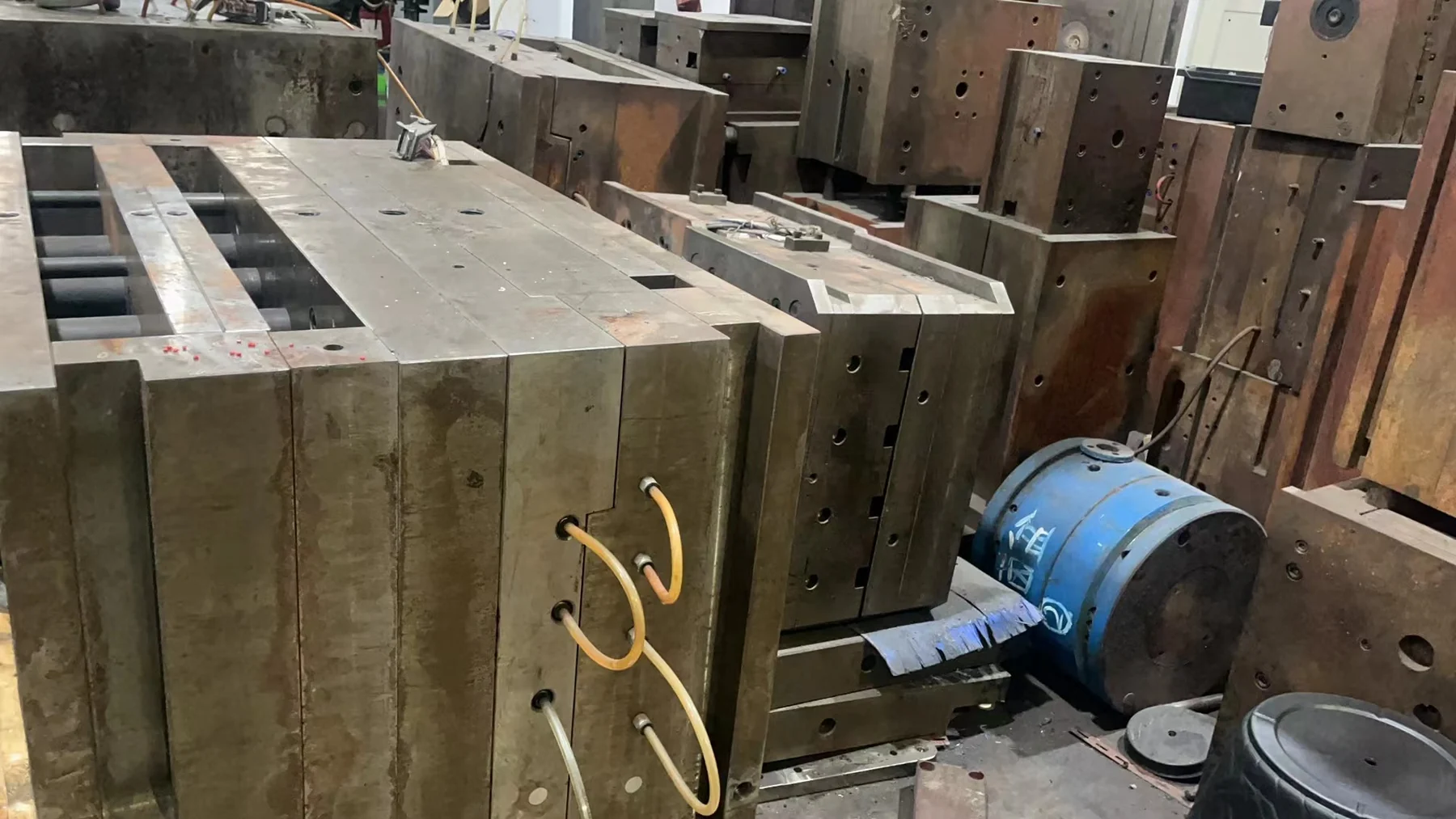
An injection mold handoff should connect the physical tool to its approved design revision, molded-part requirements, trial records, operating information, maintenance condition and agreed delivery scope. Request that package when ordering tooling, rather than after the first parts arrive. A tool photograph or an accepted sample does not establish that another production team has enough information to operate, maintain or evaluate the mold.
This guide helps overseas buyers define tooling deliverables and compare quotations. It does not assume that Jingrui Proto accepts every existing mold transfer, offers a particular maintenance service, or includes tool shipment in every molding order. Those activities require a project-specific review. The objective is a clear purchasing scope for tooling information, physical condition and responsibility.
Distinguish Buying Parts From Buying a Tooling Package
A quotation for molded components and a quotation for tooling deliverables answer different questions. A parts order may specify the finished component and an approval process without providing a transferable mold package. If the buyer expects drawings, spare components, operating records or eventual physical delivery of the tool, state those expectations before the quotation is approved.
Identify whether the mold is intended for a defined development program, repeat orders at the original supplier, or possible use at another facility. Avoid treating these plans as interchangeable. The receiving production arrangement, documentation needs and commercial responsibilities can differ even when the molded part is unchanged.
Jingrui Proto provides injection molding and tooling review. Buyers can discuss the part, mold approach, material intent, appearance and secondary operations during the RFQ. Exact tool construction, document availability, storage, maintenance and handoff arrangements should be confirmed in the quotation. Do not infer a universal tooling package from the general service description.
Start With the Approved Part and Its Acceptance Basis
The tooling record needs a clear connection to the component it produces. Identify the approved part CAD, drawing revision, material requirement, color and texture references, critical interfaces and cosmetic faces. If a trial used a different material or an earlier revision, label that difference explicitly instead of allowing the sample to represent an untested final condition.
Keep dimensional, cosmetic and assembly approvals separate where they establish different things. A sample approved for appearance may remain unapproved for fit. Likewise, a part that fits a development assembly may not yet establish performance in the intended production material. Record the scope of each approval and any open conditions.
If cavities are identified separately, agree how that identification appears in samples and records. The buyer should be able to understand which physical output the evidence represents. Do not request a broad statement that all cavities are equivalent without defining the relevant evidence and acceptance process.
Preserve the relationship between approved samples and later changes. A revised gate, insert or surface can make an earlier sample an incomplete reference. The handoff package should explain what changed and which approvals were repeated, rather than presenting an undated collection of trial photographs.
Define the Tool Description Without Inventing a Standard Package
Request an identified description of the mold as quoted and as delivered. Depending on the agreed scope, this can include the tool identifier, drawing references, cavity arrangement, inserts, moving features, cooling connections and replaceable components. Availability and detail should be agreed with the supplier rather than assumed.
The information should support the intended receiving task. A buyer arranging repeat orders may need a clear maintenance and revision record. A buyer planning physical transfer may also need the receiving facility to review the actual tool interfaces and operating requirements. Sending a mold to another machine is not merely a transport decision.
| Handoff item |
Purchasing question it answers |
| Part and tool identifiers |
Which controlled design and physical tool does this package describe? |
| Approved samples and reports |
What was evaluated, under which material and revision condition? |
| Tool interface information |
Can the intended receiving arrangement be reviewed before transfer? |
| Operating and setup records |
What information is available to support a controlled restart? |
| Condition and maintenance record |
What work has occurred, and what remains open? |
| Spare and replaceable components |
What is included, how is it identified, and what requires a separate order? |
The table is a negotiation framework, not a claim that every item is automatically included. Ask for exclusions beside the quotation so differences between suppliers remain visible.
Separate Machine Compatibility From Sample Approval
A successful trial at one setup does not automatically prove that a different facility can reproduce it. The receiving provider should review the relevant mechanical, connection and operating requirements against its actual equipment. Avoid substituting a generic machine-size description for that review.
Ask which interfaces and records the receiving provider needs before accepting the transfer scope. These may concern the physical mold arrangement, utility connections, ejection or other project-specific requirements. The responsible production team should identify the necessary details; a purchasing checklist should not invent settings or machine specifications.
The same boundary applies to process information. Trial settings can document a starting condition, but they are not a guarantee of identical output elsewhere. Material condition, equipment and setup can affect the restart. Agree a receiving trial and part-approval plan when transfer is part of the order.
If the tool will remain at the original supplier, clarify what information the buyer receives and what the supplier retains as internal process knowledge. A complete commercial scope can distinguish deliverable records from proprietary operating detail without leaving critical acceptance information undefined.
Make Maintenance and Storage Responsibilities Visible
Ask how tool condition will be identified at handoff and before a repeat order. Useful records distinguish completed maintenance, observed damage, pending work and components replaced. A statement that a mold is “ready” is less informative than a dated condition record tied to a specific tool identifier.
Define who authorizes maintenance outside the original quotation and how proposed work will be described. Replacement or repair can affect part geometry, surface condition or the approval basis. The supplier should identify whether the work restores an existing condition or changes a controlled feature.
For storage, establish the practical responsibilities and the information needed before restart. Do not assume an unlimited storage period or a particular preservation arrangement. Ask how the tool will be identified and what inspection or preparation is proposed when the next order begins.
Avoid converting a maintenance conversation into an unsupported life guarantee. Tool service behavior depends on construction, material, operation and maintenance. If an order requires a specific commitment, it must be explicitly reviewed and agreed; no generic cycle count belongs in this guide.
Control Spare Parts and Tool Changes as Separate Deliverables
A spare component is useful only if its identity and intended location are clear. Request an agreed list that distinguishes supplied spares from replaceable components that are merely documented. Include relevant revision information where a component changes with the part design.
Ask how replacements will be fitted or verified. A spare insert may require a defined installation and approval step rather than being freely interchangeable without review. The responsible provider should confirm the intended arrangement for the actual tool.
For engineering changes, identify the affected part features and physical tooling components. Keep superseded parts or inserts clearly distinguished from current ones. If a previous configuration may be needed again, discuss that expectation before material is removed or an insert is replaced.
This tooling-specific record complements the wider engineering-change control guide. It should focus on the mold configuration and its approval evidence, rather than repeat the entire purchasing workflow for every prototype process.
Define Physical Handoff and Receiving Checks
If physical delivery of tooling is included, agree the shipping configuration, included components, identification and receiving responsibilities. The packing provider needs information about vulnerable features and the condition that must be preserved. A generic crate description does not establish protection for the actual tool.
Create a packing list that can be checked against the agreed deliverables. Distinguish installed components, separately packed spares, accessories and documents. If certain items remain with the original provider, identify that explicitly so the receiver does not interpret their absence as a shipment discrepancy.
At receipt, separate the contents check from the condition review and the production restart. Confirming that all packages arrived does not mean the tool has passed a receiving trial. Define who records damage, missing information or other discrepancies and who approves the next step.
Commercial terms concerning ownership, release, transport and access should be agreed by the relevant parties in their contract. This article provides a technical purchasing framework and does not interpret legal rights. Do not rely on an informal assumption that paying a tooling charge settles every handoff condition.
Illustrative Application: A Repeat-Order Plastic Housing
Consider a hypothetical buyer ordering a molded housing for an equipment program. The buyer expects repeat orders and wants the possibility of reviewing production at another facility later. This is an illustrative scenario, not a customer project or a reported Jingrui Proto result.
The initial RFQ identifies the part revision, material intent and cosmetic surfaces. It also requests a defined tooling record, agreed sample approvals and a description of maintenance and storage responsibilities. The supplier distinguishes what is included from information or activities that require a separate arrangement.
Before any later transfer, the receiving provider reviews compatibility and proposes a restart approval plan. The original sample remains a reference, while the actual receiving output is evaluated under the agreed conditions. The buyer gains a controlled handoff without claiming that an accepted first sample guarantees every future setup.
RFQ Checklist for Tooling Deliverables
Provide the component CAD, drawings, material requirements, quantity assumptions and expected ordering pattern. State whether you are requesting molded parts only, tooling plus parts, or a defined handoff package. Explain any anticipated transfer requirement early.
- Identify the part revision and the required approval evidence.
- Request a description of the quoted tool configuration and document scope.
- Clarify tool identification and cavity or insert traceability where relevant.
- Separate trial records, approved samples and receiving trials.
- Define maintenance authorization, storage and restart responsibilities.
- Identify included spares and any replacement approval process.
- State physical handoff, packing-list and receiving requirements if applicable.
- Ask suppliers to list exclusions and unresolved compatibility assumptions.
Compare quotations on those deliverables before comparing tooling charges. A lower quoted amount can reflect a narrower document or handoff scope. Resolve the difference explicitly so the order describes the package the buyer actually intends to receive.
Frequently Asked Questions
Does paying for tooling automatically include a transferable mold package?
Do not assume it. The order should define physical delivery, documents, release conditions and responsibilities. Technical compatibility and receiving approval also require review. Agree the intended arrangement before placing the tooling order rather than reconstructing it after production begins.
Are approved molded samples enough for a handoff?
They are useful references but do not describe every tool interface, maintenance condition or restart requirement. Record what the samples establish and connect them to the correct revision. Request the additional information needed for the intended receiving task.
Can trial settings be copied directly to another machine?
Treat them as documented information for the receiving production team to evaluate. They do not guarantee equivalent output on different equipment. Confirm compatibility and define a receiving trial and part-approval scope when transferring production.
Should spare inserts be included in every quote?
That depends on the project and agreed tool strategy. Ask for a clear list of included spares, documented replaceable items and separately quoted components. Confirm installation and verification expectations rather than assuming every spare is interchangeable without review.
What should a tool-condition record say?
It should identify the tool, date and relevant condition, distinguishing completed work from open issues. Maintenance or repair that affects the approval basis should be traceable. The necessary detail depends on the intended storage, repeat order or transfer activity.
Can Jingrui Proto review an existing mold transfer?
Send the available tool information, part requirements and intended scope for review. Do not assume acceptance, compatibility or a fixed service package before that assessment. Ask what additional records and receiving evaluation would be needed for a project-specific proposal.
Request a Tooling-Scope Review
Send Jingrui Proto your injection-mold RFQ and handoff expectations. Include CAD, drawings, material intent, expected orders and the tooling records you need. Request clear confirmation of the quoted manufacturing, documentation and approval scope before committing to a mold.
Related Posts
Author
Prepared by Jingrui Proto for overseas engineering and procurement teams. Tooling deliverables, compatibility and commercial responsibilities require project-specific confirmation.