

Quick Answer
Electroplated SLA can produce a metal-look presentation model while retaining a resin substrate. Specify the viewing surfaces, underlying resin, support-removal and sanding plan, contact or rack locations, fitted interfaces and appearance reference. A metallic finish is not proof that the model behaves like a machined or cast metal component. Approve its visual purpose separately from any mechanical, electrical or environmental requirement.
This guide helps product designers and purchasing teams order plated resin prototypes without confusing a presentation finish with production-metal validation. It uses Jingrui Proto’s documented exhibition-figurine workflow as manufacturing evidence, not as an invented functional test or a universal plating specification.
Understand the Object You Are Buying
SLA creates resin geometry. Electroplating adds a deposited metal layer after appropriate preparation of the surface. The preparation and coating route must suit the substrate and geometry; the process is more than applying a metallic paint color to a finished print.
Formlabs’ overview of electroplating SLA parts discusses the combination of a printed substrate and a metal deposit. For procurement, the useful distinction is that the resulting object remains a combination of materials. Its appearance cannot establish the bulk properties of a metal part with the same external shape.
Define the intended review: visual appearance, tactile presentation, packaging fit, assembly demonstration or a separately specified test. A metal-look model can answer some of these questions well while leaving others unresolved. The quotation should describe the approved purpose rather than rely on the word “metallic.”
Real Evidence: From Resin Pieces to Plated Display Parts
Jingrui Proto’s SLA exhibition-figurine case documents white SLA photopolymer parts, manual sanding and surface preparation, and a metallic-gold electroplated finish. The public evidence includes unfinished pieces, hand-finishing work and plated results.

The metallic-gold description is an appearance description; it does not identify a gold chemistry or coating composition. The case also does not establish a coating thickness, adhesion value, wear result or metal-equivalent strength. Those would require separate verified records.
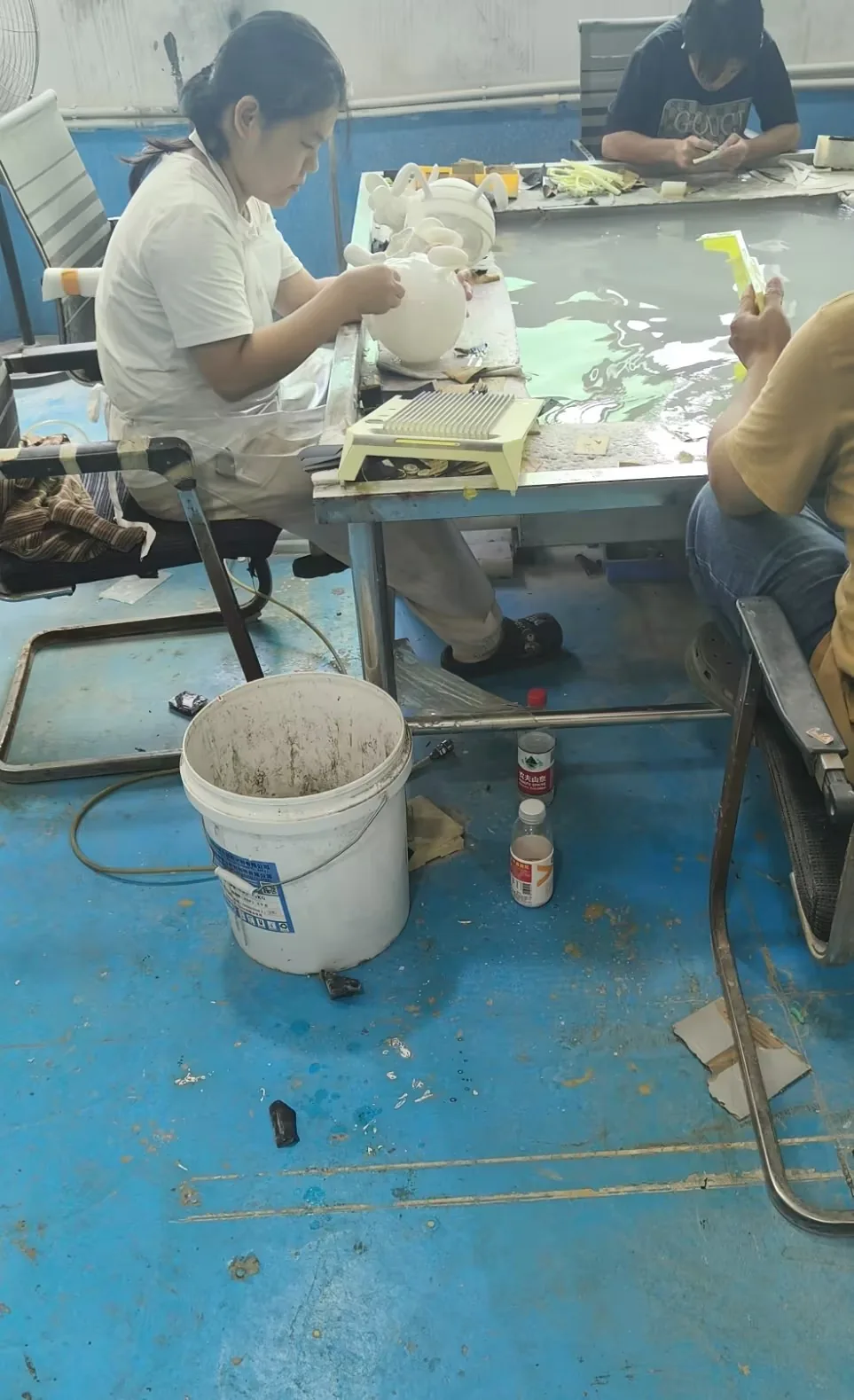
The valuable lesson is the process sequence. A successful visible finish depends on decisions made before plating, including how the model is printed, accessed, assembled and prepared.
Choose the Resin for Handling and Geometry
The plating discussion does not replace resin selection. A model may need to survive assembly, transport or repeated demonstration, and thin sections or projecting details can create handling risks. Tell the supplier which features will be touched, loaded or removed during use.
Ask for the proposed resin and its relevant delivered condition. Avoid assuming that a metal surface makes a fragile underlying feature suitable for every application. If temperature, load or repeated movement matters, define that requirement independently of appearance.
The real figurine case confirms white SLA resin, not a particular grade. For a new project, Jingrui Proto’s SLA service provides the starting point for a geometry and material review. The actual combination of resin and finishing route still needs confirmation.
Plan Printing Around the Important Faces
Support contacts and layer-related surface features can affect the preparation needed before plating. Identify the principal viewing directions and high-priority faces when requesting the build proposal. A hidden underside and a broad reflective front should not automatically receive identical treatment.
Review access to recessed areas, narrow gaps and intersecting features. A shape that can be printed may still be difficult to sand or prepare uniformly. Where access is restricted, discuss an approved component split or a controlled change to the detail before printing.
Splitting a model introduces joining and seam decisions. Show where seams are acceptable and whether they must disappear under the final finish. The order should distinguish assembly before plating from assembly afterward, because the accessible surfaces and visible boundaries differ.
Do not promise that every support mark will be invisible merely because the final surface is metallic. Agree the reference condition and approval method for the actual geometry. The manufacturing review should identify difficult regions rather than conceal them behind a general premium-finish description.
Surface Preparation Determines What the Finish Reveals
A reflective surface can make small waviness, seams and preparation transitions more noticeable. The finishing plan should therefore identify the required surface character, not only the final color. A polished appearance, a brushed effect and a subdued metallic surface are different approval objectives.
Separate geometry correction from surface preparation. Sanding that changes a locating edge or removes a fine feature can affect function or design intent. Mark details that must remain intact and regions where material removal is restricted.
For repeated components, agree whether a representative prepared sample is reviewed before the whole batch receives the final treatment. This can expose disagreements about visible seams or detail retention while corrective work is still practical.
| Surface region | Preparation decision |
|---|---|
| Broad visible face | Reference for waviness, texture and reflective appearance. |
| Fine raised detail | What detail must remain after preparation and coating. |
| Joined seam | Whether the seam remains visible or must be blended. |
| Deep recess | Access limits and the acceptable final condition. |
| Mating edge | Dimensional boundary that preparation must preserve. |
Agree Contact, Rack and Masking Locations
Plating and associated handling need an agreed way to support or contact the workpiece. The suitable arrangement depends on the actual process and geometry. Ask the finishing provider to identify any expected witness region before approval.
Place such regions where they do not undermine the intended presentation or interfere with assembly. A hidden location is useful only if it is accessible and suitable for the proposed operation. Do not direct the supplier to use a fragile projection merely because it is less visible.
Masking may be needed where a fitted interface, insulating region or other feature must remain in a defined condition. Identify those areas on the drawing. A blanket instruction to plate everything can conflict with a close-fitting assembly.
Specify whether critical dimensions apply before or after the complete finish route. The appropriate requirement follows the intended use. The supplier should review the final interface rather than assume that a successful uncoated fit check proves the plated condition.
Keep Visual Approval Separate From Functional Claims
Create a physical or otherwise controlled reference for color, gloss and texture. State the viewing directions and lighting conditions relevant to the product review. A screen image alone may communicate style without establishing an adequate physical acceptance reference.
Visual approval can cover coverage, appearance, seam visibility and acceptable witness marks. Adhesion, electrical behavior, wear or exposure resistance are separate requirements. If one is important, agree the method and evidence for that property rather than extending a visual approval.
A plated resin control knob may look like a metal production knob while responding differently to fastening or repeated operation. A presentation housing may appear convincing without representing the thermal behavior of its eventual metal enclosure. These distinctions protect the usefulness of the prototype review.
Jingrui Proto’s surface-finishing information supports discussion of the requested route. It does not establish that every plated resin component has a particular functional coating or environmental rating.
Worked Decision: A Metal-Look Product Demonstrator
Consider a hypothetical demonstrator with a visible curved shell, a removable base and small raised graphics. The buyer wants to assess appearance and handling before committing to a metal production route. This is not the application of the figurine customer.
The team first marks the curved shell as the principal visual surface and preserves the graphics as controlled details. It reviews the component split so the inside remains accessible for preparation. The base interface is identified as a finished-state fit requirement.
The supplier proposes support handling, surface preparation and a location for process contact. A representative prepared surface is reviewed before final appearance approval. The resulting sample is accepted for the defined presentation task, while structural and thermal validation remain separate. No assumed metal-equivalent property is needed to justify the prototype.
Compare Routes by the Decision They Support
Electroplated SLA is one route to a metallic presentation, not the universal replacement for other processes. Compare alternatives when the requested evidence or geometry points elsewhere.
| Route | Buyer decision |
|---|---|
| Electroplated SLA | Useful where resin geometry and a deposited metallic surface support the presentation objective. |
| Painted SLA with a metallic effect | Review the required appearance and finish method without calling paint electroplating. |
| Machined metal | Relevant where stock material, functional interfaces or metal behavior control the evaluation. |
| Metal additive manufacturing | Review when complex metal geometry is required; include its own finishing and acceptance plan. |
This comparison does not assign a standard price or lead time. The geometry, preparation, quantity and approval requirements determine the actual offer. Use the required development evidence to narrow the route before comparing commercial totals.
RFQ Inputs That Prevent Rework
Supply CAD, the intended use and the quantity. Mark visible faces, fine details, assembly interfaces and acceptable seam locations. Include the requested metallic appearance reference and any restrictions on contact or masking regions.
Ask the quotation to identify the proposed resin, preparation, joining and finishing scope. If a sample or staged approval is required, state what each stage approves. Keep optional functional testing separate from the appearance work so it can be reviewed explicitly.
Where dimensions or coating properties are critical, provide the responsible engineering requirements. This guide deliberately supplies no universal coating thickness or adhesion value. A number copied from an unrelated supplier example would not establish the correct specification for your model.
Frequently Asked Questions
Is an electroplated SLA part a solid metal part?
No. It combines a resin substrate with a deposited metal surface. Its suitability must be judged against the actual task. Appearance alone does not establish the properties of a solid machined or cast metal component.
Does metallic-gold appearance mean the coating is gold?
Not necessarily. A visual description does not identify the chemistry or composition. State any actual material requirement separately and ask the supplier to confirm the proposed finishing route and documentation.
Why does sanding matter before plating?
Surface features and seams can remain visible or become more noticeable under a reflective finish. Preparation must also preserve important details and interfaces. Agree the final reference rather than treating plating as a way to hide every underlying defect.
Can a close-fitting assembly be approved before coating?
An early fit check is useful, but it does not automatically establish the completed finish condition. Identify final-state interfaces and masking needs. Review the assembly after the agreed preparation and coating route where that condition controls acceptance.
Does the figurine case prove wear or adhesion performance?
No. The verified evidence shows the resin-printing, preparation and plated appearance workflow. Any numerical coating property or functional result needs separate project evidence and an agreed evaluation.
What should I send for a plated resin prototype quote?
Send CAD, quantity, intended use, resin restrictions, appearance reference, visible faces and critical details. Include seam, contact, masking and finished-fit requirements so the proposal covers the complete presentation model.
Request a Plated-Prototype Review
Send Jingrui Proto your CAD and metallic-appearance brief. Ask for a coordinated resin, preparation, assembly and finishing proposal, with difficult surfaces identified before production. State which decisions the model must support so the quotation provides the right evidence rather than only a metallic-looking object.
Related Posts
- SLA versus PolyJet for prototype approval
- Cosmetic prototype approval
- SLA raw-print and finished-prototype scope
Author
Prepared by Jingrui Proto for product-development and sourcing teams. Material selection, finishing scope and acceptance require project-specific review.










