
Quick Answer
When buying an FGF-printed furniture or interior form, separate shape approval from approval for actual use. Define the material, visible bead texture, contact surfaces, support footprint, attachments and required validation. A large finished object in a photograph does not establish a seating load, fire classification, outdoor durability or a specific polymer. Order the evidence needed for the intended setting rather than treating scale as proof of readiness.
This guide is for furniture developers, interior-product teams and procurement managers evaluating pellet-printed forms. Its focus is the acceptance of the object and its interfaces, not another general FGF-versus-FDM comparison. Real Jingrui Proto furniture imagery provides context while the technical decisions remain tied to the new project.
Understand What Pellet Printing Changes
FGF feeds thermoplastic pellets into an extrusion process and deposits material in successive beads and layers. Its usefulness for large forms comes with a different detail scale from fine-feature printing. A broad curved shell and a small crisp label may need different manufacturing or finishing decisions.
The large-scale extrusion process described by Thermwood illustrates the underlying bead-by-bead approach. That is process background, not a statement that Jingrui Proto uses Thermwood equipment or a particular printhead. Equipment, polymer and production settings must be confirmed for the submitted object.
Jingrui Proto’s FGF service covers large forms, furniture, interior objects and related applications. The RFQ should identify whether the requested delivery is a shape model, a finish sample, an installed demonstrator or an item intended for defined functional use. Those are different acceptance scopes.
Real Evidence and Its Limits
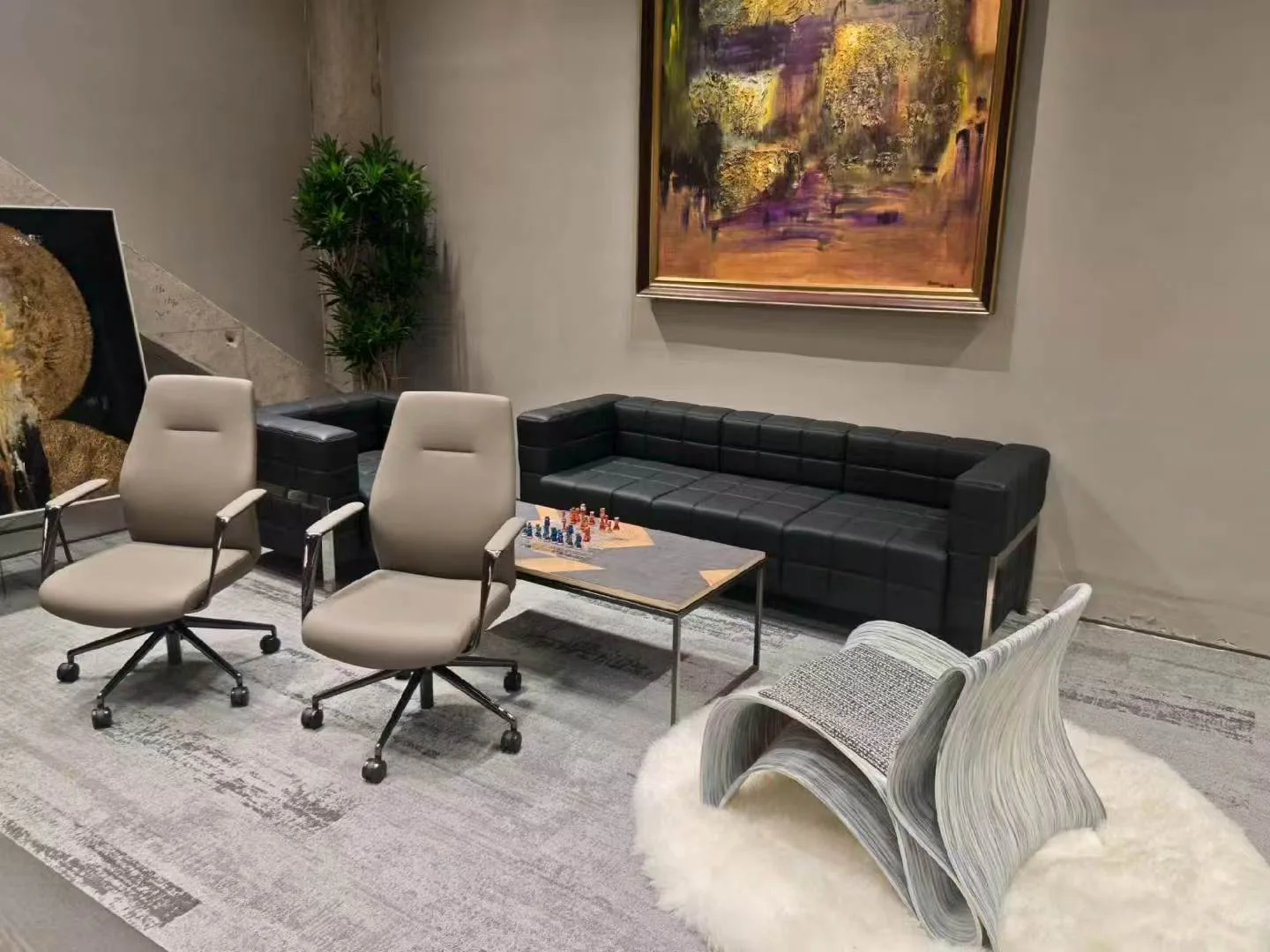
The FGF furniture and interior-forms case documents FGF production with several approved finished and interior-context views. The customer remains anonymous. Its public record does not establish a polymer, structural test, load rating or fire classification.

Use the case to assess relevant manufacturing experience and to communicate desired visual qualities. Do not turn the appearance of a seat-like object into evidence that a new design is suitable for unrestricted seating. A functional requirement needs its own material, design and validation basis.
Decide Whether Bead Texture Is a Feature or a Defect
Large-format deposition produces a visible surface character. For some interior forms, that texture is part of the design. For others, the buyer expects a prepared or painted surface. Resolve this before quotation because the amount and location of finishing can change the work substantially.
Specify texture by region. A broad visible side may retain the printed character while an edge touched by users needs a different condition. A base hidden against the floor can have a different appearance priority from a top surface under direct light.
Provide a physical reference or an approved sample area where appearance matters. A distant photograph does not communicate whether layer transitions, seams or small local variations are acceptable at normal viewing distance. Identify the viewing conditions and the parts of the surface that control approval.
If a smooth finish is required, review the preparation route and its effect on geometry. Removing or covering surface material can change an edge, opening or mating detail. The final accepted condition belongs on the drawing or appearance brief rather than being left to a generic “smooth finish” note.
Treat Wall Structure as an Engineering Decision
An exterior silhouette does not reveal the internal material arrangement. A hollow form, a thick section and a rib-supported shell can have different stiffness, mass and manufacturing behavior. The buyer should identify what the form must support and how those loads enter it.
Avoid specifying wall structure solely to minimize material. A local attachment or narrow connection may govern the design even when the rest of the shape is lightly loaded. Conversely, a large nonfunctional mass can create handling and production consequences without improving the important interface.
Build orientation and the relationship between deposited layers and applied loads also need review. They should be considered with the material and geometry rather than treated as one universal strength rule. This guide gives no default load capacity or required wall thickness.
Where the delivery is only for shape or visual approval, state that limitation. Where actual loading is intended, provide the load cases and the required evaluation. The supplier’s manufacturing proposal and the responsible engineer’s validation plan should address the same object.
The Support Footprint Controls More Than Appearance
Review where the finished form touches the floor, plinth or supporting frame. A broad-looking base is not automatically a stable support arrangement. The relevant conditions include the actual contact regions, the mass distribution and how the object will be used.
Identify whether leveling feet, protective pads, brackets or a separate support structure are part of the delivery. A prototype quotation may otherwise cover only the printed shell. If another supplier provides the base, exchange controlled interface information rather than relying on an informal dimension.
For an irregular curved form, show the intended installed orientation clearly. A manufacturing support orientation and an operating orientation can be different. Inspection and receiving instructions should distinguish them so the object is evaluated on the right contact surfaces.
The functional approval belongs to the actual assembly and use conditions. A photograph of an object standing in an interior proves that it was photographed there, not that it passed a stability or public-use test.
| Interface | What the buyer should define |
|---|---|
| Floor or plinth contact | Contact regions, leveling arrangement and protected surfaces. |
| User-contact edge | Required texture, geometry and the relevant handling evaluation. |
| Attached frame | Load path, fasteners, access and the supplied-component boundary. |
| Panel or adjoining form | Alignment, visible gap and final finish condition. |
| Removable feature | Assembly method, identification and expected repeated handling. |
Plan Attachments Before Printing
An insert or fastener cannot be reviewed independently of the surrounding printed structure. Identify the intended load, access and installed position. If hardware is proposed, ask how its interface will be made and verified for the actual polymer and geometry.
Avoid treating a printed hole as a complete fastening specification. A clearance hole, a locating feature and a threaded attachment serve different purposes. Their acceptance requirements and any secondary operations should be identified separately.
For a removable interior panel or furniture accessory, review the installation sequence. An apparently reachable fastener may be inaccessible after the form is placed against a wall or attached to its base. Solve that access issue in CAD rather than adding an improvised connection after finishing.
If multiple pieces are required, distinguish permanent manufacturing joints from joints opened during transport or installation. The project should show how the interfaces align and how the finished seam is accepted. Do not assume a bonded region has the same behavior as a monolithic print.
Select Material Against the Actual Setting
The verified furniture case does not identify its polymer, so no grade should be inferred from its color or surface. For a new form, provide the exposure and use requirements that influence material selection. These can include temperature, sunlight, moisture, cleaning contact and handling.
If the project requires a particular material document or classification, state it before the supplier proposes a grade. A general polymer-family description is not evidence that the finished printed and coated object meets a specific requirement.
Separate material data from complete-product validation. A supplier datasheet can inform selection, but it does not automatically establish the performance of the deposited structure, joints, finish and attached hardware. The intended use determines what further evidence is necessary.
For outdoor or demanding interior use, ask the responsible design team to define the relevant evaluation. Do not extend an indoor appearance approval into an unsupported claim about weathering, fire behavior or long-term loading.
Worked Decision: A Curved Interior Display Form
Consider a hypothetical curved form for an interior-product review. The team wants to assess proportions and surface character, with the option of developing a functional version later. This is not the application of the anonymous case customer.
The first order defines a display-only purpose, visible surfaces and the actual supporting base. A surface sample establishes which printed texture is acceptable and where edge preparation is required. The interface to the base is reviewed separately from cosmetic approval.
The next phase is not automatically a repeat order of an approved functional product. If loading or repeated public interaction is introduced, the material, structure and validation scope are revisited. This staged approach obtains useful development evidence without purchasing unverified performance.

Approve Shape, Surface and Function Separately
Use three approval questions. Does the shape communicate the intended design? Does the delivered surface meet the agreed reference? Does the complete object satisfy the defined functional evaluation? A positive answer to one does not establish the others.
For shape, identify overall proportions and interfaces that matter. For surface, use designated regions and the approved viewing reference. For function, use the actual assembly and required evidence. This makes disagreements easier to diagnose than a single instruction to approve “overall quality.”
The surface-finishing capability overview can support discussion of preparation and coating options. Suitability must be confirmed for the selected polymer and the relevant regions, not inferred from finishing services listed for other processes.
RFQ Information for Furniture-Scale Forms
Send CAD, overall dimensions, quantity and the intended use stage. Include the surface map, support arrangement and attachment details. Explain whether the quotation covers a printed shell only or the completed assembly.
The most important supporting information is:
- The difference between display approval and intended functional use.
- Required material properties, documents and exposure conditions.
- Visible regions, touch surfaces and the surface-approval reference.
- Floor, frame and neighboring-part interfaces.
- Permitted segmentation and the delivered assembly state.
- Any required validation, identified separately from visual inspection.
Request the proposed build and finishing route before approving the complete offer. That gives the buyer a basis for comparing usable deliverables rather than only comparing the cost of printing a large volume.
Frequently Asked Questions
Is an FGF furniture photograph proof of a seating load rating?
No. The photograph can show a form and its visible condition. A load rating requires the actual design, material, assembly and relevant evaluation. The public Jingrui Proto furniture case does not publish such a result.
Must every FGF part be sanded smooth?
No. Printed texture may be intentional. Define which regions retain it and which need preparation. Agree the reference and final interface condition before treating all surface work as necessary.
Can the material be identified from the case images?
No. The documented case does not identify its polymer. For a new project, specify the application and material requirements, then confirm the proposed grade and available documentation.
Can a large form be split for manufacture?
It can be reviewed as an option, but the split creates joining, alignment and finish decisions. Define the purpose of each joint and the accepted assembly condition. Do not assume a joint has an unverified monolithic strength.
Should a display prototype and a functional product use the same approval?
No. A display model can answer shape and appearance questions without establishing functional suitability. If the use changes, revisit the material, structural design and evidence required for that use.
What should I send for an FGF furniture-form review?
Provide CAD, size, quantity, use stage, surface reference, material restrictions and the support or attachment arrangement. State which parts of the finished assembly and which checks are included in the requested delivery.
Request an FGF Form-and-Interface Review
Send Jingrui Proto your FGF form CAD and intended-use brief. Include the surface, base, attachments and required evidence. Ask for a proposed manufacturing and finishing scope that distinguishes a visual prototype from a functionally evaluated object.
Related Posts
- FGF versus FDM for large parts
- Large-prototype shipping and reassembly
- FDM build orientation, walls and infill
Author
Prepared by Jingrui Proto for product-development and procurement teams. Material, structural suitability and use acceptance require project-specific engineering review.










