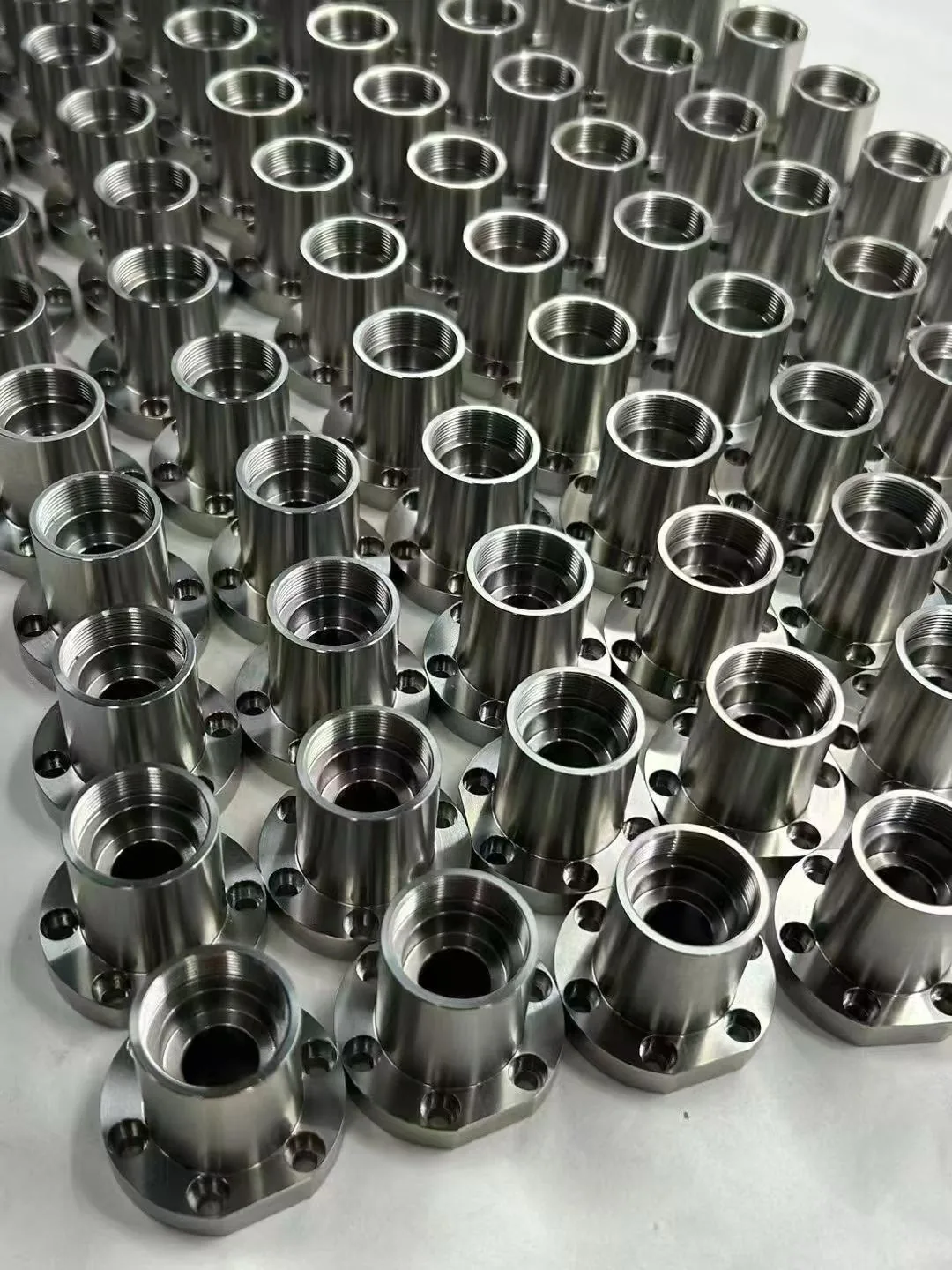
Image: Actual Jingrui Proto CNC turned-flange batch photo. No specific tolerance, material grade or repeat-order performance is inferred from the image.
Quick Answer
For repeat CNC orders, compare how suppliers preserve the approved material, drawing revision, process route, finished condition and inspection basis. A successful first article does not prove that the next order will be manufactured under the same conditions. The strongest quotation explains what will be retained, what may change and when the buyer must approve a change.
This guide ranks five procurement risks by their place in a repeat-order workflow, not five factories by unmeasured precision or delivery. It complements a broad supplier shortlist with a specific decision: how to purchase the next batch without losing the meaning of the approved sample. Official company references were reviewed on October 21, 2026.
Comparison method and supplier evidence
Jingrui Proto publishes this guide and is one of the suppliers discussed. We have not placed identical repeat orders with all named companies. Public service descriptions establish possible process coverage; they do not establish comparative quality, guaranteed tolerances, current capacity or negotiated record-retention terms.
Three useful reference points are Jingrui Proto’s in-house CNC service, 3ERP’s manufacturing FAQ and RapidDirect’s quality information. The comparison below separates their published coverage from the contractual evidence a buyer should request.
| Supplier |
Public scope |
RFQ check |
| Jingrui Proto |
In-house CNC and part-check planning |
Which approved records, references and change triggers will be retained? |
| 3ERP |
CNC machining and CMM inspection described publicly |
What links the next material and inspection record to the released revision? |
| RapidDirect |
Published quality workflow and process standards |
How are the producing site, route and order-specific records controlled? |
None of these questions implies a supplier has failed the requirement. A website is the starting point for requesting evidence, not a substitute for the evidence itself.
1. Material identity drifts between orders
An approved sample can be made from the requested alloy or polymer while the next order uses a different grade, condition or source. The drawing should distinguish those requirements from a generic material family. “Aluminum,” “stainless steel” or “engineering plastic” is often too broad to define an interchangeable repeat part.
Request a material designation and any required condition, together with a traceability plan appropriate to the project. Clarify whether certificates, supplier declarations or other records are included. A certificate should relate to the material actually used, not merely describe a grade the manufacturer can purchase.
| Material |
Detail to retain |
Effect on later builds |
| Aluminum alloy |
Grade, condition and finish needs |
Cutting response and finished fit can differ |
| Stainless steel |
Grade and specified condition |
Material substitutions can alter application suitability |
| Machined plastic |
Grade, stock state and required records |
Moisture, stock history and material choice can affect behavior |
Avoid imposing a document bundle without considering its purpose. A low-risk appearance component may need different records from a critical mating part. The buyer and supplier should agree the actual requirement rather than assuming that every job receives the same traceability package.
2. The next order uses the wrong definition of the part
A CAD file can be revised while the drawing, purchase order or sample label remains unchanged. A later buyer may also use an old email attachment as the reference. These are configuration problems that excellent machining cannot repair after the wrong geometry has been released.
Use one release identifier linking CAD, drawing, material, finish and inspection notes. Identify which document governs a conflict. Store an approved sample with a label describing its role: visual reference, assembly reference or dimensionally accepted first article. A sample should not silently override a drawing requirement that was never waived.
For a hypothetical bracket reorder, a new hole location might leave most of the part unchanged while affecting the mating assembly. Mark that feature and identify the revised drawing, rather than writing “same as last time with a small change.” Ask the supplier to acknowledge the release package before beginning the new batch.
Decide what needs fresh approval
Not every revision requires repeating every earlier check. Classify the change and review affected features, fixtures, finish and inspection. A cosmetic marking change and a datum change can have very different consequences. Record the decision so that a repeat order is not released through an informal assumption.
3. A changed manufacturing route alters the result
Repeated geometry can be made with different stock, setups, fixtures, cutting strategies or production locations. Some changes are routine and acceptable; others can affect critical features. The procurement task is to define meaningful change triggers without pretending the buyer must control every machine setting.
Ask who owns the manufacturing plan and whether any fixture or inspection aid is dedicated to the project. Confirm retention, storage and reuse terms when these are commercially important. Paying a setup charge does not automatically establish ownership of programs, fixtures or process knowledge.
RapidDirect’s official company overview describes its own factory together with a manufacturing network. Treat that as a business-model fact, not a reason to assume poor quality. Confirm the actual production responsibility and notification process. Likewise, a direct-factory relationship still needs controls for changes within that factory.
For critical repeat orders, define which changes require notice before manufacture: a new material source, a new producing site or a changed finishing route may be relevant. The threshold should follow the part’s risk and agreed requirements, not a generic demand that nothing may ever change.
4. The finished state no longer matches the approved interface
Anodizing, coating, polishing, blasting and other finishing can change fit, appearance or the condition of an edge. A repeat order that preserves the machined geometry but changes the finish may not reproduce the delivered part that was originally approved.
Identify the inspection state for critical features. Is a bore checked before finishing, after finishing or at both stages? Which faces are masked, and what surface condition is required for assembly? Do not assume a finish name defines every thickness, color, texture or functional interface requirement.
Retain a controlled appearance reference if color or texture matters. Record any agreed variation and the conditions for comparison. For fit-critical components, describe the mating requirement and measurement basis rather than relying on a photograph of the previous batch.
Jingrui Proto connects machining with surface-finishing review. Its project route may include in-house or externally supported operations as confirmed during quotation; do not infer that every available finish is performed in the CNC workshop or that all finishes are suitable for every material.
5. Inspection and delivery assumptions change without notice
Two inspection reports can contain the same dimension labels yet use different datums, states of finish or sampling plans. Specify how critical features are defined, measured and accepted. A general equipment list does not establish that a particular report or measurement uncertainty is included in the order.
Jingrui’s current CNC information identifies CMM, optical measurement and surface-roughness checking as available methods selected against project requirements. Its stated ISO 9001, ISO 13485 and IATF 16949 quality frameworks should be reviewed for applicable scope and site; management-system certification is not a universal precision guarantee or a product approval.
Agree what travels with the next shipment: inspection results, material records, approved deviations and the release revision. Identify how nonconforming parts will be segregated and how a buyer will authorize any concession. A box of parts that resembles the sample is not the same as a documented accepted batch.
Compare schedules using the same milestones
A reorder may avoid some development work without eliminating material sourcing, capacity allocation, finishing or inspection. Ask when the supplier’s schedule starts and what it includes. Compare production completion, dispatch and arrival separately; a short website headline is not a commitment for your specific repeat lot.
If partial deliveries matter, define lot identification and documentation for each shipment. Do not assume that a supplier’s ability to machine the total quantity establishes its ability to meet a staged delivery plan with the same evidence at every stage.
A repeat-order comparison sheet
Use a pass/clarify/reject assessment before applying a commercial score. A missing mandatory material requirement cannot be offset by an attractive price. Once essential requirements are met, compare total accepted-part cost, review effort, schedule confidence and change-control responsibilities.
Add a feature-to-record column to the comparison. For a mating bore, identify the drawing callout, the finished inspection state and the record that will demonstrate acceptance. For an appearance face, identify the approved visual reference instead. This prevents a large general inspection report from obscuring the few requirements that actually govern release. Ask the supplier to flag any requested record it cannot provide before the purchase order is issued.
Include separate lines for manufacturing, finish, agreed records, packaging and delivery. If a fixture must be replaced or a first article repeated, identify that cost rather than assuming the original setup charge covers every later event. Compare the assumptions in writing so that a cheaper quote is not simply a narrower scope.
Ask each supplier the same practical scenario: “If we reorder this revision after a pause, what information do you need, what will be retained, and what events require new approval?” The quality of the documented response is more useful than an unsupported claim that a company has the best repeatability.
RFQ checklist for the next CNC batch
- Released CAD and drawing identifiers, plus a clear description of any change.
- Material grade and condition, finish specification and required traceability.
- Quantity, expected reorder pattern and any staged delivery requirement.
- Critical dimensions, datums, measurement state and acceptance records.
- Approved sample identity and the features it is allowed to govern.
- Fixture, program or reference retention expectations and any ownership terms.
- Change-notification triggers, deviation approval and destination requirements.
If files are confidential, request NDA handling before distributing them. Limit the initial comparison package to what each recipient needs, then agree the release process with the selected supplier. A broad process capability statement is not a confidentiality agreement.
Frequently asked questions
Does a good first article prove the next batch will match?
No. It establishes a reference under defined conditions. Material, configuration, process, finish and inspection controls connect that reference to later production.
Is a factory always more repeatable than a platform?
No general ranking is established here. Both models require defined production responsibility, change control and acceptance evidence for the actual order.
Should every dimension have the tightest available tolerance?
No. Specify tolerances according to function and manufacturability. A blanket tight requirement can add cost without controlling the features that determine assembly success.
Do ISO certifications replace first-article records?
No. Review the relevant certification scope and the project-specific inspection plan separately. Neither substitutes for the other.
Who owns the CNC program and fixture?
That depends on the agreement. A setup payment alone should not be interpreted as transferring every manufacturing asset or file.
What information is most important for a reorder?
Provide the released revision, prior order reference, quantity, material/finish requirements and any changes. Identify the approved sample and required acceptance records.
Request a repeat-order manufacturing review
Send Jingrui Proto your released files and reorder requirements. Ask for the material, process, finish and inspection assumptions to be stated alongside the quotation. For broad supplier discovery, retain the existing China CNC company guide as a separate starting point.
Author
Jingrui Proto editorial team. Supplier facts are attributed to official public pages; the risk order is a purchasing framework, not independent comparative testing.
Related Posts