
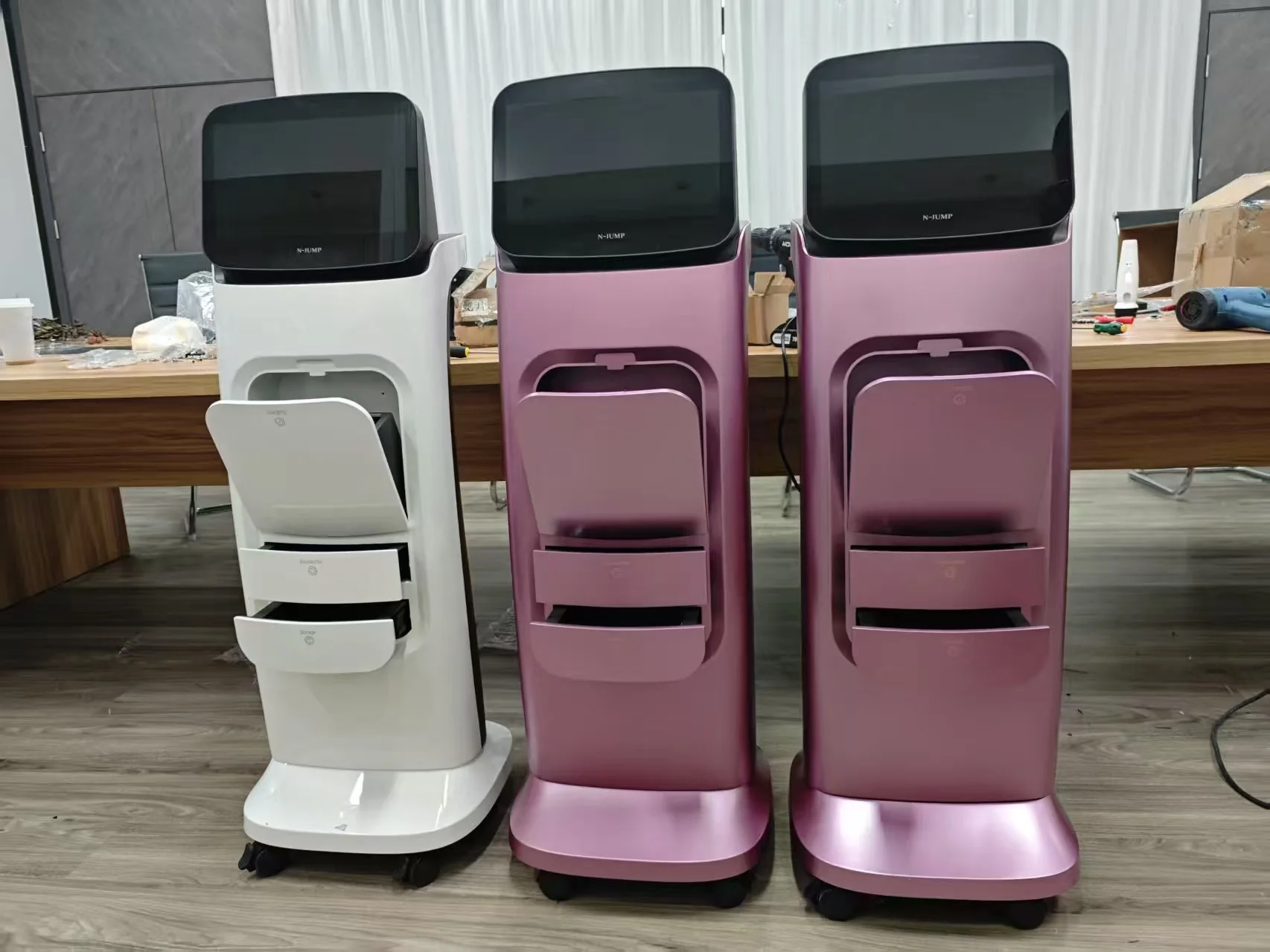
A complete product prototype is more than a group of manufactured parts. For a smart beauty, MedTech-related or consumer device project, the buyer needs to see how enclosure parts, surface finish, access panels, assembly relationships and later manufacturing decisions work together.
What One-Stop Prototype Manufacturing Means
One-stop prototype manufacturing connects CAD and DFM review, process planning, part manufacturing, surface finishing, assembly, inspection and project management under one supplier workflow. It is especially valuable when the final deliverable is a complete product prototype rather than a single machined or printed component.
Jingrui Proto’s Prototype Services are designed for this kind of project: engineers and sourcing teams can discuss the full device and then choose the right route for each stage.
Real Example: N-JUMP Ultra-NEP
The N-JUMP Ultra-NEP case study shows a real complete-product path: prototype manufacturing, initial low-volume manufacturing, a repeat low-volume order approximately two months later, rapid tooling, injection-molded product components, finishing, assembly and engineering collaboration.
This project is now public as an identified N-JUMP / 匠朴至美 Ultra-NEP project. Public sources support the product and technology context; Jingrui Proto’s manufacturing role is based on the confirmed project relationship and real project evidence.
Why Multi-Part Prototypes Create Supplier Risk
A product prototype can fail review even when each individual part looks acceptable. The final device may reveal panel interference, color mismatch, assembly-order conflict, display fit issues or unclear responsibility between suppliers.
One project team can connect part-making decisions with finishing and assembly requirements before the final prototype reaches the buyer.
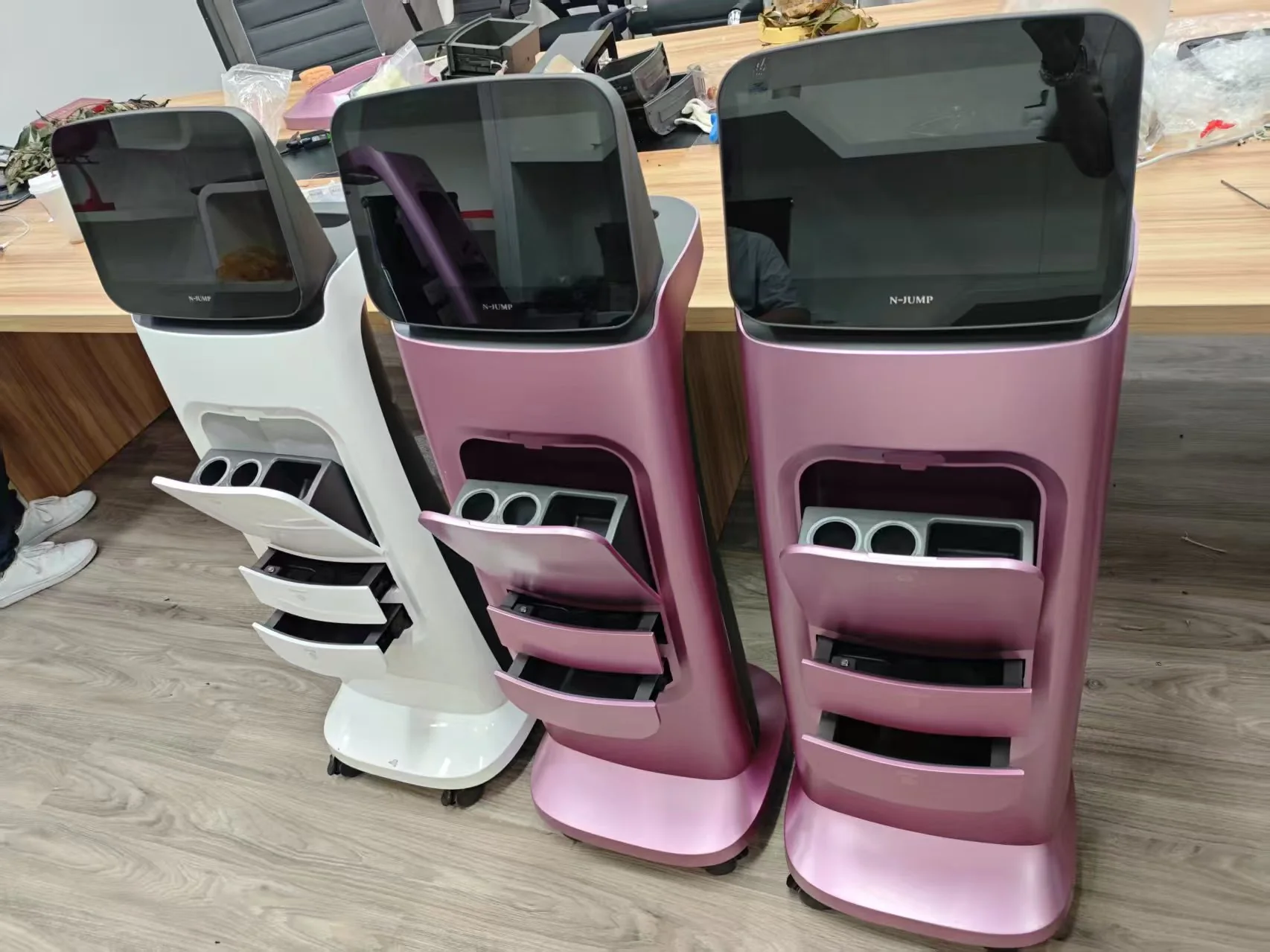
Prototype to Low-Volume Manufacturing
After a complete prototype is reviewed, a product team may choose low-volume manufacturing to support additional validation, market introduction or controlled launch activity. In the Ultra-NEP project, Jingrui Proto supported the move from complete product prototyping into initial low-volume manufacturing.
Why Repeat Low-Volume Orders Matter
A repeat low-volume order can show that the product team is still gaining useful information before committing to tooling. It can support refinements in finish, assembly, packaging, supplier workflow and demand planning.
In the Ultra-NEP project, the customer placed another low-volume order approximately two months after the initial low-volume stage. No quantity is published because the approved public fact is the repeat order itself, not the volume.
When to Move From Low Volume to Rapid Tooling
A project may move toward rapid tooling when demand increases, the product definition becomes more stable, and injection-molded components become a better route than continuing only with prototype or low-volume methods. Ultra-NEP followed this pattern: prototype and low-volume work came first, then rapid tooling and injection-molded product components followed as the commercial product gained traction.
Surface Finishing and Assembly Are Not Afterthoughts
Large beauty devices need finish and color decisions to work with the physical assembly. White and metallic pink Ultra-NEP variants show why product teams need surface appearance, panel fit and complete equipment review in the same manufacturing plan.
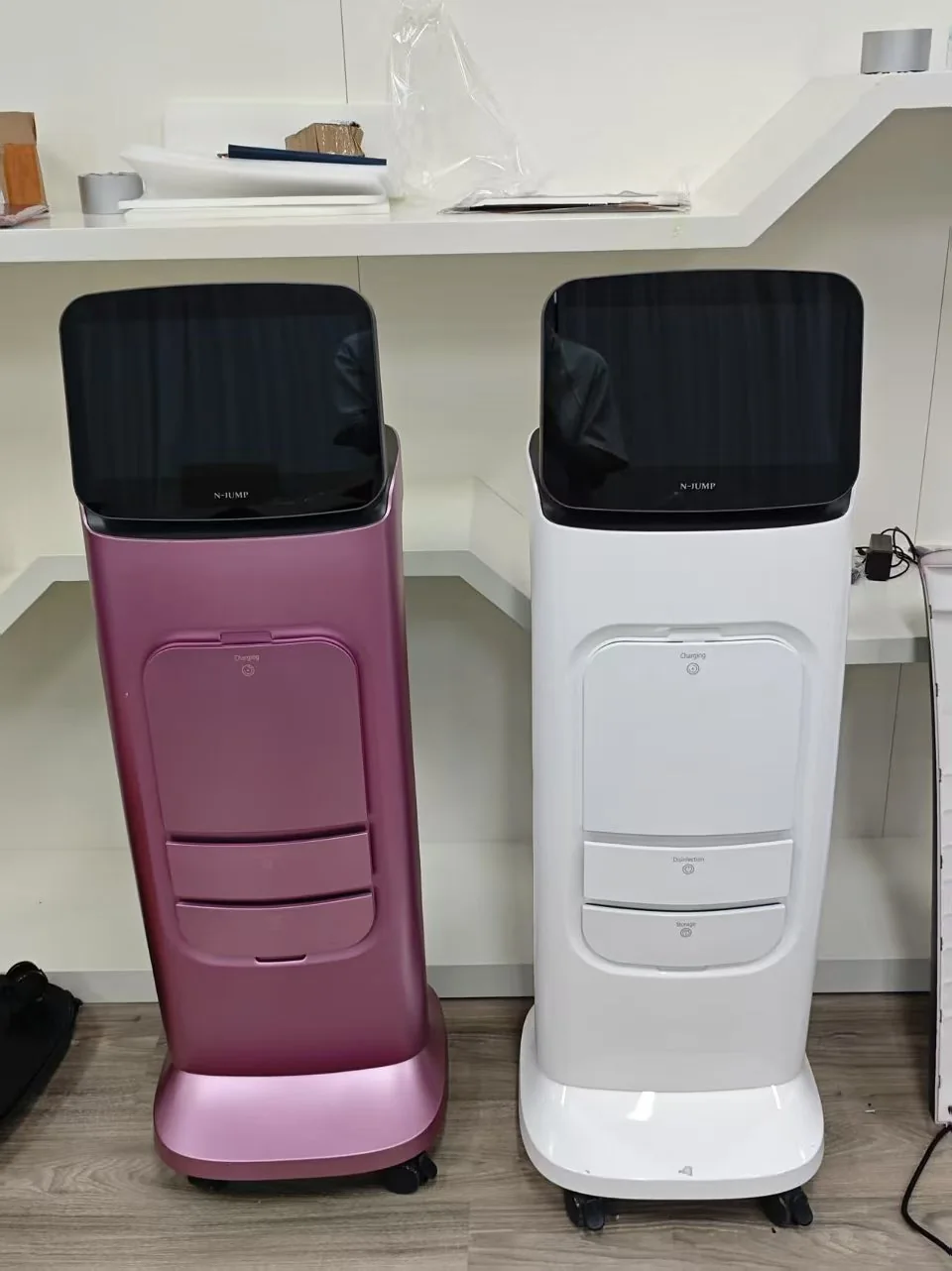
Public Product Context
Beihang Qingdao Research Institute publicly described N-JUMP / 匠朴至美 as the transformation carrier for a Beihang NEP technology commercialization project. Beijing News reported the Ultra-NEP launch and cited more than 1,000 product orders at the time of that report. Those public facts establish product context and market signal; they do not state Jingrui Proto production quantity.
How to Plan a Similar Complete Product Prototype
- Send the full CAD assembly, not only isolated part files.
- Mark visible cosmetic surfaces and color expectations.
- Explain which panels, doors, drawers or service areas must open.
- Separate prototype-stage requirements from low-volume or tooling-stage requirements.
- Discuss which manufacturing details must stay confidential before publication.
Work With Jingrui Proto
For a complete prototype or prototype-to-production project, start with Prototype Services, review the N-JUMP Ultra-NEP flagship case, or contact Jingrui Proto with your RFQ package.





